Apple Unveils Apple Watch Series 12 and Ultra 4 at Surprise and Shine Event With Preorders Live Now

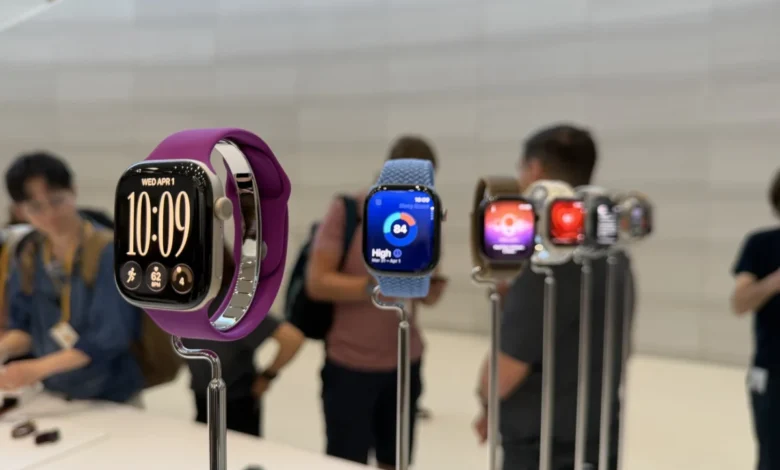
Apple Inc. expanded its wearable technology portfolio on Wednesday during its eagerly anticipated "Surprise and Shine" keynote event at Apple Park. While the unveiling of the next-generation iPhone lineup commanded significant attention, the technology giant also introduced two flagship smartwatches: the Apple Watch Series 12 and the premium, adventure-focused Apple Watch Ultra 4. Both devices bring substantial hardware and software upgrades, including the new S11 processing architecture, advanced health-tracking metrics, and intelligent audio capabilities. Preorders for both models opened immediately following the keynote presentation, giving consumers their first opportunity to secure the devices ahead of their official retail launch scheduled for Friday, September 18.
The announcement signals Apple’s ongoing commitment to dominating the wearable technology sector by refining its core flagship offerings rather than introducing entirely new form factors. Notably absent from the autumn hardware update was a refresh of the budget-friendly Apple Watch SE line, indicating that Apple has chosen to focus its primary engineering efforts on high-end performance, material innovation, and deeply integrated health intelligence for the 2026 product cycle. As consumers evaluate the new releases, initial preorders are being handled directly through the online Apple Store and Apple Store application, with major third-party retailers expected to populate their inventory listings in the coming days.
Comprehensive Pricing and Configuration Structure

One of the most notable announcements concerning the Apple Watch Series 12 and the Apple Watch Ultra 4 is that Apple has chosen to maintain stable pricing across both product lines, avoiding any price hikes compared to their respective predecessor generations. This pricing strategy comes at a time when global semiconductor supply chain costs and inflation pressures have driven up the retail cost of many consumer electronics. By keeping baseline prices steady, Apple aims to encourage a strong upgrade cycle among users currently utilizing older models, such as the Series 8, Series 9, or original Ultra hardware.
The Apple Watch Series 12 serves as the primary standard-bearer for everyday smartwatches, offering a versatile range of configurations tailored to different aesthetic and lifestyle preferences. Consumers can select from multiple case finishes, including a newly introduced ceramic variant that brings a high-gloss, premium texture back to the Apple Watch family, alongside traditional aluminum and stainless steel options. Band compatibility remains robust, with rubber, textile, and stainless steel link options available at launch. While cellular connectivity is included as a standard, non-negotiable feature on all Apple Watch Ultra 4 models, the Series 12 maintains a tiered approach: GPS-only models are available at the base price point, while cellular connectivity requires an optional $100 upgrade, depending on the chosen case material and style.
For extreme athletes and outdoor enthusiasts, the Apple Watch Ultra 4 commands the top tier of the wearable lineup. The Ultra 4 is available in two distinct case finishes: natural titanium and a stealthy black titanium. These can be paired with an assortment of rugged, activity-specific bands, including the Alpine Loop, the Trail Loop, the Ocean Band, and the sophisticated Titanium Milanese Loop. Furthermore, Apple continues its partnership with luxury fashion house Hermès, offering special-edition designer variants of both the Series 12 and the Ultra 4. The Hermès Series 12 starts at $1,399, while the Hermès Ultra 4 begins at $1,499, scaling up to $3,149 for configurations featuring the newly designed, highly adjustable extendable Grand H titanium band.
Hardware Innovations and the S11 Processing Architecture

Beneath the polished exteriors of the Apple Watch Series 12 and the Apple Watch Ultra 4 lies the newly engineered S11 chip. This proprietary silicon architecture delivers significant improvements in energy efficiency, processing speeds, and machine learning capabilities compared to the previous S10 processor. Industry analysts note that the integration of the S11 chip is central to Apple’s strategy of running complex, on-device artificial intelligence tasks directly on the wrist, minimizing reliance on cloud processing and thereby enhancing user data privacy.
The processing power of the S11 chip enables a host of new features categorized by Apple under the umbrella of "Audio Intelligence." Utilizing the enhanced, high-fidelity microphones built into both smartwatch models, these capabilities are designed to assist users by monitoring their acoustic environment. Set to roll out via a software update later in the year, these features include Sound Recognition alerts—which can notify users of important environmental noises such as smoke alarms, sirens, or breaking glass—and Live Rewind conversation transcriptions. To address growing consumer sensitivity regarding digital surveillance and privacy, Apple explicitly emphasized during the keynote that the watches do not permanently record or store raw audio data, processing all acoustic cues locally on the secure enclave of the S11 chip.
Furthermore, the introduction of the S11 processor directly correlates with extended battery performance metrics. The Apple Watch Series 12 maintains its reliable all-day rating of up to 24 hours of continuous use under normal operating conditions. Meanwhile, the Apple Watch Ultra 4 pushes the boundaries of endurance, offering up to 50 hours of battery life on a single charge during typical mixed usage. When engaging the device’s advanced low-power mode, the Ultra 4’s battery longevity extends to an impressive 84 hours, making it exceptionally well-suited for multi-day expeditions, backpacking trips, and endurance athletic events where access to power sources is limited.
Advanced Health Sensing and the New Readiness Score

Health and wellness monitoring remains the primary value proposition of the Apple Watch ecosystem, and the Series 12 and Ultra 4 introduce a major leap forward through a newly developed Health Sensing System. This upgraded hardware suite features redesigned optical and electrical sensors capable of capturing continuous, highly granular physiological data with unprecedented accuracy.
Among the most prominent software features introduced alongside the new hardware is the "Readiness" score. Utilizing continuous biometric data gathered by the Health Sensing System—including resting heart rate, heart rate variability, sleep duration, skin temperature, and recent exertion levels—the algorithm evaluates the user’s overall physical strain and recovery status. The Readiness score attempts to predict a user’s biological bandwidth for future workouts, advising them on whether they should push forward with an intense training session or take a scheduled rest day to prevent overtraining and injury.
This sophisticated metric feeds directly into Apple’s newly redesigned Health app, which is slated for release on the iPhone later this year. The updated iOS application features a cleaner interface designed to aggregate data from the Apple Watch Series 12, Ultra 4, and previous-generation hardware, presenting holistic health trends in a digestible format. Medical technology analysts have observed that the inclusion of recovery-focused metrics brings Apple’s native software closer in line with dedicated athletic recovery ecosystems, such as Oura and Whoop, potentially reducing the need for consumers to utilize third-party subscription apps.
Chronology of the "Surprise and Shine" Event and Immediate Market Reception

The launch event at Apple Park followed months of intensive industry speculation regarding Apple’s hardware roadmap for the autumn season. Proceedings commenced mid-morning on Wednesday with keynote presentations detailing software updates across the ecosystem, quickly transitioning to the hardware reveals. By introducing the iPhone iterations alongside the Apple Watch Series 12 and Ultra 4, Apple executed a unified product rollout strategy designed to capture consumer attention ahead of the critical year-end holiday shopping season.
Immediately following the conclusion of the keynote presentation at approximately 1:00 PM Pacific Time, Apple updated its online storefront, opening the global preorder window. Shipping logistics and in-store stock allocations have been synchronized to ensure that preordered units arrive at consumers’ doorsteps on Friday, September 18, which is also the date the devices will become physically available on display tables at Apple retail locations worldwide. Consumer electronics analysts predict strong initial demand, particularly for the black titanium Apple Watch Ultra 4 and the newly redesigned ceramic Series 12 cases, both of which have generated substantial online discussion.
Broader Industry Implications and Future Outlook
The debut of the Apple Watch Series 12 and the Apple Watch Ultra 4 underscores Apple’s dominant position within the global smartwatch market. By focusing on incremental yet meaningful hardware refinements—such as the S11 chip’s local AI processing, the expanded Health Sensing System, and the introduction of actionable recovery metrics like the Readiness score—Apple continues to raise the baseline expectations for consumer wearable technology.

Competitors in the smartwatch and fitness tracker space, including Samsung, Google, and Garmin, will likely face increased pressure to match Apple’s emphasis on on-device privacy-focused audio intelligence and sophisticated physiological recovery tracking. As the wearables market matures, the differentiation between devices increasingly relies on software integration and proprietary silicon efficiency rather than basic step-counting or notification mirroring.
As the September 18 release date approaches, market observers will closely monitor initial sales figures and consumer reception to determine whether the stable pricing strategy successfully drives upgrade adoption. In the interim, consumers can review comprehensive specification guides, compare band configurations, and secure their devices through the Apple Store platform, while awaiting subsequent retail listings from authorized consumer electronics vendors.
Related posts: