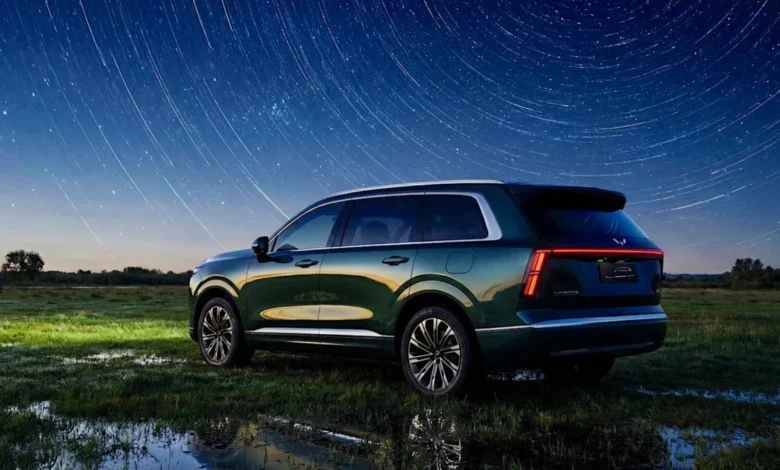
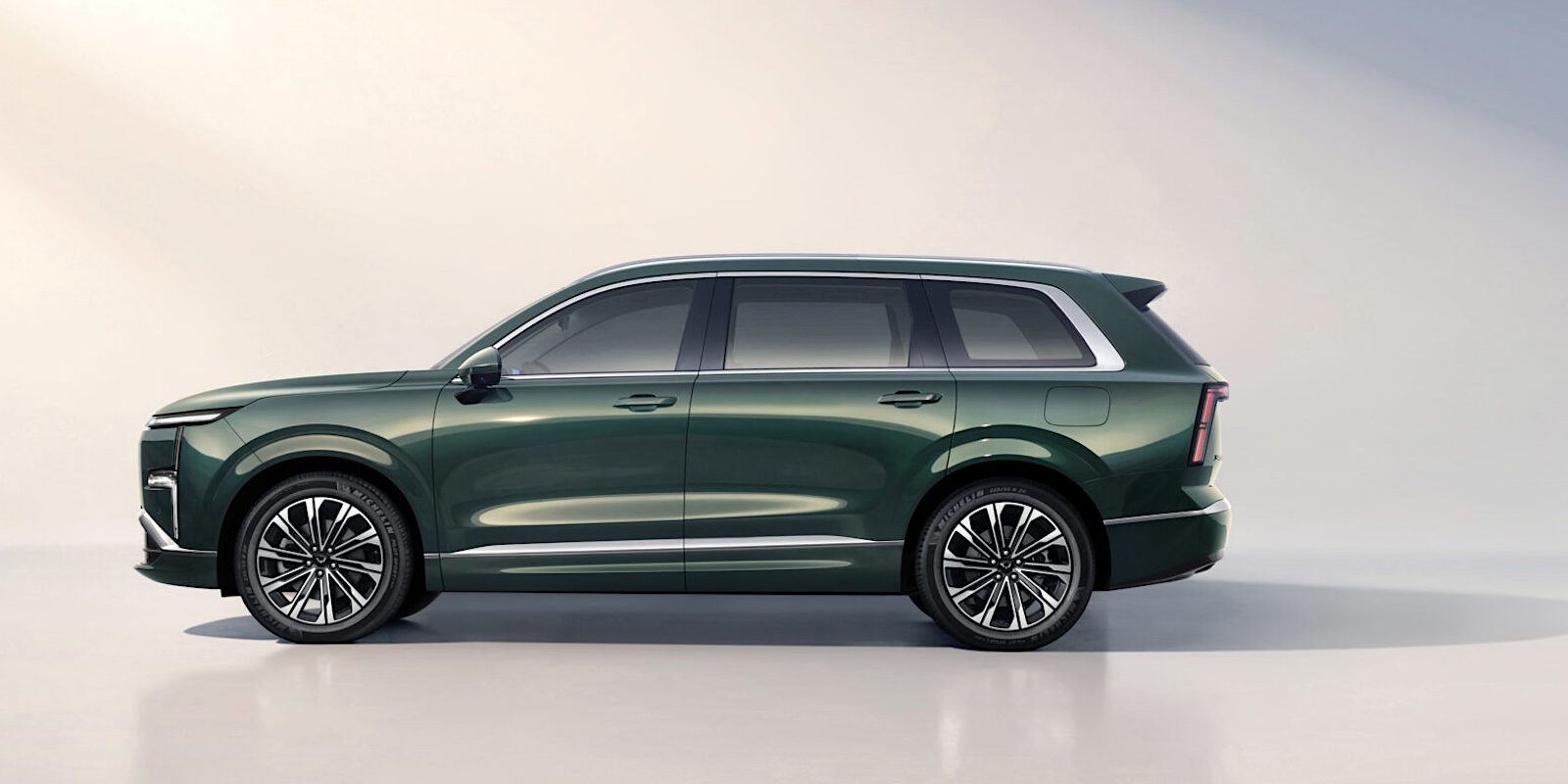
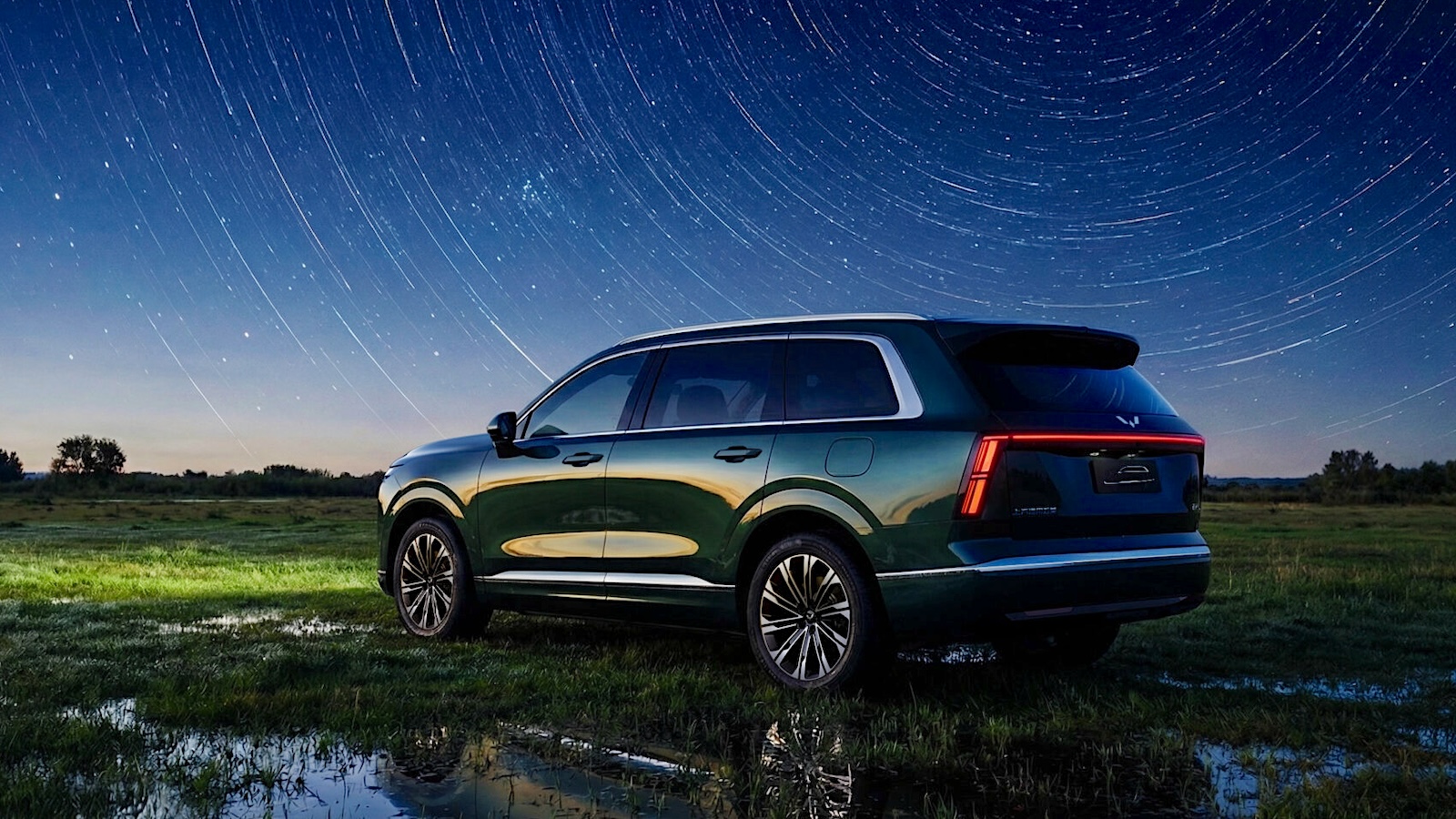
The Starlight L is positioned as a flagship SUV, blending the utility of a six-passenger family hauler with a powertrain that prioritizes electric-first driving. With a starting price in China of approximately 132,800 yuan (roughly $19,900 USD), the vehicle offers a combination of range, technology, and interior volume that challenges the pricing structures of both domestic competitors and traditional Western automakers.
Technical Specifications and Powertrain Innovation
At the heart of the Wuling Starlight L is a sophisticated plug-in hybrid system designed to minimize fuel consumption while maximizing the "EV feel" that modern consumers increasingly crave. The vehicle utilizes a 1.5-liter Atkinson-cycle internal combustion engine (ICE) that produces 106 horsepower. While the engine output may seem modest for a vehicle of this size, its primary role is to act as a generator or to assist the electric drive motor during high-speed cruising.
The electric motor provides the bulk of the vehicle’s performance, bringing the total system output to approximately 170 kW, or 230 horsepower. This power is managed through a dedicated hybrid transmission (DHT) that optimizes the transition between pure electric mode, series hybrid mode (where the engine charges the battery), and parallel hybrid mode (where both power sources drive the wheels).

Perhaps the most striking technical detail of the Starlight L is its 37.9 kWh Lithium Iron Phosphate (LFP) battery pack. To put this in perspective, the battery is nearly double the size of the unit found in the Toyota RAV4 Prime, one of North America’s best-selling PHEVs. This substantial capacity allows the Starlight L to achieve an all-electric range of up to 260 kilometers (approximately 160 miles) under the China Light-Duty Vehicle Test Cycle (CLTC). Even when adjusted for more stringent North American EPA standards, the vehicle would likely offer an electric range exceeding 100 miles, effectively allowing most owners to complete their daily commutes and errands without ever engaging the gasoline engine.
Strategic Evolution of the SAIC-GM-Wuling Partnership
The development of the Starlight L is the result of decades of collaboration between General Motors, SAIC Motor, and Wuling Motors. Originally known for producing rugged, low-cost microvans and work trucks, the SGMW joint venture gained international fame with the launch of the Wuling Hongguang Mini EV, which at one point was the best-selling electric vehicle in the world.
However, the Chinese market has moved beyond basic electrification. Consumers are now demanding larger, more luxurious vehicles that can handle long-distance travel across China’s vast highway network. The Starlight L represents SGMW’s move into the "premium-value" segment. By leveraging GM’s global engineering standards and Wuling’s hyper-efficient supply chain in Liuzhou, the partnership has created a vehicle that offers the dimensions and features of a luxury SUV at a fraction of the cost.
Interior Design and Passenger Comfort
Inside, the Starlight L is designed to cater to the "4+2" family structure common in modern urban environments. The cabin features a three-row configuration, with the second row utilizing independent captain’s chairs. This layout provides ease of access to the third row and offers a level of comfort typically reserved for executive minivans or high-end luxury SUVs.
The dashboard is dominated by a high-resolution touchscreen interface that controls the vehicle’s infotainment, climate, and ADAS (Advanced Driver Assistance Systems) features. Despite its aggressive pricing, the interior utilizes soft-touch materials and a minimalist aesthetic that aligns with current global design trends. The inclusion of modern tech—such as over-the-air (OTA) updates, voice command integration, and a suite of sensors for semi-autonomous driving—positions the Starlight L as a contemporary contender in a crowded marketplace.
The Geopolitical Context: The "Canola for Cars" Framework
The potential for the Wuling Starlight L to enter the North American market is inextricably linked to shifting trade dynamics between China and Canada. While the United States has maintained high tariffs on Chinese-manufactured vehicles to protect its domestic industry, Canada has recently explored more flexible trade arrangements.
In early 2026, a landmark shipment of Lotus Eletre EVs arrived in Canada, marking the first major influx of Chinese-built EVs under a new reciprocal trade agreement. This arrangement, often referred to colloquially as the "Canola for Cars" deal, allows for the importation of up to 49,000 Chinese electric and hybrid vehicles annually at reduced tariff rates. In exchange, China has agreed to lower import duties on Canadian agricultural products, specifically canola oil and pork, which had previously faced significant trade barriers.
Wang Yi, China’s Minister of Foreign Affairs, has signaled a willingness to expand this relationship. "As long as we keep to the right track, at the right pace, towards the right direction, there will be a lot of potential for us to increase our trade," Wang stated during a recent diplomatic summit. This opening provides a unique opportunity for General Motors to utilize its Chinese manufacturing base to supply the Canadian market with vehicles that are currently missing from its North American portfolio.
Market Implications for General Motors North America
General Motors currently faces a gap in its North American lineup. While the company has committed to an "all-electric" future, the transition has been hampered by infrastructure challenges and high entry costs for consumers. PHEVs have seen a massive resurgence in popularity as a "bridge" technology, but GM’s current offerings in this space are limited compared to rivals like Toyota, Jeep, and Hyundai.
The Starlight L is roughly the same size as the Chevrolet Blazer EV or the Buick Enclave. If GM were to rebadge the Starlight L—potentially as a Buick, a brand that already enjoys immense prestige in China—it could provide a high-range PHEV option to North American consumers almost overnight.
Industry analysts suggest that even with the costs of shipping, federalization (modifying the vehicle to meet North American safety and lighting standards), and a healthy profit margin, the Starlight L could be sold in Canada and the U.S. for approximately $35,000 to $45,000 USD. At this price point, a 160-mile range PHEV would have no direct competitors, as most current PHEVs offer between 25 and 45 miles of electric range.
Comparative Analysis: Starlight L vs. Global Competitors
To understand the potential impact of the Starlight L, one must compare it to existing leaders in the hybrid SUV segment:
- Toyota RAV4 Prime: The gold standard for PHEVs in North America. It offers 42 miles of EV range and 302 horsepower. However, it is a five-seater and often carries a dealer markup that pushes its price above $50,000. The Starlight L offers more seats and nearly four times the electric range (on the CLTC cycle).
- BYD Tang DM-i: A direct competitor in China. The BYD Tang is a formidable rival with high-end tech and a similar 7-seater layout. The Starlight L’s advantage lies in the SGMW partnership, which provides GM with an existing dealership and service network in North America that BYD currently lacks.
- Mitsubishi Outlander PHEV: One of the few three-row PHEVs available in the West. While it is highly capable, its electric range is limited to 38 miles. The Starlight L’s massive 37.9 kWh battery represents a different philosophy of hybridization, where the ICE is truly a secondary backup.
Challenges and Considerations for International Expansion
Despite the obvious value proposition, bringing the Starlight L to North America is not without hurdles. The primary challenge is the "Chicken Tax" and other protectionist trade policies in the United States. While Canada may be open to these imports, the U.S. market remains much more difficult to penetrate for Chinese-made goods.
Furthermore, there is the question of brand perception. While Wuling is a household name in Asia, it is unknown to Western consumers. General Motors would likely need to utilize its existing brand equity, marketing the vehicle as a Buick or Chevrolet. This would require significant investment in rebranding and ensuring the vehicle meets the specific ride and handling expectations of American drivers, who typically prefer firmer suspension and different steering tuning than Chinese consumers.
There is also the matter of charging infrastructure. A PHEV with a 38 kWh battery requires more than just a standard 120V wall outlet to charge overnight. To fully utilize the vehicle’s electric range, owners would need Level 2 (240V) home charging, adding an additional layer of cost and consideration for the buyer.
Final Assessment of the Starlight L’s Impact
The Wuling Starlight L PHEV is more than just a budget-friendly SUV; it is a testament to the rapid maturation of the Chinese automotive industry and the strategic flexibility of General Motors. By offering "EV-level" range in a hybrid package, SGMW has addressed the primary concerns of the modern car buyer: range anxiety and high fuel costs.

As trade barriers fluctuate and consumer preferences shift toward practical electrification, the Starlight L stands as a prime candidate for global expansion. Whether it remains a Chinese domestic success or becomes a staple on Canadian and American roads, it has already set a new benchmark for what a "value" hybrid can achieve. The automotive world will be watching closely to see if GM takes the leap and brings this long-range hybrid flagship to the Western hemisphere.