When Queen Elizabeth II Greeted Prince Philip Wearing a Fake Beard: Inside the British Royal Family’s Best-Kept Practical Joke

Behind the solemn pageantry, state banquets, and rigid protocols of the British monarchy lay a surprising penchant for levity, playfulness, and sharp wit. While the public image of Queen Elizabeth II and her consort, Prince Philip, the Duke of Edinburgh, was largely defined by a sense of unwavering duty, those granted a glimpse behind palace walls frequently spoke of their robust private sense of humor. Among the enduring anecdotes detailing the private dynamics of their seventy-three-year marriage, few stories capture their playful rapport quite like the legendary episode involving a royal state visit, a newly grown beard, and a plane cabin full of faux facial hair.
The incident, which has been meticulously documented by royal biographers Catherine Mayer and Gyles Brandreth, highlights an unexpected facet of royal life: the elaborate practical joke. Far from the stuffy atmosphere often projected by external media observers, the inner circle of the House of Windsor frequently engaged in lighthearted jests. However, the stunt orchestrated by the late Queen herself stands out as a masterclass in affectionate mockery, demonstrating that even the sovereign of the British Empire was not immune to indulging in theatrical high jinks to keep her husband on his toes.
The Origin of the Beard: Prince Philip’s Maritime Venture
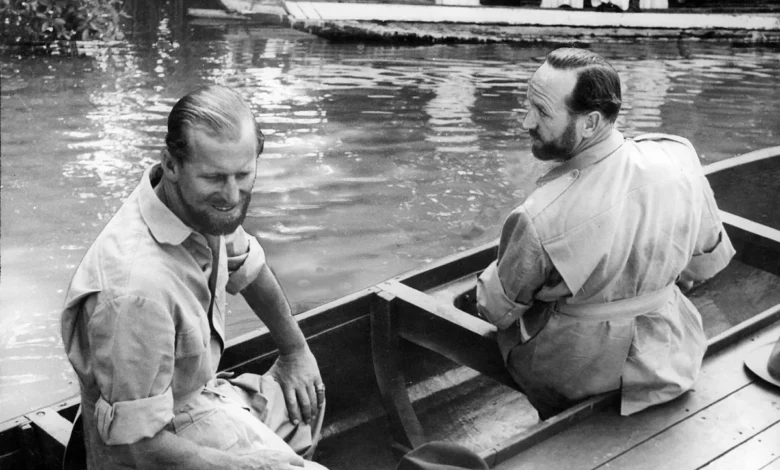
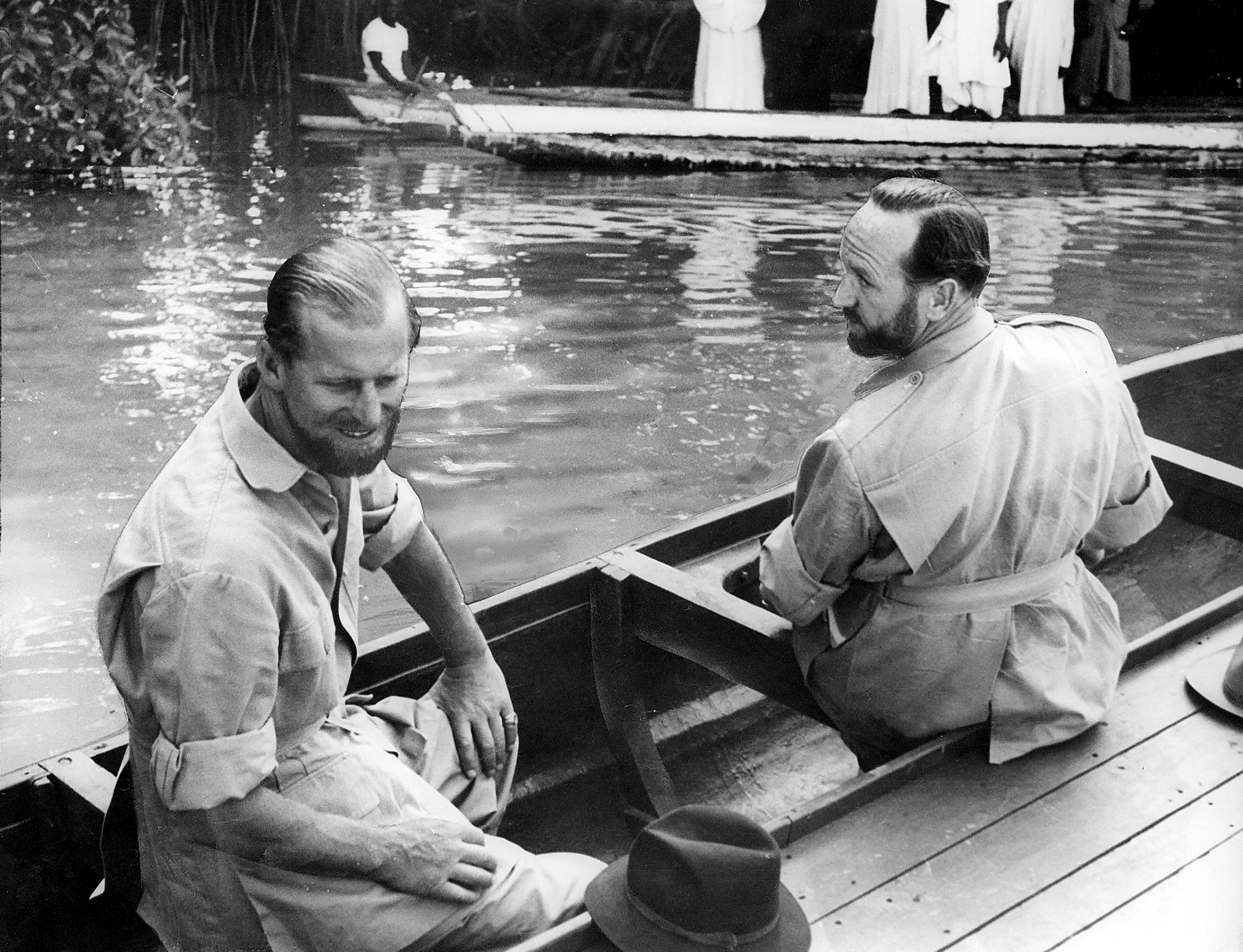
To fully understand the context of the famous practical joke, one must look back to the winter of 1957. Prince Philip embarked on a grueling, four-month solo tour aboard the royal yacht HMY Britannia, traveling across the globe to visit distant Commonwealth realms and remote territories, including a stop in Gambia, West Africa, in February of that year.
For men serving at sea, growing facial hair during long voyages—traditionally known as "growing a beard" or sporting "naval whiskers"—has long been a storied maritime tradition. Freed from the immediate daily demands of high-society London engagements, the Duke of Edinburgh decided to embrace the tradition, cultivating a full, thick ginger beard during his time on the water.
Photographs of the bearded prince soon made their way back to mainland Britain, creating quite a stir among the British press and the public. While historical royal figures such as King George V and King Edward VII famously sported full beards, twentieth-century royals generally leaned toward a clean-shaven aesthetic. Consequently, the sight of Prince Philip—often described by contemporaries as a dashing naval officer—sporting distinct facial hair became a talking point across the national newspapers.
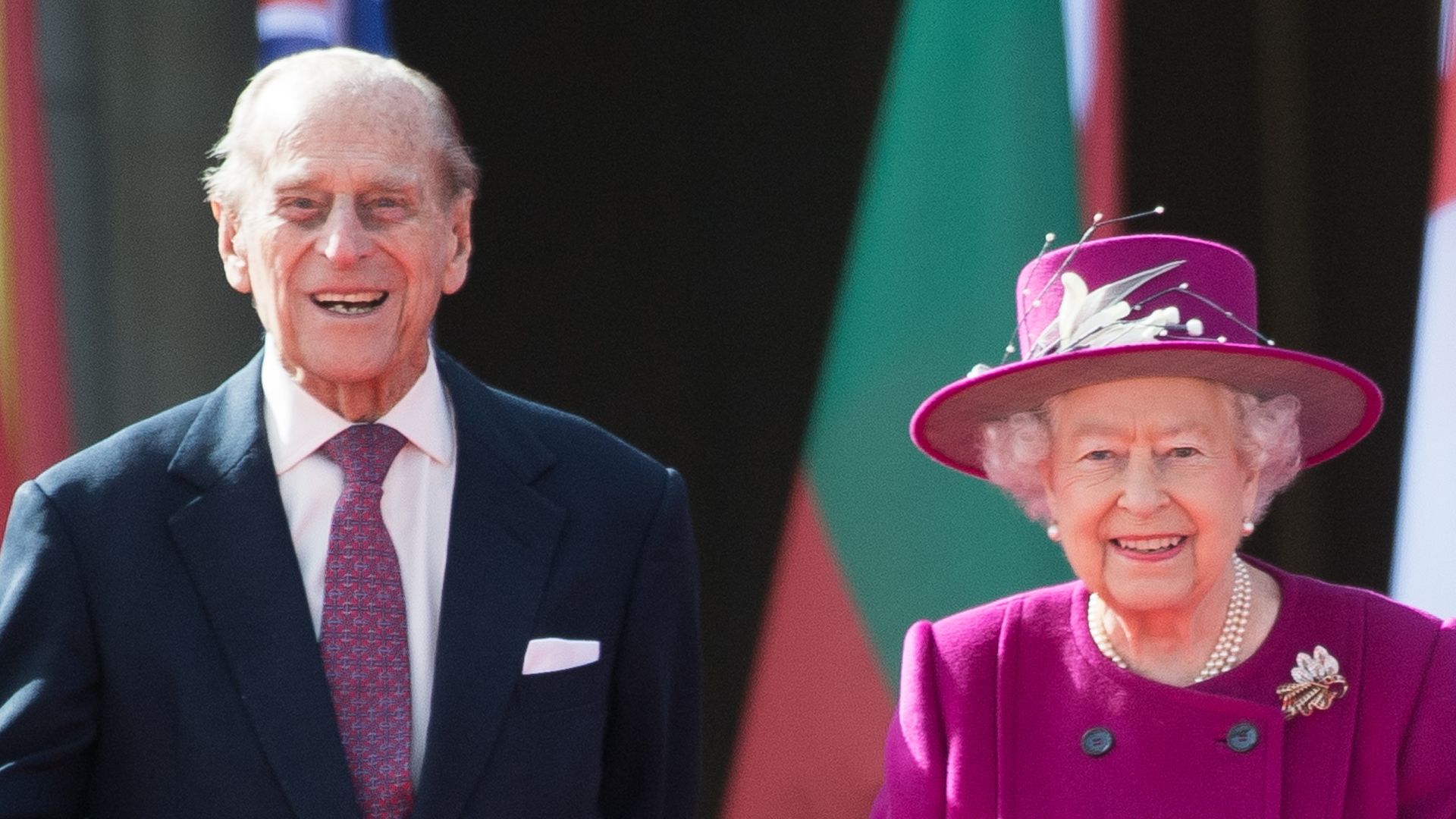
While the British public reacted with curiosity and amusement, Queen Elizabeth II took note with a distinctly strategic sense of humor. Knowing that her husband would eventually have to shave off his whiskers prior to their official joint state tour in Portugal—as royal protocol and military precision dictated clean-shaven appearances for such high-profile diplomatic engagements—the Queen decided to orchestrate an unforgettable homecoming.
The Setup: A Diplomatic Reunion at Lisbon Airport
The stage for the prank was set in Lisbon, Portugal, where the royal couple was scheduled to reunite for a major state visit designed to reinforce historic diplomatic ties between the United Kingdom and the Portuguese Republic.
Prince Philip, having completed the final legs of his maritime journey and mindful of the formal diplomatic duties ahead, dutifully shaved off his naval whiskers prior to the arrival of the royal aircraft. Expecting to board the aircraft or greet his wife with his usual military bearing, the Duke of Edinburgh climbed the steps of the Queen’s plane at Lisbon’s military airport, anticipating a standard, dignified reunion in front of waiting dignitaries and press photographers.
Instead, the prince was greeted by a theatrical spectacle. As he stepped into the main cabin of the aircraft, he discovered that he was not the only one sporting facial hair.
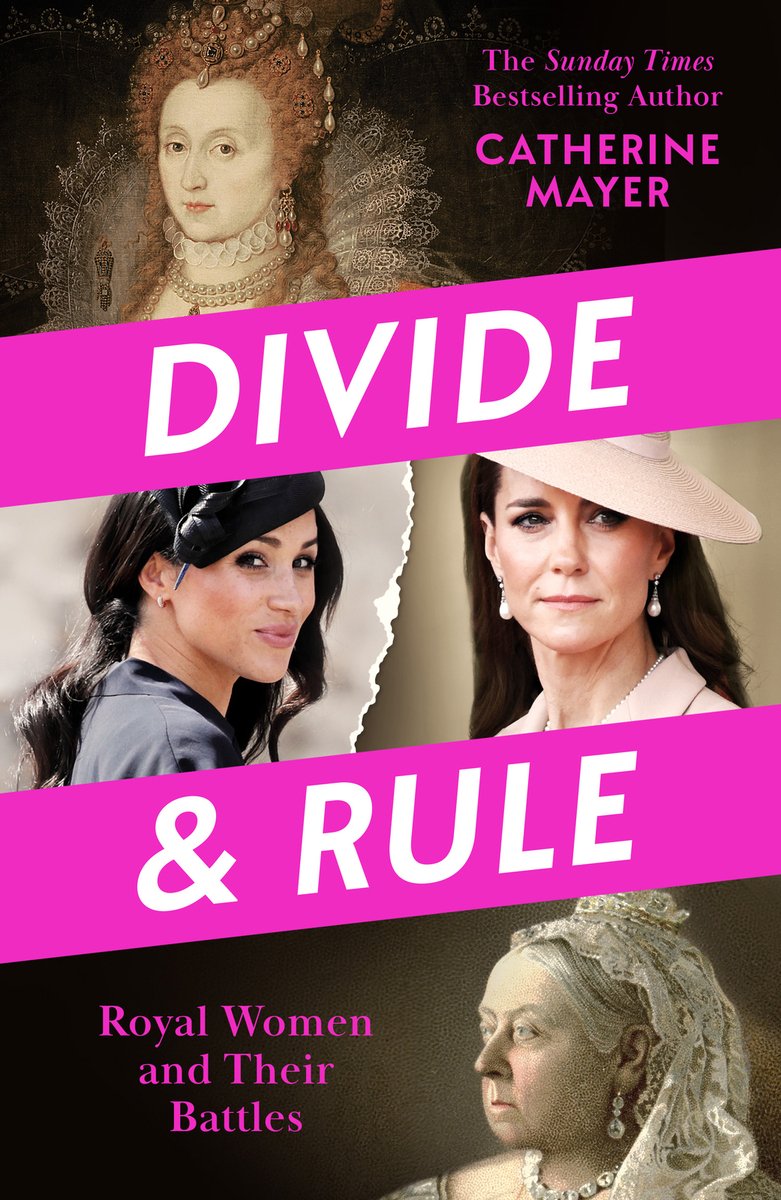
According to royal biographer Catherine Mayer in her book Divide and Rule: Royal Women and Their Battles, the reunion took a hilarious turn when Philip found Elizabeth and her entire traveling entourage "wearing false beards, mimicking the real one he had grown."
Broadcaster and author Gyles Brandreth expanded on the vivid scene in his memoir, Elizabeth: An Intimate Portrait. Brandreth detailed how Philip, now clean-shaven in anticipation of the official proceedings, bounded up the steps of the aircraft only to find his wife and every single member of her staff sitting quietly in their seats, all proudly sporting bright ginger fake beards matching the color of the one he had recently discarded.
The visual punchline of the sovereign of the United Kingdom and her retinue sporting identical novelty facial hair caught the Duke completely off guard. Rather than maintaining the austere composure expected of senior royals on foreign soil, the moment dissolved into shared laughter. Minutes later, when the royal couple finally emerged from the aircraft door to wave to the waiting crowds and dignitaries, observers noted that both were beaming. An eagle-eyed reporter even claimed to have spotted a telltale smudge of lipstick on the duke’s cheek, signaling that the playful tension had been resolved with affectionate warmth.
A Tradition of Royal Humour
The Lisbon beard incident was by no means an isolated occurrence within the Windsor household. Biographers and former palace aides have frequently noted that practical jokes were a staple of family life, particularly during informal gatherings at Balmoral Castle in Scotland or Sandringham House in Norfolk.
The House of Windsor has long maintained a distinct separation between their public-facing duties and their private family dynamics. Behind closed doors, the family members were known to drop the heavy burdens of statecraft in favor of theatrical skits, witty impersonations, and lighthearted teasing. Members of the royal household have often recounted how the late Queen possessed a remarkably sharp comedic timing and an understated talent for mimicry, often catching guests and staff off guard with her dry observations.
Prince Philip, renowned for his own quick wit and occasionally sharp tongue, was frequently both the target and the instigator of such domestic humor. The ability to laugh at oneself—and to allow subordinates and spouses to poke fun at the institution of the monarchy from within—was widely viewed by historians as a crucial psychological coping mechanism for individuals living under the relentless scrutiny of the global spotlight.
Historical Context and Diplomatic Implications
While pranks involving fake facial hair may seem incongruous with the gravitas of mid-century international diplomacy, the 1957 state visit to Portugal occurred during a critical period for Great Britain on the global stage.
In the wake of the Suez Crisis of 1956, British foreign policy was undergoing a significant period of reassessment. Strengthening traditional alliances with European nations like Portugal—with which Britain shared the Anglo-Portuguese Alliance, the oldest active alliance in the world based on the Treaty of Windsor of 1386—was of paramount strategic importance.
State visits during this era required meticulous planning, exhaustive security protocols, and intense media coverage. The physical and emotional toll on the royal couple, who frequently spent weeks or months apart due to Philip’s naval commitments and overseas tours, was substantial. The ability to bridge these prolonged absences with humor and shared private jokes underscored the resilience of their partnership. Historians note that the personal bond between Elizabeth and Philip served as the emotional bedrock of the modern British monarchy, providing stability through decades of unprecedented social and political transformation.
Legacy of the Monarchy’s Private Persona
In the years following the passing of Prince Philip in April 2021 and Queen Elizabeth II in September 2022, anecdotes detailing their private lives have taken on a poignant significance. Memoirs by biographers such as Gyles Brandreth and Catherine Mayer have provided the public with a richer, more humanized understanding of figures who spent decades encased in marble and gold leaf.
The fake beard prank at Lisbon airport remains one of the most endearing illustrative examples of their marriage. It encapsulates a relationship built not merely on constitutional duty and shared state responsibilities, but on genuine companionship, mutual respect, and a shared appreciation for absurdity.
As contemporary members of the royal family continue to navigate the complexities of public service in the twenty-first century, the legacy of Queen Elizabeth and Prince Philip’s humor endures as a reminder of the private warmth that sustained the longest-reigning sovereign in British history.