WHO Launches SCORE for Health Data Technical Package to Revolutionize Global Public Health Systems

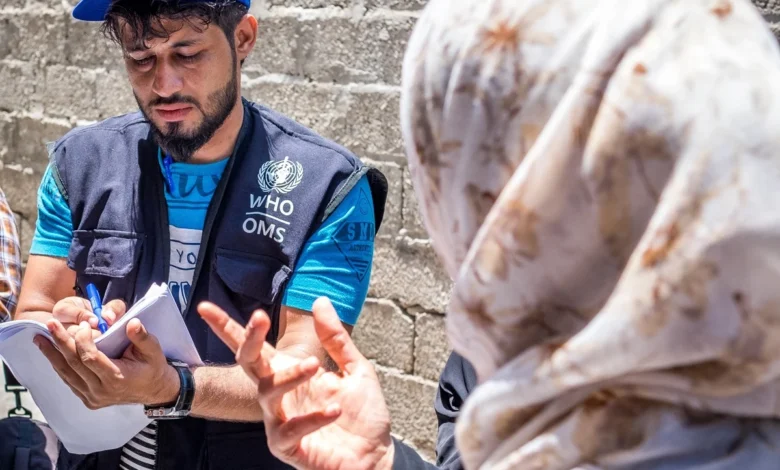
In a decisive move to fortify national health information infrastructures and address critical data deficiencies exposed by the ongoing global health crisis, the World Health Organization (WHO) has officially introduced the SCORE for Health Data Technical Package. Unveiled today, this comprehensive, harmonized resource is designed to assist governments worldwide in collecting, analyzing, and utilizing timely and reliable health data. By bridging systemic gaps that have historically hindered effective disease response and resource allocation, the initiative aims to empower nations to make informed policy decisions, optimize healthcare delivery, and accelerate progress toward global sustainable development targets.
The launch of the SCORE package comes at a critical juncture in modern public health history. As the world continues to grapple with the multifaceted challenges of the COVID-19 pandemic, public health officials, epidemiologists, and policymakers have repeatedly emphasized that timely and accurate data is just as vital to fighting a contagion as medical therapeutics and personal protective equipment.
The Genesis of the Crisis: Data Gaps in the Wake of COVID-19
For decades, international health organizations have warned about the fragility of health information systems, particularly in low- and middle-income nations. While wealthy industrialized nations often possess robust digital infrastructure capable of tracking disease incidence, mortality rates, and healthcare utilization in real-time, many developing countries rely on fragmented, paper-based, or outdated reporting systems.
When the SARS-CoV-2 virus emerged in late 2019 and rapidly evolved into a global pandemic, these underlying vulnerabilities transformed into critical operational bottlenecks. Governments struggled to track infection rates accurately, allocate scarce intensive care unit (ICU) beds, distribute personal protective equipment efficiently, and implement targeted lockdowns or testing strategies. Without reliable baseline data, public health interventions frequently resembled navigating blindfolded through an unfolding crisis.
Recognizing these systemic failures, the WHO’s World Health Statistics 2020 report underscored the urgent, unmet need for standardized tools that could help nations build resilient health information systems from the ground up. The SCORE Technical Package was developed precisely to meet this mandate, serving as a practical, actionable, and flexible roadmap for governments striving to modernize their statistical capabilities.
Deconstructing SCORE: The Five Pillars of Health Data Optimization
At the heart of the newly released technical package is an acronym that outlines the five fundamental requirements for a functioning health information ecosystem: Survey, Count, Optimize, Review, and Enable.
Survey refers to the systematic gathering of population-based data through regular health surveys, tracking risk factors, lifestyle choices, and overall population well-being. This pillar ensures that public health policies are informed by representative samples of the citizenry rather than guesswork.
Count focuses on the mandatory, accurate registration of vital events, specifically births, causes of death, and marriages. In many parts of the world, a significant percentage of deaths go unregistered, obscuring true mortality patterns and preventing epidemiologists from understanding the true burden of specific diseases.
Optimize involves monitoring health service data at the facility level. By streamlining how clinics and hospitals report patient admissions, treatments, and outcomes, health ministries can identify operational bottlenecks, track the spread of infectious diseases, and ensure that resources reach the frontlines where they are needed most.
Review addresses the analytical capacity of health systems. Collecting data is insufficient if nations lack the personnel, software, or institutional frameworks to analyze, interpret, and translate those numbers into actionable health policies. This pillar emphasizes rigorous data quality checks and evidence-based reviews.
Enable encompasses the governance, legislation, infrastructure, and financing required to sustain a national health information system over the long term. Without legal frameworks protecting health data and continuous budgetary commitments, statistical systems inevitably decay.
By integrating more than 90 universally accepted tools and standards into a single, cohesive framework, the SCORE package eliminates the confusion of navigating disparate guidelines from multiple international agencies.
Leadership Perspectives and Global Partnerships
The development and rollout of the SCORE Technical Package represent a collaborative triumph involving the WHO, member states, and philanthropic organizations. Key global health leaders have been vocal in championing the initiative, emphasizing its potential to reshape public health governance for decades to come.
“Countries must be able to measure progress to make progress,” stated WHO Director-General Dr. Tedros Adhanom Ghebreyesus during the virtual launch event. “Particularly during COVID-19, reliable data is the best way to coordinate response efforts and improve health in all areas.”
Dr. Tedros’s sentiments were echoed by Dr. Samira Asma, Assistant Director-General for Data, Analytics and Delivery for Impact at the WHO. Dr. Asma stressed that the margin for error in global public health is rapidly shrinking, particularly as nations endeavor to meet the United Nations Sustainable Development Goals (SDGs) and the WHO’s ambitious Triple Billion targets.
“We must keep score to save lives,” Dr. Asma asserted. “WHO is committed to working with countries and partners to rapidly scale up capacity for data collection and use in order to improve policy and performance. We must act now to invest in statistical systems in countries, respond to this pandemic and meet the SDGs and the Triple Billion targets. Our window of opportunity is closing, and we cannot wait to address data gaps. Data use to address country needs has to be a priority today.”
The implementation of the SCORE package has been made possible, in part, through strategic philanthropic partnerships. The Bloomberg Philanthropies Data for Health Initiative provided critical financial and technical support for the creation of the package, reinforcing a multi-year commitment to strengthening public health data infrastructure across the globe.
“Using data to inform public health priorities and strategies has never been more important,” said Dr. Kelly Henning, Director of Public Health Programs at Bloomberg Philanthropies. “The SCORE Technical Package provides country governments around the world with high-quality, essential technical guidance so that countries can strengthen their own data systems.”
Implications for National Healthcare Systems and Pandemic Preparedness
The long-term implications of the SCORE Technical Package extend far beyond the immediate horizon of the COVID-19 pandemic. While current response efforts necessitated a rapid pivot toward real-time epidemiological tracking, public health experts emphasize that the foundational capacities built today will protect populations against future health emergencies, whether from novel pathogens, antimicrobial resistance, or climate-induced health crises.
Furthermore, the emphasis on disaggregated data—information broken down by age, gender, geographic location, and socioeconomic status—ensures that marginalized and vulnerable populations are no longer rendered invisible in national health statistics. Historically, aggregate national data has often masked severe health disparities within countries, leaving rural communities or impoverished urban enclaves underserved. By providing the tools to map health outcomes with granular precision, SCORE enables ministries of health to practice equitable resource distribution.
Chronology of Data-Driven Health Initiatives
To understand the significance of the SCORE package, it is helpful to place it within the broader historical chronology of global health governance:
- 2015: United Nations member states adopt the 2030 Agenda for Sustainable Development, establishing specific health-related targets under SDG 3 (Good Health and Well-being), which inherently require robust statistical tracking.
- 2018: The WHO launches its Thirteenth General Programme of Work (GPW 13), setting the strategic framework for achieving the "Triple Billion" targets: one billion more people benefiting from universal health coverage, one billion more better protected from health emergencies, and one billion more enjoying better health and well-being.
- Early 2020: The emergence of SARS-CoV-2 exposes profound global disparities in disease surveillance, data collection, and health information infrastructure.
- May 2020: The WHO releases the World Health Statistics 2020 report, detailing persistent global data gaps and laying the analytical groundwork for a standardized technical intervention.
- Late 2020: The WHO formally introduces the SCORE for Health Data Technical Package in partnership with Bloomberg Philanthropies, offering a unified, harmonized toolkit for health information system reform.
Looking Ahead: Future Rollouts and Implementation Milestones
The initial release of the SCORE Technical Package marks only the beginning of a multi-phase rollout. The WHO has confirmed that subsequent components of the package will be published later in the year. These forthcoming additions will include the SCORE Assessment Instrument—a diagnostic tool allowing nations to evaluate their current statistical strengths and weaknesses—alongside comprehensive global, regional, and country status reports.
These future resources will enable governments to benchmark their progress against both national priorities and international standards, ensuring accountability and transparency. As nations continue to navigate the complexities of post-pandemic recovery, the ability to collect, analyze, and act upon reliable data will remain the ultimate litmus test of healthcare resilience.
Ultimately, the WHO’s SCORE Technical Package offers a pragmatic vision for the future of global health: one where no country is left in the dark, where resources are directed precisely where need is greatest, and where every life can be measured, valued, and protected through the power of robust, reliable data.