World Health Organization Launches ‘PROTECT’ Technical Package to Combat Global Drowning Crisis Ahead of World Drowning Prevention Day

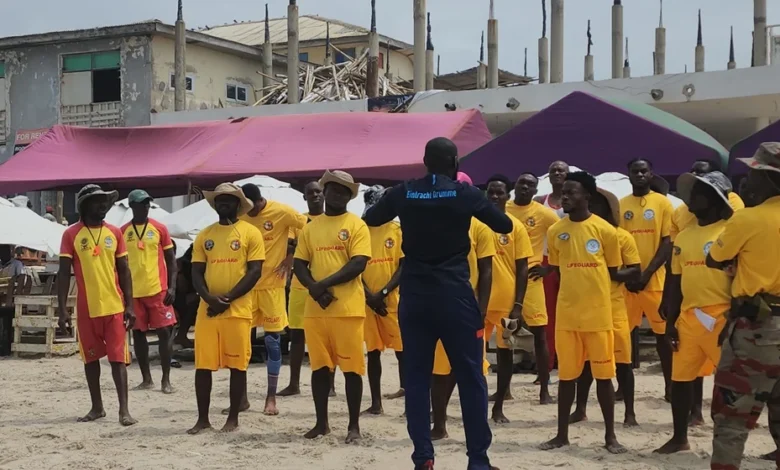
Ahead of World Drowning Prevention Day on 25 July, the World Health Organization (WHO) is launching a comprehensive new technical package designed to equip governments and communities with seven proven strategies to significantly reduce drowning deaths worldwide. This initiative comes at a critical juncture as drowning continues to claim an alarming number of lives annually and is exacerbated by the escalating impacts of climate change.
The Global Scourge of Drowning: A Preventable Tragedy
The statistics surrounding drowning are stark and demand urgent global attention. Each year, an estimated 300,000 people succumb to drowning, making it a leading cause of death globally. The impact is particularly devastating for children, remaining among the ten leading causes of death for those aged 5 to 14 years. These tragic fatalities occur in a variety of settings, from natural water bodies like rivers and lakes to man-made environments such as wells, domestic water storage containers, and swimming pools. The overwhelming majority of these deaths, over 90%, occur in low- and middle-income countries, highlighting a significant disparity in global drowning prevention efforts and resources.
Climate Change: A Growing Threat Multiplier
Adding a critical layer of complexity to the existing drowning crisis is the undeniable impact of climate change. The increasing frequency and intensity of extreme weather events, including floods, storms, and heatwaves, are directly contributing to a heightened risk of drowning. Scientific studies have established a clear and concerning association between rising temperatures and drowning incidents. Research conducted in the United Kingdom, for instance, has revealed a statistically significant increase in drowning deaths correlating with temperature rises. Specifically, for every one-degree Celsius increase in temperature, drowning deaths have been observed to rise by 7.2%. The risk becomes even more pronounced on warmer days, with the likelihood of drowning nearly five times higher on days exceeding 25°C compared to cooler days below 10°C. This phenomenon underscores the urgent need to integrate climate adaptation measures into drowning prevention strategies.
Introducing the PROTECT Strategies: A Framework for Action
In response to this escalating global health challenge, the WHO is introducing the "PROTECT" technical package. This initiative translates the vision of the first-ever Global Strategy for Drowning Prevention, launched in 2025 by the WHO-hosted Global Alliance for Drowning Prevention, into practical, actionable policy guidance. The PROTECT package offers policymakers concrete, evidence-informed recommendations across seven interconnected domains crucial for strengthening safety around water.
Dr. Tedros Adhanom Ghebreyesus, WHO Director-General, emphasized the preventable nature of these tragedies. "Every drowning is a tragedy, and most are preventable," he stated. "The seven PROTECT strategies give countries practical, evidence-based approaches to prevent these tragedies, including making water transport safer, teaching school kids to swim, and preparing for floods. Drowning prevention isn’t the job of one ministry; it belongs to everyone, and the lives it saves are the reward."
The PROTECT strategies, while not fully detailed in the initial announcement, are designed to provide a structured and comprehensive approach to tackling the multifaceted issue of drowning. They are expected to cover areas such as:
- Safe Water Transport: Implementing regulations and safety measures for boats, ferries, and other watercraft, as well as promoting the use of life jackets and other personal flotation devices.
- Swimming and Water Safety Education: Integrating swimming lessons and water safety education into school curricula and community programs, particularly for vulnerable populations.
- Flood Preparedness and Response: Developing robust early warning systems, evacuation plans, and community-based preparedness measures for flood-prone areas.
- Safe Water Storage: Educating communities on the risks associated with open water containers and promoting safe storage solutions, especially in households.
- Hazard Identification and Mitigation: Mapping and addressing common drowning hazards in local environments, such as unsupervised waterways and unsafe swimming spots.
- Post-Incident Care and Surveillance: Improving emergency response services and establishing robust data collection systems to monitor drowning incidents and inform prevention efforts.
- Policy and Legislation: Advocating for and enacting national policies and legislation that prioritize drowning prevention and water safety.
Ghana: A Model for Commitment and Action
The launch of the PROTECT package is being held in Ghana, a nation recognized for its growing political commitment to drowning prevention and its ongoing efforts to enhance water safety. In Ghana, the scale of the problem is significant, with an estimated 1,100 lives lost to drowning annually. This figure translates to an average of three deaths every day, with children and young adults being disproportionately affected. The choice of Ghana for this pivotal launch underscores the country’s emerging leadership in addressing this preventable public health crisis and serves as an inspiration for other governments to adopt similar evidence-based policies.
This initiative in Ghana builds upon more than a decade of dedicated collaboration between the WHO, national governments, and various partners working to advance evidence-based drowning prevention actions globally. The partnership aims to ensure that the strategies outlined in the PROTECT package are not only developed but also effectively implemented and adapted to local contexts.
A Global Call to Unite: Turning the Tide on Drowning
The theme for this year’s World Drowning Prevention Day, "Unite to turn the tide," perfectly encapsulates the urgent need for coordinated and collective action. It emphasizes that preventing drowning is not solely the responsibility of health ministries but requires a multisectoral approach involving education, transportation, environment, and community development sectors, as well as robust engagement from civil society and individuals.
Dr. Kelly Henning, who leads the public health program at Bloomberg Philanthropies, a key partner in this global effort, highlighted the significance of the framework. "This framework will save lives while building on the progress governments around the world are making to prevent drowning deaths in their countries," she remarked. "Bloomberg Philanthropies has worked with governments worldwide to implement proven, effective strategies that reduce drowning deaths. We applaud the World Health Organization for its leadership on this issue and look forward to continuing to support it and local governments as they use the PROTECT technical package."
Bloomberg Philanthropies has been a steadfast supporter of WHO’s drowning prevention initiatives since 2014. Their partnership has been instrumental in developing foundational resources that have guided global best practices for prevention interventions, including the development of the PROTECT technical package itself. This long-standing collaboration signifies a shared commitment to eradicating preventable drowning deaths.
Broader Implications and Future Outlook
The launch of the PROTECT technical package represents a significant step forward in the global fight against drowning. By providing governments with a clear, evidence-based roadmap, the WHO is empowering them to implement effective drowning prevention strategies tailored to their specific needs and contexts. The integration of climate change considerations into this framework is particularly crucial, acknowledging the evolving nature of the risks and the need for adaptive solutions.
The success of this initiative will hinge on several key factors:
- Political Will and Investment: Sustained political commitment and adequate financial investment from national governments will be essential for the effective implementation of the PROTECT strategies.
- Capacity Building: Training and capacity building for local health professionals, community leaders, and policymakers will be crucial to ensure that the strategies are understood and applied correctly.
- Community Engagement: Active participation and ownership by communities are vital for the long-term success of any drowning prevention program.
- Data and Research: Continued investment in data collection, research, and evaluation will be necessary to monitor progress, identify emerging challenges, and refine strategies over time.
- International Cooperation: Strengthening international partnerships and knowledge sharing will enable countries to learn from each other’s experiences and accelerate progress.
As World Drowning Prevention Day approaches, the WHO’s PROTECT technical package offers a beacon of hope. It is a testament to the power of evidence-based interventions and collaborative action in tackling one of the world’s most persistent and preventable public health crises. By uniting to turn the tide, the global community can significantly reduce the devastating toll of drowning and save countless lives for generations to come.