Methane—a colorless, odorless, and highly potent greenhouse gas—has emerged as the second most significant driver of human-induced climate change, trailing only carbon dioxide. While often overshadowed by the global focus on CO2, methane’s unique chemical properties and its prevalence in everything from natural gas infrastructure to livestock digestion make it a critical focal point for scientists and policymakers alike. As the world struggles to meet the 1.5 degrees Celsius warming limit set by the Paris Agreement, the management of methane has transitioned from a secondary concern to a primary climate imperative.
The Chemistry and Origins of Methane
At its core, methane (CH4) is a simple hydrocarbon consisting of one carbon atom bonded to four hydrogen atoms. Its origins are twofold: geological and biological. Geologically, methane is the primary component of natural gas, formed over millions of years through intense heat and pressure applied to organic matter buried deep within the Earth’s crust. Conversely, biological methane—or "biogenic methane"—is produced through methanogenesis, a process in which specialized microorganisms known as archaea break down organic material in oxygen-deprived environments, such as wetlands, the digestive tracts of ruminant livestock, and decaying waste in landfills.

Chronology of Rising Concentrations
The atmospheric concentration of methane has accelerated at an alarming rate since the dawn of the Industrial Revolution. Pre-industrial levels hovered around 722 parts per billion (ppb). By 2023, that number had surged to 1,934 ppb—a 265 percent increase.
The trajectory of this increase reveals a troubling trend:
- 1800–1900: Modest increases driven by early industrial coal mining and agricultural expansion.
- 1950–2000: Rapid acceleration following the post-WWII boom in fossil fuel reliance and industrialized animal agriculture.
- 2000–2020: A period of unprecedented volatility, with satellite data revealing "super-emitter" events—localized, massive leaks from oil and gas fields—that previous ground-level modeling failed to capture.
- 2020–Present: Despite international pledges, atmospheric methane reached record highs in 2023, with scientists noting an "exceptional surge" in emissions from tropical and permafrost-related wetlands.
The Measurement Gap: Bottom-Up vs. Top-Down
Historically, methane inventories relied on "bottom-up" calculations—multiplying the number of cows or the length of a pipeline by an estimated emission factor. However, this method consistently underestimated total output. Modern "top-down" monitoring, utilizing high-altitude aircraft and satellite constellations like GHGSat, has exposed the reality of the "five percent rule." Research indicates that approximately five percent of infrastructure leaks are responsible for more than half of all gas-industry emissions. By incorporating these satellite observations, researchers found that U.S. oil and gas methane emissions were roughly 60 percent higher than the estimates previously reported by the Environmental Protection Agency (EPA).

Climate Impact: Why Methane Matters Now
Methane’s climate impact is defined by a paradox: it is both incredibly dangerous and relatively transient. Over a 20-year period, methane is roughly 86 times more potent at trapping heat than CO2. However, it persists in the atmosphere for only about 12 years, compared to the centuries-long lifespan of carbon dioxide.
This short atmospheric lifespan creates a unique "opportunity window." The Global Methane Assessment by the Climate and Clean Air Coalition concludes that curbing methane is the single most effective strategy for slowing the rate of global heating over the next two decades. The IPCC has calculated that a 34 percent reduction in methane emissions by 2030, relative to 2019 levels, is a mathematical necessity to maintain a viable path toward the 1.5°C goal.
Sectoral Breakdown of Emissions
Human activities account for roughly 60 percent of methane emissions, with the remainder stemming from natural sources. Three primary industries dominate the human-caused share:

1. Agriculture
Accounting for 40 percent of anthropogenic methane, agriculture is the largest human-driven source. Enteric fermentation—the digestive process of cattle, sheep, and goats—generates the majority of this. Additionally, flooded rice paddies create the anaerobic conditions perfect for methanogens. As global meat consumption continues to climb, these emissions are projected to rise by six million metric tons annually by 2030.
2. Fossil Fuels
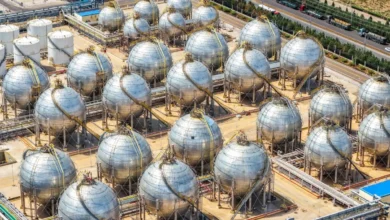
The oil, gas, and coal sectors contribute roughly 35 percent of human-caused methane. Emissions occur through "venting" (releasing unwanted gas during extraction) and "fugitive emissions" (unintentional leaks during transport). The coal industry is a major contributor as well, particularly in underground mines where methane trapped in coal seams is released for safety during ventilation.
3. Waste and Landfills
Waste management is responsible for 20 percent of human-caused methane. As organic material decomposes in landfills and wastewater treatment facilities, it produces significant volumes of gas. This sector is expected to see the most rapid growth in emissions over the next decade due to rising urban populations in developing nations.

The "Bridge Fuel" Fallacy
A significant point of contention in modern climate policy is the status of natural gas as a "bridge fuel." Proponents argue that because burning natural gas releases less CO2 than coal, it serves as a necessary transition energy. However, this argument fails to account for the leakage rate across the entire supply chain. When methane leaks are factored in, the climate warming potential of Liquefied Natural Gas (LNG) over a 20-year period can be 33 percent higher than that of coal. Furthermore, analysis by the U.S. Department of Energy suggests that massive investments in LNG export infrastructure risk locking in fossil fuel reliance for decades, effectively displacing renewable energy projects rather than coal.
Public Health Implications
Beyond climate change, methane acts as a precursor to ground-level ozone. This pollutant is a potent respiratory irritant, contributing to approximately 500,000 premature deaths annually. It also damages crop yields, causing significant economic losses for wheat, soybean, and rice farmers globally. Consequently, methane mitigation is a multi-benefit strategy: it simultaneously stabilizes global temperatures and improves air quality for millions.
Mitigation Strategies: A Path Forward
Existing technologies could cut methane emissions from the primary human-caused sources by 45 percent by 2030. These interventions include:

- Agricultural Reform: Implementing methane inhibitors like 3-NOP or seaweed in cattle feed can reduce enteric emissions by up to 80 percent in some settings. Additionally, shifting from traditional flood-irrigation in rice farming to "alternative wetting and drying" methods can slash methane output by nearly half.
- Fossil Fuel Infrastructure: The International Energy Agency (IEA) estimates that 70 percent of methane emissions from the oil and gas sector could be eliminated using current, cost-effective technologies, such as improved leak detection and the replacement of pneumatic controllers.
- Waste Management: Redirecting organic waste to composting facilities and upgrading wastewater treatment plants to capture biogas can significantly lower landfill-based methane emissions.
Official Responses and International Progress
The 2021 Global Methane Pledge, launched at COP26, marked a diplomatic turning point. With 159 nations now signed on, the commitment to cut emissions by 30 percent by 2030 provides a framework for international accountability. Yet, the gap between ambition and implementation remains vast. In 2024, emissions from the oil and gas sector remained above 120 million metric tons, and as of 2023, only 13 percent of total global methane emissions were subject to any binding emissions-reduction policy.
Analysis and Future Implications
The "wetland methane feedback" presents an additional, complicating variable. As global temperatures rise, tropical and Arctic wetlands are expanding, potentially releasing more methane in a dangerous, self-reinforcing cycle. This highlights the urgency of immediate action. While systemic shifts—such as transitioning to a circular economy and moving away from fossil fuel infrastructure—are essential, the immediacy of methane’s warming potential requires parallel efforts in leak detection and agricultural innovation.
Ultimately, methane management represents a rare intersection of climate necessity and technological feasibility. While the current trajectory remains record-breaking, the ability to curb this potent gas provides a tangible mechanism to prevent the worst effects of climate change. Whether the global community can close the implementation gap between policy pledges and reality will likely determine the success of international efforts to limit planetary warming over the next critical decade.