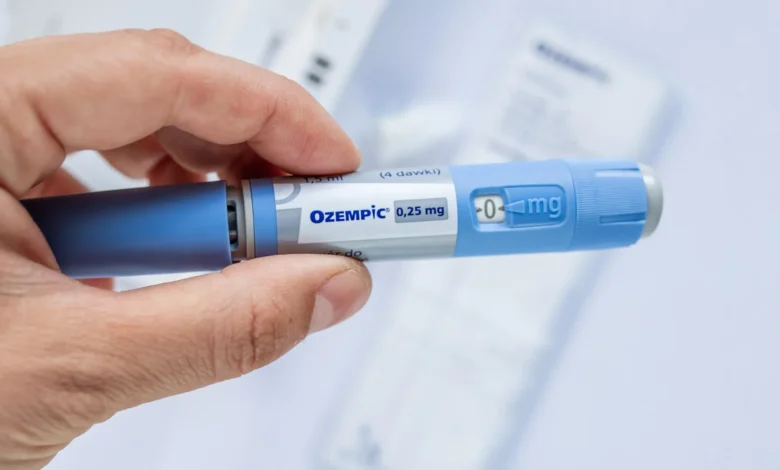
The meteoric rise of glucagon-like peptide-1 (GLP-1) receptor agonists—a class of drugs that includes semaglutide (marketed as Ozempic and Wegovy) and tirzepatide (marketed as Mounjaro and Zepbound)—has fundamentally transformed the landscape of metabolic medicine. Once primarily heralded as breakthroughs for the management of type 2 diabetes, these medications have become global phenomena for their efficacy in weight loss and their demonstrated ability to mitigate cardiovascular risks. However, as approximately one in eight U.S. adults now engages with these therapies, a critical clinical concern has emerged: the stability of the heart-protective benefits once treatment is interrupted or discontinued.
New research conducted by the Washington University School of Medicine in St. Louis suggests that the cardiovascular protection afforded by these medications is not a permanent structural change, but rather a transient state that relies heavily on continuous therapy. The findings, published in the journal BMJ Medicine, indicate that stopping GLP-1 treatment, even for short intervals, can trigger a "metabolic whiplash" that rapidly reverses the heart-health gains patients have worked so hard to achieve.
A Longitudinal Look at Cardiovascular Outcomes
The study, led by Dr. Ziyad Al-Aly, a clinical epidemiologist and chief of the Research and Development Service at the VA Saint Louis Health Care System, analyzed a robust dataset comprising 333,687 U.S. veterans diagnosed with type 2 diabetes. By tracking these patients over a three-year period, the research team sought to compare the long-term cardiovascular outcomes of those who remained on GLP-1 therapy against those who were prescribed sulfonylureas—a traditional class of diabetes medication including glipizide, glimepiride, and glyburide—and those who discontinued their GLP-1 regimen.
The researchers categorized the participants based on their adherence patterns. Among the GLP-1 user cohort, approximately 26% stopped taking the medication entirely during the study period, while another 23% experienced a treatment gap of at least six months before potentially resuming. This high rate of discontinuation—often driven by prohibitive out-of-pocket costs, persistent side effects, or nationwide supply shortages—provided a unique window into the physiological consequences of treatment interruption.
The Chronology of Benefit and Decline
The study’s data reveals a stark correlation between the duration of drug therapy and the level of cardiovascular protection. The most significant benefit was observed among the group that remained on GLP-1 therapy continuously throughout the entire three-year follow-up. This group experienced an 18% reduction in the risk of major adverse cardiovascular events (MACE), including myocardial infarction, stroke, and cardiovascular-related death, when compared to the sulfonylurea group.
However, the protective window narrows significantly when adherence falters:
- The Six-Month Threshold: Even a brief interruption of six months was associated with a 4% to 8% increase in cardiovascular risk compared to continuous users.
- The 18-Month Marker: Patients who discontinued therapy before reaching 18 months of treatment saw their cardiovascular risk reduction benefits essentially vanish, performing no better than those who had been taking sulfonylureas.
- The Two-Year Erosion: For patients who remained off the medication for two years, the risk of heart attack, stroke, and death spiked by up to 22% compared to those who maintained their medication. This effectively erased the cumulative heart-protective advantages previously gained.
Perhaps most concerning to clinicians is the finding that restarting the medication does not guarantee a full restoration of lost benefits. While resuming therapy provides some degree of cardioprotection, it appears that the "metabolic scar" left by the period of discontinuation prevents the patient from regaining the full prophylactic baseline they once enjoyed.
Metabolic Whiplash: Beyond Simple Weight Regain
While the public discourse surrounding GLP-1s has been dominated by the visible impact of weight loss and the subsequent "rebound" weight gain upon cessation, the clinical reality is significantly more complex. Dr. Al-Aly highlights that the metabolic changes occurring internally are far more insidious than the fluctuations on a scale.
"There is enormous exuberance about starting GLP-1 drugs, but not nearly enough attention to what happens when people stop," Dr. Al-Aly noted. When a patient discontinues these medications, the body does not merely revert to its previous weight. Instead, it experiences a systemic resurgence of inflammatory markers, rising blood pressure levels, and adverse shifts in cholesterol profiles. These internal shifts, described by researchers as "metabolic whiplash," are the primary drivers of the elevated cardiovascular risk.
Because these metabolic shifts are often asymptomatic, patients may mistakenly believe their heart health remains protected long after they have stopped the medication. The research underscores that cardiovascular protection is a cumulative, ongoing process that is easily disrupted.
Clinical and Systemic Implications
The findings from the Washington University team carry significant weight for healthcare policy and patient counseling. As GLP-1s become a standard of care for chronic metabolic diseases, the medical community must transition from a "start-and-stop" mentality to a chronic disease management model.
Dr. Al-Aly argues that clinicians must treat adherence to GLP-1 therapy as a clinical outcome as critical as A1C levels or blood pressure readings. This requires a systemic shift in how healthcare providers manage these patients. Recommendations for health systems include:
- Proactive Side-Effect Management: Early and aggressive management of gastrointestinal side effects to prevent patients from abandoning the drug out of discomfort.
- Long-Term Counseling: Setting realistic expectations with patients that these medications are intended for long-term, perhaps indefinite, use to manage chronic conditions.
- Financial Infrastructure: Addressing the prohibitive cost barriers that force many patients into gaps of care.
- Monitoring Systems: Implementing digital health infrastructure to identify patients at high risk of dropping off their medication regimen before they actually do so.
Broader Context and Limitations
It is important to view this study within the context of its population. The data was derived from a veteran cohort, which is predominantly male and carries a specific set of comorbidities associated with age and military service. While the scale of the study (over 333,000 participants) provides immense statistical power, future research will need to determine if these findings hold across broader, more diverse demographics, including younger populations and those without type 2 diabetes who are taking the drugs strictly for weight management.
Furthermore, while the research provides a clear association between drug cessation and cardiovascular risk, it serves as an observational study. While the researchers accounted for various confounding factors, the study design cannot definitively prove causality in every instance. Nevertheless, the strength of the trend—showing a clear dose-response relationship between time off the drug and cardiovascular risk—presents a compelling argument for the necessity of continuous therapy.
Conclusion: A Shift in Patient Care
The "GLP-1 era" has provided clinicians with a powerful tool to combat the dual crises of obesity and diabetes-related cardiovascular disease. However, this study serves as a sobering reminder that there is no shortcut to metabolic health. The medication’s protective effects on the heart are not a "vaccine" that confers lasting immunity; they are a continuous intervention that must be maintained.
As healthcare providers and policymakers grapple with the logistics of scaling these treatments, the focus must shift from the initial success of starting therapy to the long-term, sustainable support of patients remaining on it. Without such a focus, the medical community risks a future where patients cycle through periods of improved health followed by sudden, dangerous reversals—a pattern that places an unnecessary and avoidable burden on the cardiovascular system. For now, the takeaway for patients and practitioners alike is clear: if the goal is long-term heart protection, the medication is not a temporary bridge, but a permanent pillar of treatment.