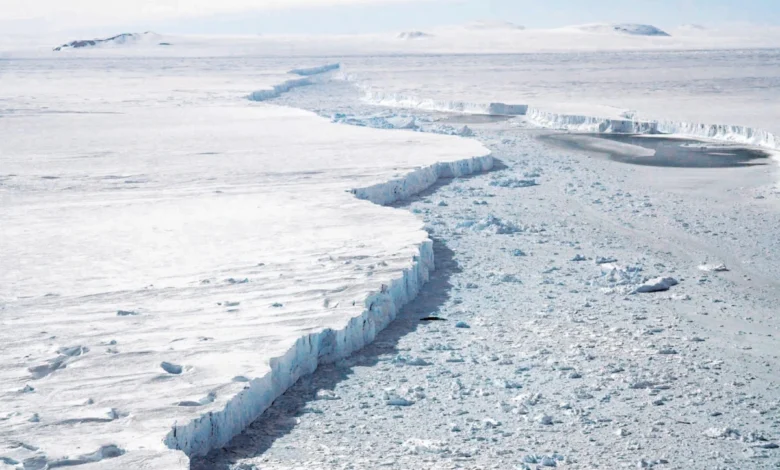
The current findings are categorized as provisional, as the NSIDC emphasizes that the southern polar region is prone to volatile shifts in ice distribution during the transition from winter to spring. However, the consistent recurrence of low-ice years in the last half-decade has shifted the conversation from natural variability toward the potential for a fundamental structural shift in the Antarctic climate system.
A Chronology of Polar Decline
The historical context of these measurements is essential to understanding the severity of the current trend. For decades, Antarctic sea ice was characterized by a period of relative stability, and in some instances, slight growth, which distinguished it from the rapid and well-documented decline of Arctic sea ice. However, the last several years have broken this pattern.
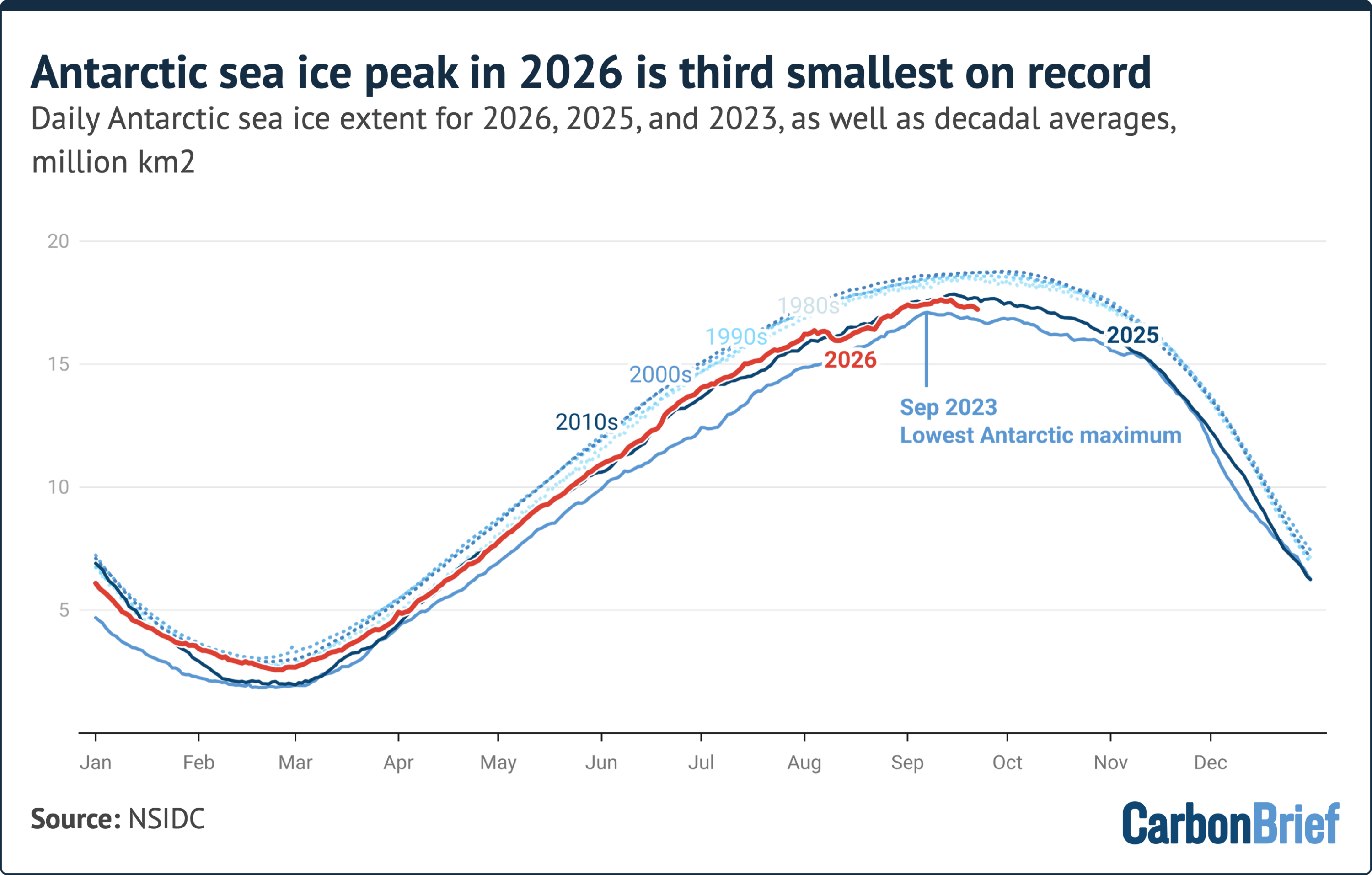
In 2023, the Antarctic witnessed its smallest winter sea-ice maximum in the 48-year satellite record, a milestone that sent shockwaves through the scientific community. The 2026 data, while not reaching the extreme low of 2023, continues a troubling trajectory. July and August of 2026 recorded the fifth and fourth lowest extents for those respective months, highlighting that the deficiency is not merely a localized or temporary event, but a sustained phenomenon. Alarmingly, every one of the five lowest July extents has been recorded since 2022, and every one of the four lowest August extents has occurred since 2023.
Regional Disparities and Atmospheric Drivers
The mechanics of ice loss in the Southern Ocean are complex, involving a delicate interplay between oceanic currents, surface winds, and atmospheric pressure. Dr. Clare Eayrs, a postdoctoral researcher at the Korea Polar Research Institute (KOPRI), notes that the regional distribution of ice underwent substantial transformations throughout the 2026 growth season.
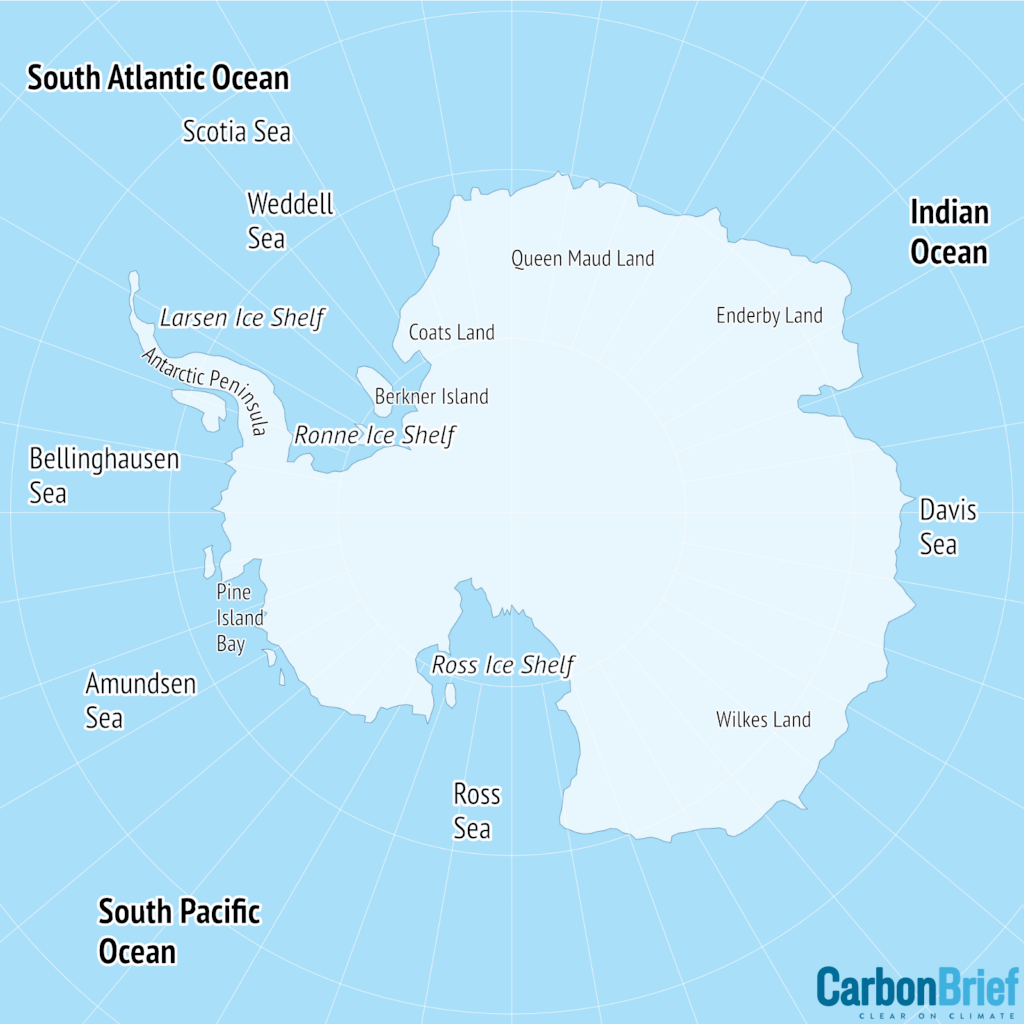
During the early stages of the winter, the Bellingshausen Sea remained largely ice-free, a departure from typical conditions. Conversely, the adjacent Amundsen Sea experienced higher-than-normal ice concentration. By late August, these patterns inverted due to shifting atmospheric pressure systems. The Bellingshausen Sea saw a partial recovery, while the Amundsen Sea and large swaths of East Antarctica experienced a pronounced scarcity of ice. This geographic "seesaw" effect demonstrates that while the overall trend is downward, the localized impact is dictated by transient weather events that are becoming increasingly difficult to decouple from broader, human-induced warming.
The Arctic Context: A Simultaneous Crisis
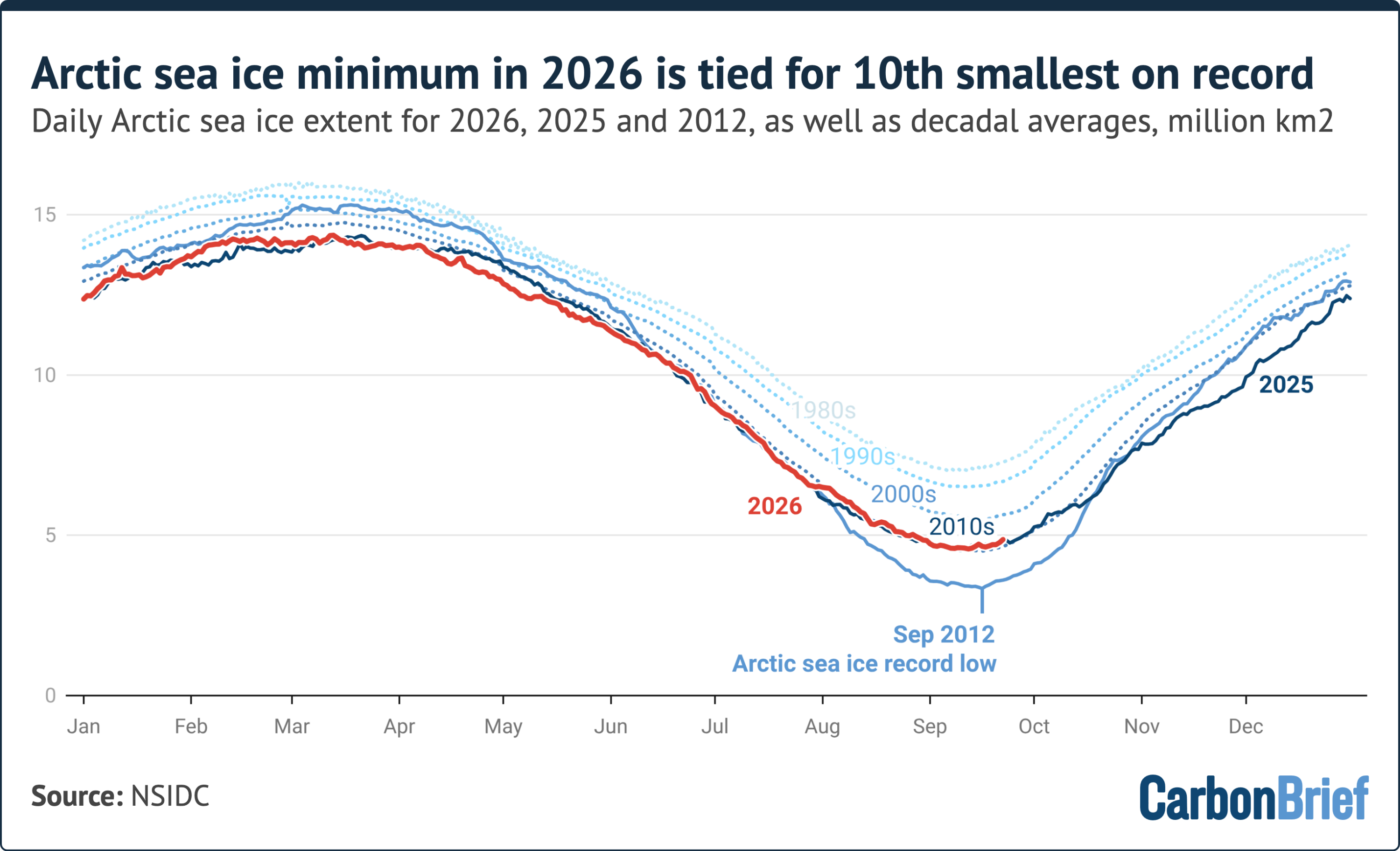
While the Antarctic struggles with its winter maximum, the Arctic reached its annual summer minimum on September 12. At 4.60 million square kilometers, the Arctic extent for 2026 ties with 2008, 2010, and 2025 as the 10th-lowest on record. While this is not a record-breaking year for the North Pole, it maintains a trajectory that has seen the 20 lowest Arctic sea ice extents in history all occur within the last 20 years.
Dr. Lettie Roach of the Alfred Wegener Institute notes that while the Arctic minimum is not record-setting, it remains lower than any measurement taken prior to 2007. The Arctic, unlike the Antarctic, has shown a clear, long-term thinning of ice cover, a process fundamentally altered by human-caused climate change. The loss of multi-year, thick ice has rendered the Arctic environment more susceptible to seasonal temperature spikes, creating a feedback loop of accelerated melting.
Scientific Challenges and Data Gaps
The ability to track these changes is currently facing institutional headwinds. A critical development in March 2026 saw the National Oceanic and Atmospheric Administration (NOAA) terminate a primary global air pressure dataset. This data was essential for the Pan-Arctic Ice Ocean Modeling and Assimilation System (PIOMAS), which scientists have used since 1979 to track sea ice volume and thickness.
The loss of this input has forced a suspension of PIOMAS updates. The program’s administrators have indicated that finding a viable alternative—and securing the necessary funding to recalibrate the model—will be a time-consuming process. This creates a significant "blind spot" in climate monitoring, at a time when precision is required to determine whether the recent Antarctic ice volatility represents a permanent state change or an extreme manifestation of natural cycle fluctuations.
Expert Analysis: Variability vs. Structural Shift
The prevailing question among polar scientists is whether the current state of the poles represents a new, permanent regime. Dr. Zack Labe of Climate Central warns that the absence of a new record in the Arctic does not imply resilience. He points to the 2026 summer as an example of how "lucky" meteorological conditions—specifically low-pressure systems that brought cloudier, cooler air to the central Arctic—can temporarily mask the underlying trend of decline.
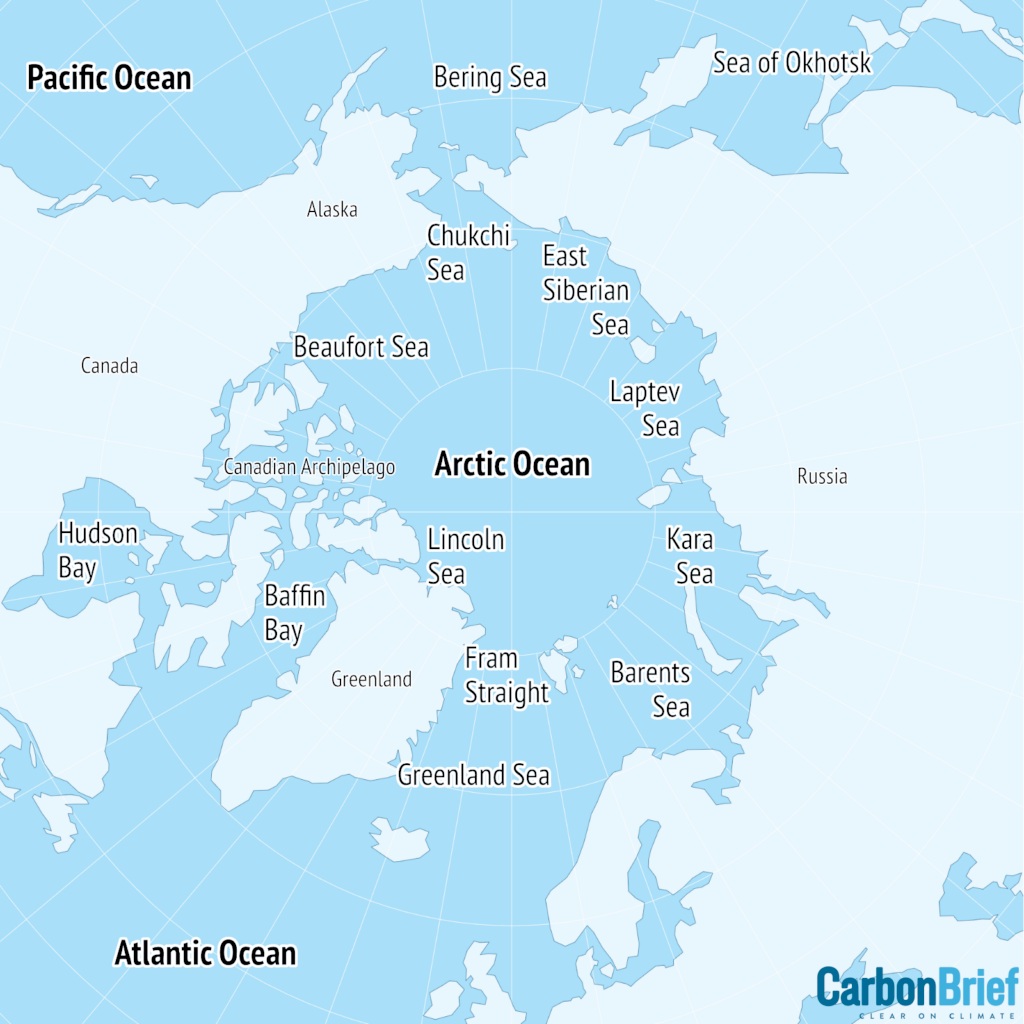
"Local weather patterns play a significant role in year-to-year extent," Labe explains. In the Beaufort and Chukchi seas, for example, the melt season was delayed by two weeks due to these cooling patterns. Yet, just a few thousand miles away, the Barents Sea experienced its earliest melt-out on record, driven by sustained temperatures more than 5°C above the 1981-2010 average.

This dichotomy illustrates the difficulty of attributing specific events to climate change. In the Arctic, the signal of human-caused warming is robust and clear. In the Antarctic, the signal is muddied by massive internal variability, such as the Southern Annular Mode and the influence of the El Niño-Southern Oscillation. However, as Dr. Roach notes, the persistence of these low values is "concerning," and the scientific community is now calling for a shift in focus toward metrics beyond simple extent, such as ice thickness and volume, to better understand the health of the global cryosphere.
Broader Implications for Global Climate
The decline of sea ice, both north and south, has implications that extend far beyond the polar circles. Sea ice acts as a global thermostat, reflecting solar radiation back into space through the "albedo effect." As white ice is replaced by dark, open ocean, the planet absorbs more heat, further accelerating global temperature rise.

Moreover, the destabilization of Antarctic ice shelves, often driven by the loss of the "buttressing" sea ice that holds them back, poses a long-term risk to global sea levels. Recent studies have already begun to quantify the link between warming oceans and the accelerated retreat of massive glaciers, such as the Pine Island Glacier.
As 2026 draws to a close, the data serves as a stark reminder of the fragility of Earth’s polar regions. While researchers emphasize the need for caution in labeling these events as "structural shifts" without years of further observation, the recurring nature of the low-ice anomalies is undeniable. The scientific consensus remains that while natural variability dictates the day-to-day fluctuations, the "baseline" upon which these fluctuations occur is being shifted toward a warmer, less icy future by anthropogenic factors. The coming years will be critical in determining whether the global climate system has reached a tipping point, or if the current volatility is merely a prologue to a more rapid period of environmental transformation.