New UCLA study suggests the pace of brain aging may be connected to bacteria in the gut and the chemical compounds they produce

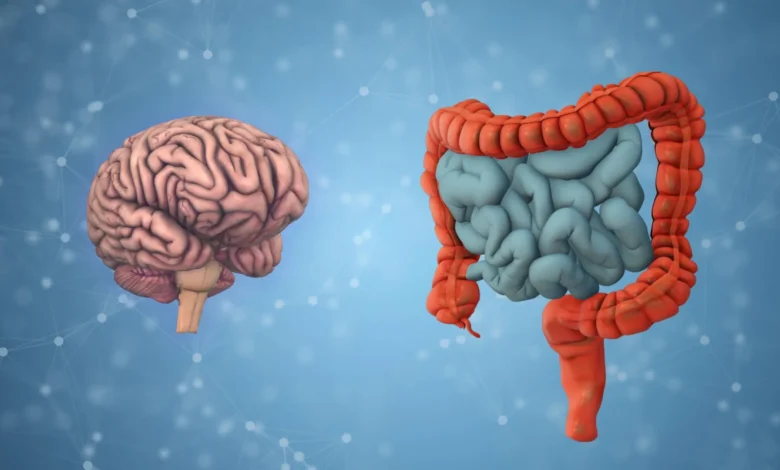
The landscape of neurological research has undergone a seismic shift as investigators move beyond traditional observations of aging to examine the microscopic architects of cognitive decline. A groundbreaking study conducted by researchers at UCLA Health has identified a potential, previously under-researched link between the human gut microbiome and the biological velocity at which the brain ages. By analyzing nearly 1,500 adults, the research team has established that the "Brain Aging Index" (BAI)—a metric quantifying the disparity between chronological age and the functional age of the brain—is intrinsically tied to the metabolic byproducts of gut bacteria. This discovery suggests that the structural and functional changes in the brain that precede memory loss and cognitive impairment may be detectable decades earlier than previously assumed, rooted in the complex chemical environment of the digestive system.
Chronology of Brain Aging Research
For decades, the standard for assessing brain health was largely reactive. Clinicians and researchers primarily utilized magnetic resonance imaging (MRI) and cognitive assessment batteries only after a patient began exhibiting symptomatic decline, such as memory lapses, confusion, or executive dysfunction.
In the late 20th and early 21st centuries, the emergence of "brain age" modeling changed the paradigm. Researchers began using machine learning algorithms to analyze resting-state functional connectivity—the way different regions of the brain communicate when the individual is not performing a specific task. By training these models on thousands of healthy brain scans, scientists could calculate a "predicted brain age." If a 40-year-old individual displayed connectivity patterns typical of a 60-year-old, that individual was flagged as having an accelerated brain age.
Until recently, however, these longitudinal studies focused heavily on elderly populations or those already diagnosed with neurodegenerative disorders like Alzheimer’s or Parkinson’s disease. The UCLA study, published in the journal eBioMedicine, marks a departure from this focus by systematically analyzing younger, ostensibly healthy adults, thereby expanding the window of observation for potential early-life interventions.
Methodological Framework: Quantifying the Brain Aging Index
To conduct this comprehensive analysis, the research team at UCLA Health utilized a robust sample size of 1,500 participants, segmented into three distinct groups to ensure data reliability and diversity. The team employed a functional connectivity mapping approach. By observing the brain at rest, the researchers were able to measure the temporal synchronization of neural oscillations across disparate regions.
The researchers fed this data into a sophisticated computer model designed to identify the "signature" of aging. By comparing the output of this model to the chronological age of the participants, they derived the Brain Aging Index (BAI). A positive BAI indicates that the brain’s functional network appears older than the person’s actual years, while a negative BAI suggests a younger, more resilient network.
The study found a consistent correlation: participants with a higher BAI demonstrated measurable deficits in working memory and executive function. These cognitive domains, which govern the ability to retain information, focus on tasks, and organize complex thought, are often the first to show degradation in the early stages of cognitive decline. Furthermore, the findings linked higher BAI scores to increased self-reported symptoms of depression, particularly in areas of the brain involved in self-referential thought—the neural pathways that dictate how an individual processes their own identity and past experiences.
The Gut-Brain Axis: A Metabolic Connection
Perhaps the most significant contribution of the UCLA study is its integration of microbiome analysis. For one of the three study cohorts, researchers collected and analyzed stool samples to map the gut’s microbial composition. This represents a burgeoning field of science known as the gut-brain axis, which posits that the gastrointestinal tract and the central nervous system are in constant bidirectional communication.
The study identified specific bacterial strains and metabolic byproducts that correlate with a higher BAI. Notable among these were specific fat molecules, a cholesterol-related compound, and a significant decrease in estetrol—a hormone typically associated with estrogen-related pathways. The biological implications of these markers are profound. These metabolites appear to influence the immune system, the structural integrity of the blood-brain barrier, and the efficiency of mitochondrial energy production within neurons.
When gut bacteria produce an imbalance of these compounds, it may trigger chronic, low-grade systemic inflammation. If this inflammation persists, it could impair the metabolic efficiency of brain cells, leading to the accelerated "aging" observed in the functional MRI scans. This discovery moves the conversation from vague notions of "gut health" to specific, measurable biomarkers that could one day be diagnostic targets.
Expert Perspectives and Official Implications
Dr. Arpana Church, the study’s senior author and co-director of the Goodman-Luskin Microbiome Center at UCLA Health, emphasized that the findings challenge the inevitability of cognitive decline. "Brain aging doesn’t suddenly begin when we get older, but the biological signals may be detectable decades earlier," Dr. Church stated.
The implications for clinical practice are substantial. If a person’s risk for cognitive decline can be identified through a combination of neuroimaging and gut microbiome profiling in their 30s or 40s, the potential for preventative medicine increases exponentially. Medical professionals could theoretically intervene through dietary modifications, prebiotic or probiotic supplementation, or targeted metabolic therapies long before irreversible neuronal damage occurs.
Other researchers in the field of gerontology and neurology have noted that while the study is correlational, the strength of the association warrants a shift in how we view the "aging clock." If the gut is indeed a primary engine for brain aging, then the standard approach of focusing exclusively on the brain as a closed system is incomplete.
Broader Impact and Future Directions
The data provided by the UCLA team invites a re-evaluation of lifestyle factors. Diet, stress, and medication use are known to alter the microbiome significantly. If the composition of the gut microbiota influences the rate of brain aging, then public health initiatives aimed at promoting gut health—such as increased fiber intake, reduction of processed sugars, and the management of chronic stress—could be rebranded as critical strategies for neuroprotection.
However, the researchers caution that this is only the beginning. Further studies are required to determine causation. Does an altered gut microbiome cause the brain to age faster, or does an aging brain alter the gut environment? Longitudinal studies tracking the same individuals over several decades will be necessary to confirm the directionality of these relationships.
Furthermore, the complexity of the microbiome—which comprises trillions of bacteria, fungi, and viruses—presents a significant challenge for standardized diagnostics. A "healthy" microbiome may vary significantly from one individual to another, influenced by genetics, geography, and personal history. Translating these findings into a clinical tool will require large-scale validation across diverse populations to ensure that the BAI and its associated microbial markers remain accurate across different demographics.
Conclusion
The UCLA Health study provides a compelling roadmap for the future of neurological health. By bridging the gap between the gut and the brain, it offers a new framework for understanding the biological mechanics of aging. While we are currently in the early stages of identifying these pathways, the ability to detect the subtle, microscopic signs of cognitive drift decades before they manifest as clinical symptoms offers a hopeful prospect for future interventions. As research continues to refine our understanding of the gut-brain axis, the goal of "healthy brain aging" may eventually move from a passive aspiration to an active, manageable, and measurable outcome of modern medical care.
Related posts: