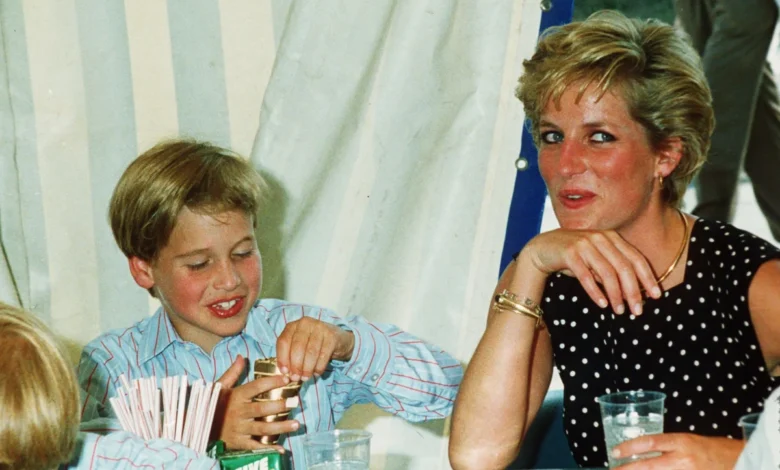
Prince William’s recent philanthropic endeavors have taken on a deeply personal resonance, allowing the future monarch to forge a profound connection with children navigating challenges remarkably similar to those he faced following the tragic death of his mother, Princess Diana. In the newly released BBC documentary Thank You Sir Kev, the Prince of Wales opens up candidly about his early experiences with grief and how navigating profound personal loss during his formative years has fundamentally shaped his approach to supporting young people experiencing the death of a parent.
The television special serves as a tribute to former rugby league player Kevin Sinfield, whose tireless fundraising and advocacy campaigns for motor neurone disease (MND) research have captured international attention. Sinfield’s mission began in 2019 following the devastating diagnosis of his close friend and former Leeds Rhinos teammate, Rob Burrow. The documentary highlights not only Sinfield’s extraordinary athletic feats of endurance—undertaken to raise millions of pounds for MND research and care facilities—but also the deeply human bonds formed between the athletes, their families, and senior members of the British royal family.
A Shared Burden of Loss: From Headingley to Seacroft Hospital
The chronology of this impactful partnership stretches across several years of public resilience and private solidarity. In 2019, Rob Burrow was diagnosed with motor neurone disease, a rapidly progressive neurodegenerative condition that attacks the nerves in the brain and spinal cord, eventually causing muscle weakness, loss of mobility, and respiratory failure. Despite the grim prognosis, Burrow became an inspirational public figure, tirelessly campaigning alongside Sinfield to improve care options for others suffering from the condition.
The connection between the royal family and the Burrow family deepened significantly over time. In early 2024, Prince William met with Rob Burrow, his wife Lindsey, and their three young children at Headingley Rugby Stadium in Leeds to celebrate their advocacy and present them with honors. Just months later, in June 2024, Rob Burrow passed away at the age of 41, eliciting nationwide mourning and a deeply personal response from the Prince of Wales.
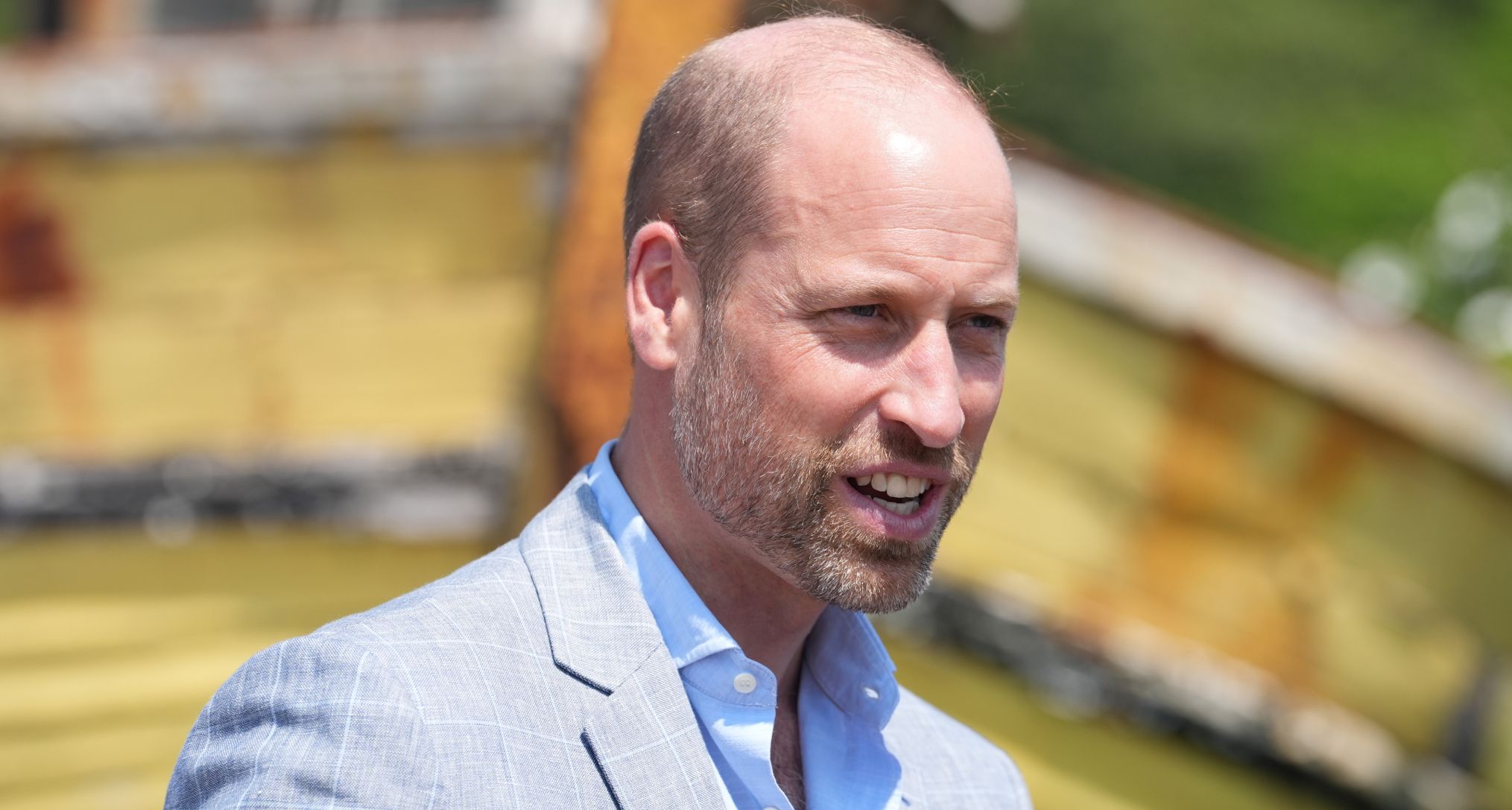
Upon learning of Burrow’s passing, Prince William reached out directly to Lindsey Burrow and her children. Drawing upon his own lived experience of losing a mother at a young age, the prince wrote a heartfelt letter of condolence. William was only 15 years old when Princess Diana died tragically in a car crash in Paris on August 31, 1997—an event that shocked the global community and left an indelible mark on the young princes. In his communication with the Burrow family, William offered words of comfort, emphasizing that acknowledging grief openly is vastly preferable to ignoring it.
The Power of Acknowledging Grief
Reflecting on the nature of mourning during his appearance in Thank You Sir Kev, Prince William offered poignant insights into how society handles bereavement. "Everyone grieves differently, and every circumstance is different, so you need to take your time over it," the prince stated in the documentary. "It’s always better to say something around grief than it is to ignore it."
This philosophy has increasingly defined William’s public platform, which frequently intersects with mental health advocacy, youth support systems, and bereavement charities such as Child Bereavement UK, of which he has long been a patron. Royal commentators and mental health experts have noted that William’s willingness to discuss his mother’s death helps break longstanding cultural stigmas surrounding male mental health and juvenile bereavement, modeling healthy emotional processing for the public.
Closing the Circle: The Rob Burrow Centre for MND
The culmination of this shared journey occurred in November 2025, when Prince William traveled to Leeds to officially open the Rob Burrow Centre for Motor Neurone Disease at Seacroft Hospital. The facility, made possible through millions of pounds in charitable donations spearheaded by Sinfield and supported by regional health trusts, represents a monumental leap forward in patient care for individuals battling the terminal illness.
For Prince William, participating in the opening was more than a routine royal engagement; it was an emotional milestone. Reflecting on his involvement with the Burrow family and the creation of the center, William described the experience as uniquely fulfilling.

"It was very emotional, actually, and, for me, doing personal, emotional work is more fulfilling," the prince shared in the documentary. "For Lindsey, Rob and the family to ask me to come up and open the centre was not only very personally rewarding for me, but really important that that circle was closed, and I really wanted to honor that."
Broader Impact and Implications for Modern Philanthropy
The integration of personal vulnerability into modern royal philanthropy marks a distinct evolution in how the British monarchy connects with the public. Historically, royal patronage has often maintained a degree of formal distance, emphasizing institutional duty over personal narrative. However, under the leadership of Prince William and Catherine, Princess of Wales, public engagements increasingly reflect authentic shared experiences, particularly in the realms of mental health, early childhood development, and palliative care.
By aligning himself with grassroots initiatives like those led by Kevin Sinfield and the Burrow family, Prince William demonstrates a strategic shift toward impact-driven philanthropy. The visibility brought by the BBC documentary and royal endorsements ensures sustained funding, legislative attention, and public awareness for conditions like motor neurone disease, which historically lacked the high-profile advocacy enjoyed by other major medical research areas.
Furthermore, William’s public framing of grief provides a therapeutic blueprint for families undergoing trauma. By validating the complex, non-linear nature of loss, the future king continues to transform his private tragedy into a public resource, ensuring that the legacy of Princess Diana’s compassionate humanitarianism endures through practical, empathetic support for the next generation.