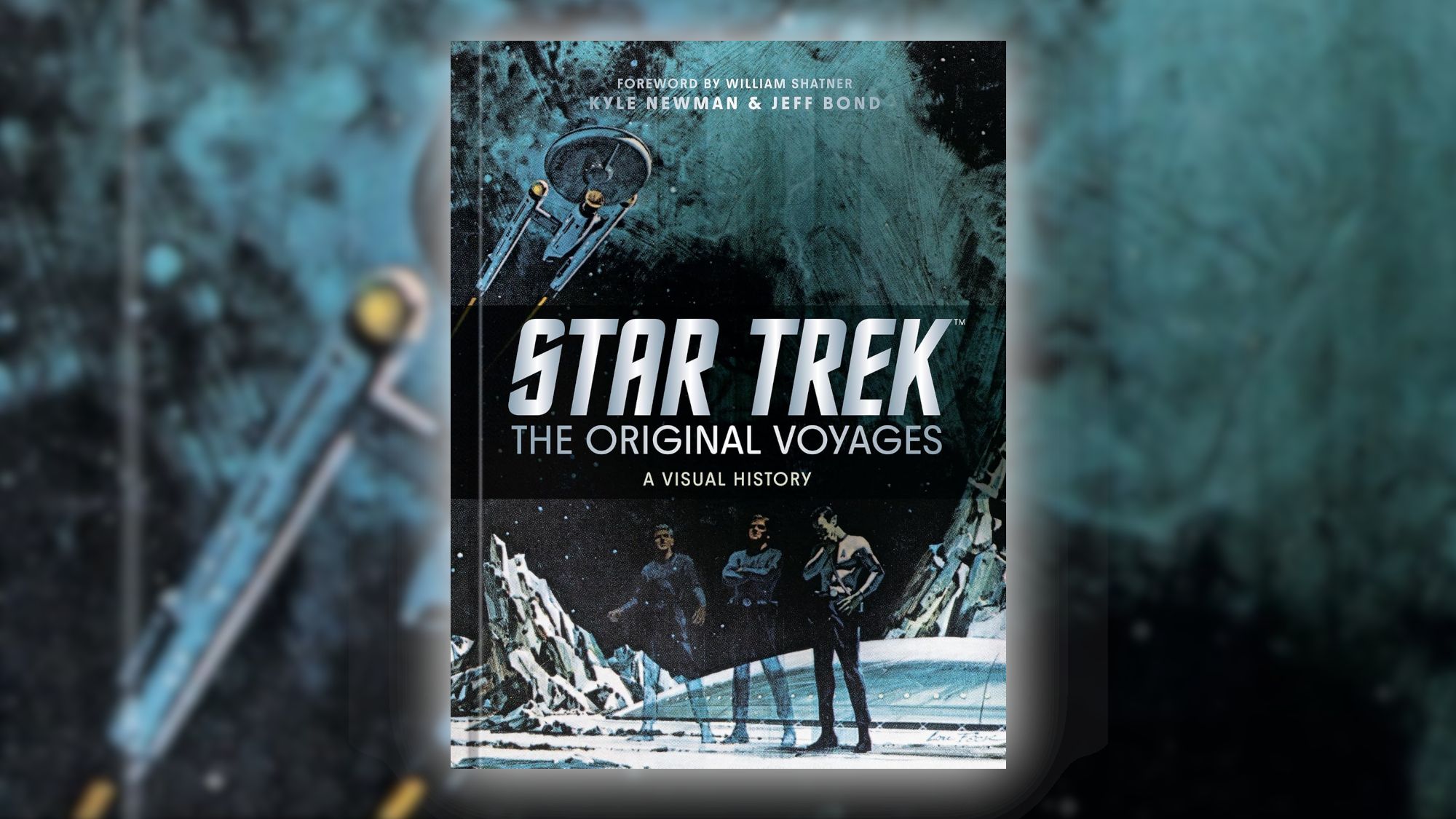
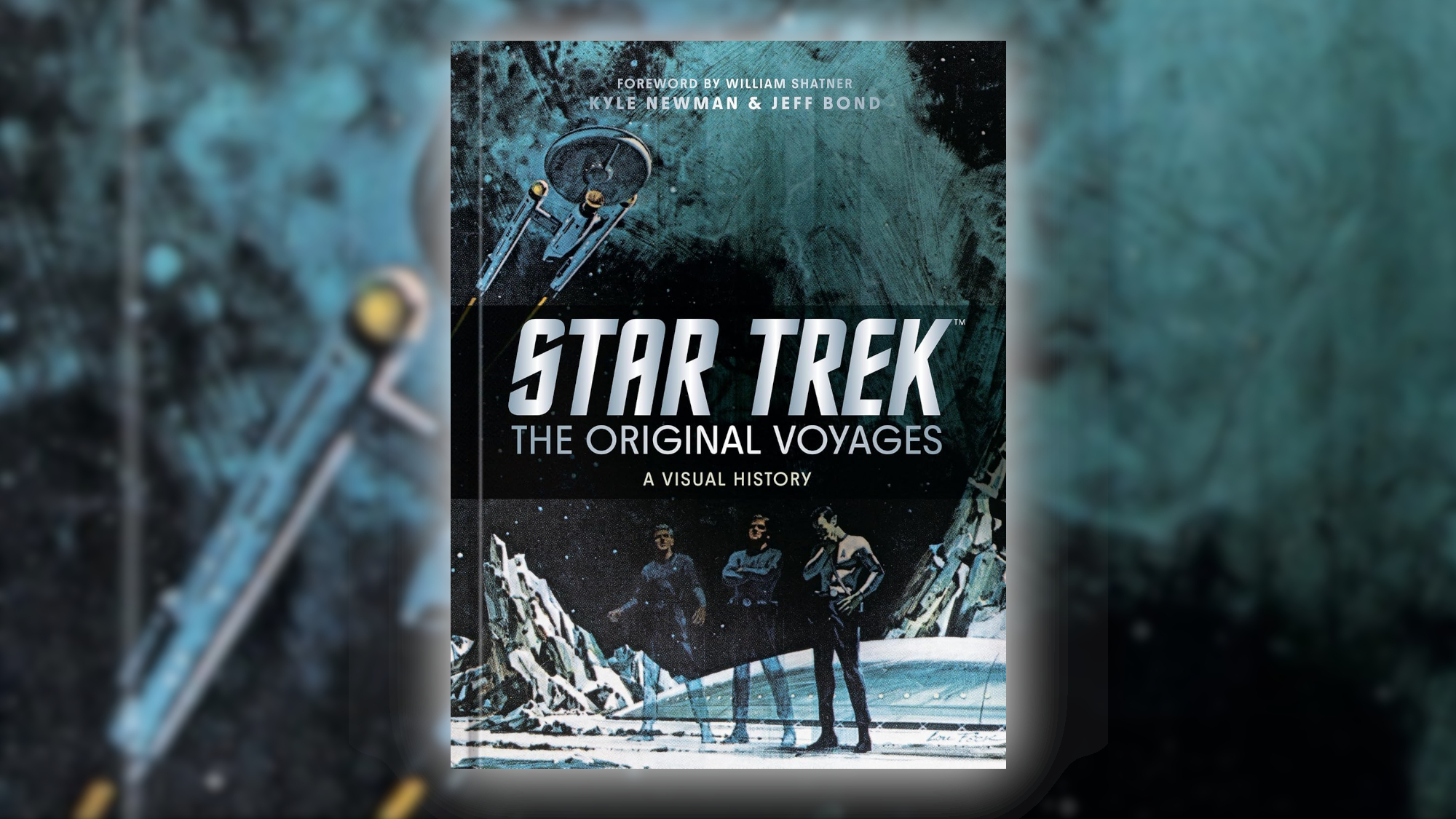
Star Trek The Original Voyages A Visual History offers a definitive retrospective on the franchise that defined space exploration in popular culture

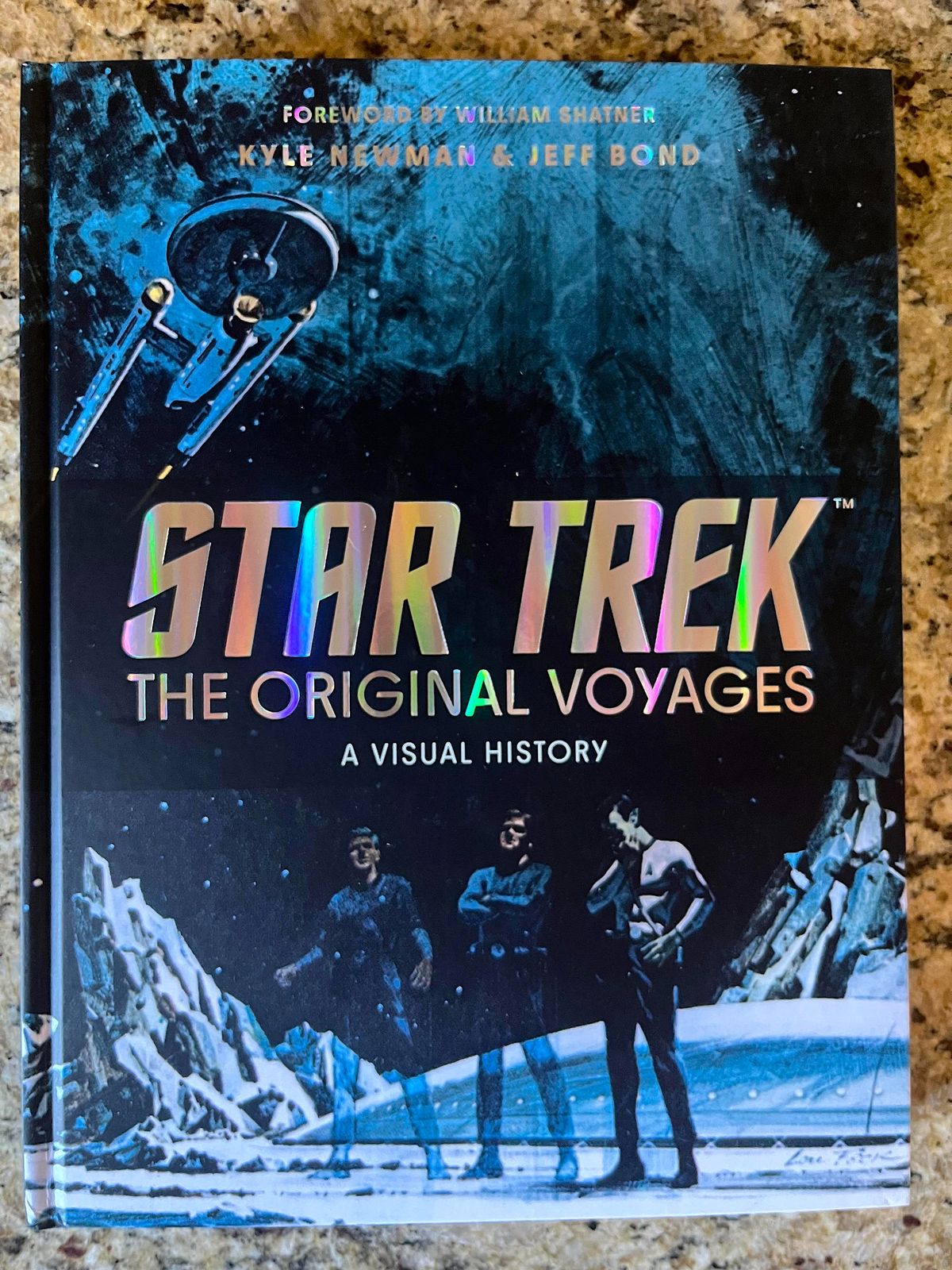
The enduring legacy of the Star Trek franchise, which officially celebrated its 60th anniversary in September 2026, continues to expand through both cultural influence and physical media. As part of the ongoing commemoration of the series’ diamond jubilee, Penguin Random House and Ten Speed Press have announced the upcoming release of Star Trek: The Original Voyages: A Visual History, scheduled for publication on November 10, 2026. This comprehensive 416-page hardback, authored by Kyle Newman and Jeff Bond, serves as a significant archival effort to document the foundational years of a property that fundamentally altered the landscape of science fiction television and cinema.
A Chronology of a Cultural Phenomenon
To understand the weight of this new publication, one must revisit the humble origins of the franchise. When Gene Roddenberry’s Star Trek first aired on NBC on September 8, 1966, the television landscape was dominated by Westerns and variety shows. The concept of a multiracial, multinational crew exploring the galaxy on the U.S.S. Enterprise was, at the time, a radical departure from mainstream narrative norms. Despite its initial struggle for ratings, leading to a cancellation after three seasons and 79 episodes, the series found an unprecedented second life in syndication during the 1970s.
The timeline of the franchise is defined by several critical inflection points that this new book seeks to catalog:
- 1966–1969: The original three-season run establishes the core archetypes and the “Wagon Train to the Stars” format.
- 1973–1974: The Animated Series expands the reach of the original crew, introducing new worlds that budgets previously prohibited.
- 1979–1991: The film era, beginning with Star Trek: The Motion Picture and concluding with Star Trek VI: The Undiscovered Country, shifts the franchise from television to the global cinema stage.
- 2026: The 60th anniversary year marks a massive resurgence in interest, highlighted by new documentaries, global fan events, and this exhaustive visual retrospective.
Unprecedented Archival Access
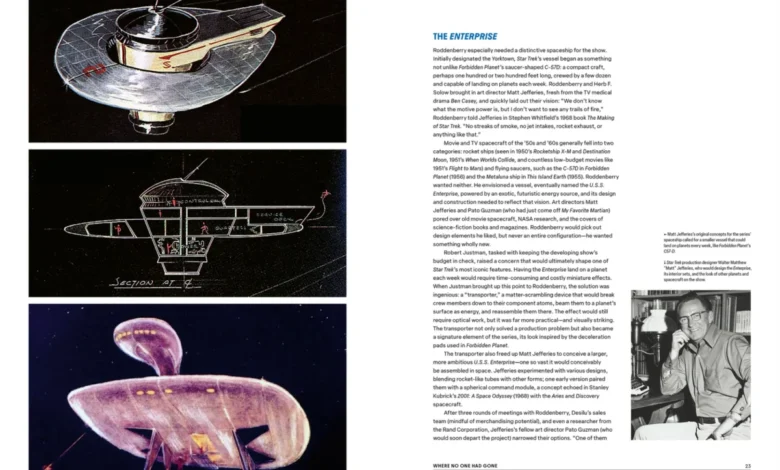
The significance of Star Trek: The Original Voyages lies in its scope and access. While numerous books have explored individual seasons or specific films, this volume serves as the first entry in a two-part series designed to provide a holistic view of the franchise’s history. By incorporating a wealth of previously unseen ephemera—including original storyboards, candid behind-the-scenes photography, costume schematics, and detailed looks at filming models—the authors aim to provide a technical and historical record for serious collectors.
The inclusion of peripheral media is a particularly notable feature. The book does not merely focus on the screenplays and the actors; it documents the explosion of “Trek-mania” that occurred in the 1970s and 80s. This includes the massive output of licensed merchandise, ranging from Mego action figures and board games to comic books and promotional roadshows. By documenting these items, Newman and Bond are capturing the commercial ecosystem that kept the franchise alive during the years when no new television episodes were being produced.
The Impact of Roddenberry’s Vision
The broader implications of Star Trek’s 60-year lifespan cannot be overstated. When the series debuted, the space race was in its infancy. Star Trek provided a optimistic, albeit complex, vision of humanity’s future in the stars. Sociologists have frequently pointed to the show’s diverse bridge crew as a pivotal moment in American television history, normalizing the idea of international cooperation in space.
The "Great Bird of the Galaxy," Gene Roddenberry, utilized the medium to explore contemporary social issues—such as racial inequality, the Cold War, and authoritarianism—under the guise of interstellar allegory. The new book examines how these narrative choices influenced not only the writers who followed, but also the real-world scientists, engineers, and astronauts who have cited the show as a primary inspiration for their careers. The retrospective analysis within the book suggests that the show’s longevity is not merely a result of its aesthetic or its technical innovations, but of its unwavering moral framework.
Technical Specifications and Collector Value
For the prospective reader and collector, the volume is designed as a centerpiece. At 416 pages, the hardback is formatted as a coffee table edition, emphasizing high-quality paper stock and high-resolution printing to ensure that archival photos and concept art are rendered with maximum clarity. The reflective lettering on the cover is a stylistic nod to the futuristic aesthetic of the series, intended to appeal to the "Trekkie" demographic that has sustained the brand for six decades.
Industry analysts suggest that the market for high-end retrospective books remains robust, particularly for legacy franchises that have successfully transitioned through multiple generations of viewers. With the franchise currently experiencing a "second wind" thanks to the 60th-anniversary celebrations, the timing of this release is strategic. It arrives at the end of a year defined by commemorative events, including the "Space for Everybody" Rose Parade float and the ongoing set tours of the restored Galileo shuttle, providing a permanent, tactile record of these ephemeral celebrations.
Broader Implications for Science Fiction
The release of Star Trek: The Original Voyages reflects a shifting trend in how entertainment companies manage their intellectual property. There is an increasing demand for "prestige" documentation of pop culture history. Fans are no longer satisfied with simple summaries; they seek the primary source documents—the raw data of production. By showcasing the filming models and the internal communication of the writers’ rooms, the book provides an educational look at the transition from 1960s practical effects to the sophisticated cinema of the early 1990s.
Furthermore, the decision to split the history into two volumes indicates a commitment to depth over brevity. By focusing the first volume on the original voyages—covering the series, the animated show, and the first six films—the publishers are acknowledging the importance of the "foundational era" of the franchise. It separates the Kirk and Spock era from the subsequent "Next Generation" and modern iterations, allowing for a focused analysis of how the original series established the "Star Trek DNA" that continues to be replicated and evolved today.
A Legacy in Motion
As the franchise moves toward 2027 and beyond, the influence of the original series remains the bedrock upon which all subsequent series are built. The cast—William Shatner, Leonard Nimoy, DeForest Kelley, James Doohan, Nichelle Nichols, Walter Koenig, and George Takei—became global icons not just for their performances, but for the archetypes they embodied.
The upcoming book serves as a reminder that Star Trek is, at its core, a history of ideas. Whether it was the introduction of the communicator, which arguably presaged the modern mobile phone, or the portrayal of a multi-species federation, the show provided a blueprint for future-gazing. Star Trek: The Original Voyages: A Visual History functions as more than a fan-service product; it is a historical document of the 20th-century American imagination.
For those who have followed the U.S.S. Enterprise since its 1966 debut, as well as for the newer generation of fans introduced to the franchise through recent streaming revivals, this book represents a comprehensive opportunity to study the origin point of a mythos. As it lands on bookstore shelves this November, it will likely be viewed as a standard-bearer for television history, ensuring that the legacy of those original voyages remains accessible for decades to come. The exhaustive effort by Newman and Bond to track down the toys, the magazines, and the behind-the-scenes conversations ensures that the full, unvarnished story of the birth of Star Trek is finally preserved in one place.