In a discovery that challenges long-held medical assumptions, researchers have identified a complex, synergistic relationship between dietary intake, gut microbiome composition, and the efficacy of cancer immunotherapy. A landmark study published in the journal Nature indicates that certain diets often categorized as "obesogenic" or "unhealthy" may, under specific circumstances, enhance the performance of immune checkpoint inhibitors in preclinical models. This finding offers a potential breakthrough in understanding the "obesity paradox," a phenomenon where cancer patients with higher body mass indices (BMI) occasionally exhibit superior responses to specific immunotherapy treatments compared to their leaner counterparts.
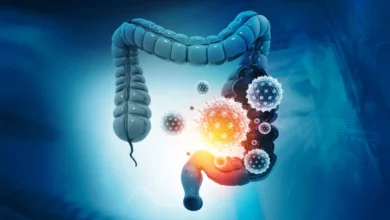
The research, led by a team from the Rosalind & Morris Goodman Cancer Institute at McGill University, investigated how nutrient-dense versus energy-dense diets interact with the trillions of bacteria inhabiting the gastrointestinal tract. By conducting a multi-diet analysis in mouse models, the team discovered that the therapeutic success of immunotherapy is not merely dependent on the presence of beneficial gut flora, but also on the specific nutritional fuel required to sustain and optimize those microbial populations.
Chronology of the Obesity Paradox in Oncology
The "obesity paradox" has been a subject of intense debate within the oncological community for over a decade. Historically, obesity has been firmly established as a primary risk factor for the development of at least 13 types of cancer, including breast, colorectal, and pancreatic malignancies. Excess adipose tissue is known to cause chronic, low-grade systemic inflammation and hormonal dysregulation, which typically accelerate tumor progression and worsen patient outcomes.
However, clinical observations beginning in the early 2010s began to surface data that contradicted this narrative. Researchers analyzing large cohorts of patients receiving immune checkpoint inhibitors (ICIs)—a class of drugs that "release the brakes" on the immune system, allowing T-cells to recognize and eliminate tumor cells—noted that patients with a higher BMI appeared to have higher rates of survival and treatment response.
The McGill-led research team, including principal investigator Dr. Daniela Quail and collaborators such as Dr. Logan Walsh, Dr. Bertrand Routy, and Dr. Arielle Elkrief, sought to move beyond mere clinical observation to mechanistic evidence. By testing 12 distinct dietary regimens on mice, the team effectively mapped the causal link between nutritional inputs and immune function, providing a scientific basis for the paradox that had previously been categorized as an anomaly or a statistical bias.
Mechanistic Findings: Diet-Microbiome Synergy
The study revealed that the efficacy of immunotherapy is profoundly influenced by the "metabolic landscape" created by diet. When mice were placed on specific high-energy diets, their gut microbiomes shifted in ways that appeared to prime the immune system for a more robust attack on cancer cells.
Dr. Daniela Quail, an Associate Professor in the Department of Physiology at McGill, emphasizes that the findings do not suggest that high-fat or high-sugar diets are beneficial for cancer patients. Rather, the study highlights that the interaction between the microbiome and immunotherapy is nuanced. "There is a synergistic relationship between the bacteria that reside in our GI tract and the food we eat," Quail noted. "Even with the right composition of bacteria in your gut, the foods you nourish those populations with can determine whether or not you respond to treatment."
The research suggests that the gut microbiome acts as a metabolic factory, converting dietary components into bioactive metabolites. These metabolites, in turn, signal to the immune system. In the context of the study, certain diets appeared to provide the necessary precursors to enhance the activity of CD8+ T-cells, the "soldiers" of the immune system tasked with killing tumor cells.
Data and Methodology
The study, titled "Diet-microbiome synergy underlies obesity-associated immunotherapy efficacy," utilized a sophisticated experimental design. By isolating 12 different diets, researchers controlled for macronutrient composition, fiber content, and caloric density. The mice were subjected to these diets for varying durations, allowing researchers to observe how quickly the gut microbiome adapted to the change and how that adaptation correlated with tumor suppression during immunotherapy.
Key data points from the study indicated:
- Rapid Adaptation: The gut microbiome showed significant shifts in bacterial diversity within a short timeframe upon switching diets, suggesting that the immune system’s priming could be modulated relatively quickly.
- Immune Potentiation: Certain diets associated with weight gain in mice were correlated with increased infiltration of cytotoxic T-cells into the tumor microenvironment.
- Specificity: Not all "unhealthy" diets produced the same positive response, indicating that specific nutritional components—rather than total caloric intake—are the primary drivers of the observed therapeutic synergy.
Implications for Clinical Practice
The medical community has been quick to caution against interpreting these findings as a recommendation for dietary changes among cancer patients. Excess body weight remains a significant driver of cardiovascular disease, metabolic syndrome, and secondary cancer risks. Furthermore, the metabolic demands of chemotherapy and immunotherapy are rigorous, and nutritional depletion is a major concern in cancer care.
"Our findings were surprising because they highlighted a benefit of some obesogenic diets," Dr. Quail stated. "That tells us the relationship between diet and cancer treatment is more complex than a simple message to eat healthy and exercise."
The broader goal for the research team is to identify the specific bacterial strains and the metabolites they produce that lead to the improved immunotherapy response. If these mechanisms can be isolated, researchers hope to develop "next-generation" supportive therapies—such as targeted prebiotics or probiotics—that could replicate the immunotherapy-enhancing effects of these diets without requiring patients to consume excessive calories or gain body mass.
Future Directions and Scientific Consensus
The publication of this study in Nature has sparked a new wave of interest in the field of nutritional oncology. As immunotherapy continues to become a standard-of-care treatment for a wide variety of malignancies, understanding the external factors that influence drug success is becoming a priority for pharmaceutical researchers and clinicians alike.
The study was supported by a broad coalition of funding bodies, including the Canadian Institutes of Health Research, the Canadian Cancer Society, the Terry Fox Research Institute, and the Canada Foundation for Innovation, alongside philanthropic support from the La Vie en Rose and the Bachynski Family Foundation. This multi-institutional backing underscores the significance of the findings in the context of global cancer research efforts.
Moving forward, the challenge for the scientific community will be to translate these preclinical findings into human clinical trials. Human microbiomes are vastly more complex and heterogeneous than those of laboratory mice, influenced by genetics, geography, and lifelong dietary habits. Consequently, researchers expect that future studies will need to utilize precision medicine approaches to determine how individual dietary profiles can be optimized for specific cancer types and specific immunotherapy agents.
Ultimately, this research serves as a critical reminder that the human body is an ecosystem. Cancer does not exist in isolation, and the immune system’s ability to recognize and destroy tumors is deeply intertwined with the metabolic inputs provided by the gut. By decoding these signals, medical science is moving closer to a future where diet is not just an afterthought in cancer care, but a deliberate and powerful tool in the clinician’s arsenal. As researchers continue to untangle the "obesity paradox," the emphasis will remain on separating the harmful metabolic consequences of obesity from the potentially therapeutic, diet-driven signals that could save lives.