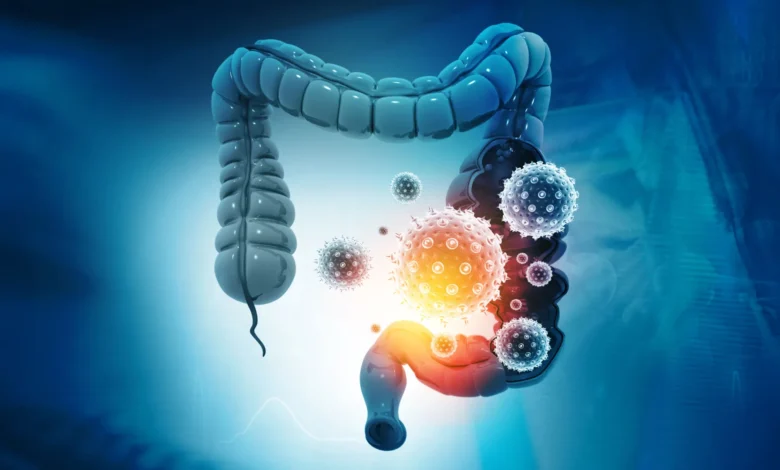
For nearly two decades, the medical community has grappled with a persistent mystery: how does a common bacterium, Bacteroides fragilis, initiate the biochemical cascade that leads to the degradation of the colon’s protective barrier and, ultimately, the formation of colorectal tumors? While the presence of toxin-producing B. fragilis (ETBF) has long been associated with chronic inflammation and malignancy, the precise mechanism by which its signature toxin, BFT, anchors itself to human intestinal cells has remained elusive. A landmark study published in the journal Nature by researchers at the Johns Hopkins Kimmel Cancer Center has finally identified this "missing link," a protein called claudin-4, effectively unveiling a biological gateway that could redefine how we approach the prevention of toxin-mediated gastrointestinal diseases.
A Two-Decade Scientific Quest
The history of this research dates back to the early 2000s, when clinical observations began to correlate specific gut microbiota profiles with increased risks of colorectal cancer. By 2009, a pivotal study in Nature Medicine led by Dr. Cynthia Sears solidified the hypothesis that the BFT toxin was not merely a byproduct of bacterial metabolism but an active driver of oncogenesis. The toxin’s known ability to cleave E-cadherin—a protein essential for maintaining the integrity of cell-to-cell junctions—was well-documented. However, the mechanism of attachment remained a "black box."
For years, investigators operated under the assumption that BFT would behave like most other known bacterial toxins, likely binding to a G protein-coupled receptor (GPCR). These signaling molecules are the standard "locks" for many biological "keys." Despite exhaustive screening efforts over the better part of twenty years, these conventional hypotheses failed to yield a definitive receptor. The breakthrough only occurred when the research team, incorporating advanced genomic tools, shifted their search parameters to look beyond traditional signaling pathways.
The CRISPR Revolution in Genome Screening
To bypass the limitations of previous methodologies, the research team employed CRISPR-Cas9, the Nobel-winning gene-editing technology, to conduct a genome-wide functional screen. By systematically disabling individual genes within human colon epithelial cells, the researchers sought to observe which deletions rendered the cells immune to BFT’s destructive effects.
Maxwell White, an M.D./Ph.D. candidate who spearheaded the laboratory work, described the identification of claudin-4 as a "clear, resounding top hit." When the gene encoding claudin-4 was knocked out, the BFT toxin became effectively inert, unable to bind to the cell surface or initiate the enzymatic degradation of E-cadherin. This revealed a novel paradigm in bacterial pathogenesis: BFT acts as a "two-step" agent. It first requires a structural docking protein—claudin-4—to anchor itself to the cell membrane before it can exert its protease activity on the cell-junction proteins that keep the gut barrier intact.
Structural Insights and Global Collaboration
The identification of claudin-4 was particularly surprising because it functions primarily as a structural component of "tight junctions," the physical seals that regulate the permeability of the intestinal lining. This discovery marks the first time a bacterial toxin has been shown to exploit a tight-junction protein as a primary receptor.
To validate this finding, the Johns Hopkins team partnered with structural biologists at the Molecular Biology Institute of Barcelona. Using biophysical interaction assays, the researchers confirmed a 1:1 binding ratio between the BFT toxin and claudin-4. This physical evidence proved that the toxin hijacks the very machinery the colon uses to protect itself, using it as a beachhead for a larger, more destructive enzymatic assault. The collaboration highlights the modern trend in biomedical research, where high-throughput genomic screening is integrated with precise structural biology to solve complex molecular puzzles.
Translating Discovery into Protection
Perhaps the most significant aspect of this research is the speed with which it transitioned from bench to proof-of-concept intervention. Recognizing that claudin-4 is the requisite docking site, the scientists hypothesized that they could create a "molecular decoy." By synthesizing a soluble version of the claudin-4 receptor, they created a protein fragment that the toxin would bind to preferentially, effectively neutralizing it before it could ever reach the delicate, living cells of the intestinal wall.
In collaboration with the laboratory of Min Dong at Harvard Medical School, the team tested this decoy in mouse models. The results were stark: mice treated with the molecular decoy were shielded from the inflammatory and barrier-disrupting effects of the BFT toxin. While this does not yet constitute a human vaccine or drug, it establishes a foundational strategy for future pharmaceutical development. The team is now pivoting toward the refinement of this decoy, exploring whether small molecules or more robust biologics could be engineered to mirror this protective effect in a clinical setting.
Broader Implications for Human Health
The implications of this discovery extend far beyond colorectal cancer. Bacteroides fragilis is a commensal organism found in approximately 20% of the healthy human population. While it is generally harmless, the existence of toxin-producing strains poses a long-term, low-grade risk that can contribute to a spectrum of conditions. Chronic exposure to BFT-induced inflammation has been linked to diarrhea, systemic bloodstream infections, and the degradation of the gut barrier, which may contribute to a variety of inflammatory bowel conditions.
Dr. Cynthia Sears, the senior author of the study and a Bloomberg~Kimmel Professor of Cancer Immunotherapy, emphasized the broader potential of these findings: "Understanding how bacterial toxins work can open doors to new approaches for detection and therapy for associated diseases." By focusing on the receptor-ligand interface, medical science may move away from broad-spectrum antibiotics—which can disrupt the healthy microbiome—toward highly targeted "anti-virulence" therapies. These drugs would aim to neutralize the toxin without harming the beneficial bacteria that inhabit the gut.
Challenges and Future Horizons
Despite the excitement surrounding the Nature publication, significant hurdles remain. The researchers have not yet solved the three-dimensional atomic structure of the BFT-claudin-4 complex. Even with state-of-the-art computational tools like AlphaFold, the exact interface of the binding event remains partially obscured. Mapping this structure is the next critical objective, as it will allow medicinal chemists to design small-molecule inhibitors that are more stable, cost-effective, and easier to administer than the current protein-based decoys.
Furthermore, the leap from mouse models to human oncology is profound. Future clinical trials will need to assess whether preventing BFT binding in humans can successfully halt the progression of pre-cancerous lesions or reduce the risk of tumor recurrence. Researchers must also investigate whether the decoy approach is safe for long-term use and how it might interact with the diverse, dynamic environment of the human gut.
A New Chapter in Oncology
The identification of the claudin-4 receptor represents a major milestone in our understanding of how the gut microbiome interacts with the host immune system to influence cancer risk. By shifting the focus from the bacteria itself to the specific molecular interface where the damage begins, scientists have opened a new front in the war against colorectal cancer.
The study, supported by the National Institutes of Health, the Bloomberg~Kimmel Institute for Cancer Immunotherapy, and other global research organizations, underscores the importance of persistent, interdisciplinary inquiry. After two decades of searching, the "missing link" has been found, and with it, the possibility of developing a new generation of precision interventions designed to preserve the integrity of the human gut. As the research moves into its next phase, the focus will remain on transforming this molecular discovery into a viable clinical tool, offering hope for a future where we can intercept the drivers of cancer long before they can take root.
Related posts: