The 2026 midterm elections served as a significant litmus test for the American electorate’s appetite for expanded social infrastructure, specifically regarding early childhood education and care. Across the United States, a clear political trend emerged: candidates who prioritized child care accessibility and pre-kindergarten expansion in their platforms saw electoral success, while local voters increasingly approved ballot initiatives to provide dedicated, long-term funding for these services. This shift suggests that the "kitchen table" issues of child-rearing and education costs have transcended traditional partisan divides, becoming central drivers of voter behavior.
A Shifting Political Landscape
The wave of support for early childhood initiatives was particularly evident among successful gubernatorial and legislative candidates. In Maine, Governor-elect Hannah Pingree secured a mandate for her platform, which focuses on achieving universal child care and increasing compensation for early childhood educators—a sector historically plagued by high turnover due to low wages. Similarly, Georgia Governor-elect Keisha Lance Bottoms campaigned heavily on the expansion of state-funded pre-K and the implementation of mandatory kindergarten, signaling a move toward more robust state involvement in early learning.
In Wisconsin, Governor-elect David Crowley successfully championed a proposal to extend the state’s child care subsidy program to cover all children aged five and younger. This expansion addresses a critical gap in the state’s social safety net, potentially providing relief to thousands of working families. Meanwhile, in the legislative arena, pediatrician Dr. Annie Andrews won a seat in the South Carolina Senate after placing child care access at the center of her campaign, and Minnesota Senator-elect Peggy Flanagan secured a victory on a platform that included the expansion of the federal Head Start program and a commitment to universal pre-K.
The Economics of Early Learning
The electoral success of these candidates is mirrored by the outcomes of various local ballot measures. These initiatives represent a growing trend of municipal and county governments stepping in where state or federal funding may have stalled. By utilizing property taxes, sales taxes, and lodging taxes, local jurisdictions are creating self-sustaining revenue streams for education.
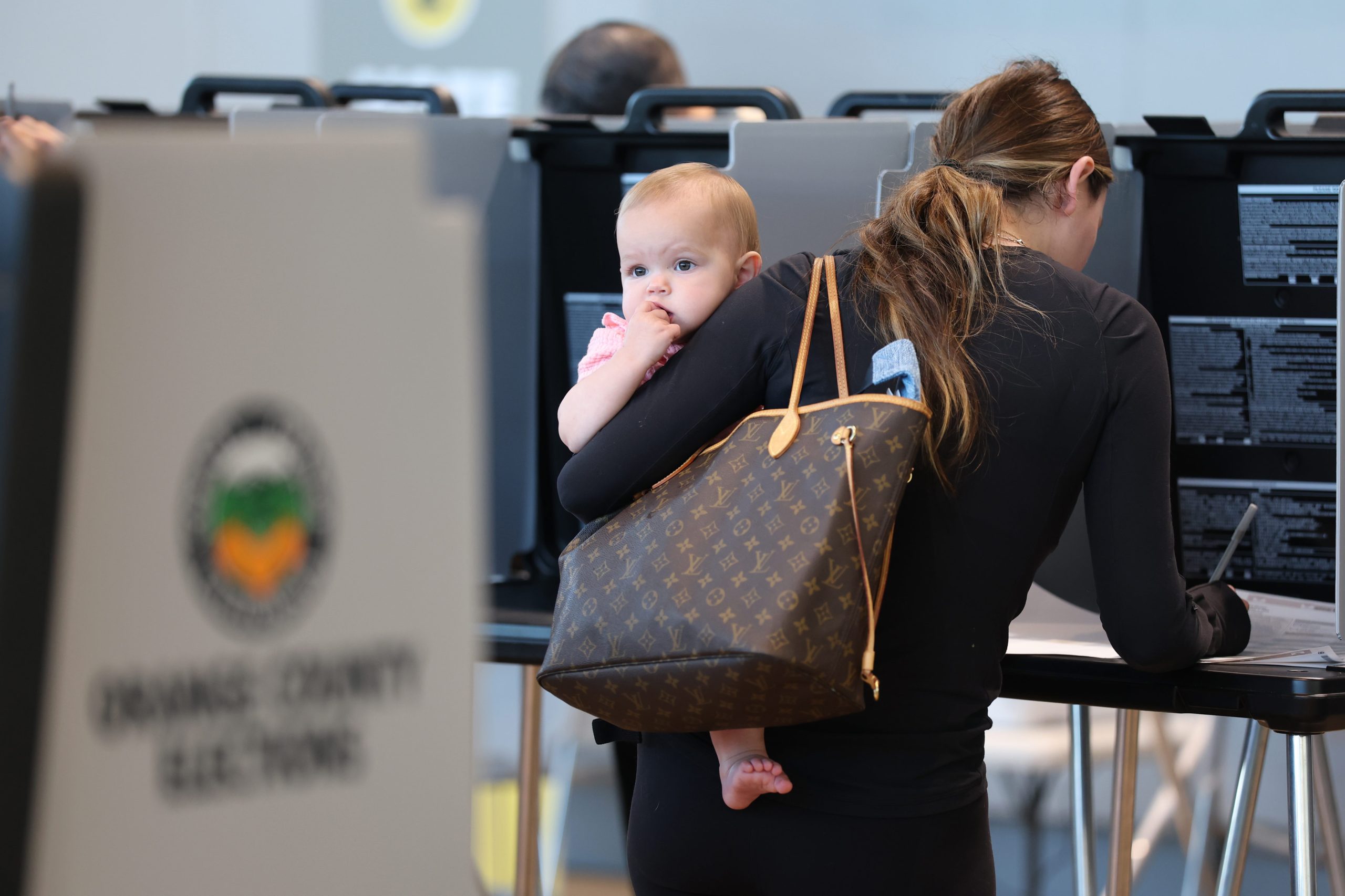
In San Antonio, Texas, the reauthorization of the "Pre-K 4 SA" program—passed with over 72 percent of the vote—serves as a compelling case study. Sarah Baray, the program’s CEO, noted that the overwhelming support indicates that early childhood education is viewed as a foundational economic necessity. "It isn’t just an individual family issue," Baray stated. "San Antonio understands that this is a huge community need, and they’re willing to invest in it because it’s an investment in the community’s future."
This sentiment is backed by data from the nonprofit sector. Melissa Boteach, chief policy officer at Zero to Three, points out that the results are a direct response to the economic volatility families have faced over the last several years. Rising costs for essentials have forced many parents to make impossible choices regarding their employment and their children’s care. When candidates provide clear, actionable solutions to these stressors, they gain a competitive edge.
Chronology of Legislative and Ballot Success
The following measures and outcomes highlight the scope of the 2026 expansion efforts:
- San Antonio, Texas (Proposition A): Voters approved a 20-year reauthorization of a sales tax dedicated to pre-K programs, ensuring long-term institutional stability for the city’s early learning infrastructure.
- Boulder County, Colorado (Issue 1A): A property tax increase was approved to subsidize child care costs, increase educator salaries, and address the region’s acute shortage of available childcare slots.
- Marin County, California (Measure P): A new parcel tax was established to create a dedicated fund for expanding high-quality, affordable child care and boosting professional compensation for staff.
- San Diego, California (Measure B): While still undergoing final certification, early results indicate the approval of a sales tax portion dedicated to child care vouchers, mental health services for children, and provider stipends.
- Clear Creek and Archuleta Counties, Colorado: Both jurisdictions successfully leveraged lodging tax increases to ensure that a portion of the revenue from tourism supports local workforce child care initiatives.
- Colorado State (Proposition NN and Amendment 87): Voters passed two major state-wide measures: one diverting taxpayer refunds to K-12 and early education, and another moving toward a graduated income tax rate to bolster funding for children’s services.
- Baltimore, Maryland (Question I): The city charter was amended to dedicate a portion of property tax revenue to the "Baltimore Baby Fund," a project aimed at providing consistent funding for early childhood resources.
- Buchanan County, Missouri (Proposition K): Voters authorized a sales tax to generate approximately $4 million annually specifically for youth mental health services.
Where Initiatives Faced Resistance
While the trend leaned heavily toward expansion, the electoral process also highlighted the limits of local taxpayer appetite. In St. Louis, Missouri, a proposed sales tax increase intended to generate $22 million for child care subsidies was rejected. Similarly, voters in Tempe, Arizona, turned down a sales tax proposal aimed at funding child care and broader family services.
These rejections, contrasted with the successes, suggest that while voters are generally supportive of early childhood investments, the mechanism of funding matters. Initiatives that relied on established tax structures or specific, targeted revenue streams—such as lodging or property taxes—tended to fare better than broad sales tax increases, which are often viewed as more regressive by local voters.

Implications for Future Policy
The 2026 election cycle signals a shift in the political calculus surrounding family policy. For decades, child care was often sidelined as a "private" or "individual" responsibility. The current data indicates that a majority of voters now view it as a public utility essential to labor force participation.
Economists have long argued that the lack of affordable child care is a primary barrier to economic growth, as it prevents parents—particularly mothers—from participating fully in the workforce. By framing these ballot measures as "investments in the future," proponents have successfully shifted the narrative from welfare-style assistance to economic development.
Moving into 2028, political strategists are likely to view these results as a template. The success of candidates who focused on "kitchen table" issues demonstrates that voters are seeking pragmatic, localized solutions to the rising cost of living. The pressure is now on the newly elected officials in Maine, Georgia, and beyond to deliver on these campaign promises. The success of these programs in the coming years will likely determine whether this trend continues or if voter enthusiasm hits a ceiling due to tax fatigue.
Furthermore, the involvement of diverse funding sources—from lodging taxes in tourist-heavy Colorado counties to property taxes in urban centers like Baltimore—shows that there is no one-size-fits-all approach to financing these services. This diversity of models provides a laboratory for future policy, allowing other cities and states to observe which funding mechanisms prove most sustainable and equitable.
In conclusion, the 2026 midterms have effectively placed early childhood education at the forefront of the American policy agenda. Whether this momentum will translate into federal action remains to be seen, but the clear mandate from local and state-level elections suggests that the demand for change is both deep and widespread. As these newly passed measures take effect, the focus will inevitably shift toward implementation, accountability, and the long-term impacts on child development and family economic stability.
Related posts: