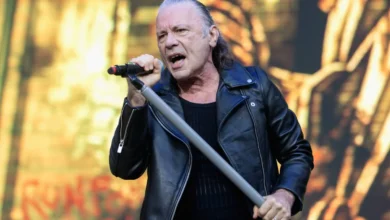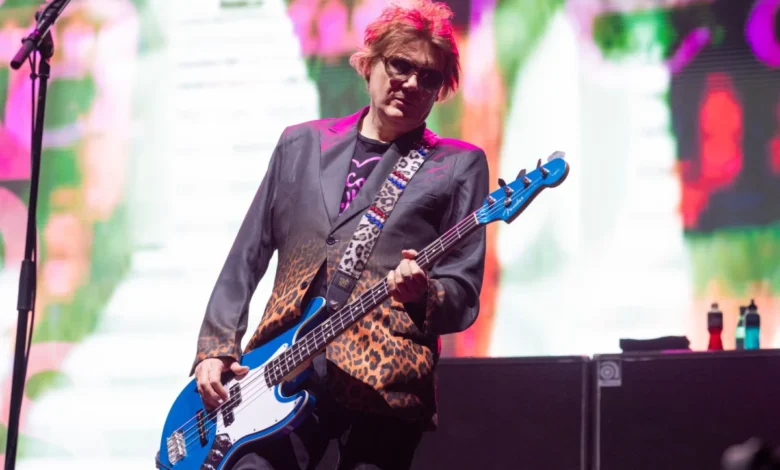
The convergence of two of British rock’s most enduring institutions, Manic Street Preachers and Suede, reached a triumphant midpoint at London’s O2 Arena on Friday, November 6, 2026. The co-headline tour, which reignites a collaborative spirit first established during their seminal 1994 tour, serves as a testament to the longevity of the post-Britpop era and the continued cultural relevance of both bands. As the tour progresses through the UK, the performance at the capital’s premier venue underscored a unique dynamic: one defined by deep-seated mutual respect, a shared history of artistic evolution, and a refusal to be constrained by the limitations of a "legacy act" label.
A Chronology of Collaboration
The relationship between Manic Street Preachers and Suede is one of the most intriguing narratives in modern music history. Their partnership dates back to the mid-90s, a period defined by shifting musical tides and the rise of alternative rock. Having first toured together in 1994—a year that saw both bands navigating the high-pressure environment of the UK music press—they established a rapport that has survived decades of industry shifts.
Following their initial 1994 run, the two bands took separate paths, each developing distinct, influential discographies. It was not until 2022 that the two acts re-emerged on the same bill for a joint North American tour, a move that proved successful enough to warrant a full-scale return to UK arenas in 2024. The current 2026 tour represents the apex of this long-standing connection, with the bands alternating the headlining spot each night to ensure parity and provide fans with a fresh experience at every stop.
The Manic Street Preachers: A Tribute to Memory and Momentum
For the London O2 date, the Manic Street Preachers opened the proceedings, setting a tone of bittersweet nostalgia balanced by the urgency of their latest material. Kicking off with the soaring, anthemic "Motorcycle Emptiness," the band signaled their intent to traverse the breadth of their 35-year career. The track, a cornerstone of their 1992 debut album Generation Terrorists, served as a poignant reminder of the band’s origins, particularly as the group prepares for commemorative events surrounding the album’s 35th anniversary in the coming year.
A defining feature of the set was the band’s overt and deeply personal tribute to their missing former lyricist and guitarist, Richey Edwards. Bassist Nicky Wire, ever the orator, steered the audience through moments of reflection. Introducing the early classic "Little Baby Nothing," Wire recounted the humble origins of the track, written at the Askew Road residence of the band’s late manager, Philip Hall. It was an evocative moment that grounded the grand spectacle of the O2 in the intimate, gritty reality of the band’s early days.

The performance also touched upon the band’s most intense chapter, The Holy Bible. Marking the recent release of a live album dedicated to that era, the band performed "Die In The Summertime" as a stripped-back trio. The omission of backing musicians emphasized the raw, post-punk-noir aesthetic that defined the band during that period. Throughout the night, the setlist remained a tightrope walk between the band’s history and their current output, including tracks from their latest album, Critical Thinking, such as "Hiding In Plain Sight."
The interaction with the crowd reached a peak when frontman James Dean Bradfield allowed the audience to dictate the setlist. A request for "This Is Yesterday" over "Kevin Carter" was granted, while a fan’s shout for the often-maligned "Sleepflower" was met with a characteristically sharp, albeit humorous, dismissal from Bradfield. The set concluded with the sweeping, emotive power of "If You Tolerate This Your Children Will Be Next," a fitting finale that reminded the audience of the band’s ability to turn political weight into chart-topping resonance.
Suede: The Architecture of the Future
If the Manics provided the historical weight, Suede provided an explosive, kinetic energy that looked firmly toward the future. Frontman Brett Anderson remains one of the most magnetic performers in British music, his stage presence defined by an athletic, elastic quality that defies the typical tropes of veteran rock performance.
Suede opened their set with a aggressive one-two punch of "Disintegrate" and "Antidepressants," two highlights from their recent recording cycle. By juxtaposing these newer tracks with undisputed classics like "Trash," "Animal Nitrate," and "We Are The Pigs," the band successfully curated a narrative of continuous development rather than mere historical reenactment.
Anderson’s declaration, "Welcome to Suede World," set the stage for a performance that felt like a visceral extension of his lyrical universe—a world of urban grit, fleeting glamour, and the search for belonging. The band’s inclusion of the fan-favorite B-side "Killing Of A Flashboy" served as a reward for the hardcore following, while the performance of "Still Life," delivered with nothing more than Anderson’s vocals and Neil Codling’s piano, offered a moment of stripped-back vulnerability.
Central to Suede’s current mission is their transition into a "third act" of their career. Anderson has been vocal about his vision for a new, punk-inspired trilogy of records. Following the release of Autofiction and Antidepressants, the band is currently developing their next project, which Anderson describes as an exploration of "anarcho-punk" themes. The performance of the new track "Tribe" solidified this direction, serving as an anthem for the band’s dedicated community.

Cultural Implications and Industry Significance
The success of this co-headline tour speaks to a broader trend in the music industry: the "tessellation" of fanbases. As Suede’s Brett Anderson noted in previous discussions, the two bands are complementary but distinct enough to avoid the pitfalls of a redundant, nostalgic Britpop package.
From a data-driven perspective, the longevity of these acts is an outlier in an industry that often prioritizes short-term virality. Both bands have maintained consistent, high-quality output while avoiding the stagnation that often claims long-running groups. The Manic Street Preachers’ ability to sustain a 16-album career—with plans for further material—and Suede’s ongoing exploration of new genre-adjacent themes demonstrate a commitment to artistic growth that resonates with a multi-generational audience.
The logistical success of the tour—with arenas selling out across the UK—indicates that there remains a significant appetite for guitar-based, lyrical rock that tackles complex themes. The partnership also highlights the importance of institutional memory in music. By touring together, the bands provide a bridge between the 1990s and the present, offering fans a cohesive look at how these artists have navigated the changing landscape of the music industry over three decades.
Looking Ahead
As the tour moves toward its conclusion in Bournemouth, the implications for both bands are clear. They have successfully cemented their status as "heritage acts" that refuse to be defined by the past. The Manic Street Preachers are looking toward their 35th anniversary with a continued focus on studio output, while Suede is clearly positioning itself to complete a conceptual trilogy that will define their legacy for the next decade.
The O2 performance was not merely a concert; it was an exercise in endurance and artistic integrity. For the fans in attendance, the night offered a rare opportunity to see two bands at the peak of their collaborative powers, proving that even after thirty years, the "DNA" shared between them continues to produce vital, relevant, and resonant music. As the lights dimmed and the crowd dispersed, the lingering sentiment was one of satisfaction—not just for the hits performed, but for the continued evolution of two of the UK’s most cherished musical legacies. The tour continues to demonstrate that rock music, when treated with both respect for its history and a focus on the future, remains a powerful force in the modern cultural landscape.