Navigating the Complexities of Septic-Safe Washing Machine Cleaner Tablets and Household Maintenance

Maintaining a modern household involves a delicate balance between appliance upkeep and the preservation of domestic environmental infrastructure, particularly for homes operating on private septic systems. In recent years, the market for appliance maintenance products has expanded significantly, with specialty items such as washing machine cleaner tablets becoming staples in routine home care. However, for the millions of households connected to onsite wastewater treatment systems, the introduction of chemical cleaners, detergents, and maintenance tablets requires careful scrutiny. Navigating the claims made by manufacturers—ranging from septic safety to environmental certifications—demands a rigorous, informed approach to ensure that routine cleaning does not inadvertently compromise delicate subterranean microbial ecosystems.
The primary function of a washing machine cleaner tablet is to target and eliminate detergent buildup, fabric softener residue, mineral scale, and mildew that accumulate within the hidden drums and internal hoses of both front-load and top-load appliances. Unlike traditional laundry detergents, which are formulated to suspend soils and oils in wash water alongside textiles, these specialty appliance cleaners are explicitly designed to be deployed in an empty machine during a specialized hot-water maintenance cycle. This operational distinction is critical; while laundry detergents are systematically discharged into household plumbing and subsequent septic tanks during every wash cycle, appliance cleaner tablets deliver a concentrated dose of active ingredients—such as oxidizing agents, surfactants, and enzymes—in a single, isolated event. Consequently, homeowners must evaluate not only the chemical composition of these tablets but also the frequency of their application and their compatibility with onsite wastewater treatment designs.
Understanding the Chemical Composition and Formulation Variability
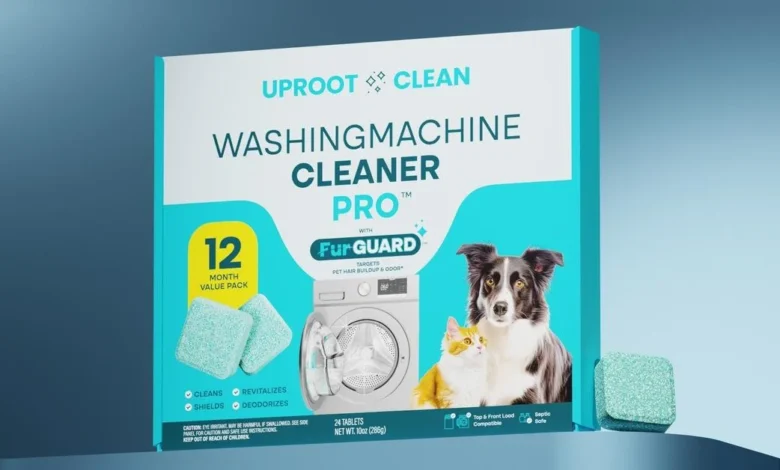
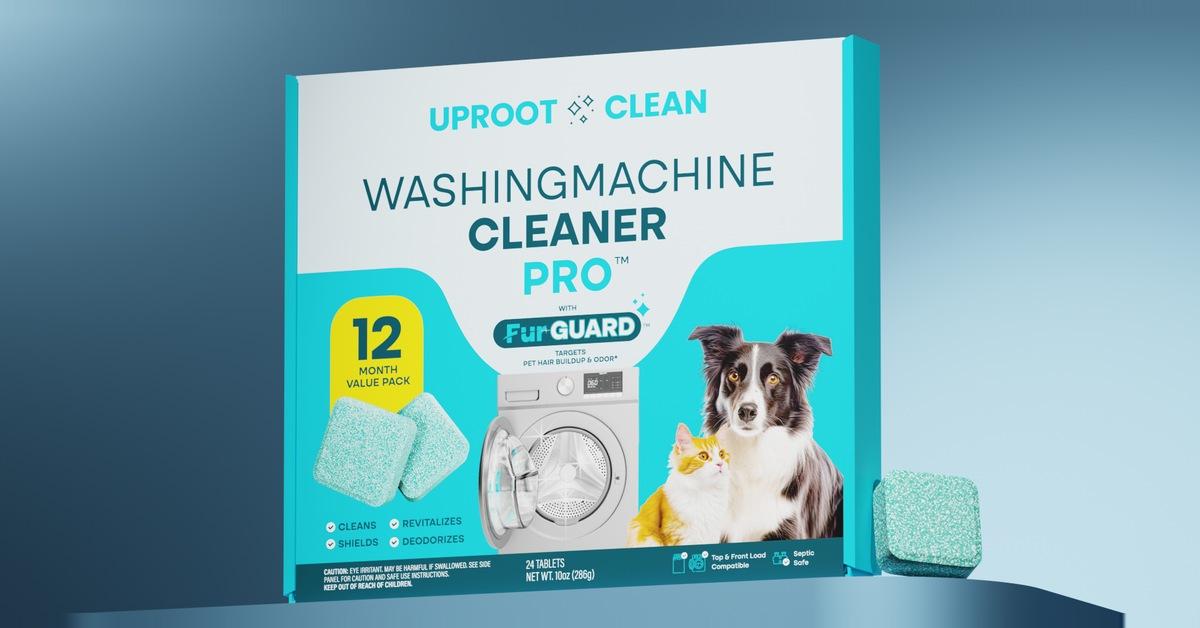
A thorough assessment of any washing machine cleaner begins with an examination of its exact chemical formula. Brand portfolios frequently feature multiple variations of a single product line, each tailored to different consumer preferences or mechanical requirements. For example, product lines such as the Uproot Washing Machine Cleaner Pro target heavy organic residue through a formulation containing sodium percarbonate, sodium carbonate, citric acid, lipase, and protease. Sodium percarbonate acts as an oxygen-based bleaching and oxidizing agent, breaking down organic matter, while sodium carbonate serves as a builder and water softener. Citric acid aids in dissolving hard water mineral deposits, and targeted enzymes like lipase and protease break down fats and proteins left behind by body oils and laundry additives.
Consumers must recognize that variations within the same brand can introduce or eliminate specific ingredients, most notably synthetic or natural fragrances. While standard versions of a cleaner may incorporate aromatic compounds to leave a fresh scent in the drum, specialized variations—often marketed as "Pro" or "Unscented"—exclude added fragrances to accommodate sensitive individuals or specific environmental concerns. An ingredient disclosure provides the essential baseline for evaluating a product, but it cannot independently determine the finished product’s overall environmental impact or its direct interaction with a septic tank’s internal biology. Consumers prioritizing minimal chemical exposure often utilize fragrance-free disclosures to narrow their purchasing criteria, subsequently verifying compatibility with their specific plumbing and wastewater setups.
Evaluating Manufacturer Claims of Septic Safety
One of the most prominent marketing claims associated with modern appliance maintenance tablets is that they are "septic safe." Manufacturers routinely assert that their formulations will not disrupt the anaerobic or aerobic bacteria necessary for breaking down solid waste inside a septic tank. However, industry experts and environmental health officials emphasize that such manufacturer statements must be evaluated strictly within the context of product directions, appliance manuals, and the overarching health of the household’s septic infrastructure.
For instance, standard usage instructions for major cleaning tablet brands typically direct the user to place a single tablet directly into the empty washing drum, execute a designated clean-washer or hot-water cycle, and subsequently wipe away any loosened residue from the rubber door seals and drum margins. Manufacturers generally recommend repeating this maintenance procedure every two weeks or whenever musty odors and visible residue reappear. Crucially, a label indicating that a product is safe for septic systems does not grant license to exceed the prescribed dosage or frequency of use. Over-application of concentrated cleaners can introduce excessive chemical loads or alter the pH balance within a septic tank, potentially inhibiting the bacterial colonies responsible for wastewater digestion. Homeowners harboring specific concerns regarding their system’s capacity or age are consistently advised to consult their local septic-service provider before introducing new maintenance chemicals into their household routine.
The Role of Independent Environmental Certifications
In an era of heightened consumer awareness, environmental claims and green marketing play a significant role in purchasing decisions. To substantiate these claims, independent standard-setting organizations and governmental bodies provide voluntary evaluation frameworks. A prominent example is the United States Environmental Protection Agency’s (EPA) Safer Choice program, which evaluates individual chemical ingredients against rigorous human health and environmental criteria. The program assesses not only toxicity and environmental persistence but also product performance, packaging sustainability, pH levels, and specific formulation requirements.
Products meeting these stringent benchmarks are permitted to display the Safer Choice label, subject to mandatory category-specific performance standards and annual EPA audits. Nevertheless, shoppers must exercise discernment; program recognition is product-specific and does not automatically extend across an entire brand’s portfolio. Furthermore, because the Safer Choice program is entirely voluntary, the absence of its label on a washing machine cleaner does not inherently imply that the product is hazardous or unsafe for use. Manufacturer statements regarding ingredient safety and septic compatibility are independent declarations and should not be conflated with formal federal certification. Similarly, brand-specific claims of being fragrance-free represent product information rather than an endorsement by specialized labeling initiatives.
Integrating Appliance Maintenance into Broader Septic Care
Washing machine cleaners represent only a minor fraction of the total wastewater volume and chemical load introduced into a residential septic system by laundry routines. According to comprehensive guidelines published by the EPA regarding the care and maintenance of septic systems, laundry practices exert a profound influence on the longevity and functionality of subterranean wastewater treatment units. One of the most common operational errors identified by wastewater management professionals is the concentration of multiple laundry loads into a single day.
When a household conducts successive loads of washing within a compressed timeframe, the sheer volume of water entering the septic tank can overwhelm the system’s hydraulic capacity. This sudden surge can agitate settled sludge layers, push untreated or partially treated suspended solids out into the drainfield, and saturate the surrounding soil absorption area, potentially leading to system failure. To mitigate this risk, EPA guidelines strongly recommend spreading out laundry tasks evenly throughout the week, ensuring that water inflow matches the treatment capacity of the tank.
Additionally, selecting appropriate water level settings on the washing machine tailored to the specific size of each load prevents unnecessary water waste. Homeowners must also remember that routine appliance cleaning products are designed exclusively to maintain the mechanical integrity and hygiene of the washing machine itself; they are never intended to serve as a corrective treatment for failing septic tanks or clogged drainfields. Chemical additives marketed specifically to enhance septic tank performance through bacterial inoculation are generally not recommended by the EPA for domestic wastewater treatment, as healthy biological activity naturally establishes itself through normal household use. Regular physical inspection by a licensed professional and periodic solids pumping remain indispensable components of responsible septic stewardship.
Strategic Recommendations for Households
For households transitioning to a more structured appliance and wastewater maintenance routine, establishing a clear protocol is essential. Families should begin by carefully reviewing the exact product formulations, ingredient lists, and usage instructions associated with their chosen cleaning tablets. Confirming any third-party environmental certifications and cross-referencing manufacturer guidelines with the washing machine’s user manual ensures that appliances are operated correctly without voiding mechanical warranties.
To ensure consistency across different household members who share laundry responsibilities, storing product instructions and maintenance schedules directly alongside the washing machine manual can prove highly beneficial. By combining informed product selection, adherence to manufacturer dosing instructions, and disciplined, spread-out laundry schedules, homeowners can successfully maintain clean appliances while safeguarding the delicate ecological balance of their private septic systems for years to come.
Related posts: