WHO Unveils SCORE for Health Data Technical Package to Revolutionize Global Health Information Systems and Strengthen Emergency Response

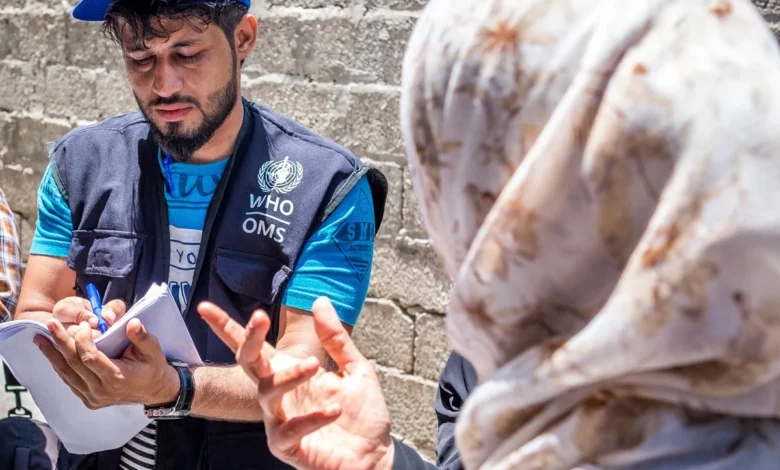
In an ambitious move to transform how nations collect, analyze, and utilize vital health metrics, the World Health Organization (WHO) has officially launched the SCORE for Health Data Technical Package. Rolled out against the backdrop of the ongoing COVID-19 pandemic, this comprehensive initiative is designed to address severe structural deficiencies in global health information systems. By providing governments with a unified, standardized framework, the initiative aims to bridge critical data gaps that have long hampered public health interventions, resource allocation, and emergency responses worldwide.
The rollout of the SCORE package directly responds to lessons learned from the global coronavirus crisis, which exposed profound vulnerabilities in how public health data is gathered and interpreted. Throughout the pandemic, the speed and accuracy of decision-making often depended on the strength of a country’s underlying statistical architecture. While some nations successfully leveraged real-time data to curb transmission and manage healthcare capacity, many others struggled with fragmented reporting, delayed metrics, and a general lack of digital infrastructure. The WHO’s new initiative seeks to ensure that no country remains ill-equipped to measure, monitor, and manage future health emergencies.
Understanding the Anatomy of the SCORE Framework
The acronym SCORE stands for Survey, Count, Optimize, Review, and Enable. Developed as a singular, harmonized resource, the package encompasses more than 90 universally accepted tools and standards aimed at reinforcing health information systems. Rather than forcing governments to piece together disparate methodologies, SCORE consolidates best practices into a single, cohesive framework designed to be both flexible and actionable.
At its core, the framework is broken down into five essential pillars:
- Surveying populations to measure health trends and risk factors through reliable population-based surveys.
- Counting births, deaths, and causes of death accurately through robust civil registration and vital statistics (CRVS) systems.
- Optimizing health service data to monitor the quality, safety, and coverage of essential healthcare delivery.
- Reviewing progress and performance to ensure that data regularly informs policy decisions and strategic planning.
- Enabling data capacity and infrastructure by strengthening governance, legislation, and institutional workforce capabilities.
By implementing these interconnected measures, governments can establish reliable benchmarks, streamline their health sector standards, and ensure that data collection is not merely an administrative burden, but a dynamic tool for saving lives.
Background Context: The Persistent Data Crisis in Global Health
Long before the emergence of SARS-CoV-2, the global public health community recognized a persistent crisis in data availability. According to findings highlighted in the WHO World Health Statistics 2020 report, a staggering number of deaths worldwide go unregistered, and many countries lack routine systems to track leading causes of mortality or monitor chronic disease prevalence.
This scarcity of reliable health data creates a blind spot for international health agencies and national ministries alike. Without precise figures on disease burdens, vulnerable populations, and regional healthcare capacities, governments routinely face immense challenges in distributing scarce medical supplies, deploying healthcare personnel, and targeting interventions where they are needed most. The COVID-19 pandemic severely exacerbated these challenges, turning data collection deficits from a quiet systemic flaw into an acute emergency driver.
A Collaborative Partnership for Sustainable Impact
The development and deployment of the SCORE Technical Package have been made possible through strategic global partnerships, most notably collaboration with the Bloomberg Philanthropies Data for Health Initiative. This partnership has provided essential financial support and technical expertise, ensuring that the package meets the rigorous demands of modern public health administration.
Dr. Kelly Henning, Director of Public Health Programs at Bloomberg Philanthropies, emphasized the critical timing of the initiative. Pointing to the complex information landscapes that policymakers navigate daily, she noted that utilizing empirical data to shape public health priorities has never been more urgent. The collaboration aims to equip country governments with high-grade technical guidance, empowering domestic institutions to fortify their own data infrastructures rather than relying indefinitely on external assistance.
Voices from the Global Health Sector
In announcing the initiative, senior WHO leadership underscored that measuring health outcomes is a prerequisite for improving them.
"Countries must be able to measure progress to make progress," stated WHO Director-General Dr. Tedros Adhanom Ghebreyesus. He stressed that reliable data remains the single most effective mechanism for coordinating localized responses and safeguarding public health across all domains, particularly during systemic health crises like the COVID-19 pandemic.
Echoing this sentiment, Dr. Samira Asma, WHO Assistant Director-General for Data, Analytics and Delivery for Impact, highlighted the moral and practical imperative of immediate action. "We must keep score to save lives," Dr. Asma asserted. She warned that the international community faces a narrowing window of opportunity to address longstanding statistical gaps if it hopes to meet the United Nations Sustainable Development Goals (SDGs) and the ambitious "Triple Billion" targets. According to Dr. Asma, investing heavily in national statistical systems is no longer optional; it is a foundational requirement for building resilient, future-proof health architectures.
Implications for National Governments and Healthcare Systems
The implications of the SCORE Technical Package extend far beyond bureaucratic record-keeping. By standardizing how disaggregated data is collected—breaking down information by age, gender, geographic location, and socioeconomic status—governments can identify marginalized communities that often slip through the cracks of national healthcare delivery.
Furthermore, the package promotes country ownership. Rather than imposing top-down mandates, SCORE is structured to integrate seamlessly into existing national health plans. This flexibility allows low- and middle-income countries to prioritize specific pillars of the framework based on their unique epidemiological profiles and resource constraints.
As public health systems pivot toward recovery and long-term resilience, the ability to generate timely, validated data will determine how effectively nations can manage routine healthcare demands while remaining vigilant against novel infectious disease threats. The push for data-driven governance serves as both a post-pandemic corrective and a proactive shield against future systemic shocks.
Chronology of Rollout and Future Deliverables
The initial launch of the SCORE Technical Package marks the beginning of a phased rollout scheduled throughout the year. The initial release comprises two core foundational documents designed to orient national health ministries to the overarching framework.
Later in the year, the WHO plans to release additional components, including the comprehensive SCORE Assessment Instrument and a series of global, regional, and country-specific status reports. These subsequent tools will enable governments to benchmark their current statistical capabilities, track improvements over time, and measure their performance against both national targets and broader international commitments.
Conclusion: A Call for Solidarity and Action
The launch of the SCORE for Health Data Technical Package arrives at a critical juncture in modern public health history. While the COVID-19 pandemic laid bare the human and economic costs of inadequate information systems, it has simultaneously fostered an unprecedented spirit of international collaboration and digital innovation.
By uniting behind a common set of standards and practical tools, the global health community aims to turn the lessons of the pandemic into lasting systemic reform. Through sustained investment, strategic partnerships, and a firm commitment to transparency, the WHO and its allies hope to ensure that timely, reliable data becomes a universal right rather than a localized privilege—ultimately paving the way for healthier populations and more resilient societies worldwide.
Related posts: