PETA have urged Cage The Elephant to change their name ahead of their upcoming NFL halftime show in Munich

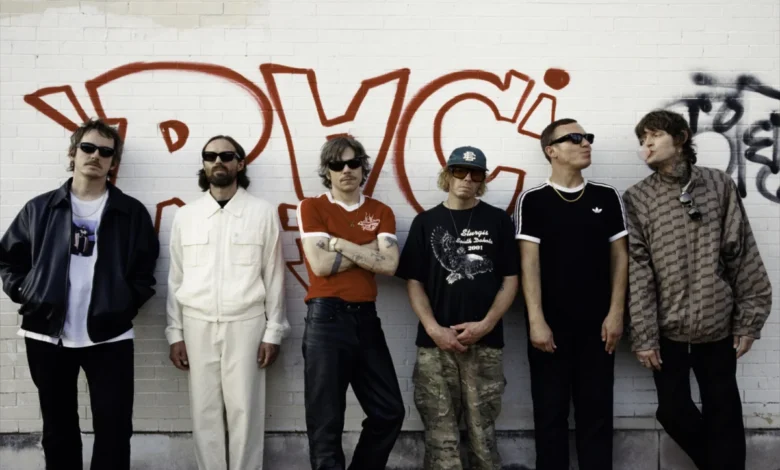
The rock band Cage The Elephant finds itself at the center of an unusual public relations campaign initiated by People for the Ethical Treatment of Animals (PETA) as they prepare for a high-profile performance. Scheduled to perform during the NFL halftime show at the New England Patriots vs. Detroit Lions game in Munich this Sunday, November 15, the band has been formally requested by the animal rights organization to temporarily rebrand themselves as "Free The Elephant" across all social media platforms for the duration of one week. This request is part of a broader, ongoing advocacy effort by PETA to secure the retirement of a performing elephant named Okha, whose current living conditions have been the subject of significant scrutiny.
The Case for Okha: Allegations and Advocacy
At the heart of the controversy is Okha, an elephant currently being exhibited by Brian Franzen. According to PETA’s press release, the animal has spent the majority of her life performing in circus environments under the constant threat of punitive measures. PETA has levied serious allegations against Franzen, citing his history of felony cruelty-to-animals charges. Furthermore, the organization claims to have visual evidence—reportedly captured on camera—of Franzen striking and yanking the elephant with a bullhook, a device often used in animal training that has been banned or restricted in various jurisdictions due to its potential for causing injury and distress.
The organization’s appeal to the band uses a play on their hit song, "Ain’t No Rest for the Wicked," with PETA stating in their letter: "There ain’t no rest for Okha. We think you’d agree that she deserves the chance to spend her remaining years in peace with care, dignity, and respect." By requesting the name change, PETA hopes to leverage the band’s global platform to draw attention to the plight of circus animals and specifically pressure venues to cease booking acts that utilize live wildlife for entertainment.
Chronology of PETA’s Campaign
The request for Cage The Elephant to rebrand is not an isolated incident but rather the latest in a series of strategic maneuvers by PETA. For years, the organization has targeted high-profile public figures and corporations to amplify their message.
- Initial Advocacy: PETA has organized over 30 separate demonstrations on behalf of Okha, specifically targeting venues that provide a stage for animal acts.
- Previous Celebrity Appeals: In a similar vein, the organization previously contacted Led Zeppelin vocalist Robert Plant, urging him to adopt the temporary moniker "Robert Plant Wool" to highlight the environmental and ethical arguments against the use of sheep’s wool in the fashion industry.
- Corporate Pressure: Beyond music, the group has engaged in debates with major entities like Nintendo, requesting alterations to character designs in the Mario Kart franchise, which they argued promoted animal cruelty through unrealistic depictions of livestock.
- Current Momentum: The push for Cage The Elephant comes at a time of increased international scrutiny regarding the treatment of animals in circuses and traveling shows. Many countries in Europe have already implemented strict bans on wild animal performances, adding pressure to those still operating in the space.
Data and Ethical Implications
The ethics of keeping elephants in captivity for public performance remains a contentious issue in zoology and animal welfare science. According to the Association of Zoos and Aquariums (AZA) and various conservationist groups, elephants are highly social, migratory animals that require massive amounts of space to maintain their physical and psychological health. The "reputable sanctuary" advocated for by PETA typically involves environments where elephants can roam across hundreds of acres, engage in natural foraging behaviors, and form complex social bonds with other elephants—opportunities that are inherently impossible in the confined, mobile settings of a traveling circus.
Furthermore, the history of animal trainers and exhibitors, such as the allegations against Franzen, often serves as a focal point for legislative debates. Regulatory bodies in the United States and abroad are increasingly looking at the "safety and welfare" standards of traveling acts. For the public, these incidents raise significant questions about the morality of consuming entertainment that relies on the forced labor of sentient creatures.
Official Responses and Industry Silence
As of this report, Cage The Elephant has not issued an official public response to PETA’s request. The band, known for their Grammy-winning work and upcoming album Dying In Reverse—set for release on February 5, 2027—is currently focused on their international tour commitments. Representatives for the band have been contacted for comment but have not yet provided a statement regarding whether they intend to acknowledge the request or maintain their current branding.
Similarly, Brian Franzen has not publicly addressed the specific claims regarding the treatment of Okha. The silence from both parties is not uncommon in such scenarios, where public figures often avoid engaging with activist campaigns to prevent further polarization or to avoid legitimizing the premise of the activist group’s claims.
Broader Impact and Industry Trends
The intersection of music, sports, and animal activism creates a complex environment for event organizers. The NFL, which has increasingly sought to grow its international footprint, is now finding its European halftime shows caught in the middle of local cultural debates. In Germany, animal rights advocacy is particularly robust, and the public sentiment regarding the use of wild animals in circuses has shifted significantly toward abolition.
Should Cage The Elephant agree to the request, it would represent a significant shift in how bands use their brand equity for political messaging. While artists have historically used their platform for social causes, the "rebranding" tactic is a relatively new and aggressive form of digital advocacy. It forces the artist to make a choice between their established identity and the adoption of a transient, cause-driven persona.
Conversely, if the band ignores the request, they avoid the potential backlash from fans who may feel that their favorite music is being co-opted for a political agenda. The incident highlights the growing expectation for artists to be "socially aware" in an era where digital footprints are permanent and public scrutiny is constant.
Looking Ahead
The upcoming performance in Munich is set to proceed as planned. While the outcome of PETA’s request remains uncertain, the event serves as a reminder of the evolving relationship between entertainment and ethical responsibility. Whether the conversation surrounding Okha results in a policy change or a move toward a sanctuary remains to be seen, but the incident has undeniably succeeded in bringing the topic back into the public consciousness.
For Cage The Elephant, the focus remains on the release of their new record, Dying In Reverse, and their subsequent 2027 tour. As they prepare for their set in Munich, the band must navigate the delicate balance of delivering a world-class performance while managing the expectations of a public that is increasingly sensitive to the ethical implications of the names and symbols associated with the artists they follow. The situation underscores the reality that in the digital age, a brand name is more than just a label—it is a platform, and one that is increasingly being contested by advocacy groups looking for a way to influence the global stage.