Lewis Hamilton visits the Gaza border in El Arish to witness humanitarian relief operations firsthand

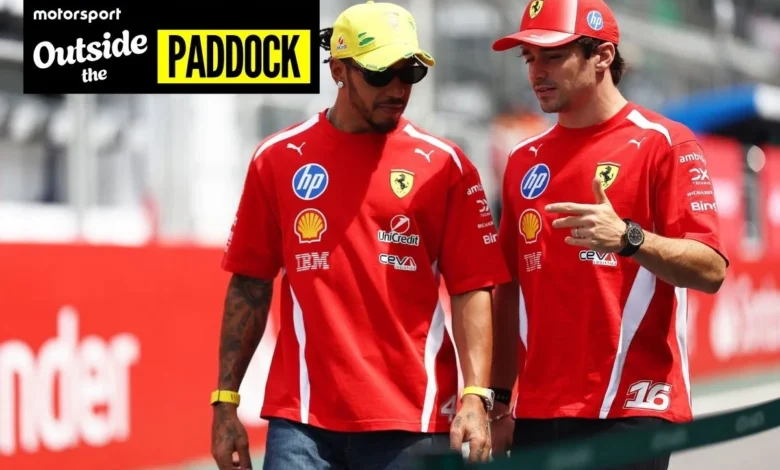
Just forty-eight hours after competing in the high-stakes environment of the Sao Paulo Grand Prix, seven-time Formula 1 world champion Lewis Hamilton shifted his focus from the racetrack to the humanitarian crisis unfolding at the Rafah crossing. On Tuesday, the British driver arrived in El Arish, a city in Egypt’s North Sinai region, to gain a personal understanding of the logistics involved in delivering life-saving aid to the Gaza Strip.
Hamilton was received at the airport by Khaled Megawer, the governor of North Sinai. His visit, which remained largely out of the spotlight during the initial hours, saw him taken on a guided tour of the critical infrastructure supporting the international aid effort. According to reports from the local governorate, Hamilton was given a comprehensive briefing on the systematic process of organizing, inspecting, and dispatching supplies, a process that remains fraught with geopolitical and logistical complications.
A Firsthand View of a Strained Logistics Chain
The Rafah crossing remains one of the few conduits for aid entering Gaza, yet it operates under extreme constraints. During his visit to the Egyptian Red Crescent storage facilities in El Arish, Hamilton observed rows of lorries laden with food, medicine, and emergency equipment. These supplies, intended for a population facing catastrophic levels of food insecurity and medical shortages, are often held in limbo for extended periods.
The complexity of the operation stems from the stringent security protocols enforced on the Gaza side of the border by the Israeli military. These restrictions have resulted in a significant backlog of humanitarian goods, with aid groups frequently reporting that the current volume of deliveries is a mere fraction of what is required to sustain the civilian population. Hamilton’s presence at the border served to highlight the stark reality of these bottlenecks, where thousands of tonnes of aid sit in warehouses or on trucks, waiting for clearance that is often delayed or denied.
Humanitarian Advocacy: A Pattern of Engagement
This visit to the North Sinai is not an isolated instance of Hamilton’s philanthropic engagement regarding the conflict in the Middle East. The driver has consistently leveraged his platform to bring attention to humanitarian crises, demonstrating a commitment that extends well beyond his professional obligations in the F1 paddock.
In December of the previous year, Hamilton traveled to Jordan in collaboration with the British Red Cross. During that visit, he engaged directly with Red Crescent teams who were actively preparing relief parcels destined for Gaza. He also took the opportunity to visit a medical facility that had admitted children evacuated from the conflict zone, providing a visceral look at the human cost of the war. At the time, Hamilton did not shy away from the political reality, stating, "I’ve seen how every box and every parcel is prepared with care, with teams working around the clock to deliver aid to those who need it most. But it’s painfully clear this trickle of aid is not nearly enough."
His advocacy has remained consistent throughout the current racing season. During a media session at the United States Grand Prix in Austin last month, Hamilton was asked about the sport’s potential expansion into Rwanda. He used the platform to issue a broader call for global peace, stating, "I think we need to make sure we’re pushing to free Congo, free Sudan, free Syria, free Palestine. I think there’s a lot of peace that I’m hoping that at some stage we get to."
The Chronology of the 2026 Season and Recent Events
The trip to Egypt occurred in the immediate aftermath of a challenging race weekend at Interlagos, which marked a significant milestone in Hamilton’s career. The Sao Paulo Grand Prix served as his 400th career start—a testament to his longevity and endurance in the sport. However, the race itself proved difficult. Hampered by inconsistent weather conditions and a late-race spin when the rain intensified, Hamilton concluded the event in ninth position.
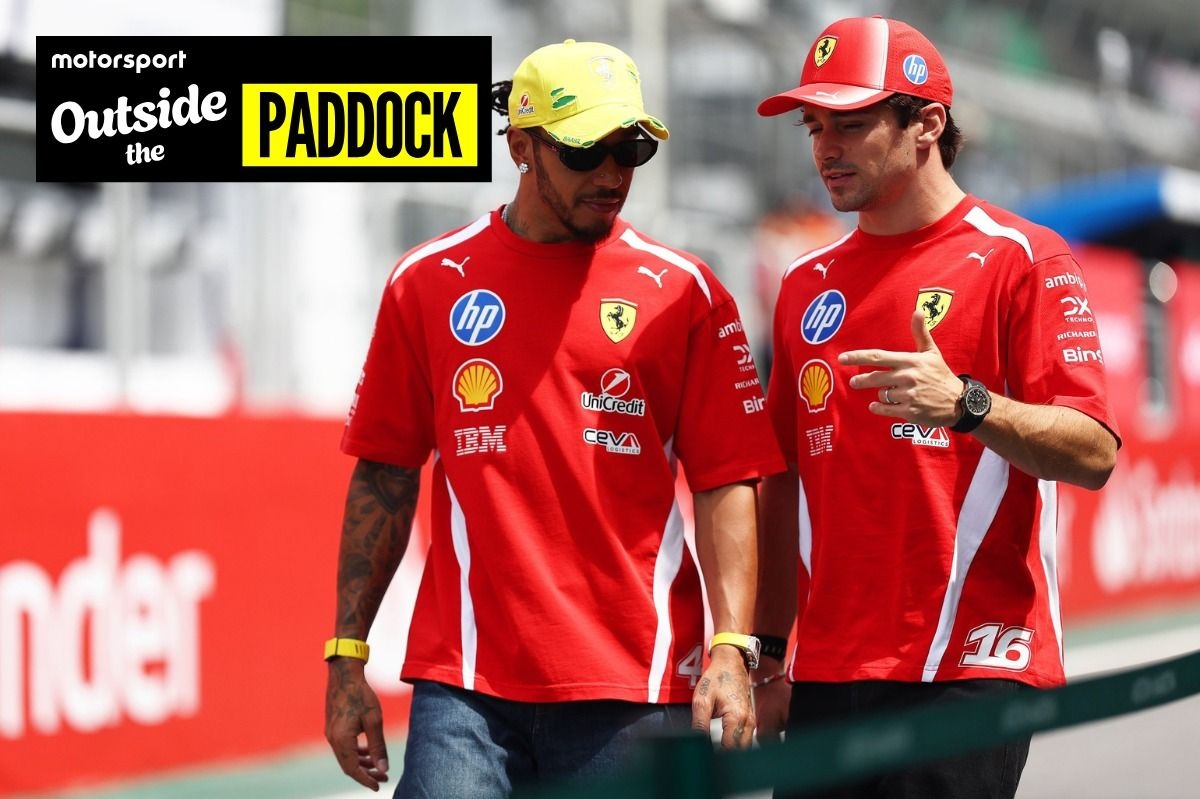
This performance has left him fourth in the current World Drivers’ Championship standings, trailing his former teammate and Mercedes driver George Russell by a single point. As the season enters its final phase, the pressure on the grid is mounting. Hamilton is preparing for the final rounds of the year, beginning with the Las Vegas Grand Prix before the sport moves to the Middle East for the season finale.
Contextualizing the Humanitarian Crisis
The situation at the Rafah border is defined by a complex interplay of international law, regional security, and humanitarian urgency. Since the escalation of the conflict, the United Nations and various NGOs have repeatedly warned that the current pace of aid delivery is insufficient to prevent famine and the collapse of public health systems within Gaza.
Data from the United Nations Office for the Coordination of Humanitarian Affairs (OCHA) suggests that the daily number of aid trucks entering Gaza has consistently fallen below the levels necessary to support the millions of people displaced by the conflict. Factors cited for these shortfalls include the degradation of road infrastructure, ongoing military operations, and the bureaucratic challenges of the inspection process. For an athlete of Hamilton’s global stature to visit the region, it brings renewed international attention to these logistical hurdles, potentially pressuring stakeholders to expedite the flow of aid.
Official Responses and Public Sentiment
While Hamilton himself has not issued a public statement regarding this specific trip to El Arish, the visit has been noted by international media and human rights observers. In the past, his public interventions have drawn both praise for his empathy and scrutiny from those who believe high-profile athletes should refrain from commenting on geopolitical conflicts.
However, supporters of his advocacy argue that given his position as one of the most recognizable figures in global sports, his ability to draw attention to the "forgotten" aspects of the conflict is a vital component of modern sports diplomacy. By physically visiting the border, Hamilton moves beyond symbolic gestures, instead providing a level of visibility that forces a broader public audience to confront the reality of the aid crisis.
Broader Implications for Formula 1 and Athlete Activism
Hamilton’s actions raise broader questions about the role of the modern athlete. In an era where fans and sponsors increasingly demand transparency and social responsibility, drivers are finding it harder to remain neutral. Formula 1, which markets itself as a global sport with a reach into every continent, often finds its travel schedule in direct contrast with the political instability of the regions it visits.
The upcoming races in the Middle East will likely bring these tensions back to the forefront. As the sport moves into the final stages of the 2026 calendar, the focus will inevitably shift back to the track, but the visibility of Hamilton’s off-track activities ensures that the humanitarian reality of the region remains a point of discussion.
For the racing community, the contrast between the high-octane, multi-million dollar world of Formula 1 and the dire circumstances at the Gaza border could not be more stark. By bridging these two worlds, even momentarily, Hamilton is continuing a trend of athlete-led activism that challenges the traditional boundaries of sports celebrity.
As he returns to his Ferrari cockpit for the final races of his tenure with the team, the narrative surrounding Hamilton is no longer confined to his performance in the standings or his transition to a new team. It is increasingly defined by his willingness to engage with the world’s most pressing humanitarian issues. Whether this will influence the discourse around the sport’s involvement in global affairs remains to be seen, but it is clear that Hamilton has no intention of silencing his advocacy as he enters the final chapters of his storied racing career.
Related posts: