2026 Formula 1 champion Kimi Antonelli reflects on his poignant pilgrimage to the Senna family estate ahead of the Brazilian Grand Prix

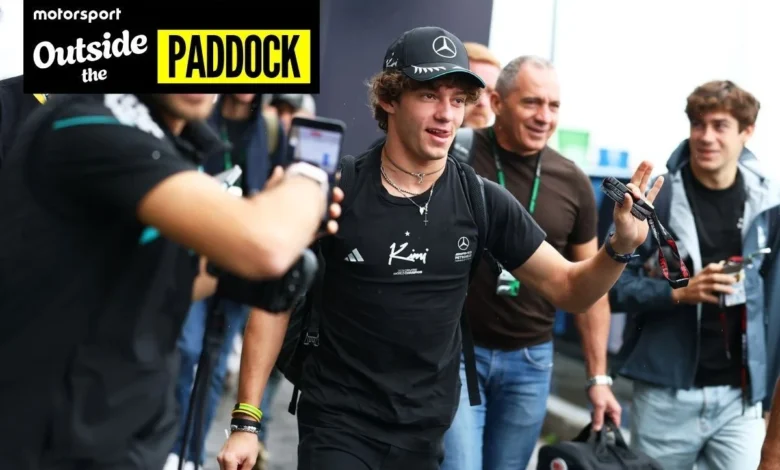
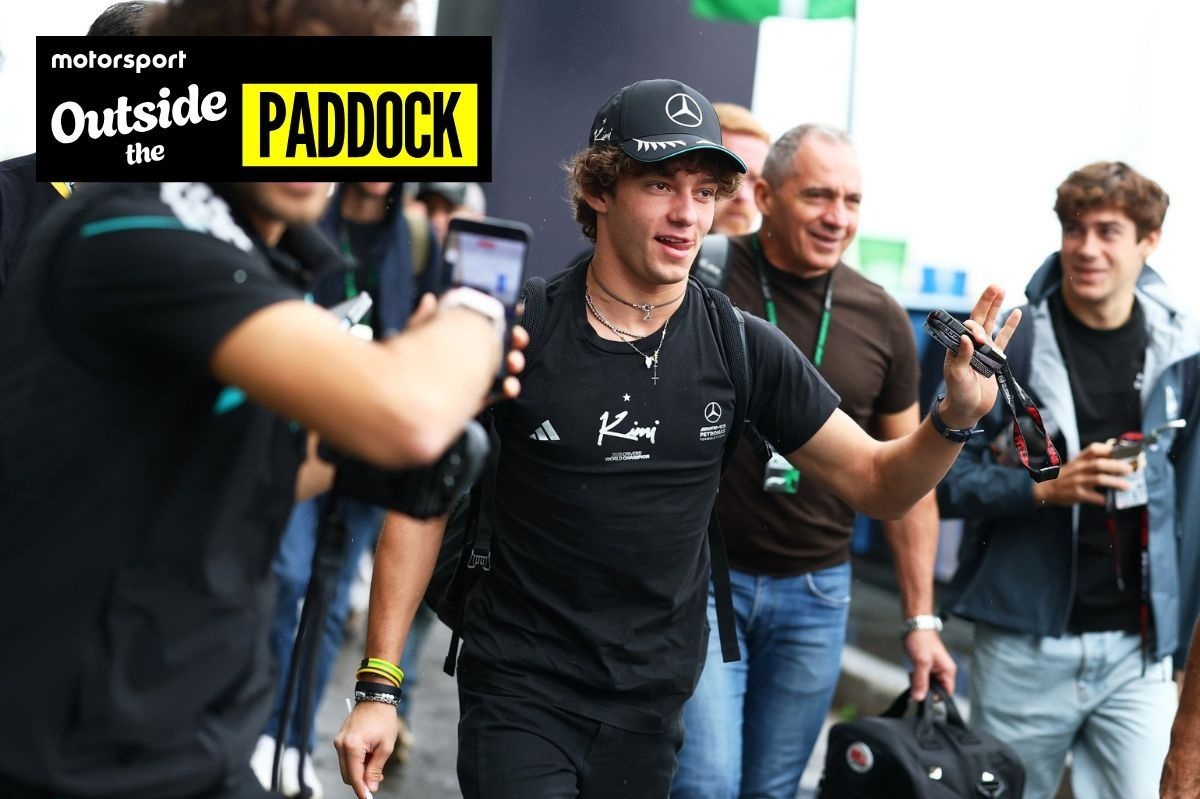
The Formula 1 paddock arrives in Interlagos this week with a sense of renewed reverence as the sport’s newest world champion, Mercedes’ Andrea Kimi Antonelli, prepares to compete in the Brazilian Grand Prix. Having secured the 2026 World Drivers’ Championship in Mexico just days ago, the 20-year-old Italian driver spent his immediate post-title hours on a private visit to Fazenda Dois Lagos, the storied Senna family estate. This visit, which bridged the gap between modern racing success and the sport’s historical foundations, has added a profound layer of emotional weight to this weekend’s racing festivities in São Paulo.
A Journey to the Roots of Brazilian Motorsport
The visit took place on Tuesday, as Antonelli transitioned from the euphoria of his maiden championship win to the solemnity of paying respects to his idol, Ayrton Senna. The Senna family, represented by the three-time world champion’s nephew, Bruno Senna, and nieces, Bianca and Lalalli, hosted the young champion for an immersive experience.
For a driver who grew up studying the telemetry and raw footage of the late Brazilian legend, stepping into the private world of the Senna family was a transformative experience. The highlight of the day was undoubtedly the opportunity to sit in the cockpit of the iconic Lotus 98T, the very machine in which Senna competed during the 1986 season. The Lotus 98T is widely regarded as one of the most powerful and demanding cars of the turbocharged era, serving as a testament to the sheer physical and mental fortitude required to navigate Formula 1 during the mid-1980s.
Antonelli, visibly moved during media engagements at the Interlagos circuit, spoke candidly about the difficulty of compartmentalizing such an experience. "I was truly emotional," the Mercedes driver stated. "It was a very, very special day, a day that I will remember forever. I am eternally thankful to the Senna family for granting me such access. Being allowed to sit in the car was a privilege beyond words."
Chronology of a Championship Week
The timeline of the past week has been a whirlwind for the young Mercedes prodigy. On Sunday in Mexico, Antonelli crossed the finish line to mathematically seal the 2026 title, becoming one of the youngest champions in the history of the sport. The pressure of the final laps in Mexico City quickly gave way to the logistics of travel and the anticipation of the Brazilian leg of the calendar.
By Tuesday, Antonelli, accompanied by his father, Marco, had arrived at the rural estate. The visit was not merely a ceremonial walk-through; it was a deep dive into the environment that shaped one of the greatest athletes of the 20th century. The estate, which features its own private karting circuit, allowed for a moment of levity and shared passion. Bruno Senna noted via social media that the visit included a "karting lesson," highlighting the enduring nature of the Senna family’s commitment to the development of young racing talent.
The Significance of the Interlagos Tribute
This weekend’s race carries specific historical weight. It marks the 35th anniversary of Ayrton Senna’s first-ever victory at his home race in Interlagos, a triumph that came in 1991 under grueling conditions, where his gearbox failed, leaving him to drive the final laps with only sixth gear.
In recognition of this legacy, Antonelli has unveiled a special, one-off helmet livery for the Brazilian Grand Prix. The design, which incorporates elements that pay homage to the classic yellow, green, and blue of the Brazilian flag and the iconic motifs associated with the Senna family, has been met with widespread approval from the racing community.
"This one means a lot to me," Antonelli wrote in his announcement. "It is a tribute to my idol and to Brazil. I hope the fans appreciate the design as much as I appreciate the history it represents."
Supporting Data and Contextual Analysis
To understand the gravity of Antonelli’s pilgrimage, one must consider the historical context of the Mercedes-Senna connection. While Senna famously drove for Toleman, Lotus, McLaren, and Williams, his legacy remains a cornerstone of the sport’s global marketing and brand identity.
The inclusion of the 1986 Lotus 98T in the visit is particularly relevant for students of F1 history. During the 1986 season, the Lotus 98T was equipped with the Renault EF15B engine, capable of producing over 1,000 horsepower in qualifying trim. The car was notorious for its extreme turbo lag and erratic handling, yet it propelled Senna to two victories and eight pole positions. For a contemporary driver like Antonelli—who operates within the highly regulated, high-downforce, and hybrid-electric era—engaging with the raw, unrefined power of a 1980s turbo car provides a stark reminder of the evolution of automotive engineering.
Institutional and Family Reactions
The reception from the Senna estate has been universally warm. The family has long been protective of Ayrton’s legacy, typically choosing to engage only with individuals who demonstrate a deep respect for the values of discipline, excellence, and social responsibility that he championed.
Industry analysts suggest that the invitation extended to Antonelli indicates a passing of the torch. By inviting the current world champion to the estate, the Senna family is actively signaling their support for the next generation of Formula 1 leadership. "The family was very open about showing me the places where Ayrton spent most of his time," Antonelli remarked. "Walking into his room, seeing his personal space—it made the legend feel human. It was surreal to realize that this was where the man who changed the sport lived."
Broader Implications for the Sport
The impact of this visit extends beyond the sentimental. As Formula 1 continues to expand its global footprint, the maintenance of its historical narrative is essential for fan engagement. Antonelli’s public displays of admiration for the sport’s past serve to anchor the current, hyper-modern era of the sport to its roots.
Furthermore, this interaction highlights the maturation of Antonelli as a public figure. At 20 years old, carrying the weight of a world championship title, he is now navigating the responsibilities that come with being the face of the sport. His ability to acknowledge the giants upon whose shoulders he stands is seen by team principals and media members alike as a sign of his long-term viability as a global ambassador for Formula 1.
Conclusion: A Legacy Carried Forward
As the engines roar to life at Interlagos, the presence of Kimi Antonelli, wearing his tribute helmet and carrying the memories of his day at Fazenda Dois Lagos, adds a layer of depth to the upcoming Grand Prix. The race is no longer just a contest for points or podiums; it is a continuation of a dialogue that began decades ago.
Antonelli’s performance this weekend will be closely watched, not just for his technical skill on the track, but for how he embodies the spirit of a sport that is currently experiencing a massive surge in popularity. The young champion has successfully bridged the divide between the legends of the past and the technology of the future, ensuring that the name Ayrton Senna remains a focal point of the sport’s ongoing story. As the lights go out on Sunday, the focus will shift back to the tarmac, but the shadow of the 1986 Lotus 98T and the quiet rooms of a Brazilian estate will surely loom large in the mind of the man in the lead car.