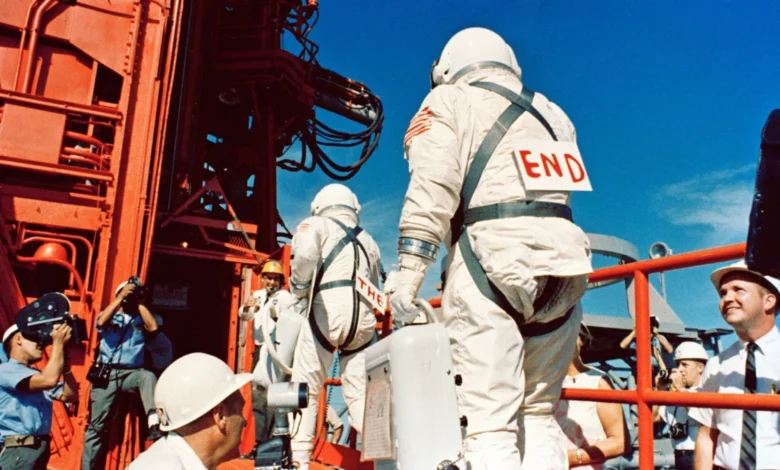
On November 11, 1966, NASA launched the Gemini 12 mission, a pivotal flight that served as the final chapter of the Gemini program and provided the critical operational blueprint required for the Apollo lunar landings. Carrying astronauts Jim Lovell and Buzz Aldrin into low Earth orbit, the mission was designed to resolve lingering technical challenges that had plagued earlier attempts at extravehicular activity (EVA) and orbital rendezvous. By the time the crew splashed down in the Atlantic Ocean four days later, they had validated the procedures and training methodologies that would eventually make the moon accessible to humanity.
The Context: A Program Under Pressure
The Gemini program was conceived as a bridge between the modest goals of the Mercury missions and the immense complexity of the Apollo program. While Mercury proved that humans could survive in space, Gemini was tasked with proving that they could work there. To land on the moon, NASA engineers knew that crews would need to perform two essential tasks: docking two spacecraft together in orbit and conducting productive work outside of the craft.
By late 1966, however, the program was struggling. Earlier spacewalks had proven unexpectedly difficult. Astronauts frequently found themselves exhausted, overheating, and unable to maintain a stable position, often spinning helplessly in the vacuum of space. The lack of handholds and the inability to anchor the body meant that every movement caused a reaction, turning simple tasks into monumental physical ordeals. Gemini 12 was intended to be the final opportunity to fix these issues before the focus shifted entirely to the Apollo hardware.
Mission Chronology: The Road to Orbit
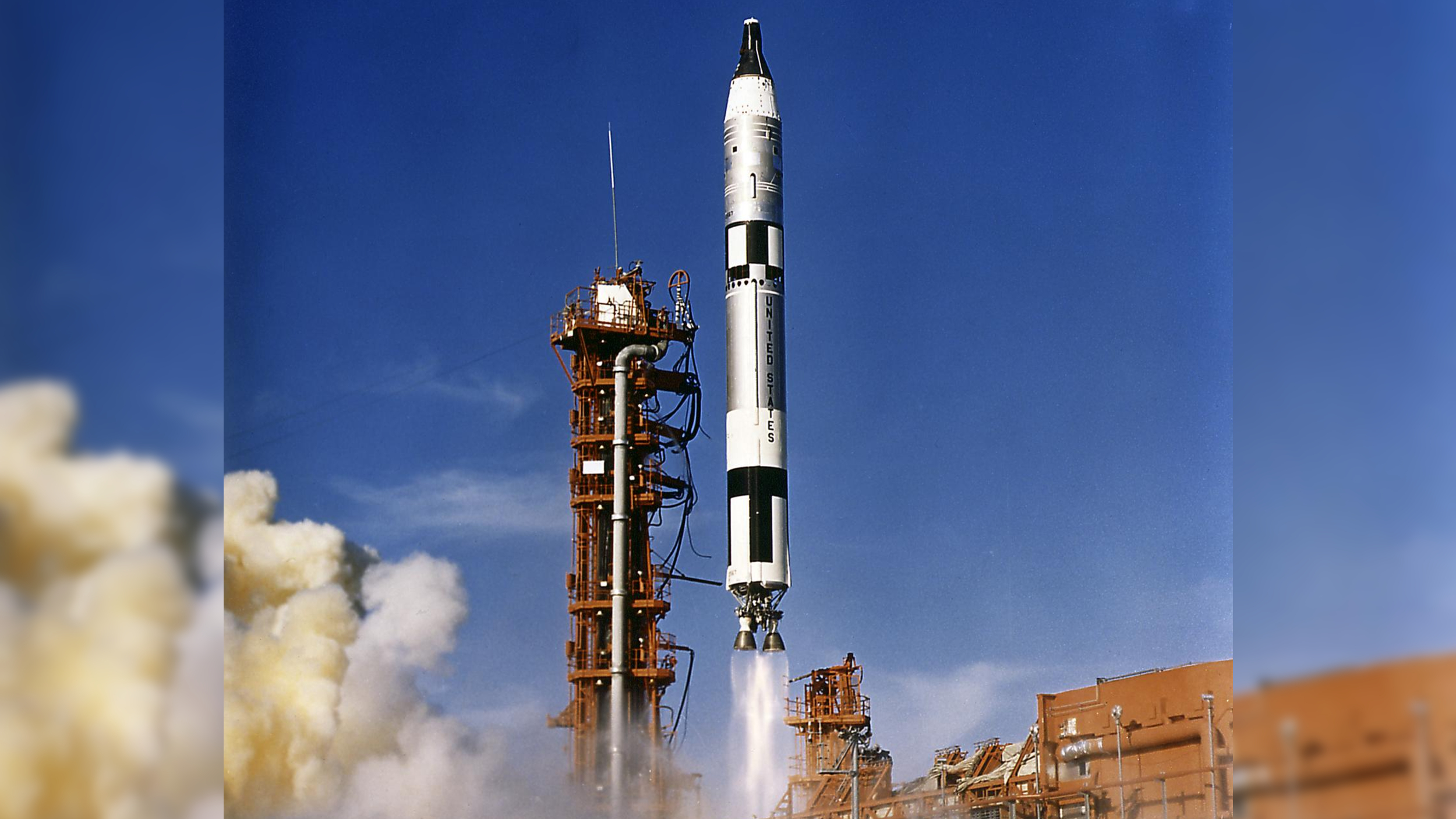
The mission began on a crisp November morning at Cape Kennedy. The launch of the Gemini 12 spacecraft, propelled by a Titan II rocket, followed the launch of an unpiloted Agena Target Vehicle by only 90 minutes. This tight window was necessary to test the feasibility of rapid rendezvous and docking, a skill essential for any lunar mission involving a Lunar Module and a Command/Service Module.
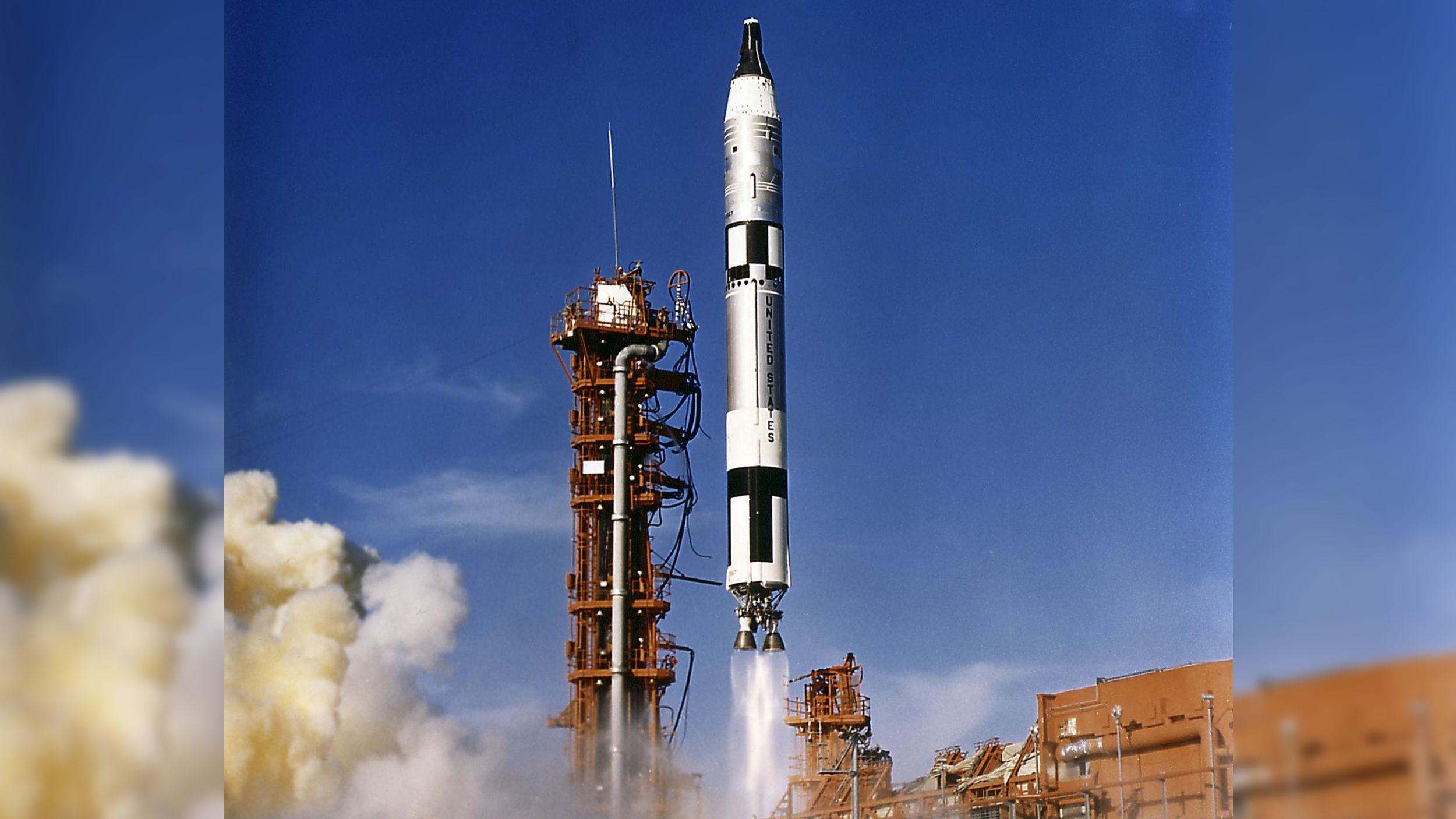
The mission almost faced an early setback when the radar on the Gemini capsule malfunctioned during the pursuit of the Agena. With the radar offline, the crew was forced to rely on "star-tracking" and manual calculations using a handheld sextant—a technique developed by Aldrin. This improvisation demonstrated the necessity of having highly trained pilots who could troubleshoot mechanical failures in real-time, a trait that would define the astronaut corps for decades.
Once rendezvous was achieved, the crew docked with the Agena, using it to adjust their orbit. The mission schedule was dense, focusing on three distinct spacewalks, a record for the era, designed to test various restraint systems, including foot restraints, handrails, and tethers.
Technical Innovations in EVA
The primary failure of previous Gemini EVAs was the lack of stabilization. For Gemini 12, NASA implemented a series of hardware upgrades based on lessons learned from the grueling experiences of earlier crews. These included the installation of specialized handholds and, crucially, foot restraints.
Buzz Aldrin, a scientist-astronaut with a doctorate in astronautics from MIT, proved to be the ideal candidate for these experiments. During his spacewalks, Aldrin moved with a level of precision that had previously been absent. He performed tasks such as tightening bolts, cutting wires, and installing equipment, proving that an astronaut could perform useful labor in orbit without becoming exhausted. These activities lasted over five hours in total, a duration that silenced critics who believed that prolonged EVA was physically impossible for human beings.
The Underwater Simulation Revolution
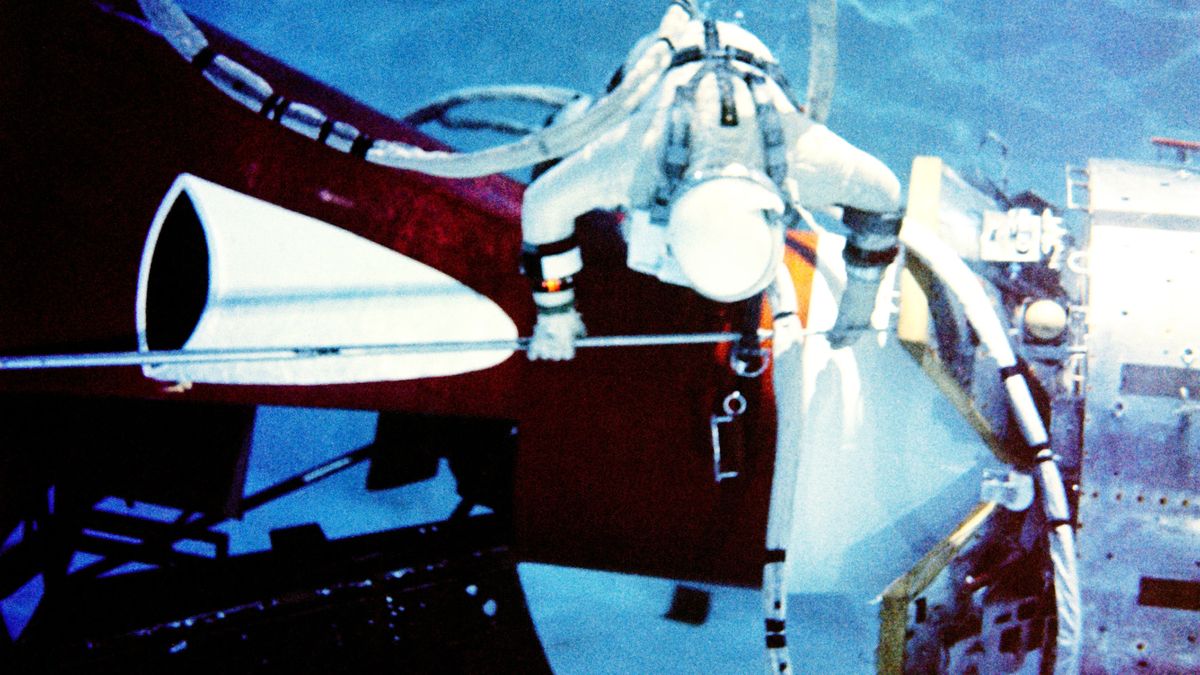
Perhaps the most significant legacy of Gemini 12 was the validation of neutral buoyancy training. Recognizing that the microgravity environment of space could not be replicated for long periods on Earth, NASA turned to a water-based solution. Aldrin performed extensive rehearsals for his spacewalks in a large water tank in Maryland.
By submerging himself in a full-scale mockup of the spacecraft, Aldrin was able to experience a sensation of "weightlessness" that allowed him to practice his movements until they became muscle memory. This methodology proved so effective that it remains the gold standard for spacewalk training today. The modern-day Neutral Buoyancy Laboratory in Houston—a massive 6.2-million-gallon pool housing full-scale models of the International Space Station—is the direct descendant of the small-scale experiments conducted by Aldrin and his ground support team in 1966.
Mission Data and Performance
The mission concluded on November 15, 1966, after 94 hours and 34 minutes of flight. The reentry process was another significant milestone, as the crew utilized a computer-controlled landing system. The capsule splashed down just three miles from the recovery ship, the USS Wasp, in the Atlantic Ocean. This accuracy demonstrated that NASA had mastered the complex physics of orbital reentry, a skill that would be vital for the high-speed returns of the Apollo missions from the moon.
Key statistics from the mission include:
- Total duration: 3 days, 22 hours, 34 minutes.
- Orbits completed: 59.
- Spacewalk duration: 5 hours and 30 minutes of cumulative EVA time.
- Docking accuracy: Successful docking with the Agena target on the first day.
The Path to Apollo
The success of Gemini 12 provided the psychological and technical momentum required to push the Apollo program forward. NASA leadership, including figures such as Director of Flight Crew Operations Deke Slayton, noted that the mission effectively checked off the final boxes on the "to-do list" for lunar exploration.
Jim Lovell, the commander of the mission, would go on to command the harrowing Apollo 13 mission, where his expertise in navigating and managing limited resources—much like the radar-less rendezvous of Gemini 12—would play a vital role in the crew’s survival. Buzz Aldrin, having mastered the art of working in a vacuum, would apply those same skills to the lunar surface as the second man to step onto the moon during the Apollo 11 mission in 1969.
Broader Implications and Historical Legacy
Historians of space exploration often point to Gemini 12 as the moment the "space race" transitioned from an experimental phase into an operational one. The shift from simply surviving in space to mastering the mechanics of orbital maneuvers and external assembly allowed NASA to move toward the Moon with a higher degree of confidence.
Beyond the immediate goal of lunar landing, the techniques validated during the mission—specifically the use of underwater training and the development of standardized EVA tools—laid the groundwork for every major space construction project that followed. From the repair of the Hubble Space Telescope to the modular assembly of the International Space Station, the fundamental principles of working in space were essentially codified during those three spacewalks in November 1966.
The mission proved that the human body, when equipped with the right tools and proper training, could adapt to the environment of space. By ending the Gemini program on such a high note, NASA signaled to the global community that the limitations of human endurance were no longer an impediment to exploring the solar system. The legacy of Gemini 12 is not found in the headlines of 1966, but in the enduring infrastructure of modern spaceflight and the continued presence of humans in orbit. As the agency looks toward future missions to the Moon and beyond, the foundational work of Lovell and Aldrin remains a testament to the power of methodical, evidence-based engineering in the most extreme environment known to humanity.
Related posts: