Bridget Fonda Steps Out for Rare Appearance in Los Angeles 24 Years After Last Acting Role

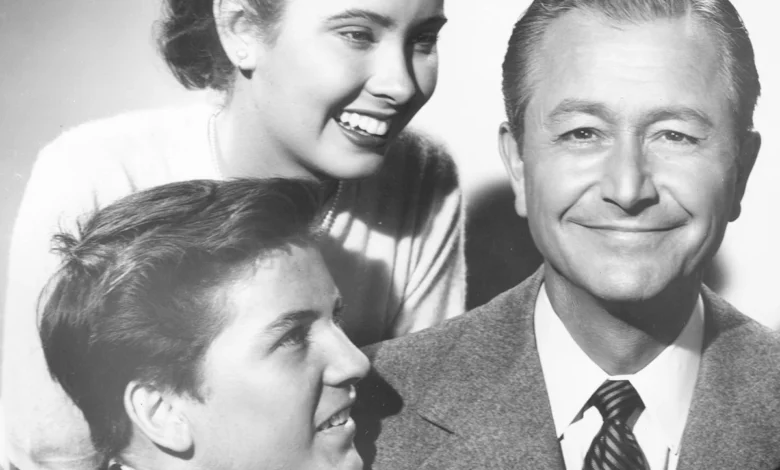
The landscape of modern entertainment is continually shaped by those who choose to remain within its spotlight and those who deliberately step away from it. Recently, rare public sightings of long-retired entertainment figures have reignited a broader cultural conversation regarding the pressures of celebrity, the pursuit of personal fulfillment, and the complex realities of life outside the Hollywood ecosystem. While former child star Billy Gray recently made headlines with an unexpected public outing nearly half a century after leaving the industry, the phenomenon of walking away from Tinseltown remains a recurring narrative for many celebrated actors, musicians, and public personalities. Across generations, artists have continually chosen to trade multi-million-dollar film sets and relentless press tours for quieter lives focused on family, community, and personal reinvention.
The Evolution of Celebrity Exits and Industry Pressures
The decision to leave mainstream entertainment is rarely impulsive; rather, it is often the culmination of years of scrutiny, shifting personal priorities, and the relentless demands of a 24-hour media cycle. For decades, Los Angeles served as the undisputed epicenter of the global entertainment economy, drawing ambitious performers from around the world. However, demographic and cultural shifts over the last ten years have accelerated a trend of high-profile departures. Industry analysts note that rising costs of living, shifting tax structures, heightened safety concerns, and the suffocating presence of paparazzi have prompted numerous high-profile individuals to relocate permanently to international destinations or rural enclaves.
This modern diaspora of talent spans multiple entertainment sectors. While some artists migrate abroad for marriage or business ventures, others retreat to the countryside seeking psychological distance from an industry heavily fixated on youth, physical appearance, and perpetual relevance. The psychological toll of being perpetually evaluated by public opinion often leads to what sociologists describe as intentional career de-escalation—a deliberate choice to step off the commercial treadmill in favor of agency and mental well-being.
International Relocation: Seeking Simplicity Across the Globe
A significant portion of departed public figures has chosen to relocate across international borders, finding anonymity and a slower pace of life in Europe, the United Kingdom, and the Southern Hemisphere.
For prominent media figures and actors alike, moving overseas offers both a physical buffer from domestic media scrutiny and a culturally distinct environment. Notable television and film personalities have openly cited the charm of European village architecture, strict privacy laws regarding public figures, and a greater emphasis on community life as primary motivators for their relocations. For families with young children, the desire to provide a bilingual education, safe public spaces, and an upbringing free from the hyper-competitive pressures of elite Los Angeles private schools frequently dictates these major life changes.
Furthermore, international moves frequently align with new entrepreneurial pursuits. From launching sustainable food brands and managing boutique hospitality ventures to establishing international business headquarters, these former stars leverage their global mobility to build diversified portfolios independent of studio greenlights and box-office returns.
The Pursuit of Alternative Passions and Academic Endeavors
Beyond geographical relocation, many individuals who step away from the entertainment industry redirect their formidable work ethic toward entirely unrelated professional fields. The transition from performance arts to intellectual, scientific, or therapeutic pursuits highlights a desire for tangible, measurable impact.
Former Disney Channel stars and critically acclaimed film actors alike have famously paused successful acting careers to pursue rigorous academic credentials at elite institutions, including the Massachusetts Institute of Technology, Harvard University, and specialized graduate programs. These educational pursuits frequently translate into entrepreneurial ventures, such as pioneering aerospace technology startups, advancing sustainable agriculture, or developing scalable solutions for environmental conservation.
Similarly, other former performers have immersed themselves deeply in the wellness and mental health sectors. By obtaining professional certifications in specialized therapies, public health, or counseling, these individuals pivot toward roles centered on human healing and community service. This shift underscores a profound philosophical transition: moving away from a career focused on receiving external validation toward one grounded in internal purpose and societal contribution.
The Complex Reality of Industry Return and Permanent Retirement
While many high-profile departures are intended to be permanent, the entertainment industry maintains a persistent gravitational pull. The boundary between permanent retirement and indefinite hiatus is frequently porous, influenced by compelling creative projects, trusted collaborators, or nostalgic revivals.
Industry data indicates that while a majority of actors who step away for family reasons or personal burnout do not return to full-time studio schedules, selective cameos or passion projects occasionally lure them back. Directors and producers frequently employ personal appeals, leveraging long-standing friendships to convince retired talent to participate in singular cinematic or television endeavors. Nevertheless, these occasional returns typically occur on the artist’s own terms—characterized by strict scheduling boundaries, limited press commitments, and complete creative control—contrasting sharply with the grueling promotional obligations of their earlier careers.
For those who maintain a definitive stance against returning, the motivation remains rooted in self-preservation. Memoirs, independent podcasts, and rare interviews frequently reveal deep-seated resentments toward past exploitation, restrictive contractual obligations, or the intense psychological vulnerability required by commercial performance. For these individuals, the peace found in ordinary daily routines—gardening, parenting, writing, or quiet community engagement—vastly outweighs the fleeting allure of fame and commercial accolades.
Broader Implications for the Future of Entertainment
The ongoing trend of talent migration and strategic retirement signals a fundamental shift in how modern society views celebrity status. As digital connectivity blurs the lines between public visibility and private life, the mystique surrounding Hollywood has steadily diminished. Artists no longer view studio contracts as life sentences, and the cultural narrative has increasingly embraced the validity of walking away from success when it no longer serves one’s physical or mental health.
Ultimately, whether these public figures permanently trade the red carpet for rural tranquility, international exploration, or academic rigor, their choices reflect a broader cultural awakening. Success is increasingly defined not by sustained box-office dominance or relentless media saturation, but by autonomy, peace of mind, and the freedom to author one’s own legacy far away from the flashing lights of Los Angeles.