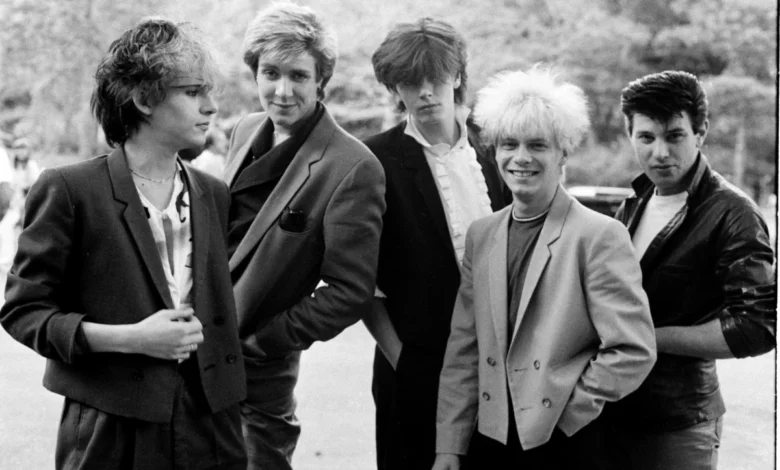
The landscape of modern rock history shifted on Thursday, November 12, as Roger Taylor, the iconic drummer and a founding pillar of the new wave pioneers Duran Duran, announced his permanent departure from the band. Citing a progressive decline in his auditory health, Taylor confirmed his retirement from professional drumming, marking the end of a career that spanned nearly five decades. This decision, described by the 66-year-old musician as one of the most challenging of his life, arrives following a formal medical diagnosis of worsening tinnitus, a condition that poses significant risks to his long-term well-being.
A Career Defined by Rhythm and Reunion
Roger Taylor’s influence on the sound of the 1980s cannot be overstated. He was integral to the band’s meteoric rise during their formative years, beginning in 1979. As a foundational member, he provided the driving, dance-oriented percussion that defined the group’s "New Romantic" aesthetic, anchoring seminal hits such as "Rio," "Hungry Like the Wolf," and "Save a Prayer."
His tenure with the band occurred in two distinct, high-impact chapters. The first, lasting from 1979 to 1985, saw the band achieve global superstardom and define the MTV era. After an extended hiatus, Taylor’s return in 2001 served as a catalyst for a celebrated second act. His comeback for the original line-up reunion was not merely a nostalgic exercise; it solidified the band’s relevance in the 21st century, resulting in six additional chart-topping albums and extensive world tours that filled stadiums across continents.
The Medical Imperative: Confronting Tinnitus
The announcement underscores the increasingly vocalized issue of hearing health within the professional music industry. Tinnitus, characterized by a persistent ringing or buzzing in the ears, is a common but often debilitating occupational hazard for musicians exposed to high-decibel environments over extended periods.
In his personal statement, Taylor was candid about the necessity of his decision. "Playing drums in this band has been the joy of my life," Taylor noted, acknowledging the profound emotional weight of his departure. "But the truth is that my tinnitus has been getting steadily worse, and I’ve reached the point where I must now listen to my body and my doctors."
Medical experts often advise that continued exposure to high-intensity sound after the onset of chronic tinnitus can exacerbate the condition, potentially leading to irreversible hearing loss. By stepping down now, Taylor is prioritizing his long-term health, a move that has been met with widespread understanding from both his bandmates and the global music community.
A Chronology of Artistic Milestones
Taylor’s departure follows a particularly prolific period for the band, which many fans and critics view as a "golden hour" for the group. The trajectory of the past few years has been marked by significant artistic and commercial achievements:
- 2021–2023: The band maintained a rigorous schedule, including a high-profile induction into the Rock & Roll Hall of Fame in 2022, a recognition that cemented their legacy as one of the most influential acts of their generation.
- 2023: The group released the critically lauded album Danse Macabre, which demonstrated their ability to adapt to contemporary production styles while retaining their signature sound.
- 2025–2026: The band continued their collaboration with legendary producer Nile Rodgers, releasing the single "Free To Love," which earned praise for its modern disco sensibilities.
- Late 2026: The conclusion of a massive UK and European arena tour served as the final chapter of Taylor’s tenure. The tour was notable for its scale and for a surprise guest appearance by The Strokes’ guitarist Nick Valensi during the Paris performance, highlighting the band’s enduring cross-generational appeal.
Official Statements and Internal Solidarity
The remaining members of the band—vocalist Simon Le Bon, keyboardist Nick Rhodes, and bassist John Taylor—issued a joint statement that emphasized the camaraderie and brotherhood shared over the decades. Describing Roger as the "heart of the band’s sound," the trio expressed their full support for his decision.
"His drumming helped define the sound of Duran Duran from the very beginning, and having him back with us since 2001 has been incredibly important to us all," the statement read. "We completely support his decision and wish him health and happiness. He will always be part of this family."

The tone of the response suggests a amicable transition, one that honors the contribution of the departing member while signaling the band’s intention to persevere.
The Broader Implications for Duran Duran
The retirement of a core member of a legacy act always prompts questions regarding the group’s future trajectory. For Duran Duran, this transition comes at a time when they are actively negotiating their future performance schedule, most notably regarding the Glastonbury Festival.
For several years, the band has maintained a firm stance on their participation in the world-renowned UK festival, insisting on a headline slot on the Pyramid Stage. Simon Le Bon’s previous comments to NME regarding the negotiations remain relevant: "We have had the chance to do it before, but it wasn’t playing the main stage and I think we’d like to be doing that for sure. I’m sure we’re in negotiations, and if not, we will be."
The loss of Taylor will necessitate a shift in the band’s live infrastructure. While the music industry is accustomed to band members retiring or being replaced, the unique chemistry of the "original four" has been a significant marketing and creative point for the band since 2001. Analysts suggest that the band will likely spend the coming months determining whether to seek a permanent replacement for the drum chair or to utilize guest percussionists for future live performances.
Industry Context and the "Quiet Crisis"
Taylor’s retirement serves as a reminder of the physical toll of rock stardom. Over the last decade, numerous high-profile musicians—including Phil Collins, Brian Johnson of AC/DC, and Huey Lewis—have been forced to grapple with health issues that curtailed their ability to perform.
In the case of drummers, the physical requirements of the instrument, combined with the extreme volume levels required for live arena performances, place them at a higher risk for hearing-related complications. The decision by Roger Taylor to step away at a "high point"—having completed a successful tour and received prestigious industry recognition—is being framed by industry observers as a responsible approach to a difficult reality.
Looking Ahead: The Legacy Continues
As Duran Duran turns its attention to the summer of 2027 and beyond, the focus remains on their enduring catalog and their ability to reinvent their sound. While the loss of a founding member is undoubtedly a major transition, the band’s statement suggests that their creative momentum remains intact.
Roger Taylor leaves behind a body of work that spans the transition from analog to digital, from the synth-pop explosion of the early 80s to the globalized music industry of the 2020s. His final tour, which concluded on a note of triumph, provides a fitting bookend to an illustrious career. For the millions of fans who have followed the band since their Birmingham origins, this transition marks the end of an era, but it also highlights the resilience of a group that has consistently navigated the pressures of fame, shifting musical trends, and the inevitability of change.
The band is expected to make further announcements regarding their future touring plans and potential studio projects in early 2027, as they enter a new phase of their storied existence without the man who provided the heartbeat of their music for so many years.
Related posts: