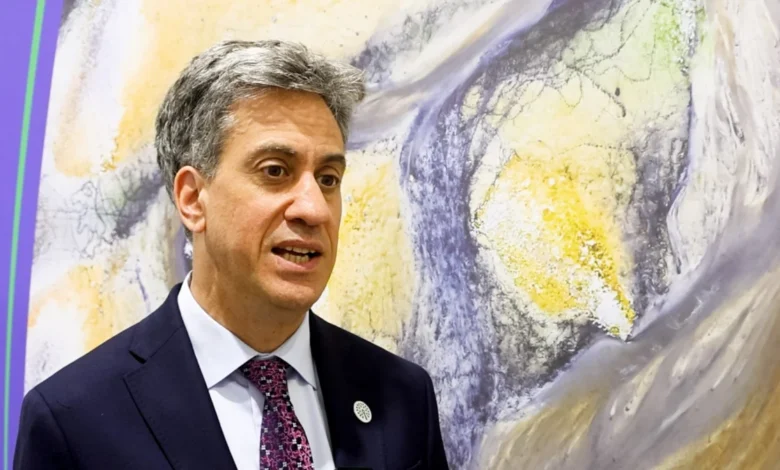
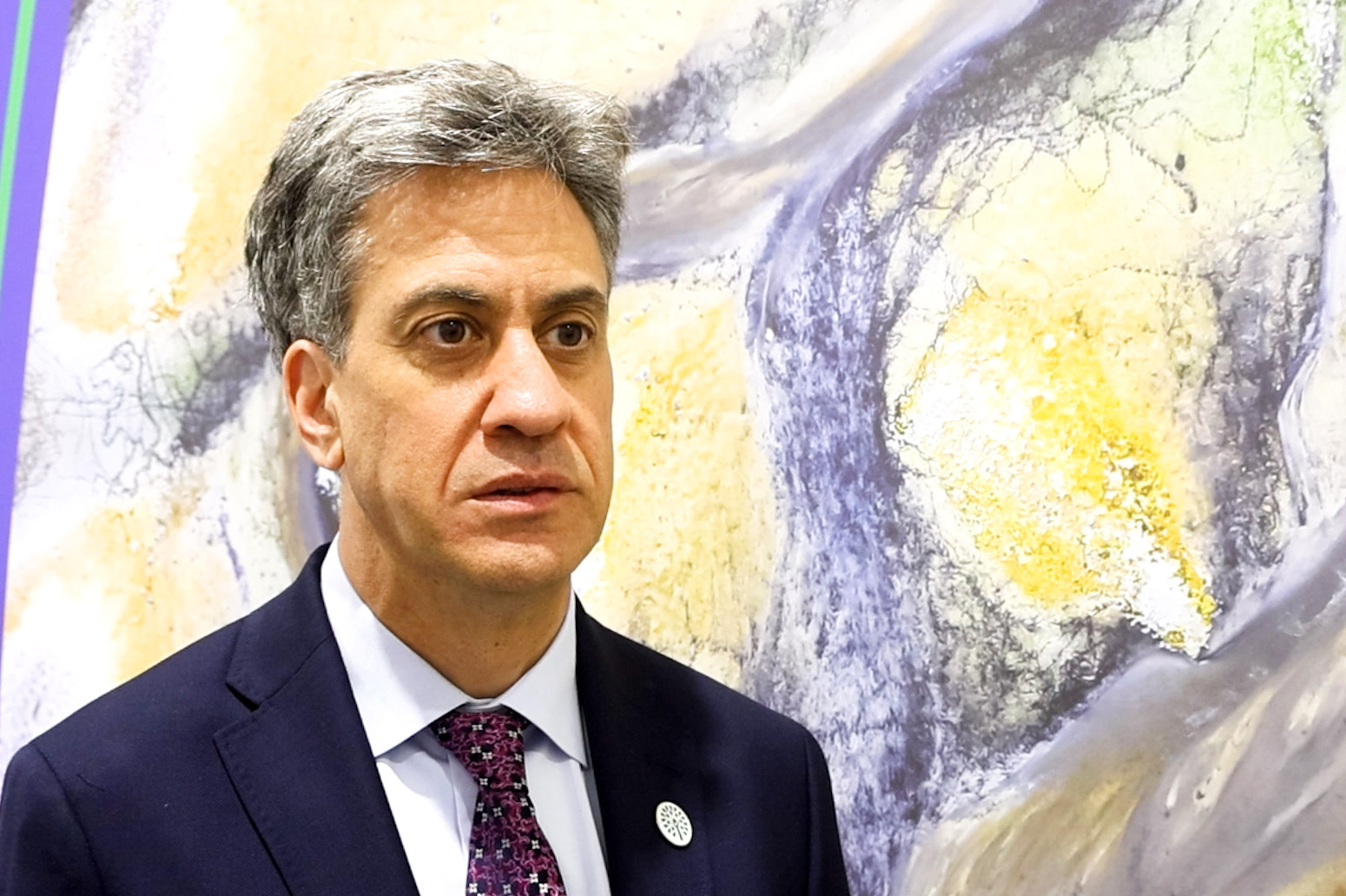
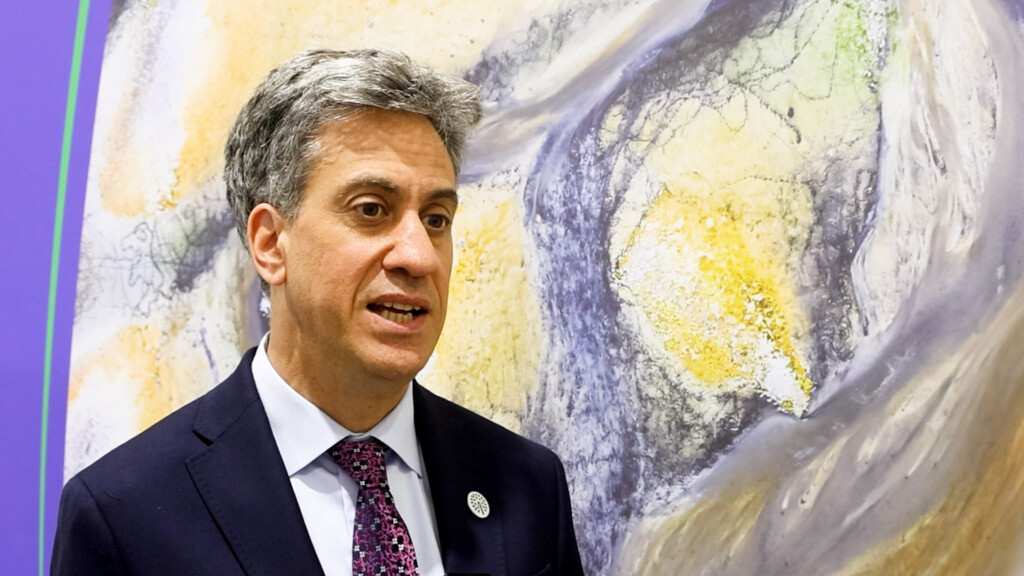
UK Foreign Secretary Ed Miliband has reaffirmed the British government’s commitment to global climate leadership, even as the administration faces mounting pressure over domestic fossil fuel policies and shifting international environmental targets. Speaking exclusively to Carbon Brief from the sidelines of the COP31 climate summit in Antalya, Turkey, Miliband addressed a series of critical questions regarding the UK’s trajectory toward net-zero, the controversial approval of the Jackdaw gas field, and the necessity of multilateral cooperation in an increasingly fractured geopolitical landscape.
The COP31 summit, which has drawn thousands of diplomats, scientists, and policy experts to the Turkish coast, serves as a pivotal moment in the ongoing efforts to operationalize the Paris Agreement. While the global community continues to grapple with the realities of a warming planet—with current projections pointing toward a 2.5C to 2.6C temperature increase—the UK’s role remains a subject of intense debate among climate activists and industry stakeholders alike.
The Balancing Act: Domestic Energy vs. Global Ambition
The UK government’s recent decision to approve the Jackdaw gas field in the North Sea has served as a lightning rod for criticism. Climate campaigners have argued that such projects are fundamentally incompatible with the UK’s stated net-zero objectives. When pressed on whether these approvals undermine the UK’s standing on the world stage, Miliband rejected the notion of a decline in leadership.
"People see us as showing leadership," Miliband stated. "What people see is a government that is driving the agenda on electrification and clean power." He pointed specifically to the UK’s ‘Clean Power 2030’ target as a cornerstone of the current administration’s policy, characterizing it as a world-leading initiative. Furthermore, he emphasized that the government is legislating to end new oil and gas licensing rounds, which he framed as a structural shift away from traditional hydrocarbons.
From a policy analysis perspective, the government is attempting to reconcile the immediate imperatives of national energy security with its long-term climate commitments. Miliband argued that climate action is now inextricably linked to national security, a message he believes resonates across the global political spectrum. "If you’re serious about national security, you need to be serious about climate," he noted, highlighting that dependence on volatile international fossil fuel markets leaves nations vulnerable to price shocks and geopolitical coercion.
Chronology of Recent UK Climate Policy
The UK’s path to the current COP31 negotiations has been marked by a series of high-stakes policy shifts. Understanding this timeline is essential to interpreting the current diplomatic atmosphere:
- 2024: The new administration inherits a challenging fiscal and energy landscape, characterized by reliance on imported fossil fuels and ambitious but difficult-to-achieve climate targets.
- 2025: Miliband introduces the first annual climate and nature statement, signaling a shift toward greater transparency in government reporting on environmental goals.
- October 2026: The government faces significant backlash following the approval of the Jackdaw gas field, reigniting debates about the consistency of UK energy policy.
- November 2026 (COP31): The UK officially endorses the ’35×35′ electrification pledge, committing to accelerating the transition to clean energy systems to reduce reliance on imported fuels.
Financial Hurdles and Multilateral Development Bank Reform
A central theme of COP31 has been the acute fiscal pressure facing both developed and developing nations. As the UK navigates its own budget constraints, the question of how to mobilize the necessary capital for climate resilience and energy transition in the Global South remains paramount.
Miliband identified the reform of Multilateral Development Banks (MDBs) as the most effective mechanism for addressing this shortfall. By optimizing the balance sheets of institutions like the World Bank, he suggested that hundreds of billions of dollars could be unlocked for climate-resilient infrastructure. "We need to make sure that the MDBs work to the maximum for developing countries," Miliband explained. The UK plans to utilize its upcoming G20 presidency in 2027 to lead a coordinated effort to push these institutions toward more aggressive lending practices for climate projects.
The Future of the COP Process
Despite growing skepticism regarding the effectiveness of annual UN climate summits—with some analysts suggesting that the process has become a "talking shop"—Miliband remains a staunch defender of the institution. He draws a direct line from the acrimonious 2009 Copenhagen summit to the current era of progress, noting that global warming projections have improved from a catastrophic 4C trajectory to a more manageable, albeit still dangerous, 2.6C.
"Multilateralism is the reason we have made progress," Miliband insisted. He views the COP not merely as a venue for formal negotiations, but as a crucial engine for ‘coalitions of the willing.’ During the Antalya summit, these coalitions have been active in areas such as forest protection, industrial policy, and methane reduction. Miliband highlighted methane as a priority, noting that rapid reductions in methane emissions offer one of the most effective ways to slow the rate of near-term temperature rise.
Implications of the ’35×35′ Electrification Pledge
The UK’s formal endorsement of the ’35×35′ electrification pledge, confirmed shortly after the interview, marks a significant commitment to decarbonizing the energy sector. The pledge aims to drastically increase the deployment of renewable energy and grid modernization by 2035.
For the UK, the move is as much about economics as it is about the environment. As a country that is largely a price-taker in the global fossil fuel market, the transition to domestic clean energy is viewed as the only viable path to insulating the economy from the "fossil-fuel rollercoaster." By electrifying transport, heating, and industry, the UK aims to create a more resilient, localized energy system that is less susceptible to the volatility seen during the conflicts in Ukraine and the Middle East.
Addressing the Information Gap
During the discussion, the role of public awareness in achieving climate goals was raised. The Paris Agreement explicitly commits signatories to fostering climate-change education and public participation. When asked about the absence of a comprehensive national program in the UK to combat climate misinformation, Miliband admitted that there is more work to be done.
"We need to do more to both tell people about what is happening in terms of climate and nature, but also say there are answers," he acknowledged. His vision is a shift away from a "council of despair" toward a narrative of "honesty and hope." By focusing on the tangible economic benefits of the green transition—such as job creation in renewables and reduced energy costs—the government hopes to build a broader public mandate for its policies.
Looking Toward the Future
As COP31 concludes, the focus shifts from commitments to implementation. The success of the UK’s climate agenda will likely be measured by its ability to reconcile the hard realities of fiscal policy with the urgent need for a low-carbon economy.
Miliband remains optimistic about the potential for international cooperation, noting that over 190 countries continue to reaffirm their belief in the Paris Agreement. While the path ahead is undoubtedly difficult, the Foreign Secretary’s position suggests that the UK intends to remain at the forefront of the global transition. Whether the government can effectively navigate the domestic political challenges and maintain its international credibility remains a critical question for the years leading up to the next round of global climate negotiations. The commitment to the ’35×35′ pledge and the focus on MDB reform suggest that the UK is attempting to bridge the gap between ambitious rhetoric and the practical realities of a changing global energy market.
Related posts: