Jo Koy Reflects on Filipino Heritage, Comedy Evolution, and the Making of His Netflix Special Blue in the Face

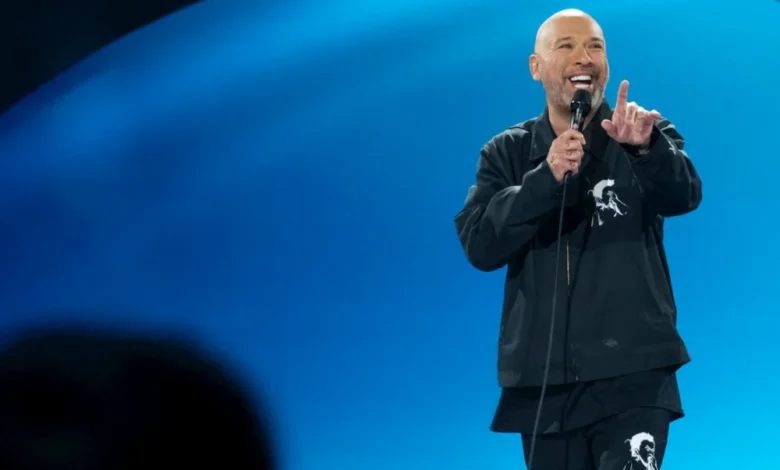
Comedian Jo Koy stands as one of the most recognizable and commercially successful touring stand-up acts in the entertainment industry today, bridging cultural divides through deeply personal storytelling. Following the September release of his critically acclaimed Netflix special, Blue in the Face, the multi-hyphenate entertainer has captured the attention of both global audiences and awards season prognosticators. Positioned as a serious contender in the Golden Globes category for best performance in stand-up comedy on television, as well as an anticipated entrant in the upcoming Emmy Awards race, Koy’s latest project represents a masterclass in self-editing, cultural preservation, and emotional vulnerability.
Recorded over two sold-out arena performances in Stockton, California, Blue in the Face serves as the culmination of a lucrative two-special deal signed with Netflix in 2023. The project follows his previous widely streamed special, Live From Brooklyn. Rather than relying on standard industry practices of outsourcing post-production, Koy takes a hands-on approach, editing his own specials. He meticulously condensed more than four hours of raw footage across two nights down to a tightly paced 55-minute narrative.
Uncovering Stockton’s Hidden History
The decision to film in Stockton—a Central Valley city traditionally overlooked by major comedians who favor primary markets like Los Angeles, New York, or the San Francisco Bay Area—was rooted in intentionality. Koy sought to connect with secondary market audiences who often demonstrate unmatched enthusiasm for live entertainment. However, his journey into Stockton’s archives revealed a profound and painful history of early Filipino immigration to the region.
Upon arriving in the city, Koy researched the local historical record, uncovering structural racism that targeted early generations of Filipino immigrants. He discovered preserved archival evidence of discriminatory practices, including "No Filipinos allowed" signs posted outside local establishments, segregated water fountains, and the systematic displacement of Stockton’s historic "Little Manila" neighborhood to accommodate urban freeway construction.
Armed with this heavy historical context, Koy initially prepared an opening segment designed to directly confront the city’s past struggles. However, his plans shifted the moment he stepped onto the arena stage and was met with an immediate, spontaneous standing ovation from a diverse, multicultural crowd. Observing a harmonious cross-section of Asian, Black, Latino, and white attendees celebrating together, Koy made an impulsive onstage decision to pivot away from a heavy historical indictment. Instead, he chose to focus on unity and resilience, reframing the moment to celebrate how far the community had evolved.
A Career Forged Through Resilience and High-Profile Collaborations
Koy’s comedy has long relied on autobiographical anecdotes, prominently featuring his mother, whose experiences as a fierce single immigrant parent shaped his worldview. Among his most celebrated anecdotes is the enduring story of a 1984 shoe store confrontation, where his mother defended him against an abusive clerk and expertly dismantled xenophobic remarks regarding her accent

. This maternal resilience, coupled with her aggressive community-building efforts at local churches and potlucks, laid the foundation for Koy’s appreciation of hustle and cultural pride.
His ascent in Hollywood has been marked by notable milestones, including unexpected high-level industry validations. Famously, his journey to securing the feature film Easter Sunday began when acclaimed filmmaker Steven Spielberg viewed Koy’s Hawaii-based comedy special, Comin’ in Hot. Impressed by the performance, Spielberg’s Amblin Entertainment initiated contact, ultimately leading to a development deal with DreamWorks. Despite facing challenging box office competition during the post-pandemic theatrical reopening window alongside major blockbuster franchises, Easter Sunday carved out a dedicated audience, demonstrating the commercial viability of authentic Filipino-American narratives on the big screen.
Koy’s industry relationships further expanded following the release of Live From Brooklyn, which featured an unauthorized comedic bit referencing the Notorious B.I.G. Despite initial clearance hurdles and substantial financial penalties required to license the music, the segment resonated so deeply that it caught the attention of Voletta Wallace, the late mother of the iconic rapper. Mrs. Wallace ultimately granted Koy permanent licensing rights to use her son’s iconic crowned likeness for apparel, with proceeds directly supporting the Wallace Foundation, cementing a mutually respectful cultural exchange.
Chronology of Artistic Development
The trajectory of Koy’s career reflects a steady, calculated expansion from club circuits to mainstream global streaming dominance:
- Early Influences: Drawing inspiration from foundational records by Richard Pryor (Live in Concert), Eddie Murphy (Delirious), and Chris Rock (Bring the Pain), Koy developed a performance style rooted in observational authenticity and cultural critique.
- The Name Origin: Originally performing under his legal name, Joseph Herbert, Koy adopted his stage name following a linguistic misunderstanding. His Auntie Evelyn frequently addressed him as "Jo ko"—meaning "my Jo" in Tagalog—which bystanders misinterpreted as "Jo Koy," ultimately becoming his permanent professional moniker.
- 2022: Released the theatrical feature film Easter Sunday via DreamWorks Pictures and Universal Pictures, marking a historic milestone for mainstream studio representation of Filipino-American families.
- 2023: Signed a landmark two-special deal with Netflix, launching the global rollout of Live From Brooklyn.
- 2024–2025: Recorded Blue in the Face in Stockton, California, culminating the Netflix agreement and positioning himself at the forefront of the burgeoning stand-up comedy awards conversation.
Broader Industry Implications and Future Outlook
The critical success of Blue in the Face highlights a broader shift within the comedy industry regarding streaming specials and artistic autonomy. By retaining tight editorial control, Koy ensures that his specials maintain thematic coherence rather than acting as a disjointed collection of unrelated jokes. The overarching thesis of Blue in the Face—encouraging audiences to maintain loyal circles, eliminate toxic elements, and celebrate collective achievements—resonates universally while remaining authentically rooted in his personal heritage.
Furthermore, Koy’s involvement in projects like the animated feature Forgotten Island demonstrates a growing appetite within major studios for diverse folklore and culturally specific storytelling. As studios increasingly look to authentic voices to drive multi-generational family content, creators like Koy are proving that specificity in cultural storytelling translates to universal commercial appeal.
As he assesses his next professional steps following the completion of his Netflix agreement, Koy remains an influential voice in contemporary comedy. Whether through his sharp character work, voice acting in animated features, or live arena tours, his ability to balance poignant cultural commentary with universal humor ensures his continued prominence across the global entertainment landscape.