Fierce and Spotted: How the Northern Quoll is Finding a Second Chance in North Queensland

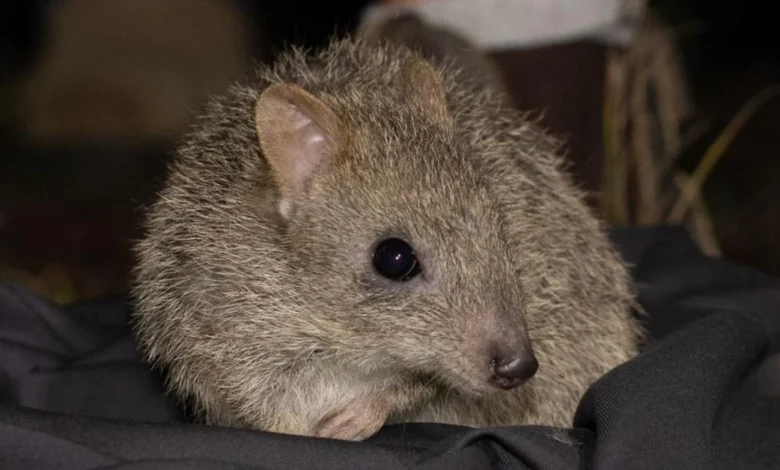
The rugged hills of North Queensland have welcomed an extraordinary new group of founding residents, marking a pivotal moment in the conservation of one of Australia’s most charismatic and resilient marsupials. This September, the Australian Wildlife Conservancy (AWC), bolstered by vital financial support from the Colossal Species Reintroduction Fund, executed the inaugural release of Northern Quolls into a meticulously constructed, feral predator-free sanctuary. Situated at the Mt Zero-Taravale Wildlife Sanctuary on the traditional lands of the Gugu Badhun People, this protected zone offers a stark contrast to the perilous landscapes that have driven the species to the brink of extinction.
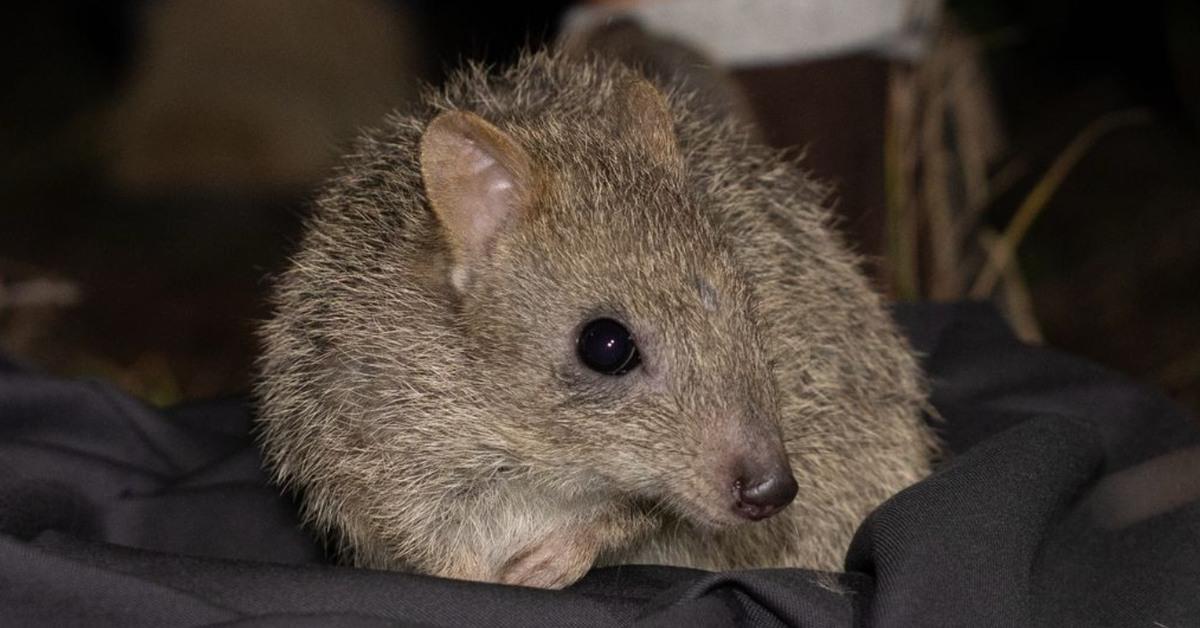
The initial wave of introduced quolls consists exclusively of females, many of whom arrived carrying the next generation safely tucked inside their pouches. This strategic selection is rooted in the unique lifecycle of the Northern Quoll, a species known for its fast-paced, high-stakes existence. By establishing a genetically diverse, female-led founding population within a secure perimeter, conservationists are laying the groundwork for a robust, self-sustaining colony capable of revitalizing mainland ecosystems.
Main Facts of the Reintroduction Initiative
The initiative at Mt Zero-Taravale is part of a broader, multi-year conservation strategy designed to rescue the Northern Quoll from decades of population decline. Over a two-year collection window, AWC field teams plan to gather up to 30 individual quolls from four distinct wild populations. By taking only a small fraction of animals from each source population, scientists can build a genetically diverse captive and semi-wild breeding pool without destabilizing existing wild groups.
Each newly arrived quoll is fitted with a specialized telemetry collar to allow researchers to track movements, survival rates, and reproductive success. Furthermore, a comprehensive network of motion-sensor cameras has been deployed across the 950-hectare fenced enclosure to monitor wildlife activity continuously. This technology-driven approach ensures that conservationists can intervene immediately if any health or environmental anomalies arise within the sanctuary.
The math underlying the project highlights its immense potential. Conservation models suggest that the initial cohort of founders could multiply into a thriving population of up to 300 individuals within the fenced area. More importantly, if the population exceeds the carrying capacity of the initial 950-hectare enclosure, the AWC holds the option to open the gates to the wider sanctuary, unlocking an additional 20,000 hectares of prime quoll habitat.
Chronology of a Century-Long Decline
To understand the significance of the Mt Zero-Taravale release, one must examine the protracted historical pressures that have decimated Northern Quoll populations across the Australian continent.
The decline of the Northern Quoll is not a recent phenomenon; it represents a multi-generational environmental crisis that spans nearly a century:
- 1930s to 1950s: The downward trajectory of Northern Quoll populations begins, accelerated by habitat fragmentation, shifting fire regimes, and the introduction of mammalian predators such as European red foxes and feral cats.
- 1935: The cane toad (Rhinella marina) is intentionally introduced into northeastern Australia to control agricultural pests. As the invasive amphibians spread rapidly across the tropical north, they become a catastrophic ecological disaster for native predators.
- Late 20th Century: The species disappears from vast swaths of its historic range, particularly across the Top End and Queensland, earning it a formal classification as Endangered under federal and international conservation guidelines.
- Recent Decades: Isolated populations persist in pockets of Western Australia, the Northern Territory, and remote regions of Queensland, though they remain acutely vulnerable to ongoing environmental stressors.
- September 2024: A beacon of hope emerges as the Australian Wildlife Conservancy orchestrates the historic release of female Northern Quolls into the predator-proof sanctuary at Mt Zero-Taravale, backed by the Colossal Species Reintroduction Fund.
Supporting Data and Ecological Context
The Northern Quoll (Dasyurus hallucatus) is the smallest of the four Australian quoll species, typically weighing between 300 and 900 grams and measuring roughly the size of a small domestic cat. Characterized by distinctive white spots against a brown or black coat, these marsupials are formidable nocturnal carnivores, preying upon insects, small reptiles, birds, and fruit.
Despite their fierce hunting capabilities, quolls have proven profoundly susceptible to a triad of modern ecological threats: feral predators, destructive bushfire management, and, most notably, the toxic cane toad. Cane toads secrete a lethal bufotoxin from parotoid glands when threatened. Because Northern Quolls lack an evolutionary resistance to this poison, a single bite can prove fatal within minutes. This dynamic has historically decimated predator guilds wherever cane toads have invaded.
The reproductive biology of the species further complicates conservation efforts. Northern Quolls exhibit a rare life history strategy known as semelparity, particularly among males. In many populations, all males die synchronously from stress-related illnesses following a frantic, hyper-aggressive breeding season. Females typically live slightly longer, up to two to three years, producing a single litter per year. Consequently, timing conservation interventions—such as wild-to-wild translocations—around this narrow breeding and mortality window is essential for maximizing success.
Official Responses and Collaborative Partnerships
The success of the Mt Zero-Taravale project relies heavily on cross-sector collaboration, uniting traditional conservation science with cutting-edge biotechnology and philanthropic investment.
Dr. Jennifer Anson, the AWC senior ecologist who led the reintroduction effort, emphasized the fundamental shift in security that the fenced sanctuary provides. "Creating a secure population within a feral predator-free fenced area provides greater certainty for the species’ future," Dr. Anson stated. By removing the immediate threats of feral cats and foxes, the project eliminates the primary drivers of mortality that have kept populations suppressed for generations.
The financial and strategic backbone of the initiative is provided by the Colossal Species Reintroduction Fund. Best known for ambitious de-extinction initiatives involving the woolly mammoth and the dire wolf, Colossal has increasingly directed substantial resources toward preserving extant endangered species that face imminent extinction.
Dr. Andrew Pask, Chief Biology Officer at Colossal, underscored the vital ecosystem functions that quolls perform. "We need northern quolls to have a balanced ecosystem in mainland Australia," Dr. Pask noted. Beyond funding the physical infrastructure of the sanctuary, Colossal is partnering with academic institutions, including the University of Melbourne, to research genetic and behavioral resistance to cane toads in Northern Quolls. This scientific inquiry aims to develop long-term solutions for populations living outside fenced enclosures, where eradication of the invasive amphibians remains practically impossible.
For the Australian Wildlife Conservancy, this project is a crucial milestone toward achieving its ambitious 2035 strategic goals, which include increasing threatened species reintroductions by 50 percent across its network of reserves.
Field personnel working on the ground share a deep sense of connection to the landscape and the species they are striving to protect. Felicity L’Hotellier, the AWC senior field ecologist who managed the physical release, reflected on the broader environmental implications of the endeavor. "We’re creating a stronghold for the species and restoring the local ecosystem by reinstating the quoll’s ecological role as a native predator to the sanctuary," she observed.
This optimism is supported by encouraging signs of natural resilience elsewhere in Australia. Recently, Northern Quolls were detected at Piccaninny Plains on Cape York after more than 80 years of absence—a striking testament to the species’ enduring tenacity when granted even temporary relief from anthropogenic pressures.
Broader Impact and Future Implications
The establishment of the Mt Zero-Taravale sanctuary offers important lessons for modern conservation biology. As climate change, invasive species, and habitat degradation continue to accelerate biodiversity loss globally, the model of utilizing large-scale, predator-proof exclosures has emerged as an effective tool for preventing extinctions.
However, conservationists acknowledge that fencing alone is not a panacea. While sanctuaries provide critical arks for endangered fauna, the ultimate goal of ecological restoration is to enable species to re-adapt and survive in open landscapes. The ongoing research into cane toad aversion and genetic resilience, spearheaded by Colossal and academic partners, represents a vital bridge between immediate containment and long-term adaptation.
Furthermore, the involvement of philanthropic capital in conservation signals a shifting paradigm in how major environmental projects are funded and executed. By channeling private sector resources into rigorous, science-led ecological management, organizations can accelerate timelines and scale up operations in ways that traditional government funding alone rarely permits.
Nearly a century after the long, silent decline of the Northern Quoll began in the Australian bush, a new generation of spotted hunters is taking its first cautious steps inside a sanctuary built to withstand the modern world. For these founding mothers and their pouch young, the past century of ecological upheaval has finally been locked out, paving the way for a cautious, hopeful return to the wild.
Related posts: