The Weight of Space: Ashley Zelinskie Transforms Orbital Debris and Astronaut History into Fine Art

In a striking synthesis of aerospace engineering and contemporary fine art, Brooklyn-based artist Ashley Zelinskie has unveiled "The Weight of Space," a solo exhibition now on view at Manhattan’s Heft Gallery. The collection serves as a profound meditation on the physical and psychological toll of space exploration, featuring materials ranging from genuine salvaged heat-shield tiles from a SpaceX Starship to hand-carved marble replicas of astronaut gear. By anchoring her work in the tangible reality of orbital mechanics and the human history of spaceflight, Zelinskie bridges the gap between the clinical precision of NASA’s mission parameters and the emotive power of human achievement.
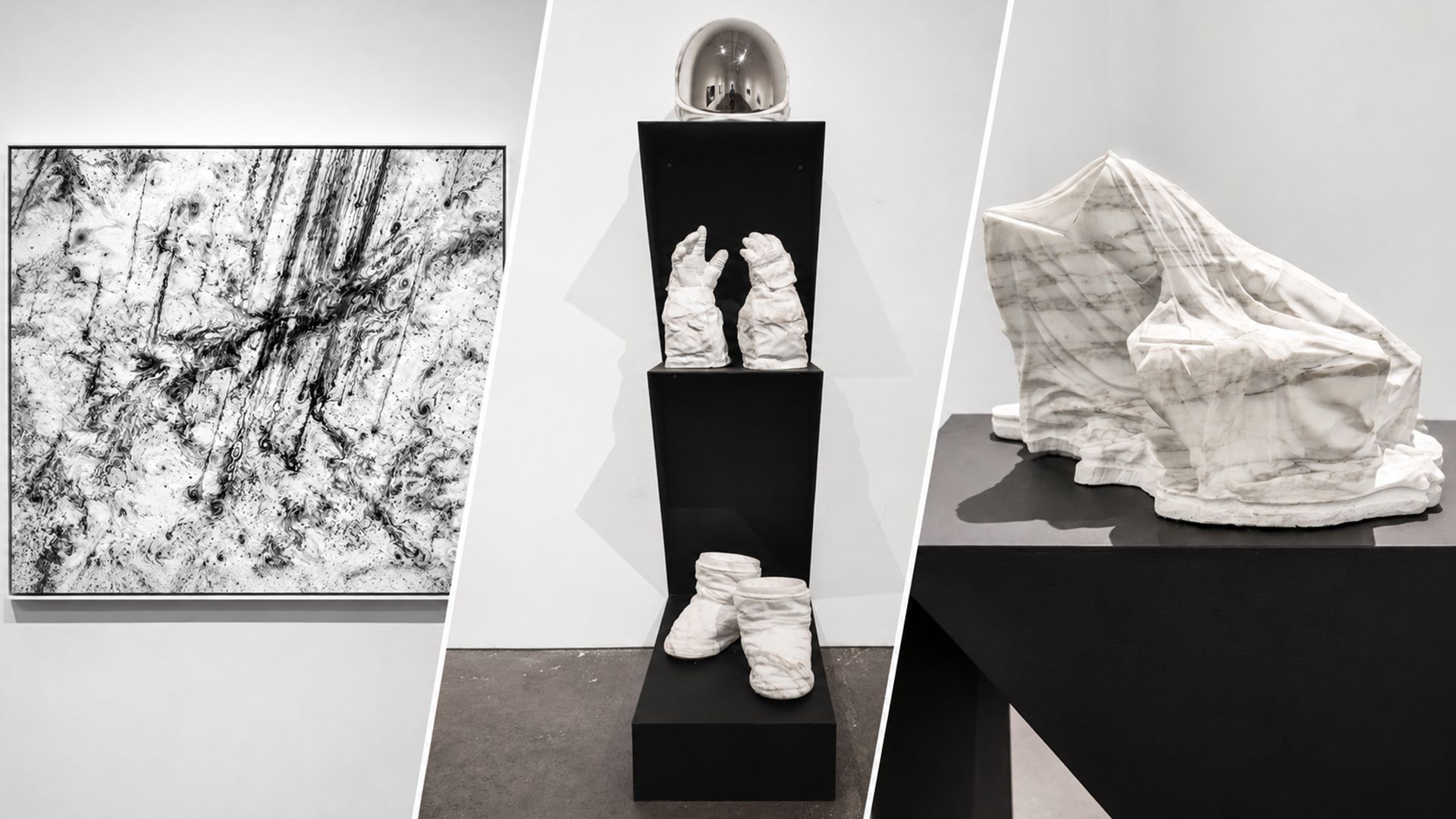
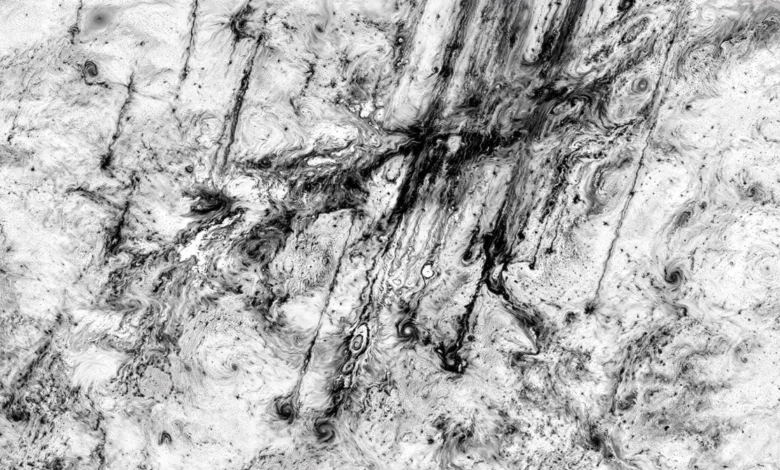
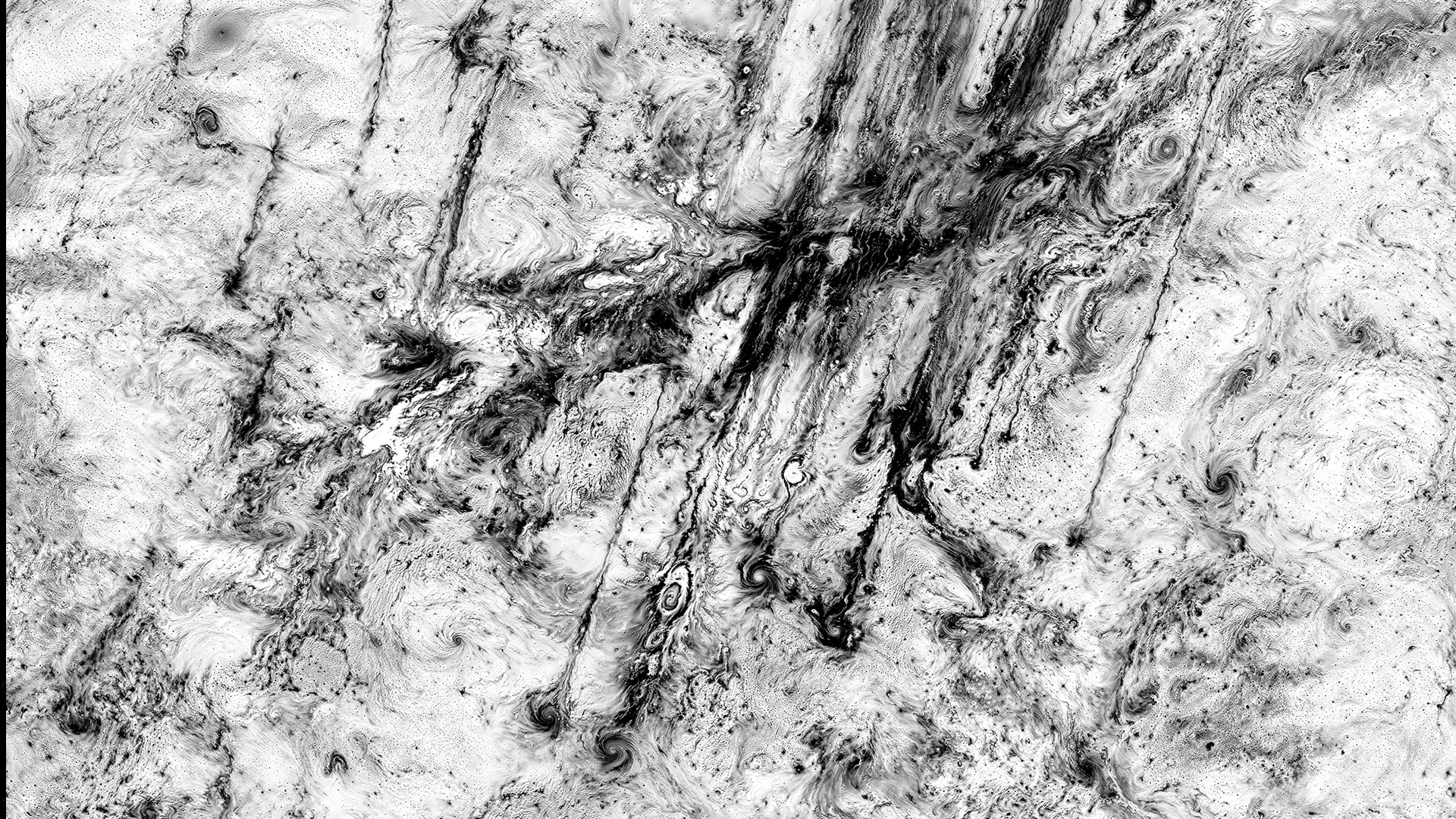
The centerpiece of the "Ejecta" series, which explores the violent beauty of rocket plumes and vehicular disintegration, utilizes a unique medium: pulverized ceramic tiles recovered from a SpaceX Starship that broke apart over the Turks and Caicos Islands in January 2025. The inclusion of this material is not merely aesthetic; it is an act of reclamation. When the vehicle succumbed to the stresses of reentry, remnants of its thermal protection system—designed to withstand temperatures exceeding 2,500 degrees Fahrenheit—drifted toward the ocean surface. Zelinskie’s decision to grind these fragments into dust and incorporate them directly into her prints provides a haunting, tactile connection to the high-stakes reality of modern orbital testing.
Chronology of an Artistic Endeavor
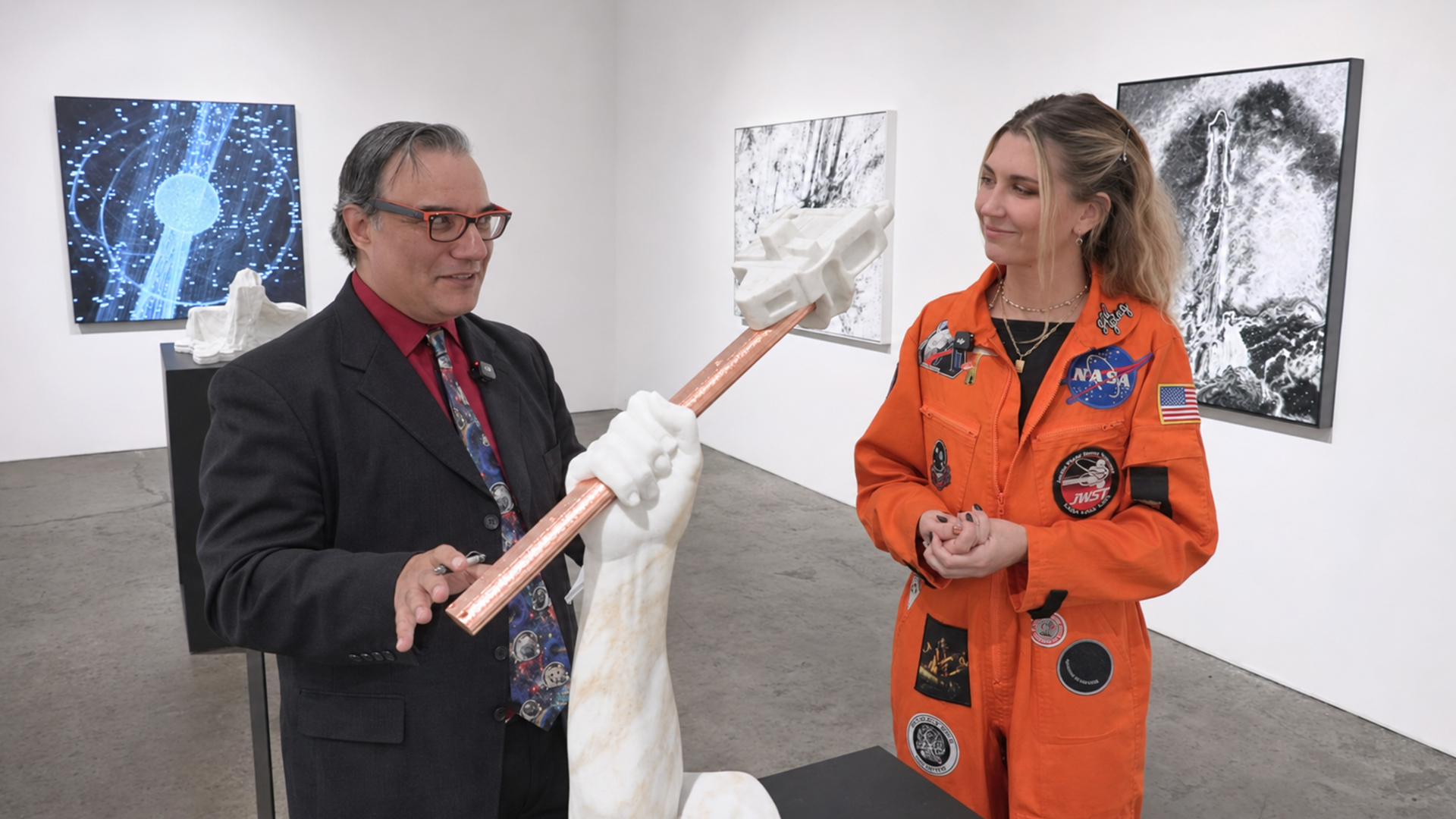
The exhibition, which opened on November 20, is the culmination of years of collaboration with aerospace figures and intensive material study. The project’s genesis lies in Zelinskie’s ongoing fascination with the intersection of high technology and traditional sculpture. The "Monuments" series, for instance, focuses on the tactile reality of space travel. One prominent piece features a marble carving of retired NASA astronaut Mike Massimino’s bare hand, gripping a copper-plated replica of the handrail he famously wrestled from the Hubble Space Telescope during the final servicing mission in 2009.
This specific moment remains a landmark in space history. During STS-125, the mission to upgrade Hubble, a stripped bolt left a critical handrail obstructing access to the Space Telescope Imaging Spectrograph (STIS). The success of the instrument repair hinged on the manual removal of that obstruction. Massimino’s account of the event, which he shared during the exhibition’s opening, highlights the human element behind the machinery. He drew a parallel between the brute force required to pull the rail off the telescope and a memory of his father and uncle leveraging a stuck oil filter. By choosing to depict the astronaut’s bare hand rather than the pressurized glove of a spacesuit, Zelinskie highlights the fragile, human ingenuity required to maintain humanity’s most complex assets in the vacuum of space.
Engineering Meets Aesthetic: The Marble Collection
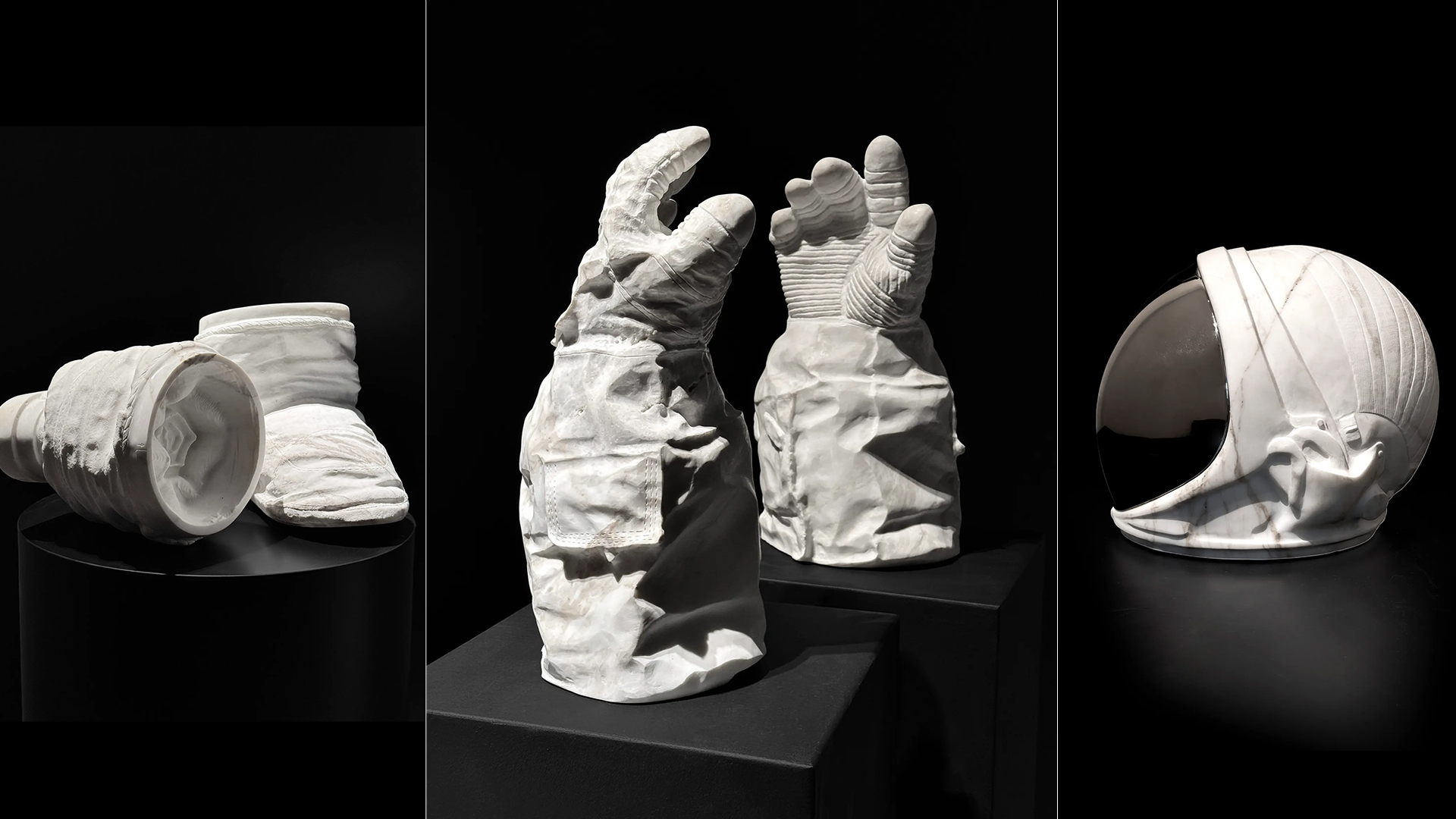
The production process for "The Weight of Space" involved sophisticated digital modeling and traditional stonecraft. For her sculpture of Massimino’s spacesuit gloves, Zelinskie was struck by how the fabric of the authentic gloves held its form when placed on a table. Recognizing an inherent "stony" quality in the folds, she engaged in the labor-intensive process of marble carving.
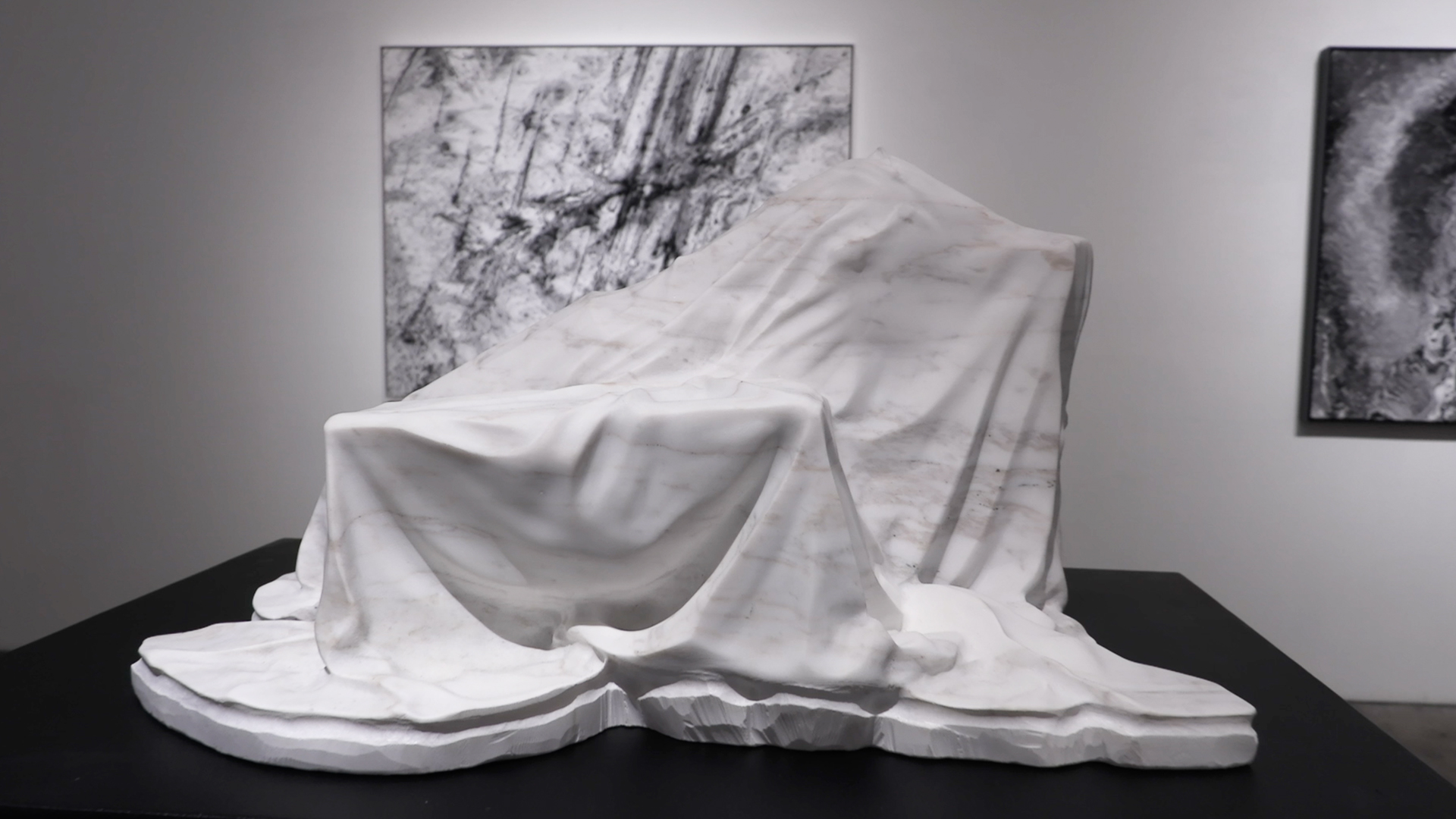
Perhaps most technically ambitious is the marble tribute to the Hubble Space Telescope. Using NASA-provided 3D models, Zelinskie utilized Blender software to digitally drape a "veil" over the telescope. This design choice serves as a historical reference to the early days of the telescope, when the spherical aberration in its primary mirror caused the first images sent back to Earth to appear blurred. The resulting sculpture, finished by hand after being roughed out by a robotic arm at the Digital Stone Project in Tuscany, creates a juxtaposition between the cold, objective data of the telescope and the soft, organic qualities of marble.
Data-Driven Art and the Reality of Space Debris
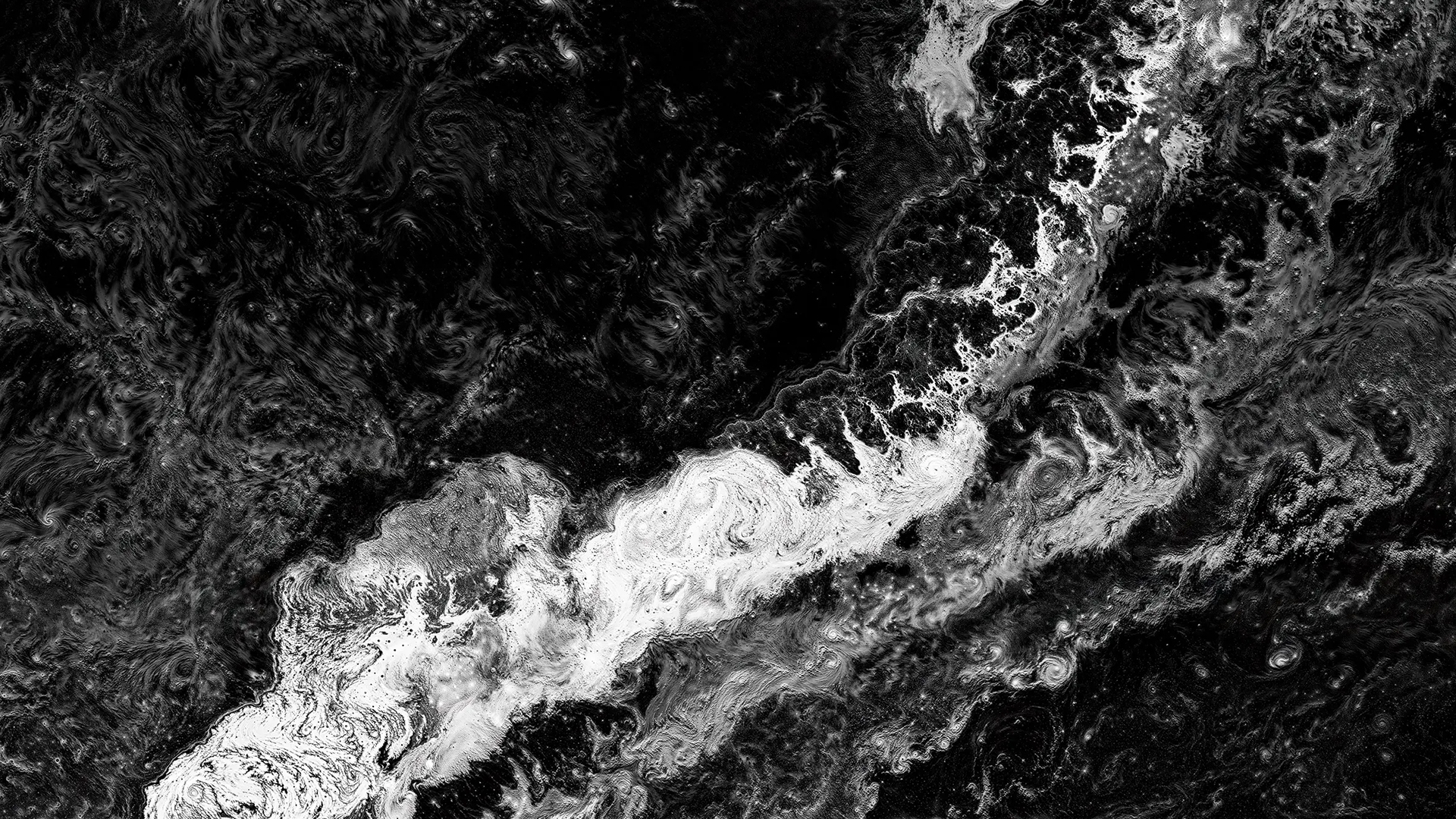
The "Ejecta" series extends beyond the Starship debris, incorporating high-resolution photography captured by the artist at NASA’s Kennedy Space Center. During the Artemis II launch—a mission representing the next major leap in human lunar exploration—Zelinskie documented the ascent. She then processed the imagery using algorithms that distort the visual data of the rocket plume, transforming the exhaust clouds into nebulae-like forms.
One of the most sobering pieces in the series focuses on the Space Shuttle Challenger disaster of January 28, 1986. By interpreting the tragic event through an artistic lens, Zelinskie provides a space for reflection that is distinct from archival footage. Former astronauts, including Massimino, have noted that such artistic interpretations often evoke a deeper emotional response than the original, often-replayed clips of the disaster, as they allow the viewer to contemplate the human cost of exploration without the distraction of media-saturated news narratives.
The exhibition concludes with "Crowded Sky," an interactive installation that serves as a reality check on the current state of Earth’s orbit. The piece tracks objects in real-time, using a color-coded system: white markers for government-owned assets and black markers for private sector satellites. By scanning a QR code, visitors can access detailed data regarding the function and launch history of specific satellites.
Broader Implications and The Overview Effect
The implications of "The Weight of Space" are rooted in what has become known as the "Overview Effect"—the cognitive shift reported by astronauts when viewing Earth from space. Zelinskie posits that as we increase our presence in low Earth orbit, our relationship with our home planet becomes more nuanced. The proliferation of orbital debris, represented by the fragments in her Starship print, serves as a warning of the unsustainable nature of current space activities.
As of 2025, the number of active satellites in orbit has reached unprecedented levels, with thousands of objects—both functional and derelict—circling the planet. The "Crowded Sky" exhibit is not merely a tracking tool; it is a forecast. By projecting the growth of orbital traffic over the next decade, Zelinskie highlights the physical reality of the "Kessler Syndrome," a theoretical scenario where the density of objects in low Earth orbit becomes so high that collisions between objects could cause a cascade, potentially rendering certain orbital bands unusable for generations.
Conclusion
"The Weight of Space" is a rare exhibition that succeeds in being both a technical showcase and a philosophical inquiry. By turning to the material debris of modern spaceflight—the literal dust of a SpaceX vehicle—Zelinskie forces an intersection between the industrial ambition of private space companies and the traditional, humanistic values of fine art.
The exhibition is scheduled to remain at Heft Gallery in New York City through January 16, 2027. For those involved in the aerospace industry, the show offers a mirror to their own work, reflecting the transition from technical achievement to cultural legacy. For the general public, it provides a vital, tangible entry point into the complexities of the modern space age, reminding viewers that every mission, every piece of hardware, and every satellite launched carries a weight—both physical and historical—that remains in orbit long after the engines have cooled.
Related posts: