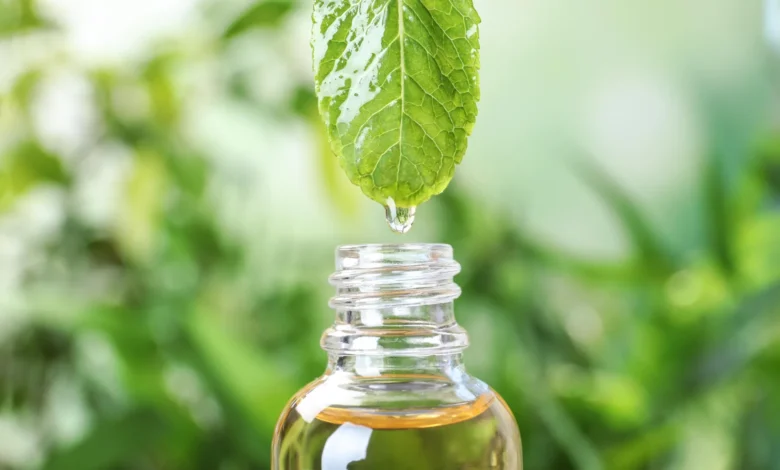
Peppermint oil, an aromatic staple long celebrated for its culinary versatility and digestive benefits, is now being positioned as a potential breakthrough in cardiovascular health. Recent research conducted at the University of Lancashire has unveiled that the daily intake of small, food-grade doses of peppermint oil can lead to a statistically significant reduction in systolic blood pressure. Published in the peer-reviewed journal PLOS One, the study provides a compelling case for exploring non-pharmacological interventions in the global battle against hypertension, a condition that currently affects over one billion people worldwide.
The study, which monitored participants over a 20-day period, observed an average reduction of 8.5 mmHg in systolic blood pressure among those receiving the peppermint oil intervention compared to the placebo group. As health systems grapple with the rising economic and physical burdens of chronic cardiovascular conditions, these findings offer a potential low-cost, accessible strategy for individuals at the early stages of hypertension.
The Chronology of a Cardiovascular Study
The research project was initiated to address the limitations of conventional antihypertensive treatments, which, while effective, often come with a suite of side effects and variable long-term adherence rates. The study cohort consisted of 40 adults, aged between 18 and 65, all of whom presented with either elevated blood pressure or stage 1 hypertension.
The clinical trial was structured as a randomized, double-blind, placebo-controlled investigation. The protocol was straightforward yet rigorous: participants were divided into two groups. The intervention group was administered 100 microliters of food-grade peppermint oil daily, bifurcated into two doses diluted in water. The control group received an identical-looking and tasting placebo that lacked the active biological compounds found in peppermint oil.
Data collection occurred over three weeks. By the conclusion of the 20-day trial, the results were distinct. The intervention group saw their average systolic pressure drop from approximately 130 mmHg to 122 mmHg, bringing many participants into a healthier range. Conversely, the control group exhibited no meaningful change in their blood pressure readings. This timeline highlights the speed at which the intervention took effect, suggesting that the vascular benefits of peppermint oil may be both rapid and measurable.
Understanding the Physiological Mechanisms
To understand why a common essential oil might influence such a complex physiological metric, researchers turned to the chemical composition of the Mentha piperita plant. Peppermint is rich in bioactive compounds, most notably menthol and various flavonoids.
Menthol, the primary constituent responsible for the plant’s cooling sensory effect, has been studied for its potential to interact with calcium channels in smooth muscle cells. When these channels are regulated, it can promote vasodilation—the widening of blood vessels. When blood vessels are relaxed rather than constricted, the resistance against which the heart must pump decreases, thereby lowering the force exerted on arterial walls, measured as systolic blood pressure.
Additionally, the flavonoids present in peppermint act as potent antioxidants. Chronic inflammation and oxidative stress are known contributors to arterial stiffness, which increases blood pressure. By mitigating oxidative damage and reducing systemic inflammation, peppermint oil may help maintain the elasticity of blood vessels, providing a secondary mechanism for blood pressure management. While these mechanisms are promising, researchers emphasize that the precise biochemical pathway through which peppermint oil exerts these effects warrants more extensive, large-scale investigation.
Expert Perspectives and Clinical Implications
Dr. Jonnie Sinclair, Reader in Sport and Health Sciences at the University of Lancashire and lead author of the study, emphasized the broader clinical significance of these findings. "High blood pressure is one of the biggest causes of heart disease and death worldwide, and it costs a huge amount of money to treat," Dr. Sinclair stated. "Although medicines are commonly used to treat it, it’s not always clear how well they work in the long-term, and they can cause unwanted side effects."
The implications of this research are particularly relevant in the context of the global burden of disease. Hypertension is frequently labeled the "silent killer" because it often presents without symptoms until a cardiovascular event occurs. By the time a patient is diagnosed, they are often placed on lifelong medication regimens. A safe, natural, and inexpensive intervention like peppermint oil could potentially bridge the gap for those with "pre-hypertension" who are not yet candidates for heavy pharmaceutical intervention but are at high risk for progression.
From a public health perspective, the potential for a cost-effective, non-prescription intervention is immense. "Peppermint oil is low in calories and price, so it’s proved to be a very simple and cost-effective solution to potentially treat millions of people around the world," Dr. Sinclair added. The findings are a significant addition to the growing body of literature on nutritional psychiatry and functional foods, shifting the focus toward preventative health measures that patients can easily integrate into their daily routines.
Supporting Data and Contextual Analysis
To appreciate the weight of these findings, one must consider the standard of care for hypertension. Current guidelines from organizations like the American Heart Association and the European Society of Cardiology prioritize lifestyle modifications—such as the DASH diet, sodium reduction, and increased physical activity—before moving to pharmacological agents like ACE inhibitors or beta-blockers.
The 8.5 mmHg reduction in systolic blood pressure observed in the University of Lancashire study is clinically meaningful. In cardiovascular medicine, even modest reductions in systolic blood pressure (often cited as 5 mmHg) are associated with a significant decrease in the risk of stroke and coronary heart disease. If this 8.5 mmHg reduction could be sustained over months or years, it would represent a substantial reduction in the long-term risk profile for the participants involved.
However, the scientific community remains cautious. The study’s duration—less than three weeks—is relatively short for a chronic condition management trial. While the results are statistically significant, they must be validated through long-term studies that account for dietary variables, baseline fitness levels, and the potential for a "ceiling effect," where the benefits may plateau after a certain period of consumption.
Broader Impact and Future Directions
The University of Lancashire study serves as a critical pilot for future research. While the results are undeniably positive, researchers have been clear about the parameters of their findings. The study utilized specific, food-grade peppermint oil, which is distinct from many commercially available essential oils intended for aromatherapy or topical use.
There are several critical caveats to consider:
- Safety and Purity: Essential oils vary wildly in quality and purity. Many oils sold for aromatherapy are not intended for ingestion and may contain contaminants or high concentrations of compounds that are toxic if consumed. The researchers utilized a specific, food-grade formulation, and the public is cautioned against using generic essential oils for this purpose.
- Medical Supervision: The study does not suggest that patients should discontinue their existing blood pressure medications. Abrupt cessation of antihypertensive drugs can lead to "rebound hypertension," which is potentially dangerous. Any attempt to introduce peppermint oil as a complementary therapy should be done in consultation with a primary care physician.
- Large-Scale Validation: The small sample size of 40 individuals limits the ability to generalize the results to the entire population. Larger clinical trials, perhaps involving hundreds or thousands of participants across different demographics, are necessary to confirm these findings.
The medical community is likely to monitor this area of study with interest. As the shift toward personalized, integrative medicine gains momentum, the ability to leverage natural compounds for health optimization becomes increasingly attractive. If subsequent trials confirm the efficacy and safety profile of peppermint oil, it could become a common recommendation in the physician’s toolkit for managing mild hypertension.
Final Summary of Findings
The research conducted by the University of Lancashire represents a vital step forward in the search for accessible, non-pharmacological ways to manage elevated blood pressure. By highlighting the potential of peppermint oil to facilitate vasodilation and reduce systolic pressure, the study opens new avenues for cardiovascular health.
As of now, the findings published in PLOS One provide a compelling argument for further, more extensive research. For the millions of individuals currently navigating the complexities of mild hypertension, the prospect of a simple, natural intervention is an encouraging development in the ongoing effort to reduce the global incidence of heart disease. The scientific community awaits the next phase of this research, which will ideally determine the long-term sustainability and safety of this aromatic, plant-based approach to blood pressure regulation.