Navigating Septic-Safe Washing Machine Cleaner Tablets: A Comprehensive Consumer Guide for Sustainable Household Maintenance

The modern household utility room presents a complex web of environmental and mechanical considerations, particularly for homes operating on private onsite wastewater treatment systems, commonly known as septic tanks. Among the various household appliances that demand meticulous maintenance, the washing machine plays a pivotal role in both clothing hygiene and wastewater generation. In recent years, the market has seen a surge in specialized appliance maintenance products, notably washing machine cleaner tablets designed to eradicate mold, mildew, detergent buildup, and musty odors from the drum and internal plumbing lines. However, for the estimated 20 percent of American households utilizing septic systems, the introduction of chemical cleaners requires a rigorous vetting process to prevent system failure, microbial disruption, and costly plumbing repairs.
The fundamental challenge for consumers lies in distinguishing between standard laundry detergents, specialized appliance cleaning tablets, and septic tank additives. While laundry detergents are engineered to break down organic stains and lift soils from fabrics during a wash cycle involving textiles, washing machine cleaner tablets are formulated as intensive degreasers and descalers meant to be deployed in an empty drum. These tablets typically feature concentrated active ingredients such as sodium percarbonate, sodium carbonate, citric acid, and various enzymes designed to dissolve residual buildup out of sight in the machine’s outer tub. When these potent chemical mixtures are rinsed away, they inevitably flow directly into the household septic tank, where they interact with the delicate biological ecosystem responsible for breaking down solid waste. Consequently, verifying the compatibility of a cleaning tablet with a private septic system is not merely a matter of convenience, but a critical measure of infrastructure preservation.
Understanding the Chemical Composition of Appliance Cleaners
To evaluate whether a specific washing machine cleaner is truly compatible with an onsite wastewater treatment system, consumers must move past generalized marketing claims and examine the exact product formulation. Manufacturers frequently utilize umbrella terms such as "septic safe" or "eco-friendly," but these designations lack standardized regulatory definitions unless backed by specific third-party verifications. A thorough examination requires reviewing the precise ingredient disclosures provided by the brand for that exact product variant, as a single manufacturer may offer multiple formulas with drastically different chemical profiles.
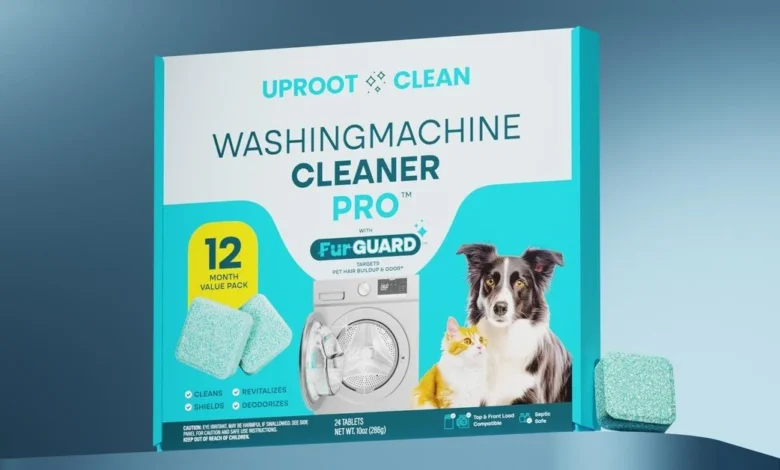
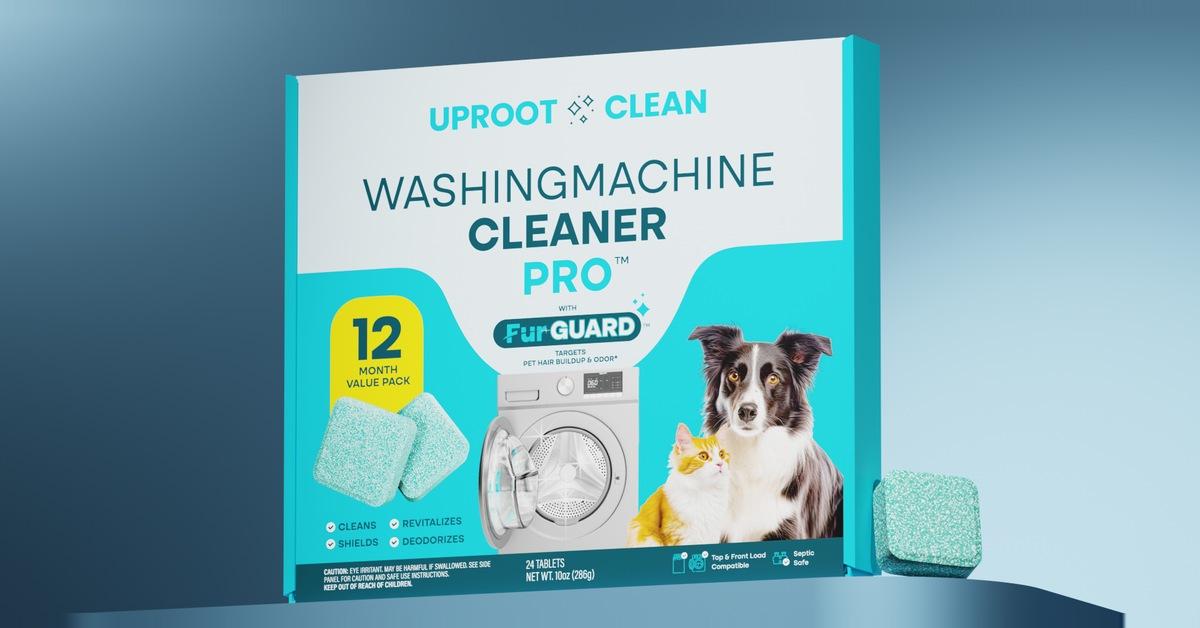
Taking Uproot Clean’s product line as a case study in formulation transparency, the brand offers distinct variations such as the Uproot Washing Machine Cleaner Pro and its Ultra counterpart. The Pro formulation targets stubborn detergent scum and fabric softener residue utilizing a blend of sodium percarbonate, sodium carbonate, citric acid, lipase, and protease, while omitting added fragrances. Conversely, the Ultra formula incorporates a light fragrance to appeal to consumers prioritizing scent. This distinction is vital for septic system owners because synthetic fragrances and certain surfactants can linger in wastewater or potentially inhibit the anaerobic and aerobic bacteria essential for digestion within the septic tank.
An ingredient list serves as the foundational baseline for consumers, but it does not, on its own, quantify the finished product’s cumulative environmental impact. Consumers increasingly rely on voluntary disclosures to narrow their choices, particularly those prioritizing fragrance-free options to minimize chemical loading into their greywater and blackwater systems. Examining these disclosures allows homeowners to cross-reference active compounds against known guidelines provided by environmental health agencies, ensuring that routine maintenance does not inadvertently compromise long-term wastewater management.
Evaluating Manufacturer Claims and Operational Directions
When assessing claims of septic safety, consumers must contextualize manufacturer statements within the prescribed operational directions for the appliance and the cleaner alike. A manufacturer declaration that a product is safe for septic systems typically hinges upon the premise that the product is used strictly in accordance with the provided instructions. For example, standard directions for cleaning tablets generally instruct the user to place a single tablet into an empty drum, execute a designated heavy-duty or clean-washer cycle, and subsequently wipe away any loosened residue.
Crucially, these instructions dictate a maintenance schedule—often recommended at intervals of every two weeks or whenever musty odors emerge—that is entirely separate from normal daily laundering. A critical error made by some homeowners is assuming that a product labeled as septic-safe grants permission for higher doses, more concentrated applications, or increased frequency beyond the manufacturer’s explicit guidelines. Over-application of oxygen-based bleaches, surfactants, or enzymes can overwhelm the biological capacity of a septic tank, temporarily altering the pH balance and killing off beneficial microorganisms that digest organic matter.
Furthermore, these cleaning tablets must not be confused with septic tank additives or commercial treatments marketed to enhance tank performance. Regulatory bodies, including the United States Environmental Protection Agency (EPA), generally do not recommend the routine use of commercial tank additives for the treatment of domestic wastewater, noting that healthy systems naturally maintain the necessary bacterial populations through normal household usage. If a homeowner harbors specific concerns regarding the structural integrity, capacity, or performance of their septic system, relying on an appliance cleaner’s marketing claims is insufficient. Consultation with a licensed local septic-service provider remains the gold standard for personalized wastewater management.
The Role of Third-Party Environmental Certifications
Navigating the myriad of environmental claims in the cleaning product aisle can be daunting, making recognized third-party certifications an invaluable tool for discerning shoppers. Standardized evaluation frameworks help consumers identify which product claims have undergone rigorous, independent scientific assessment rather than relying solely on self-certified corporate assertions. One of the most prominent benchmarks in the United States is the EPA’s Safer Choice program, which evaluates every individual chemical ingredient in a product relative to strict human health and environmental criteria.
The Safer Choice evaluation process is comprehensive, examining not only toxicity and environmental persistence but also product performance, packaging sustainability, pH levels, and manufacturing standards. Products bearing the Safer Choice label must meet rigorous category-specific performance thresholds, and the program maintains oversight through annual audits of participating facilities. However, consumers must exercise diligence by checking the program’s official online product directory for the exact formulation in question. Recognition of one product under a brand’s umbrella does not automatically extend to other formulations or variants produced by the same company.
It is equally important to understand the limitations of voluntary programs. Participation in the Safer Choice program is entirely voluntary; therefore, the absence of the label on a particular cleaning tablet does not inherently mean the product is hazardous or unsafe for septic systems. Many reputable manufacturers invest in independent laboratory testing or detailed ingredient disclosures without pursuing specific government labeling. Similarly, corporate claims regarding fragrance-free formulations should be treated as informative product data rather than assuming they carry distinct regulatory designations, such as the specific fragrance-free sub-labels authorized under rigorous multi-stakeholder programs.
Integrating Septic Care into the Broader Laundry Routine
Maintaining a septic system requires a holistic approach that extends far beyond the occasional use of a washing machine cleaning tablet. Because laundry operations contribute a significant volume of wastewater to a household’s daily load, the manner in which washing machines are utilized has a direct bearing on the longevity and efficiency of the septic drain field. According to guidance issued by the EPA regarding septic system care, homeowners are strongly advised to spread out their laundry loads evenly throughout the week rather than concentrating all washing into a single day.
Concentrating heavy water usage into a compressed timeframe can introduce more water into the septic tank than the system can comfortably treat and discharge, potentially leading to hydraulic overloading. Hydraulic overloading forces untreated or partially treated wastewater out into the drain field before natural soil filtration can occur, risking system saturation and environmental contamination. In addition to pacing laundry loads across multiple days, homeowners should consistently select appropriate water level settings on their washing machines that correspond directly to the size of the load being washed, thereby avoiding unnecessary water waste.
Even with meticulous chemical selection and water management, routine mechanical maintenance remains non-negotiable. Regular inspection and periodic pumping of the septic tank—typically required every three to five years depending on household size and tank capacity—are essential practices that no appliance cleaner can replace. Washing machine cleaning tablets and specialized appliance maintenance products are strictly designed to preserve the operational efficiency of the laundry machine itself; they are never intended to act as a remedy or treatment for a failing septic system.
Broader Implications for Household Sustainability and Appliance Longevity
The intersection of routine appliance maintenance and onsite wastewater management highlights a broader trend in consumer behavior: the growing demand for transparency, sustainability, and cross-system compatibility in household goods. As consumers become increasingly aware of the interconnected nature of their home infrastructure, purchasing decisions are shifting away from convenience alone toward products that safeguard both expensive appliances and delicate environmental ecosystems.
For manufacturers, this evolving consumer landscape necessitates a higher standard of clarity in labeling, ingredient disclosure, and usage instructions. Vague environmental marketing is increasingly scrutinized by both regulatory bodies and informed consumers who demand verifiable data. By providing explicit guidance on how their maintenance products interact with alternative wastewater systems, brands can build long-term consumer trust while mitigating the risk of inadvertent environmental harm.
Ultimately, integrating new maintenance routines into a household requires a structured approach. Homeowners are advised to compare exact product formulas, verify ingredient safety, adhere strictly to recommended dosages, and maintain clear records alongside appliance user manuals so that all members of a household operate within the established sustainable routine. By combining informed product selection with disciplined laundry habits and professional septic system servicing, households can ensure that their pursuit of cleanliness does not come at the expense of environmental health or mechanical reliability.