Timor-Leste Officially Certified Malaria-Free by the World Health Organization Following Historic Public Health Triumph

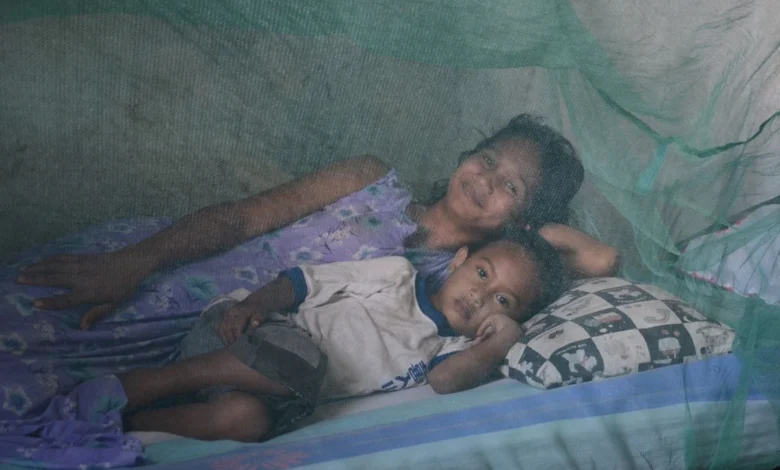
The World Health Organization has officially certified Timor-Leste as a malaria-free nation, marking a monumental public health victory for the young Southeast Asian democracy. This prestigious certification is granted exclusively when a country demonstrates, beyond any reasonable doubt, that the uninterrupted chain of indigenous malaria transmission has been successfully broken nationwide for at least three consecutive years. For Timor-Leste, which achieved its independence in 2002, this milestone represents the culmination of more than two decades of rigorous, sustained, and strategically focused national health interventions.
With this landmark announcement, Timor-Leste joins an elite global cohort. A total of 47 countries and 1 territory have now been certified as malaria-free by the WHO. Furthermore, Timor-Leste holds the distinction of becoming only the third nation within the WHO South-East Asia Region to eliminate the disease, following the Maldives and Sri Lanka, which achieved the coveted status in 2015 and 2016, respectively. The achievement underscores the profound impact that dedicated political leadership, robust community engagement, and resilient healthcare infrastructure can have on reversing devastating disease burdens in post-conflict and developing nations.
A Chronological Journey: From Crisis to Zero Cases
The transformation of Timor-Leste from a high-burden malaria environment into a certified malaria-free zone is a textbook study in methodical public health execution. The nation’s struggle with the mosquito-borne parasite was particularly acute in the immediate aftermath of its independence. In 2006, the country recorded a staggering peak of more than 223,000 clinically diagnosed malaria cases, threatening to overwhelm a nascent healthcare system that was simultaneously attempting to rebuild from the ground up after years of conflict.
Recognizing the existential threat posed by the disease, the Government of Timor-Leste, through the Ministry of Health, took swift and decisive action in 2003 by establishing the National Malaria Programme (NMP). Operating initially with a minimal staff of just two full-time officers, the NMP laid the crucial administrative and technical groundwork required for a nationwide response.
By the mid-2000s, the program began integrating modern epidemiological tools into its strategy. Timor-Leste updated its National Malaria Treatment Guidelines to incorporate rapid diagnostic tests (RDTs) and highly effective artemisinin-based combination therapies (ACTs). Concurrently, the government initiated the mass distribution of free long-lasting insecticide-treated nets (LLINs) to vulnerable communities, significantly reducing vector-human contact in high-risk rural areas.
A major inflection point occurred in 2009, bolstered by substantial financial and technical support from the Global Fund to Fight AIDS, Tuberculosis and Malaria. Armed with these external investments, the NMP aggressively scaled up vector control measures. This expansion included comprehensive indoor residual spraying (IRS) campaigns across targeted regions and the widespread deployment of diagnostic tools—ranging from microscopy to point-of-care RDTs—down to the most localized health posts.
These sustained efforts yielded a dramatic epidemiological turnaround. Reported cases plummeted over the next decade, culminating in a historic milestone: zero indigenous malaria cases recorded nationwide from 2021 onward. This unbroken streak of zero local transmission through 2024 ultimately provided the WHO verification team with the empirical evidence needed to grant official certification.
Overcoming Structural Challenges and Strengthening the Health System
The triumph over malaria in Timor-Leste was achieved despite formidable infrastructural and geographical hurdles. Following independence, the country faced severe shortages of trained medical personnel, physicians, and specialized infrastructure. To combat these systemic vulnerabilities, the government prioritized the development of a comprehensive, three-tier healthcare delivery system.
This tiered model encompasses national reference hospitals, secondary reference hospitals, community health centers (CHCs), and localized health posts. Through targeted infrastructure investments, the government successfully ensured that the vast majority of residents can access basic medical care within an hour’s walk from their homes. Central to this accessibility is the national policy of free universal healthcare at the point of service, which effectively eliminated financial barriers that often prevent marginalized populations from seeking timely diagnosis and treatment.
Recognizing that mountainous terrain and isolated rural settlements could impede healthcare access, Timor-Leste also instituted monthly mobile clinics and dedicated community outreach programs. These mobile units became vital lifelines for remote populations, ensuring that vector control education, screenings, and treatments reached the most isolated corners of the island nation.
Furthermore, the country integrated a real-time, case-based surveillance system that revolutionized data collection and outbreak response. Trained community health workers became the eyes and ears of the national network, ensuring that any imported cases—particularly across porous international borders—were detected, isolated, and treated swiftly before secondary local transmission could occur.
Global and Domestic Reactions to a Historic Milestone
The international community has overwhelmingly praised Timor-Leste for its exemplary dedication to eradicating a preventable disease that has historically claimed millions of lives globally.
Dr. Tedros Adhanom Ghebreyesus, Director-General of the World Health Organization, offered glowing remarks during the official announcement. “WHO congratulates the people and government of Timor-Leste on this significant milestone,” Dr. Tedros stated. “Timor-Leste’s success proves that malaria can be stopped in its tracks when strong political will, smart interventions, sustained domestic and external investment, and dedicated health workers unite.”
Domestically, the sentiment among government leaders and public health officials was one of profound emotional and professional vindication. Dr. Élia António de Araújo dos Reis Amaral, Minister of Health for the Government of Timor-Leste, reflected on the decades-long battle with candid emotion.
“We did it. Malaria has been one of our most relentless enemies—silent, persistent, and deadly. We lost too many lives to a disease that should be preventable,” Dr. Amaral said. “But our health workers never gave up, our communities held strong, and our partners, like WHO, walked beside us. From 223,000 cases to zero—this elimination honours every life lost and every life now saved. We must safeguard this victory with continued vigilance and community action to prevent malaria’s re-entry.”
Echoing these remarks, Dr. Arvind Mathur, WHO Representative to Timor-Leste, emphasized the grit required for a young nation to achieve such a feat. “Timor-Leste’s malaria-free certification is a defining national triumph—driven by bold leadership, tireless efforts of health workers, and the resolve of its people. As a young nation, Timor-Leste stayed focused—testing, treating, and investigating swiftly. Ending transmission and maintaining zero deaths takes more than science; it takes grit. This victory protects generations, present and future, and shows what a determined country can achieve.”
Implications for Regional Health Security and Future Vigilance
The certification of Timor-Leste as malaria-free carries profound implications for regional health security in Southeast Asia and serves as an inspiring blueprint for other low- and middle-income nations grappling with vector-borne diseases. By demonstrating that a country with post-conflict origins and limited initial resources can completely eradicate indigenous malaria transmission within a generation, Timor-Leste has shifted the paradigm of what is considered achievable in global health.
However, public health experts emphasize that achieving malaria-free status is not the end of the journey, but rather the beginning of a critical maintenance phase. Because the Anopheles mosquito vector remains present in the environment, and due to the constant movement of people across international borders for trade, tourism, and labor, certified countries face an ongoing risk of imported malaria cases sparking renewed local transmission.
To mitigate this vulnerability, Timor-Leste’s Ministry of Health has outlined plans to maintain heightened vigilance. This includes continuous border screening protocols, ongoing training for community health personnel to recognize symptom profiles immediately, and sustained public awareness campaigns regarding vector management and personal protection.
The global health community views Timor-Leste’s success as a testament to the power of multi-sectoral collaboration. The alignment of the Ministry of Health, international organizations such as the WHO and the Global Fund, non-governmental organizations, and local community leaders created an impenetrable defense network against the parasite. As Timor-Leste steps forward into a malaria-free future, its achievement stands as a shining beacon of hope, resilience, and human determination in the global fight against preventable infectious diseases.