
For amateur astronomers and casual skywatchers, the barrier to entry for high-quality astrophotography has traditionally been defined by heavy, complex, and expensive gear. However, the market for "smart" telescopes has rapidly evolved, prioritizing automation and portability. The Dwarflab Dwarf Mini, a device that has garnered attention for its remarkably compact design, is currently seeing a significant price reduction as part of the annual Black Friday retail surge. At a current price of $339, this device represents a new tier of accessibility in a hobby that was once restricted by technical expertise and bulky hardware.
The Evolution of Accessible Astrophotography
The rise of smart telescopes—devices that utilize integrated computers to handle alignment, tracking, and image stacking—marks a significant shift in the consumer optics landscape. Introduced to the market in January 2026, the Dwarf Mini was designed specifically to bridge the gap between expensive, manual equatorial mounts and the limitations of smartphone cameras.
In traditional astrophotography, capturing deep-sky objects like the Orion Nebula or distant star clusters required hours of polar alignment, long-exposure tracking, and complex post-processing software. The Dwarf Mini automates these processes, utilizing a built-in Alt-Az/EQ mount that aligns itself with the night sky, allowing the user to simply select a target via a mobile application. This "point-and-click" functionality has redefined the expectations for entry-level equipment, shifting the focus from technical mastery of gear to the enjoyment of the celestial subjects themselves.
Chronology of the Dwarf Mini Release and Market Reception
Since its launch in early 2026, the Dwarf Mini has occupied a unique niche. Unlike its predecessors, which were often roughly the size of a standard backpack, the Dwarf Mini was marketed with an emphasis on its "pocket-sized" nature. Its development followed a series of industry trends where manufacturers, such as ZWO and Vaonis, began integrating CMOS sensors directly into telescope tubes, bypassing the need for an external DSLR or mirrorless camera.
Throughout 2026, the device underwent rigorous testing by astronomy enthusiasts and technology reviewers. By mid-year, the consensus was clear: while it does not possess the resolution of high-end professional observatories, its ability to produce recognizable images of nebulae, galaxies, and the lunar surface from light-polluted urban environments was a technological feat. The device achieved a 4/5-star rating in expert reviews, with testers highlighting its ease of operation as its primary selling point. The current Black Friday promotion is the first time the product has seen such a steep discount, reflecting a broader retail strategy to capture the holiday market during the peak of the winter observing season.
Technical Specifications and Performance Data
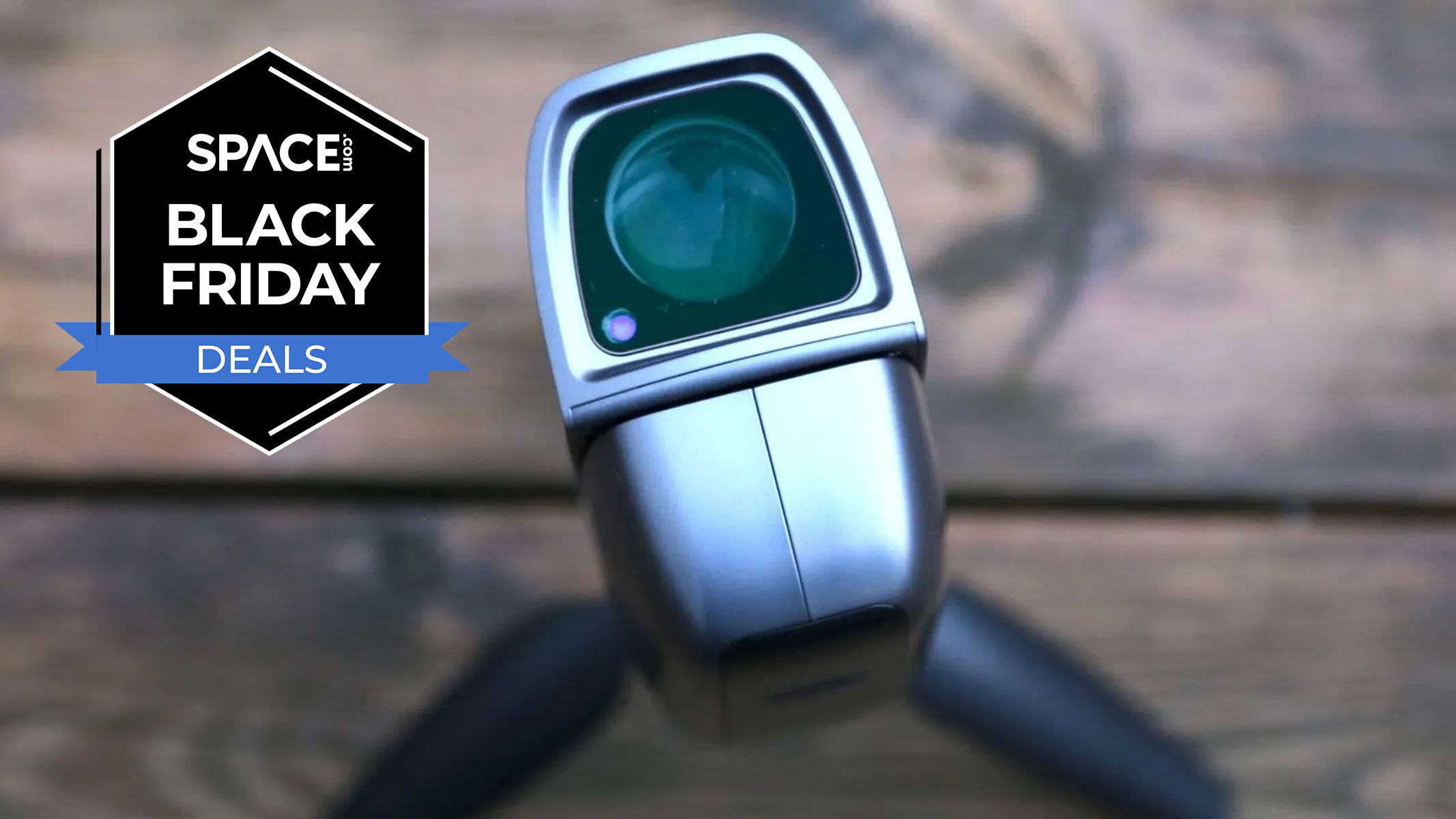
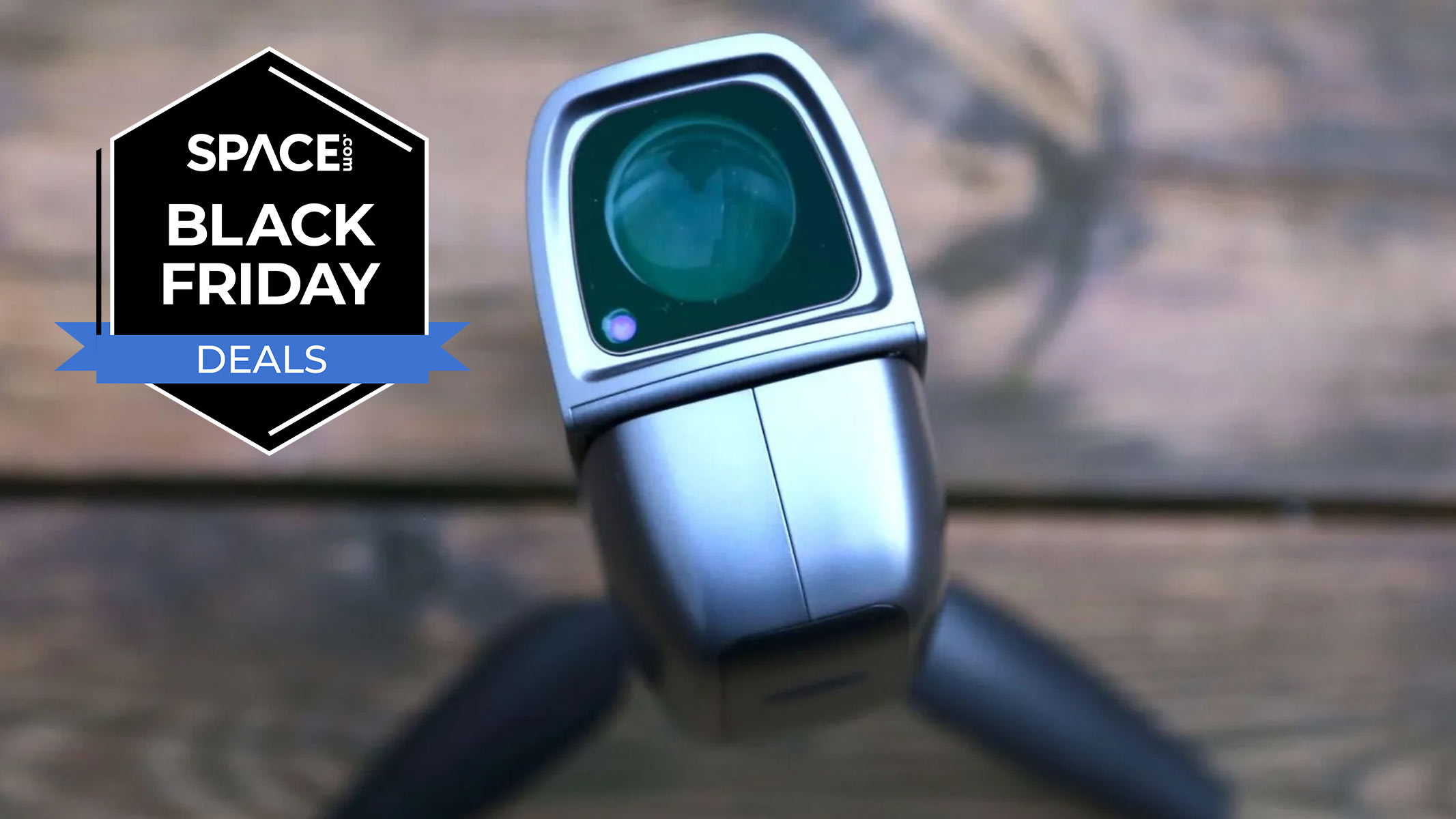
The Dwarf Mini’s performance is defined by its compact architecture. The device features a 1.180-inch (30 mm) aperture and a 150 mm focal length. Despite its small stature, the optical system is optimized for high-contrast viewing. Key technical specifications include:
- Aperture: 1.180 inches (30 mm)
- Focal Length: 150 mm
- Field of View: 50.59 x 45.06 degrees (wide mode) / 2.5 x 2.14 degrees (telephoto mode)
- Dimensions: 7.24 x 3.94 x 2.4 inches
- Storage: 64GB internal capacity
- Power: 7,000 mAh battery capable of approximately 4 hours of continuous operation
- Weight: 1.8 lbs (840 g)
The inclusion of a built-in solar filter is a critical feature, allowing users to safely photograph the sun—a capability often excluded from entry-level equipment due to safety concerns. Furthermore, the device’s "mosaic mode" allows for the stitching of wider sky views, mitigating the common issue of a narrow field of view inherent in small telescopes.
Analysis of the Current Market Landscape
The decision by major retailers—including Amazon, Best Buy, and Walmart—to list the Dwarf Mini at $339 suggests a concerted effort to move inventory during the final quarter of the year. Historically, the smart telescope market has been bifurcated: high-end, multi-thousand-dollar rigs for professionals and "toy-grade" optics for children. The Dwarflab Dwarf Mini exists in the middle, targeting the "prosumer" demographic.
Industry analysts note that the success of these devices relies heavily on the quality of the accompanying software. Dwarflab has invested in a mobile application that handles cloud-based processing, which simplifies the final output. However, the 2MP sensor does impose limitations. While images are crisp enough for social media and casual study, they do not offer the dynamic range required for large-format printing or professional astronomical data analysis. For users seeking higher resolution, products like the ZWO Seestar S50 Pro remain the preferred, albeit more expensive, alternatives.
Implications for Amateur Astronomy
The broader impact of the Dwarf Mini on the hobby is significant. By removing the "friction" associated with setting up a telescope—such as the need to carry heavy counterweights and perform tedious star alignments—the barrier to entry for the younger generation is lowered. This is vital for the continued growth of amateur astronomy, as it allows individuals living in dense urban areas, where light pollution usually renders traditional telescopes useless, to engage in meaningful night-sky observation.
Furthermore, the extreme portability of the device—comparable to the size of a carton of juice—encourages "expedition" astronomy. Amateur astronomers are now increasingly mobile, traveling to remote "Dark Sky" parks to capture images that were previously only accessible to those with permanent observatory setups.

Evaluating the Purchase
For those considering this investment, the primary question remains: what is the intended use case?
The Argument for Purchase:
If the priority is mobility, ease of use, and quick capture, the Dwarf Mini is currently an unrivaled value. Its ability to track objects automatically makes it an excellent teaching tool for families and schools. During the current Black Friday window, the value proposition is at its peak, providing an entry-level professional tool at a sub-$400 price point.
The Argument for Alternatives:
If the user’s goal is high-fidelity astrophotography suitable for high-resolution displays or print, the limitations of the 2MP sensor will eventually become apparent. In such cases, investing in a model with a larger aperture and higher pixel density, such as the ZWO Seestar S50 Pro, may yield better long-term satisfaction.
Conclusion
The current promotion of the Dwarflab Dwarf Mini signifies a maturation in the smart telescope market. As the technology becomes more affordable and reliable, the hobby of astrophotography is transitioning from an esoteric, equipment-heavy pursuit into a mainstream technology experience. Whether one is a seasoned stargazer looking for a secondary, portable "grab-and-go" device or a beginner looking to take their first steps into the cosmos, the Dwarf Mini stands as a testament to the democratization of scientific tools. As the industry continues to advance, it is likely that we will see further integration of AI-assisted image processing and even smaller, more capable optics, ensuring that the mysteries of the night sky remain within reach of anyone with a smartphone and a clear view above.
Related posts: