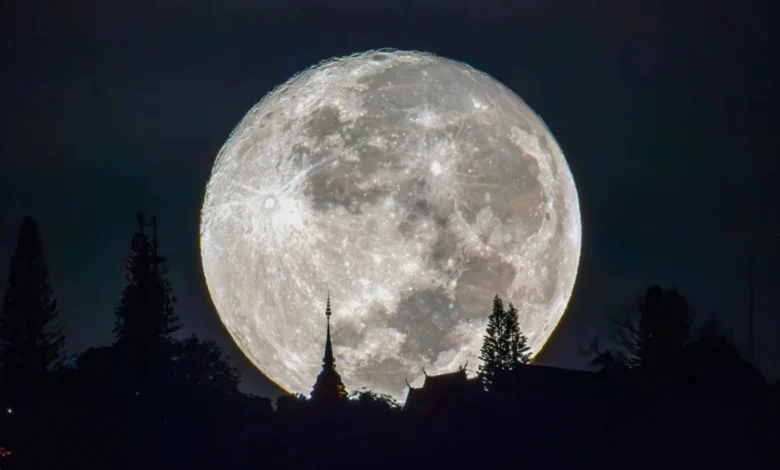
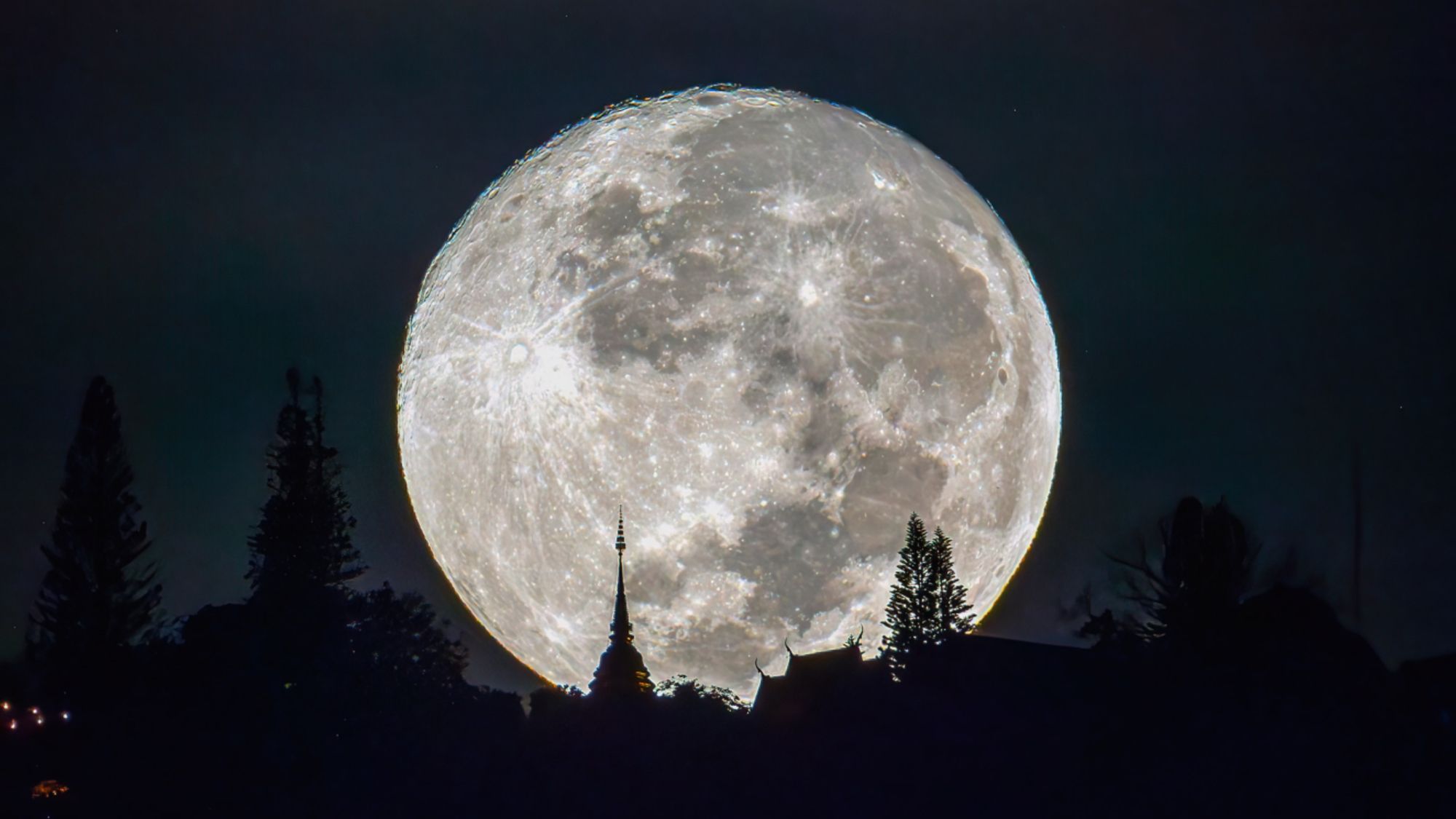
The December full moon reaches peak illumination at 8:28 p.m. EST on Dec. 23 (0128 GMT on Dec. 24) as the lunar disk shines opposite the sun in Earth’s sky, marking the final and closest supermoon of the 2026 calendar year. As the winter chill settles across the Northern Hemisphere, this particular lunar event—traditionally known as the Cold Moon—takes on added significance due to its proximity to the Earth, offering skywatchers a rare opportunity to observe the lunar surface with enhanced clarity and brilliance.
Astronomical data provided by experts like Fred Espenak indicates that this full moon will occur near perigee, the point in the moon’s elliptical orbit where it makes its closest approach to our planet. At its peak, the moon will be approximately 221,667 miles (356,740 kilometers) from Earth. This physical proximity results in a "supermoon" effect, where the lunar disk can appear up to 14% larger and 30% brighter than when the moon is at its farthest point, known as apogee.
The Mechanics of the Supermoon and Lunar Perigee
To understand the spectacle of the 2026 Cold Moon, one must consider the orbital mechanics of our natural satellite. The moon does not orbit the Earth in a perfect circle; rather, its path is an ellipse. This means the distance between the Earth and the moon varies significantly throughout the month. When a full moon coincides with perigee, the visual impact on the night sky is profound.
The term "supermoon" was coined in 1979 by astrologer Richard Nolle, but it has since been adopted by the scientific community as a useful descriptor for this intersection of lunar phase and orbital proximity. The increased brightness and size are not merely subjective experiences; they are measurable phenomena. The closer distance allows for more reflected sunlight to reach the Earth, and the increased angular diameter makes the moon appear significantly more dominant in the sky, particularly when viewed in relation to terrestrial objects.
Cultural and Historical Context of the Cold Moon
The nomenclature of the December full moon is deeply rooted in the folklore of North American indigenous cultures. The term "Cold Moon" is a direct reference to the harsh meteorological conditions that define late December in the Northern Hemisphere. Historically, indigenous tribes, including the Mohican, referred to this period as the "Long Night Moon," acknowledging that this full moon often occurs near the winter solstice—the shortest day and longest night of the year.
Beyond North American traditions, the December moon has held various titles across the globe. Old English traditions dubbed it the "Moon Before Yule," reflecting its proximity to the Christmas season. Meanwhile, Celtic cultures often referred to it as the "Oak Moon," honoring the resilience of the oak tree during the winter dormancy.
In a contemporary context, the moon’s rise continues to coincide with major religious and cultural milestones. For followers of the Hindu faith, this period is synonymous with Datta Jayanti, a celebration of the birth of Lord Dattatreya, a deity representing the holy trinity of Brahma, Vishnu, and Shiva. Simultaneously, the global Christian community observes the birth of Jesus Christ on December 25, just two days after the moon reaches its peak illumination, adding a layer of communal significance to the celestial display.
Observing the Lunar Display: A Strategic Timeline
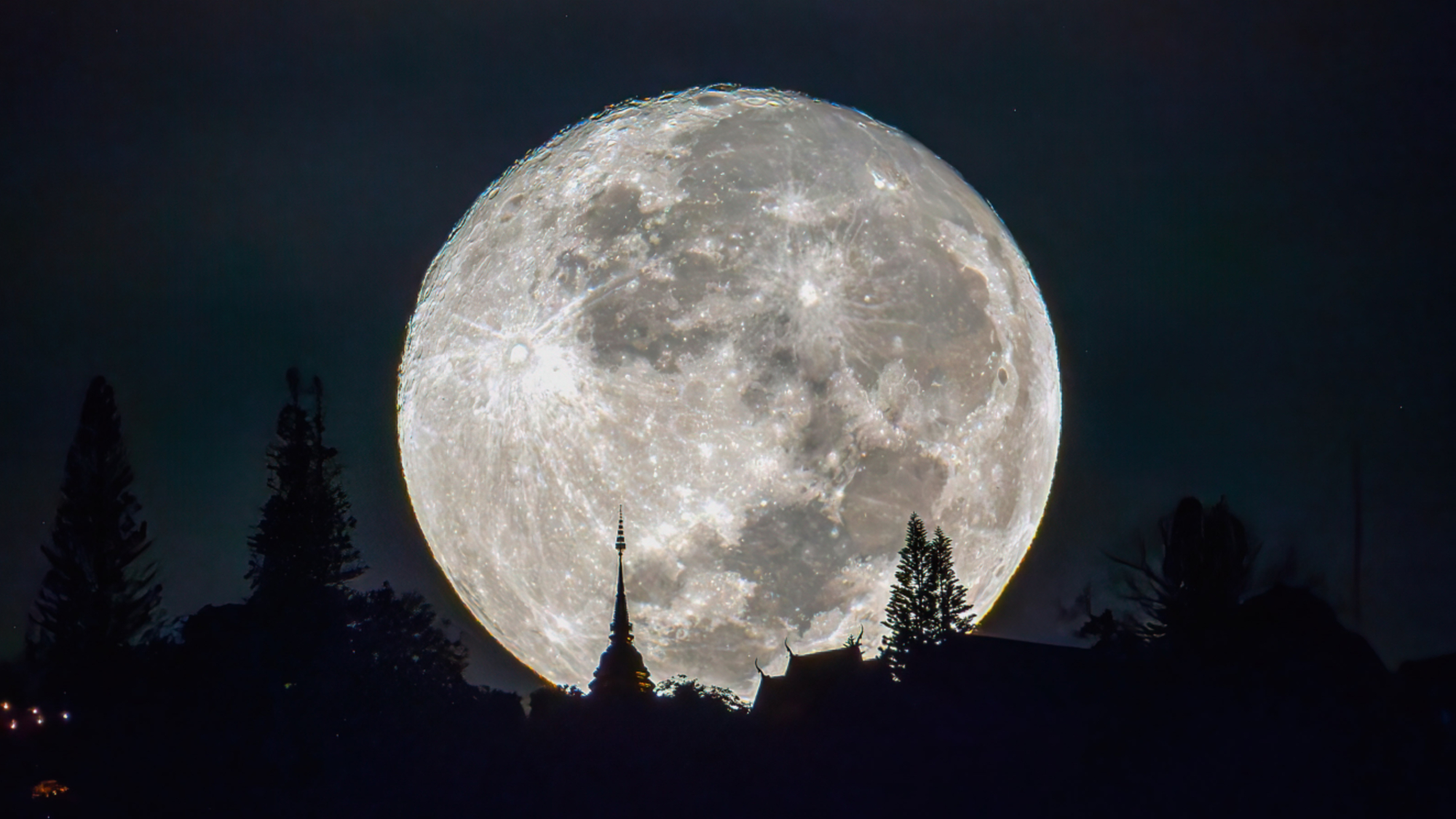
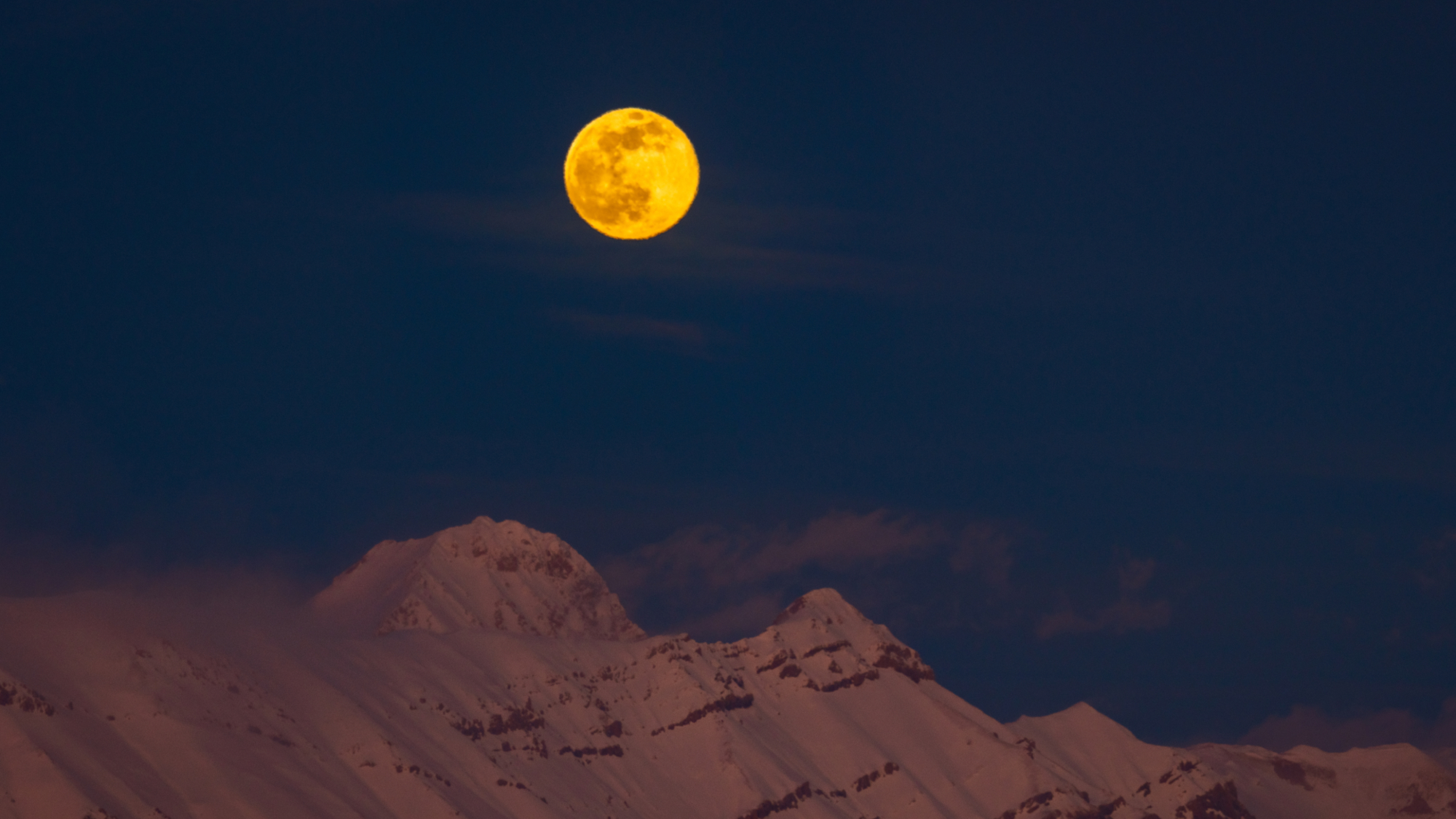
For those planning to witness this event, timing is essential. The moon will rise over the eastern horizon at sunset on December 23. This is arguably the most dramatic time to observe the lunar disk. As the moon emerges near the horizon, it often appears larger than it does when high in the sky. This is known as the "moon illusion," a psychological phenomenon where the brain perceives the moon as larger when it is framed by distant buildings, trees, or mountains.
Furthermore, the moon may take on a distinct golden or amber hue during its ascent. This occurs because the moon’s light must travel through a thicker layer of Earth’s atmosphere when it is low on the horizon. This thick atmosphere scatters shorter, blue wavelengths of light, allowing longer, redder wavelengths to penetrate through to the observer’s eyes.
For viewers globally, the precise timing of moonrise varies significantly based on geographic coordinates. Below is a reference for key cities:
| City | Local Time of Moonrise (Dec. 23-24) |
|---|---|
| New York | 3:58 p.m. EST, Dec. 23 |
| London | 4:07 p.m. GMT, Dec. 24 |
| Tokyo | 4:32 p.m. JST, Dec. 24 |
| Beijing | 4:55 p.m. CST, Dec. 24 |
| Sydney | 8:36 p.m. AEDT, Dec. 24 |
Note: Observers are encouraged to utilize local moonrise trackers, such as those provided by Time and Date, to account for specific horizon obstructions in their immediate vicinity.
Beyond the Moon: The Winter Hexagon and Planetary Alignments
The 2026 Cold Moon provides more than just a lunar spectacle; it serves as a navigational anchor for observing the broader winter night sky. As the moon rises, it will be situated in the heart of the "Winter Hexagon," an asterism of exceptionally bright stars that define the winter constellations.
Observers can identify Sirius, the brightest star in the night sky, rising in the southeast shortly after 8 p.m. From there, one can trace a path to the blue supergiant Rigel in the constellation Orion, and then move to the distinct orange glow of Aldebaran in the constellation Taurus. Continuing the arc, the observer can locate Capella in Auriga, and then move toward Pollux in Gemini and the bright Procyon, effectively completing the loop back to Sirius.
In addition to the stellar display, planetary visibility remains high. Jupiter and Mars will be prominent in the eastern sky in the hours leading up to midnight. Saturn will be visible, though positioned lower toward the western horizon. For early risers, the pre-dawn sky offers a view of Venus—the "Morning Star"—shining with intense brilliance, accompanied by the red giant Arcturus near the constellation Boötes.
Expert Guidance for Astrophotography
Capturing the beauty of a supermoon requires more than a casual snapshot. Because the moon is at perigee, it provides a high-resolution target for photographers. Professionals recommend using a telephoto lens with a focal length of at least 300mm to achieve significant detail on the lunar craters.
When photographing the moon, the primary challenge is balancing the extreme brightness of the lunar disk against the dark backdrop of the sky. Using manual settings is critical; a fast shutter speed is necessary to prevent blurring caused by the Earth’s rotation. Furthermore, using a tripod is non-negotiable for long-exposure settings to ensure sharp, high-quality images. For those looking to upgrade their equipment, researching specialized lenses for astrophotography can provide the clarity needed to distinguish the lunar maria from the highlands.
Future Outlook and Scientific Implications
The 2026 Cold Supermoon represents the culmination of a year of significant lunar events. As we look ahead to 2027, the cycle continues with the Wolf Moon in January, the Snow Moon in February, and the Worm Moon in March.
These events are not merely static displays; they provide scientists and amateur astronomers alike with opportunities to study the moon’s surface features under varying illumination conditions. The consistency of these cycles underscores the predictable, clockwork nature of our solar system, even as human interest in returning to the lunar surface grows.
As space agencies and private enterprises worldwide prepare for the next generation of lunar exploration, the public’s engagement with these full moons serves as a reminder of our enduring connection to our celestial neighbor. Whether for scientific study, cultural observance, or simple appreciation, the 2026 Cold Moon remains a testament to the dynamic and awe-inspiring nature of the night sky. For those interested in sharing their experiences, documentation of the event—including location and technical settings—continues to contribute to the collective archive of global astronomical observation.