Summer 2026 shattered historical climate records to become the hottest season ever documented in the United States.

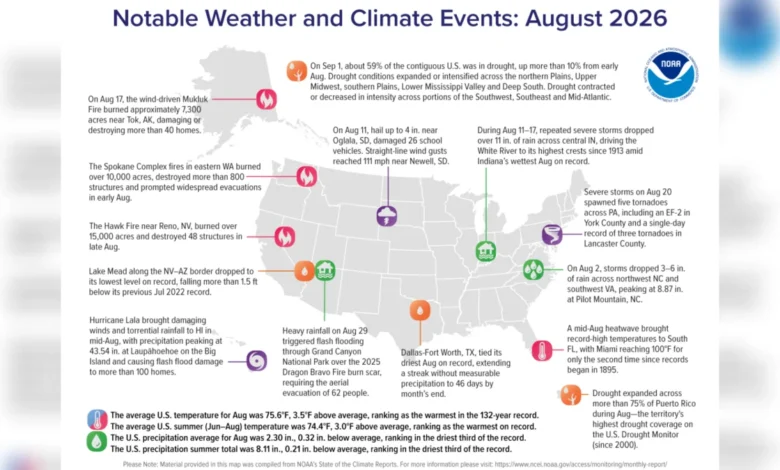
The most recent data released by the National Oceanic and Atmospheric Administration (NOAA) confirms that the contiguous United States experienced its warmest summer in at least 132 years of record-keeping. The seasonal average temperature soared to 3 degrees Fahrenheit (1.67 degrees Celsius) above the long-term average, decisively surpassing the previous record set in 2021 by a significant margin. This systemic warming trend was not merely a seasonal anomaly but a culmination of persistent, record-breaking heat that defined the months of June, July, and August.
A Season of Unprecedented Thermal Extremes
The heat was particularly acute during the month of August, which established itself as the hottest August on record for the nation. Temperatures climbed to 3.5 degrees Fahrenheit (1.94 degrees Celsius) above the historical monthly mean, resulting in a nationwide average of 75.6 degrees Fahrenheit (24.2 degrees Celsius).
Geographically, the heat was widespread, yet certain regions bore the brunt of the thermal intensity. The Southwest, the southern Rockies, and the southwestern Plains experienced sustained, punishing heat waves. Similarly, California, Nevada, New Mexico, and Colorado recorded temperatures that consistently reached dangerous thresholds. Southern Florida also contended with an unrelenting heat index that persisted throughout the latter half of the summer, straining local energy grids and public health resources.
Meteorologists attribute this extreme heat to a combination of persistent high-pressure systems—often referred to as "heat domes"—that trapped warm air over the continent, coupled with a long-term warming trend driven by elevated concentrations of greenhouse gases.
Chronology of a Crisis: From Drought to Disaster
The summer of 2026 was defined by more than just high mercury readings; it was a season characterized by severe hydrological imbalance. As of September 1, approximately 59.1% of the contiguous United States was classified as being in drought conditions. This represents one of the most widespread drought events in the 21st century, rivaling the intensity of the dry spells observed in the year 2000.
The progression of this environmental crisis followed a distinct timeline:
- Early Summer (June): Persistent dry conditions began to take hold across the upper Midwest and the Deep South. Initial soil moisture deficits were reported, setting the stage for increased wildfire susceptibility.
- Mid-Summer (July): Drought conditions intensified across the western United States. By mid-July, the lack of precipitation led to critical water level declines in major reservoirs, triggering mandatory water conservation efforts in several states.
- Late Summer (August): The crisis peaked as extreme heat compounded the drought. During this month, Puerto Rico faced a catastrophic drought, with over 75% of the territory impacted and 40% experiencing "extreme drought" conditions, leading to significant agricultural losses and water rationing.
- Late August/Early September: The confluence of dry fuels, high temperatures, and extreme wind events culminated in a series of rapid-onset natural disasters.
Meteorological Instability and Severe Weather
While the broader story of the summer was one of dryness, the season was paradoxically marked by localized, high-intensity weather events. The lack of moderate, steady rainfall resulted in a "boom or bust" precipitation cycle.
In South Dakota, for example, the atmosphere turned volatile in late August, with wind gusts reaching an astonishing 111 miles per hour (178.6 kilometers per hour). These straight-line winds caused widespread structural damage and power outages, illustrating the unpredictable nature of storm systems operating within a warmer, more energetic atmosphere.
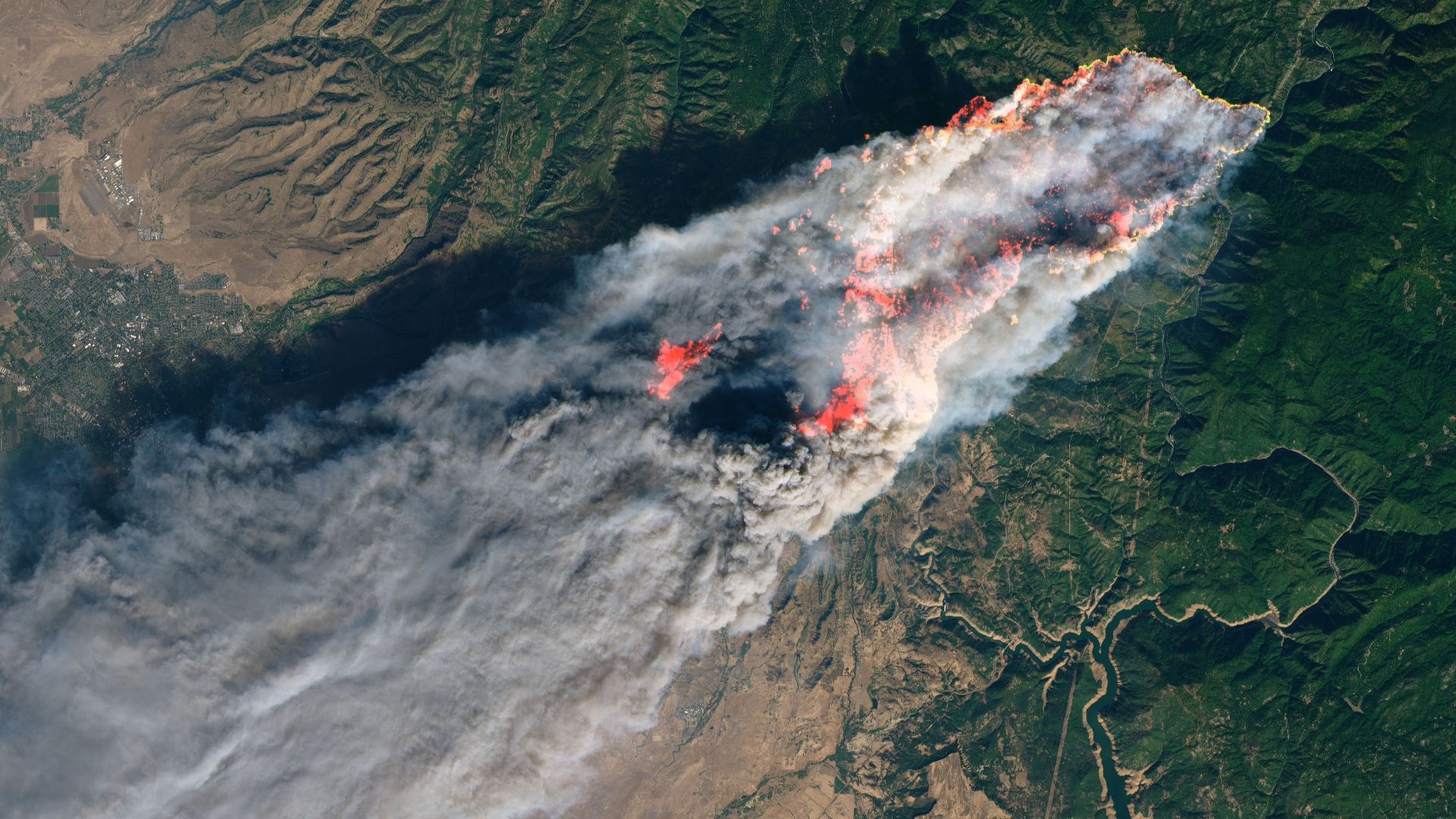
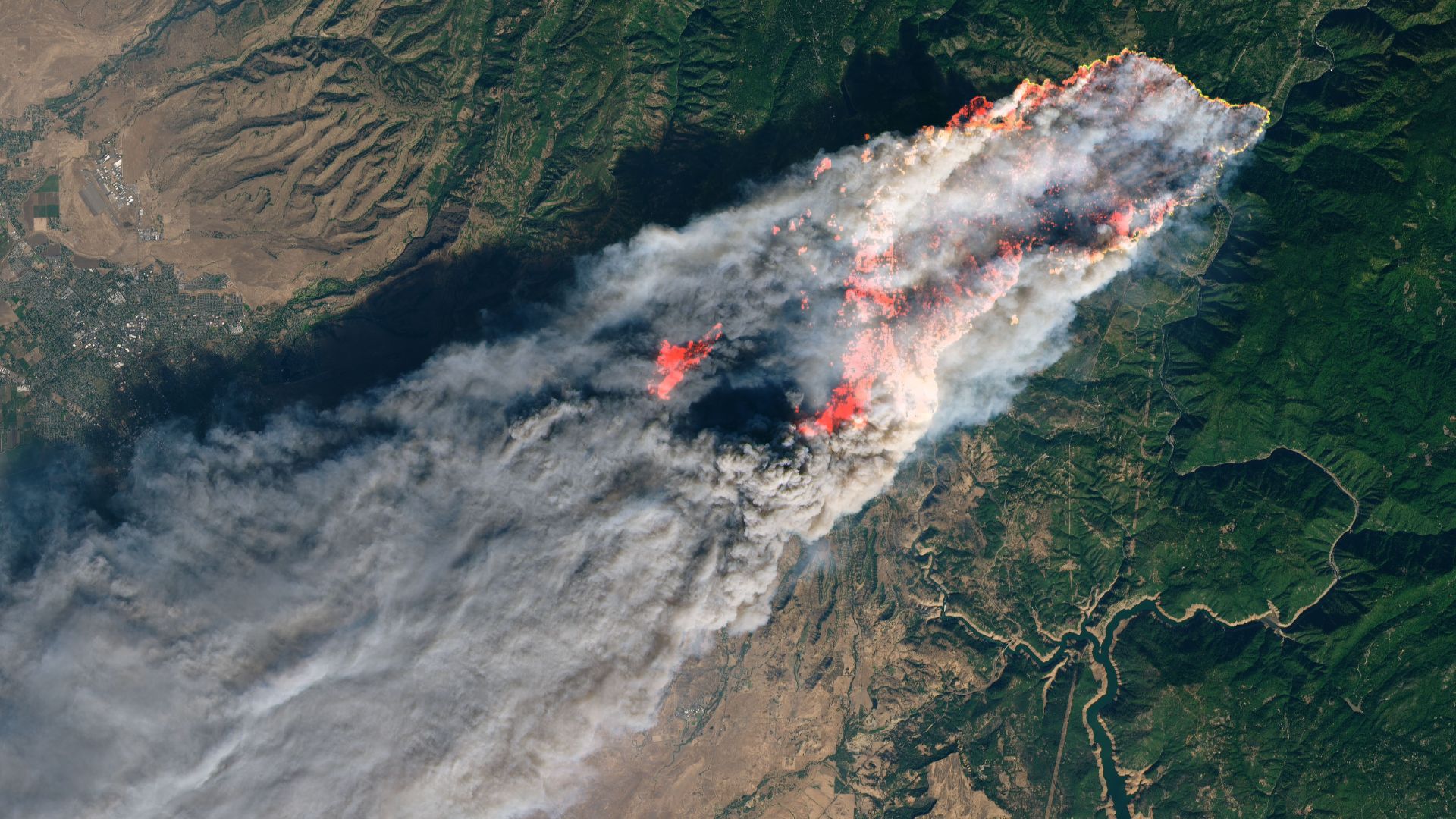
Furthermore, the summer served as a grim reminder of the wildfire-drought nexus. In eastern Washington, wildfires decimated over 10,000 acres, with flames spreading rapidly across state lines into Oregon. Similar fire activity was reported in Nevada and Alaska, where dry vegetation acted as kindling for lightning-ignited blazes. Hawaii was simultaneously impacted by Hurricane Lala, which brought not only high-velocity winds but also significant flooding, proving that even as parts of the country withered from drought, others were susceptible to the destructive power of tropical systems.
Analysis of Implications: The Greenhouse Gas Connection
The findings from the NOAA report provide a stark data point for climate scientists who argue that these events are the direct, observable consequences of anthropogenic climate change. The rise in average global temperatures, driven by human activities such as the combustion of fossil fuels for transportation, electricity generation, and industrial manufacturing, has fundamentally altered the baseline for what constitutes "normal" weather.
"What we are observing is the intensification of extremes," noted one climate researcher familiar with the report. "A 3-degree deviation from the average may seem mathematically small, but in the context of a continent-sized climate system, it represents a massive injection of thermal energy that disrupts weather patterns, accelerates evaporation, and fuels more aggressive natural disasters."
The implications are far-reaching. Beyond the immediate destruction of property and the threat to human life, the long-term economic consequences include reduced agricultural yields, increased costs for cooling and energy, and the degradation of natural ecosystems that are unable to adapt to the pace of current warming.
Official Responses and Future Projections
The federal response to these findings underscores a growing concern regarding the resilience of national infrastructure. NOAA’s report, which serves as a benchmark for policymakers, warns that the current drought conditions are likely to persist into the autumn months.
Government agencies are currently reviewing the 2026 data to adjust long-term climate adaptation strategies. The focus is shifting toward "climate-proofing" infrastructure—designing power grids that can withstand 100+ mph winds, water management systems that can better navigate prolonged droughts, and building codes that account for extreme thermal expansion.
Moreover, the international community continues to monitor these U.S. trends as part of a global phenomenon. As the planet warms, the feedback loops become more pronounced. Glacial ice loss in regions like Greenland continues to contribute to sea-level rise, which, when combined with the severe storm surges seen in events like Hurricane Lala, creates a compounding threat for coastal populations.
A New Climate Reality
The record-breaking summer of 2026 acts as a watershed moment in the conversation surrounding environmental policy. It is no longer a matter of debating the existence of climate change, but rather a matter of managing the realities of a transformed environment.
The data provided by NOAA is clear: the contiguous United States is entering a new era of climate volatility. The transition from a "dry summer" to a "wildfire-prone autumn" is becoming a standard seasonal progression rather than a rare occurrence. As the nation processes these statistics, the focus must inevitably shift toward mitigation—reducing the carbon footprint that drives these warming trends—and adaptation, preparing for a future where the weather of 2026 may eventually be viewed not as an anomaly, but as a typical year.
With the summer season concluded, the data points clearly toward a need for robust, evidence-based responses. As the atmosphere continues to hold more heat and more moisture, the capacity for the planet to surprise us with record-shattering events remains high. The challenge for the coming years will be to bridge the gap between historical expectations and the new, heightened reality of a warming world.