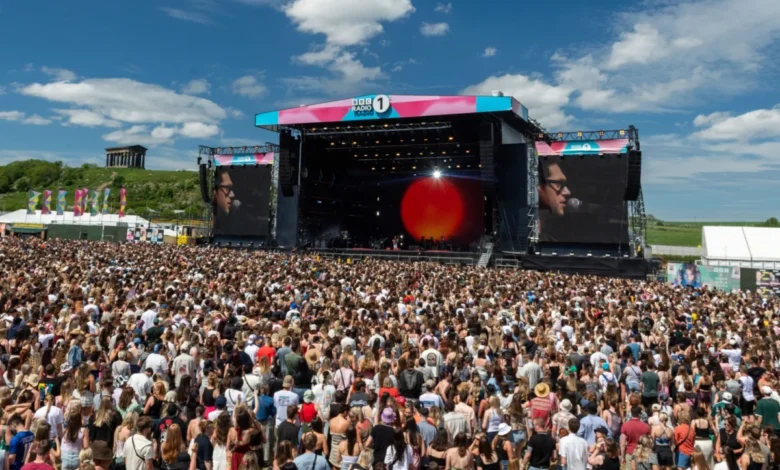
The coastal city of Brighton is set to become the epicenter of the UK’s live music calendar in the summer of 2027 as it prepares to host the BBC’s flagship festival, Radio 1’s Big Weekend. The announcement, which was confirmed on Thursday, November 26, via the Radio 1 Breakfast show with Greg James, marks a significant addition to the city’s storied musical legacy. The festival is scheduled to occupy the expansive grounds of Preston Park from May 28 to May 30, 2027, with organizers anticipating an attendance of approximately 80,000 music enthusiasts over the course of the three-day event.
A Legacy of Touring Success
Since its inception in 2003, Radio 1’s Big Weekend has functioned as a nomadic cultural force, designed to bring world-class musical performances to regions of the UK that are often overlooked by major touring circuits. By rotating its location annually, the BBC ensures that the festival serves a diverse demographic, fostering local engagement and providing a platform for emerging talent alongside established global superstars.
The festival’s history is a testament to its scale and cultural influence. Previous iterations have seen iconic performances that have defined the careers of some of the industry’s most recognizable figures. In Hull, fans were treated to a rare headline appearance by Lana Del Rey, while Taylor Swift’s performance in Norwich remains a benchmark for the festival’s ability to attract global A-list talent. Other notable host cities include Coventry, which welcomed Ed Sheeran, and Luton, which recently hosted Sabrina Carpenter.
Most recently, the 2026 edition took place at Herrington Country Park in Sunderland. That event underscored the festival’s commitment to genre diversity, featuring a high-profile lineup that included Zara Larsson, Olivia Dean, Niall Horan, CMAT, and the experimental pop artist horsegiirL. The inclusion of such a broad spectrum of artists—ranging from pop staples like Louis Tomlinson and Ellie Goulding to the genre-defying sounds of Nothing But Thieves—highlights the station’s role as a curator of the modern British soundscape.
The Choice of Brighton
The selection of Brighton as the 2027 host city is being viewed by industry analysts as a strategic move that aligns with the city’s identity as a creative hub. Greg James, speaking on the announcement, emphasized the synergy between the station’s ethos and the city’s cultural environment. "If Radio 1 was a place, it would be Brighton," James noted during the announcement. "It’s got an amazing musical heritage, loves bringing different people together and wants to make sure fun is prioritized."
James further acknowledged the long-standing anticipation for the event to come to the seaside city, admitting that it was overdue. Brighton’s infrastructure—characterized by its thriving independent venue scene and its history of hosting large-scale outdoor events—makes it an ideal candidate for the logistical demands of an 80,000-capacity festival.
Strategic Planning and Partnership
The BBC is currently engaged in an intensive planning phase, working in close collaboration with the Brighton & Hove City Council to ensure the event meets rigorous safety and accessibility standards. Hosting a festival of this magnitude requires a multi-agency approach, involving local law enforcement, transport authorities, and sustainability consultants to manage the influx of tens of thousands of visitors into the city center.
Aled Haydn Jones, the Head of Radio 1, underscored the importance of this collaboration. "Radio 1’s Big Weekend is a huge part of what we do as a station, celebrating the very best of music and giving audiences the chance to see some of the most exciting and talked-about artists live on their doorstep, alongside discovering new and emerging talent," Haydn Jones stated. He expressed a high level of optimism regarding the transition to Brighton, noting that the station is eager to leverage the city’s unique atmosphere to curate a "brilliant weekend."
Local Economic and Cultural Impact
For Brighton & Hove, the festival is expected to act as a significant economic catalyst. Bella Sankey, the leader of the Brighton & Hove City Council, highlighted the multifaceted benefits of hosting the event. "Brighton & Hove has an incredible music and cultural scene, so we’re a perfect home for Radio 1’s Big Weekend," Sankey said. "It will bring some of the biggest names in music, along with thousands of fans, providing a real showcase for the city and a boost for local businesses."
Economic impact studies from previous host cities suggest that the Big Weekend can generate millions of pounds in local revenue, as concert-goers utilize local transport, hospitality, and retail sectors. Beyond the immediate financial windfall, the event provides the city with a global media platform, as the festival is broadcast live across the BBC’s network, including comprehensive coverage on BBC iPlayer and BBC Sounds.
Analytical Perspective: The Future of the Festival Model
The "nomadic" festival model employed by the BBC is becoming increasingly relevant in the post-pandemic era of live entertainment. As the costs of touring rise and the logistics of massive, static festivals become more complex, the Big Weekend offers a sustainable alternative that avoids the environmental impact of long-term site construction. By utilizing public parks like Preston Park, the BBC minimizes the need for permanent infrastructure while maximizing the reach of their public service broadcasting mandate.
Furthermore, the festival serves as a vital barometer for the health of the UK music industry. By prioritizing the juxtaposition of "household names" with "emerging talent," the BBC ensures that the festival remains relevant to Gen Z and Alpha audiences who consume music through short-form social media and algorithmic discovery. The integration of high-production-value streaming ensures that the event’s reach extends far beyond the 80,000 people on the ground, effectively turning the entire nation into an audience.
Looking Ahead: What to Expect
As the planning cycle for the 2027 edition moves into its next phase, the focus will shift toward the curation of the lineup. While specific names have not yet been disclosed, industry insiders expect a mix of the artists dominating the current year-end charts and those predicted to have a breakout year in 2027. The BBC has committed to releasing further information regarding the specific artist roster and the ticketing process in the coming months.
Historically, tickets for the Big Weekend are distributed through a lottery system to ensure equity, reflecting the BBC’s commitment to accessibility as a publicly funded broadcaster. Fans are advised to monitor official Radio 1 channels and the BBC website for updates on the registration process, which is expected to be highly competitive given the popularity of the host city.
In summary, the 2027 iteration of Radio 1’s Big Weekend in Brighton represents a culmination of years of local advocacy and the BBC’s continued commitment to national cultural programming. By merging the high-energy, youth-focused content of Radio 1 with the rich, bohemian, and musical history of Brighton, the event is poised to be one of the highlights of the decade. As the city begins the necessary preparations to welcome thousands of fans to Preston Park, the anticipation will likely continue to build, reinforcing the status of the Big Weekend as a quintessential British musical institution.