“Councils can do more with their existing budgets…” The truth about the pothole pandemic | Autocar


British motorists are currently navigating a crumbling infrastructure that has reached a critical tipping point, as record numbers of potholes continue to plague the nation’s highways and local roads. Despite significant injections of capital from central government, the physical state of the United Kingdom’s road network appears to be in a state of managed decline. Industry experts and transport advocacy groups are now pointing to a trifecta of systemic failures: ineffective repair methodologies, a lack of rigorous financial oversight, and a pervasive absence of long-term strategic planning among local authorities. While the government has significantly increased funding for the 2025/26 financial year, the disconnect between fiscal input and tangible road quality remains a primary concern for the automotive industry and the tax-paying public alike.
The Financial Paradox: Increased Funding Versus Marginal Gains
For the 2025/26 financial year, the UK government allocated an additional £1.6 billion specifically earmarked for highway maintenance. This figure is part of a broader commitment to invest a further £7.3 billion over the subsequent four years, a move intended to address the multi-billion-pound backlog of road repairs. However, the latest Annual Local Authority Road Maintenance (ALARM) survey, published by the Asphalt Industry Alliance (AIA), suggests that this 17% increase in budget has yet to translate into smoother journeys for drivers.
The AIA report highlights a troubling trend: while budgets are rising on paper, the sheer scale of the maintenance backlog—estimated to be in excess of £16 billion—means that most councils are merely treading water. The survey indicates that the "one-time catch-up cost" to bring the roads of England and Wales up to a standard where they can be maintained efficiently has reached an all-time high. Consequently, the marginal improvements observed on UK roads are being swallowed by the accelerating rate of deterioration caused by aging surfaces and increasingly volatile weather patterns.
A Systemic Failure in Repair Strategy
A significant portion of the blame for the current state of the roads is being directed at the Department for Transport’s (DfT) assessment of local authority performance. According to DfT data, only 16 of the 154 local authorities in England are deemed to be using their extra maintenance budgets effectively. The core of the issue lies in the methodology of the repairs themselves.
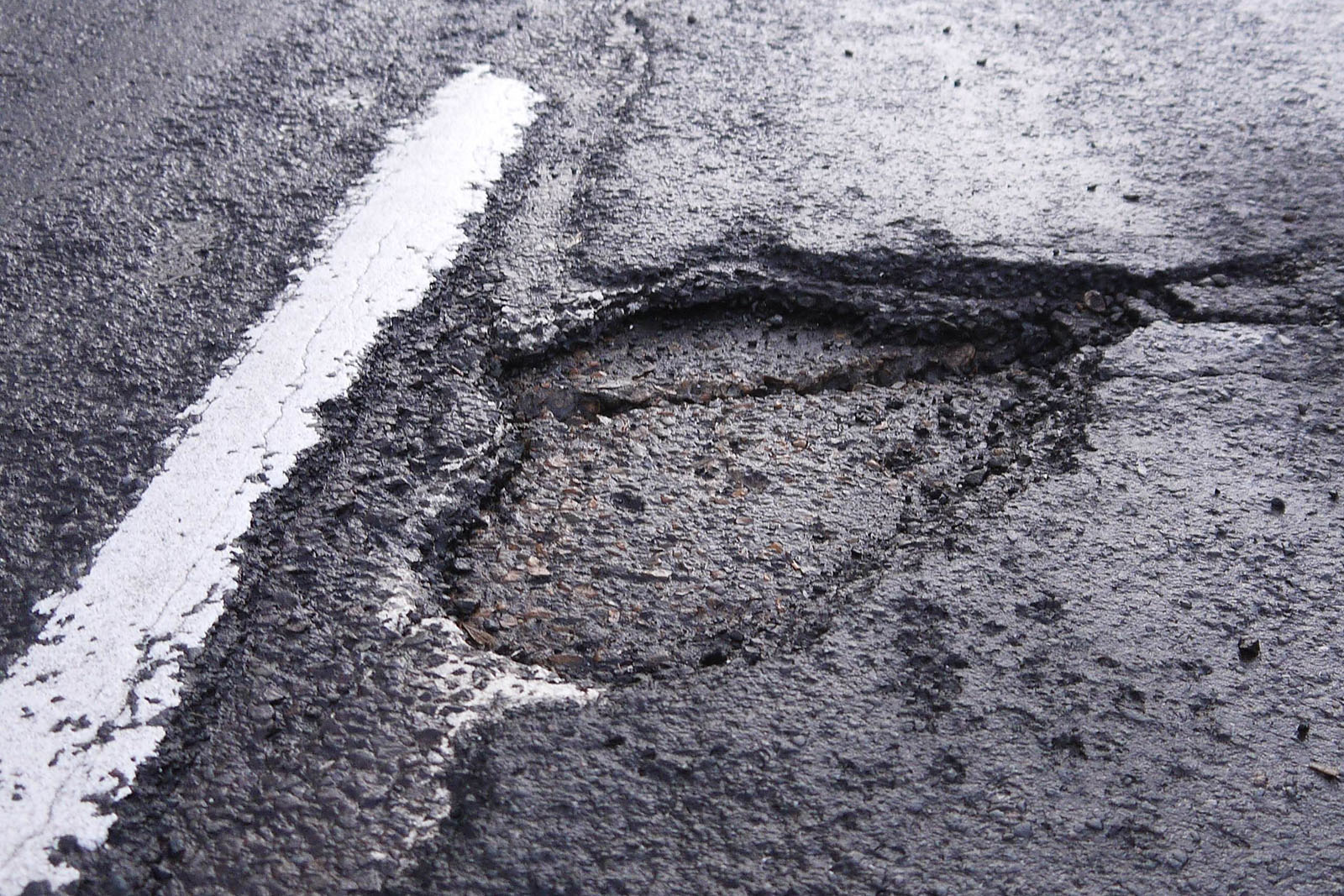
Many councils continue to rely on "reactive" maintenance—often referred to as "patch-and-mend." This involves filling individual potholes with cold-fill asphalt as they appear, a process that is frequently temporary and prone to failure within months. Industry experts argue that these expensive, short-term repairs are a poor use of public funds compared to "proactive" or "preventative" measures. Preventative maintenance, such as surface dressing or full resurfacing, seals the road against moisture and extends its life by decades, yet many local authorities claim they lack the upfront capital or the long-term planning windows to execute these more cost-effective strategies.
The Human and Mechanical Cost of Crumbling Infrastructure
The physical manifestation of these administrative failures is felt most acutely by motorists and the organizations that support them. The AA reported a staggering 137,000 pothole-related incidents in January and February of this year alone. This represents an increase of 25,000 call-outs compared to the same period in the previous year, suggesting that the "pothole season" is becoming longer and more destructive.
The RAC has provided equally sobering data, noting that call-outs for damage to wheels and suspension systems averaged 225 per day in February. This is a dramatic surge from the average of 66 per day recorded just twelve months prior. The RAC attributes this spike to the synergy between poor road surfaces and record-breaking rainfall. In early 2024, 26 areas across the UK experienced their wettest months on record.
Water is widely considered the primary enemy of road longevity. When water enters cracks in the asphalt, it weakens the sub-base. The weight of passing vehicles then creates hydraulic pressure that forces the water deeper, eventually causing the surface to collapse into a pothole. Without adequate drainage systems—which are often neglected in favor of visible surface repairs—the road network remains vulnerable to every rainstorm.
The Insurance Surge and Economic Impact
The financial burden of the pothole crisis is increasingly being shifted onto the insurance industry and, by extension, the consumer through rising premiums. Admiral Insurance has reported a 75% increase in pothole-related claims during the first quarter of this year compared to the same period in 2023. Even more startlingly, claims for the month of February 2024 were up 144% year-on-year.
The economic implications extend beyond individual repair bills. A deteriorating road network increases the cost of logistics, slows down the movement of goods, and contributes to vehicle depreciation. For many families already struggling with the cost of living, a £500 bill for a cracked alloy wheel or a broken suspension spring can be a significant financial blow. Furthermore, the cycle of repeated, failed repairs is an inefficient use of carbon-intensive materials like bitumen, undermining the UK’s broader environmental goals.
Calls for Structural Reform: The Pothole Partnership
In response to the escalating crisis, a lobby group known as the Pothole Partnership—which includes the AA, JCB, and the National Motorcyclists Council—is calling for a fundamental shift in how roads are managed. Ben Rawding, general manager of JCB and a prominent member of the partnership, has been vocal about the need for accountability and quality control.
The partnership is advocating for a mandatory five-year warranty on all non-emergency pothole repairs. This would shift the financial risk of a repair failure from the taxpayer to the contractor, incentivizing high-quality, "right-first-time" workmanship. Rawding argues that the current system is plagued by inefficiencies and inconsistencies, particularly when councils outsource work to third-party contractors.
"Councils have huge scope to do more with their existing budgets," Rawding noted. He pointed out a distinct regional disparity in efficiency, observing that councils in the north of the country, which often retain direct responsibility for road work rather than relying heavily on sub-contractors, tend to achieve better results. The worst-performing authorities are often characterized by widely varying contract terms, a lack of economies of scale, and an absence of key performance indicators (KPIs) that would hold contractors to account for the longevity of their repairs.
A Chronology of the Crisis
To understand the current predicament, it is necessary to view the timeline of UK road maintenance over the last decade:
- 2010–2020: The Austerity Decade. Local authority budgets faced significant cuts, leading many councils to slash "non-essential" spending. Road maintenance was often relegated to reactive emergency repairs only, allowing the underlying infrastructure to age significantly.
- 2021–2023: The Inflationary Shock. Post-pandemic supply chain issues and the war in Ukraine saw the price of bitumen and fuel skyrocket. Even as funding began to increase, the purchasing power of that money was severely eroded.
- Winter 2023–2024: The Weather Catalyst. A series of named storms and record rainfall hit the UK. The saturated ground and high water tables accelerated the decay of already weakened road surfaces.
- Early 2024: The Funding Influx. The government announces the £8.3 billion long-term funding plan (including the redirected HS2 funds), but the AIA warns that the money is not reaching the front lines fast enough to stop the rot.
Analysis of Future Implications
If the current trend of inefficient spending and reactive maintenance continues, the UK faces several long-term risks. First, the cost of repair will continue to grow exponentially. It is a well-established engineering principle that preventative maintenance is up to 20 times cheaper than reactive repair. By delaying resurfacing, councils are effectively opting for a more expensive future.
Second, the transition to electric vehicles (EVs) adds a new layer of complexity. EVs are generally heavier than their internal combustion engine counterparts due to battery weight. This increased axle load places more stress on the road surface, meaning that repairs that might have lasted three years on a road used by lighter cars may now fail in eighteen months.
Third, there is the issue of road safety. Potholes are not merely an inconvenience; they are a significant hazard for two-wheeled road users. Cyclists and motorcyclists are at risk of life-changing injuries or death when striking deep potholes or attempting to swerve around them in traffic. As the government continues to promote "active travel," the state of the roads remains a major deterrent to cycling.
Conclusion: The Path Forward
The consensus among industry experts is that more money is only half of the solution. The other half is a radical overhaul of how that money is spent. This includes the adoption of new technologies—such as JCB’s "Pothole Pro" machine, which can repair a pothole in minutes with a cleaner, more durable cut—and a shift toward long-term maintenance contracts that prioritize durability over the lowest initial bid.
For the UK to solve its pothole crisis, local authorities must be empowered and required to move away from the "patch-and-mend" culture. Without strict KPIs, five-year warranties on repairs, and a strategic focus on drainage and preventative resurfacing, the billions of pounds of taxpayer money currently being poured into the roads may continue to disappear into the very holes it was intended to fix. As the 2025/26 financial year approaches, the pressure on councils to demonstrate value for money has never been higher, and the patience of the British motorist has never been lower.