Methane, a colorless and odorless hydrocarbon, has emerged as a central focus of international climate policy due to its status as the second most significant contributor to global warming, trailing only carbon dioxide (CO2). Composed of one carbon atom and four hydrogen atoms (CH4), this potent greenhouse gas is the primary component of natural gas, which currently accounts for approximately 25 percent of the world’s electricity generation. While CO2 remains the most abundant anthropogenic greenhouse gas, methane’s chemical structure allows it to trap heat far more effectively in the short term, making it a critical lever for slowing the rate of planetary warming. As atmospheric concentrations reach record highs, scientists and policymakers are increasingly viewing methane reduction as the most immediate and cost-effective strategy to avoid the most catastrophic effects of the climate crisis.
The Scientific Foundation and Rising Concentrations
Methane is generated through both geological and biological processes. Geologically, it is formed over millions of years as heat and pressure act upon organic matter buried deep within the Earth’s crust—the primary source of the natural gas extracted for fuel. Biologically, the gas is a byproduct of methanogenesis, a process involving specialized microorganisms known as archaea. These microbes thrive in oxygen-free environments, such as wetlands, the digestive tracts of ruminant animals like cattle, and the depths of landfills.

Since the onset of the Industrial Revolution, human activities have disrupted the natural methane cycle. Historically, natural sinks—such as soil microbes and chemical reactions in the troposphere—were able to neutralize methane emissions. However, the acceleration of fossil fuel extraction, intensive industrial agriculture, and massive waste production has overwhelmed these natural processes. According to data from the World Meteorological Organization (WMO), atmospheric methane concentrations soared to 1,934 parts per billion (ppb) in 2023, a staggering 265 percent increase over pre-industrial levels. Currently, human activities are responsible for approximately 60 percent of all methane emissions, contributing to roughly one-third of the total global heating observed to date.
Chronology of Methane Policy and Global Monitoring
The recognition of methane as a primary climate threat has evolved significantly over the last decade. A pivotal moment occurred in 2021 at the COP26 United Nations climate conference in Glasgow, where the United Kingdom and the United States spearheaded the Global Methane Pledge. This initiative, which has grown to include 159 nations as of early 2025, aims to reduce global methane emissions by 30 percent from 2020 levels by the year 3030.
Parallel to policy shifts, the technology used to track methane has undergone a revolution. Traditionally, methane was measured using "bottom-up" methods, which rely on localized ground-level data and mathematical estimations based on the number of cattle or the known leak rates of specific equipment. However, these estimates often proved inaccurate. Recent "top-down" approaches, utilizing high-altitude aircraft and advanced satellite constellations like GHGSat and MethaneSAT, have revealed a much grimmer reality.

In 2018, a landmark study published in the journal Science found that direct measurements of U.S. oil and gas methane emissions were 60 percent higher than previous estimates provided by the Environmental Protection Agency (EPA). Satellite imaging has also identified "super-emitter" events—massive, localized leaks or venting incidents. In 2022, researchers detected over 1,000 such incidents globally. One notable event in Turkmenistan released methane at a rate of 427 metric tons per hour, an intensity equivalent to the total hourly emissions of the entire nation of France.
Primary Sources: Agriculture, Fossil Fuels, and Waste
The anthropogenic sources of methane are concentrated in three major sectors:
Industrial Agriculture
Agriculture is the leading cause of human-driven methane emissions, accounting for roughly 40 percent of the total. Within this sector, livestock production is the dominant factor. Ruminant animals—cows, sheep, and goats—produce methane through enteric fermentation during digestion. Beef and dairy cattle are the primary contributors to this category. Additionally, the storage of manure in large-scale industrial lagoons creates anaerobic conditions that facilitate further methane release. Rice cultivation also plays a significant role, as flooded paddies provide the ideal oxygen-poor environment for methanogenic archaea.

Fossil Fuel Infrastructure
The extraction, processing, and transport of coal, oil, and gas contribute approximately 35 percent of human-caused methane. In the oil and gas sector, methane is often intentionally vented or flared when infrastructure is lacking, or it escapes through unintentional leaks in aging pipelines and valves. In the coal industry, methane trapped within coal seams is released during the mining process. Abandoned and orphaned wells and mines continue to leak methane into the atmosphere long after production has ceased, representing a significant "legacy" emission source.
Global Waste Management
Landfills and wastewater treatment systems are responsible for 20 percent of methane emissions. As organic waste—such as food scraps and paper—decomposes in the oxygen-depleted environment of a landfill, it releases significant quantities of biogas. With global solid waste production expected to rise by 73 percent by 2050 due to population growth and urbanization, the waste sector is projected to be the fastest-growing source of methane emissions if mitigation strategies are not implemented.
The "Bridge Fuel" Myth and the LNG Expansion
A major point of contention in global energy policy is the role of Liquefied Natural Gas (LNG). For years, proponents have marketed natural gas as a "bridge fuel" because it emits about half as much CO2 as coal when burned for electricity. This narrative drove a massive boom in hydraulic fracturing (fracking) and the construction of export terminals in the U.S., which became the world’s top LNG exporter in 2022.

However, recent scientific analysis has called the "bridge fuel" status into question. Methane’s potency is such that if even 0.2 percent of the gas leaks during extraction or transport, its climate impact equals that of coal. A 2023 study indicated that when total lifecycle methane leaks are accounted for, LNG may have a 33 percent greater global warming potential than coal over a 20-year period. Environmental advocates warn that the current build-out of LNG infrastructure could lock in decades of high emissions, potentially canceling out progress made in the renewable energy sector.
Climate Feedback Loops and Public Health Risks
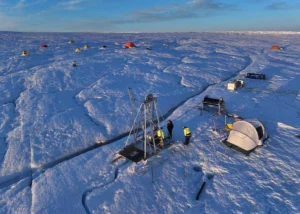
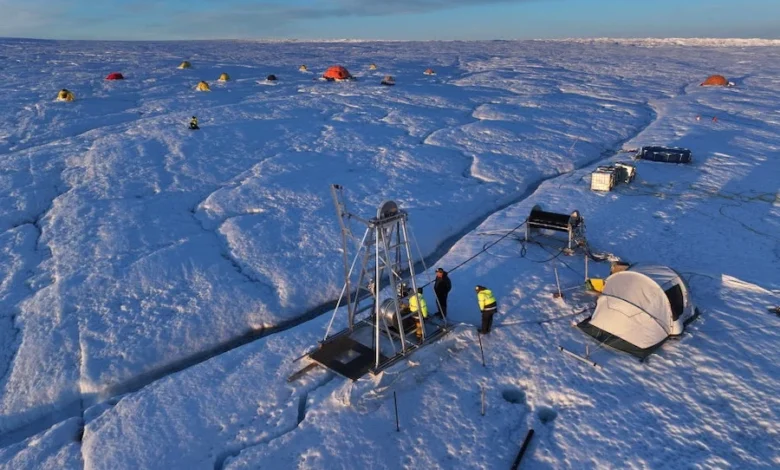
Methane is a central component in several dangerous "positive feedback loops." As the planet warms, natural systems respond in ways that release even more methane, further accelerating the warming. The most concerning of these is the thawing of Arctic permafrost. The Arctic contains roughly 2.5 times more carbon than is currently in the atmosphere; as it thaws, microbes break down previously frozen organic matter, releasing methane and CO2. Similarly, rising temperatures and changing rainfall patterns are causing tropical wetlands to expand and emit more gas—a phenomenon known as the "wetland methane feedback."
Beyond its climate impact, methane is a precursor to ground-level ozone, a hazardous air pollutant. Ozone damages lung tissue and exacerbates respiratory conditions like asthma. Current estimates suggest that methane-generated ozone is responsible for approximately 500,000 premature deaths annually and results in the loss of 145,000 metric tons of essential crops, including wheat and soy, every year.

Strategies for Mitigation and Future Outlook
The Intergovernmental Panel on Climate Change (IPCC) has stated that methane emissions must be reduced by 34 percent by 2030 to keep global warming within the 1.5 degrees Celsius limit established by the Paris Agreement. Fortunately, many mitigation strategies are currently available and cost-effective.
In the energy sector, the International Energy Agency (IEA) estimates that 70 percent of methane emissions from oil and gas operations could be eliminated using existing technology, with 40 percent of those reductions achieved at no net cost. This includes better leak detection, the installation of vapor recovery units, and the capping of abandoned wells. In agriculture, solutions range from dietary shifts toward plant-based proteins to technical fixes like adding seaweed (specifically Asparagopsis taxiformis) to cattle feed, which has been shown to reduce enteric methane by up to 82 percent.
In the waste sector, the transition toward a "circular economy" that prioritizes composting and organic waste diversion can significantly reduce landfill emissions. For the methane already in the atmosphere, scientists are exploring nature-based solutions—such as reforestation, as tree bark contains methane-eating microbes—and experimental geoengineering methods like atmospheric iron salt aerosol injection.

The takeaway for the global community is clear: methane represents both a dire threat and a unique opportunity. While its potency accelerates the climate crisis, its short atmospheric lifespan of approximately 12 years means that aggressive action taken today will yield tangible results within a decade. Reducing methane emissions is no longer just a technical necessity; it is a vital strategy for stabilizing the global climate and protecting public health in the 21st century.