
Tariff Block Russia Sanctions Immigration Spending Sinwar
Tariff Block Russia Sanctions Immigration Spending Sinwar: A Multifaceted Analysis of Geopolitical and Economic Ramifications
The imposition of extensive tariff blocks and sanctions by a coalition of nations against Russia, intrinsically linked with the ongoing geopolitical crisis and subsequent conflict involving figures like Sinwar, has precipitated a complex web of economic repercussions, most notably impacting global immigration flows and domestic spending priorities. These measures, designed to cripple Russia’s economic capacity and compel a change in its foreign policy, have created significant ripple effects across international trade, energy markets, and the movement of people. The direct and indirect consequences on national budgets, particularly in countries that rely on trade with Russia or host significant Ukrainian refugee populations, necessitate a granular examination of fiscal adjustments and strategic recalibrations. Understanding the interplay between trade restrictions, financial penalties, and humanitarian responses is crucial for policymakers grappling with the dual challenges of geopolitical instability and economic resilience. The scale and scope of these sanctions, which encompass restrictions on financial transactions, export controls on critical technologies, and the seizure of assets, have fundamentally altered the landscape of international economic relations, compelling nations to reassess their trade dependencies and develop contingency plans for supply chain disruptions. This multifaceted crisis, amplified by the figure of Sinwar and the broader context of the conflict, demands a comprehensive understanding of its cascading effects.
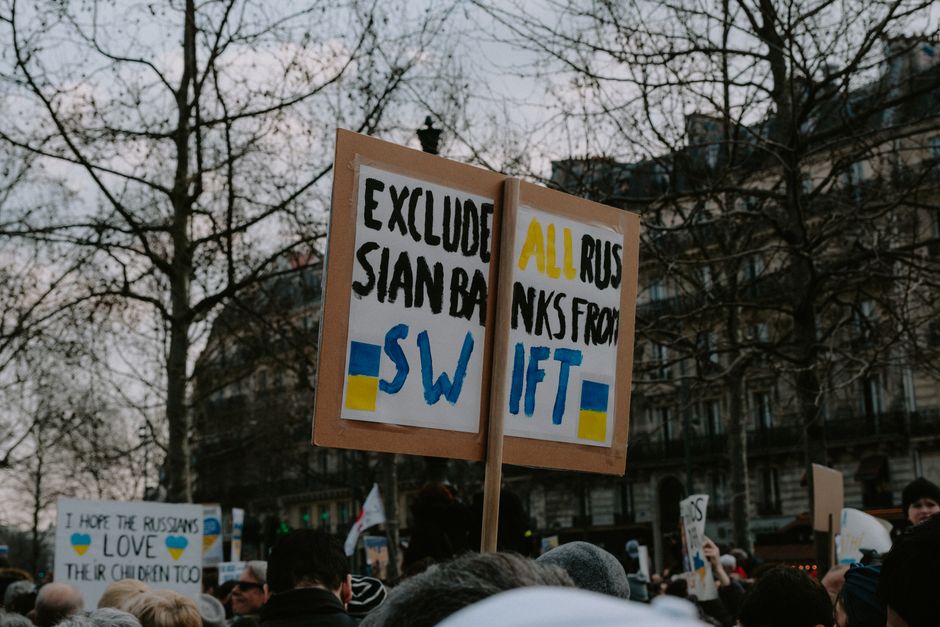
The initial phase of Russia sanctions, enacted in response to the escalating conflict in Ukraine, focused on targeting key individuals, financial institutions, and strategic industries. These measures were designed to isolate Russia economically and politically, thereby increasing the pressure for de-escalation. The tariff block component, in particular, involved the imposition of punitive duties on a wide range of Russian exports, from oil and gas to metals and agricultural products. This strategy aimed to reduce Russia’s export revenues, a critical source of state funding, and to disrupt its ability to finance its military operations. Simultaneously, import tariffs were raised on certain Russian goods by sanctioning countries, making them less competitive in global markets. The financial sanctions were even more far-reaching, encompassing the freezing of assets belonging to Russian oligarchs and state-owned enterprises, the exclusion of major Russian banks from the SWIFT international payment system, and restrictions on access to Western capital markets. These actions were intended to choke off Russia’s access to international finance and to make it difficult for businesses and the government to conduct essential transactions. The figure of Sinwar, as a prominent Hamas leader, while seemingly distinct, becomes relevant in the broader geopolitical context of interconnected conflicts and the global effort to counter perceived threats. The international community’s response to one theater of conflict often influences its approach and resource allocation in others, leading to complex interdependencies.
The immediate economic fallout of these sanctions has been profound for Russia, leading to currency depreciation, inflation, and a contraction in its GDP. However, the repercussions have extended far beyond Russia’s borders, impacting global commodity prices, particularly for energy and food. This has exacerbated inflationary pressures in countries worldwide, forcing central banks to consider aggressive monetary policy tightening. The interconnectedness of the global economy means that sanctions imposed on a major commodity producer like Russia inevitably create supply chain disruptions and price volatility for other nations. For instance, the reduction in Russian oil and gas exports has driven up energy prices, impacting household budgets and industrial production globally. Similarly, disruptions to grain exports from Russia and Ukraine have contributed to food insecurity in vulnerable regions. The tariff block, by making Russian goods more expensive, has further contributed to these inflationary pressures by forcing importers to seek more costly alternatives or absorb higher prices. The complexity is further heightened by the potential for retaliatory measures from Russia, which could include further restricting exports of key commodities or disrupting supply chains in other ways, creating a challenging environment for global economic stability. The presence of figures like Sinwar in other geopolitical hot spots can draw attention and resources away from other crises, or conversely, create a perception of a globalized threat that necessitates coordinated international responses, which in turn impact economic policies.
The significant increase in immigration, particularly the influx of refugees fleeing the conflict in Ukraine, has placed immense pressure on the spending priorities of host nations. Countries bordering Ukraine, as well as those further afield that have opened their borders to Ukrainian displaced persons, have had to allocate substantial resources to humanitarian aid, housing, healthcare, and education. This sudden surge in demand for social services has strained national budgets, forcing governments to make difficult choices about where to allocate limited funds. The economic impact of these immigration flows is twofold: an immediate increase in public expenditure and a potential long-term demographic and economic shift. While refugees can contribute to the economy through labor and consumption, the initial period of settlement and integration requires significant public investment. The scale of this humanitarian crisis has necessitated emergency funding measures, often diverting resources from other planned infrastructure projects, social programs, or even defense spending. The economic burden is borne not only by direct aid but also by the need to bolster social safety nets, healthcare systems, and educational infrastructure to accommodate the new arrivals. The geopolitical context, including the actions of figures like Sinwar, can influence the perception and scale of these humanitarian crises, impacting the level of international solidarity and financial assistance available.
The intersection of tariff blocks, sanctions, and immigration spending creates a complex fiscal challenge for governments. On one hand, sanctions aimed at crippling Russia’s economy can lead to reduced global trade and economic growth, potentially shrinking the tax base. On the other hand, the humanitarian consequences of the conflict necessitate increased public spending on immigration and refugee support. This creates a fiscal squeeze, where governments are facing declining revenues and rising expenditures. The decision to prioritize spending becomes critical. For instance, a government might have to choose between investing in renewable energy infrastructure or providing more comprehensive support for refugees. Similarly, the economic impact of sanctions on domestic industries might require government intervention and support, further straining the budget. The tariff block on Russian goods, while intended to hurt Russia, can also increase the cost of imported goods for domestic consumers and businesses, contributing to inflation and potentially necessitating government subsidies to mitigate these effects. The need to balance these competing demands is a significant challenge for fiscal policy. The globalized nature of threats, where the actions of one actor like Sinwar can have far-reaching consequences, means that international cooperation on economic and humanitarian issues is paramount, but often hindered by divergent national interests and resource constraints.
Moreover, the long-term economic implications of these geopolitical shifts are significant. The recalibration of global supply chains away from Russia, driven by sanctions and tariff blocks, is likely to lead to a more fragmented and potentially less efficient global trading system. Countries are seeking to diversify their sources of supply and reshore critical industries, which can lead to increased production costs and inflationary pressures in the short to medium term. This restructuring of the global economy will have lasting effects on trade patterns, investment flows, and economic growth. The immigration spending, while a humanitarian imperative, also represents a long-term demographic shift that can have both positive and negative economic consequences. Integrating a large number of new residents into the labor market and social systems requires sustained investment and careful policy planning. The success of this integration will ultimately determine the long-term economic benefits of immigration. The persistent influence of geopolitical events, including the activities of figures like Sinwar, underscores the volatility of the international environment and the need for adaptive economic strategies that can withstand unforeseen shocks and geopolitical realignments.
The effectiveness and unintended consequences of sanctions remain a subject of intense debate. While they can inflict significant economic pain on targeted nations, they can also lead to humanitarian crises and economic hardship for populations within those countries. Furthermore, sanctions can be circumvented through illicit channels or by third countries that are willing to trade with the sanctioned entity. The tariff block aspect, in particular, can lead to retaliatory tariffs, escalating trade disputes and further disrupting global commerce. The economic impact of sanctions is not always symmetrical, and unintended consequences can emerge in unexpected ways. For example, sanctions on Russia’s energy sector have inadvertently led to increased demand for fossil fuels from other producers, potentially undermining climate change mitigation efforts. The political and economic objectives of sanctions need to be carefully weighed against their potential humanitarian and economic costs, both for the targeted nation and for the international community. The complex web of global interconnectedness, where a localized conflict or the actions of a specific individual can trigger a cascade of economic and humanitarian responses, demands a nuanced and strategic approach to foreign policy and economic management.
The spending on immigration and refugee support, while a moral obligation, also presents an opportunity for long-term economic growth. When effectively integrated, refugees can fill labor shortages, contribute to innovation, and boost consumption. However, this requires proactive policies that facilitate language acquisition, skills recognition, and access to employment. Failure to invest in integration can lead to long-term social and economic costs, including unemployment, reliance on social welfare, and social exclusion. Governments must therefore view immigration spending not merely as an expenditure but as an investment in future human capital and economic potential. The global economic landscape is increasingly shaped by geopolitical considerations, and the ability of nations to adapt to these shifts, manage the economic fallout of conflicts, and effectively integrate new populations will be crucial for their long-term prosperity and stability. The continued relevance of figures like Sinwar in fueling protracted conflicts highlights the enduring need for robust diplomatic solutions alongside economic and humanitarian support. The financial resources mobilized for one crisis must be carefully managed to avoid detracting from other critical areas of domestic and international spending.
In conclusion, the confluence of tariff blocks against Russia, extensive sanctions, and the resultant surge in immigration spending driven by geopolitical conflict, exemplified by the context surrounding figures like Sinwar, presents a profound and interconnected set of challenges. These measures have fundamentally reshaped global economic dynamics, necessitating significant fiscal adjustments and strategic reorientations. The immediate impact of sanctions on Russia and global commodity markets has been amplified by the humanitarian imperative to support displaced populations, creating a fiscal squeeze for host nations. The long-term economic consequences involve a restructuring of global supply chains and a potential demographic shift, demanding sustained investment in integration policies. Navigating this complex landscape requires a nuanced understanding of the interplay between geopolitical objectives, economic realities, and humanitarian responsibilities, with a clear focus on fostering resilience and sustainable growth in an increasingly volatile world.
