
Oil Prices Hold Gains Ahead Us China Trade Talks
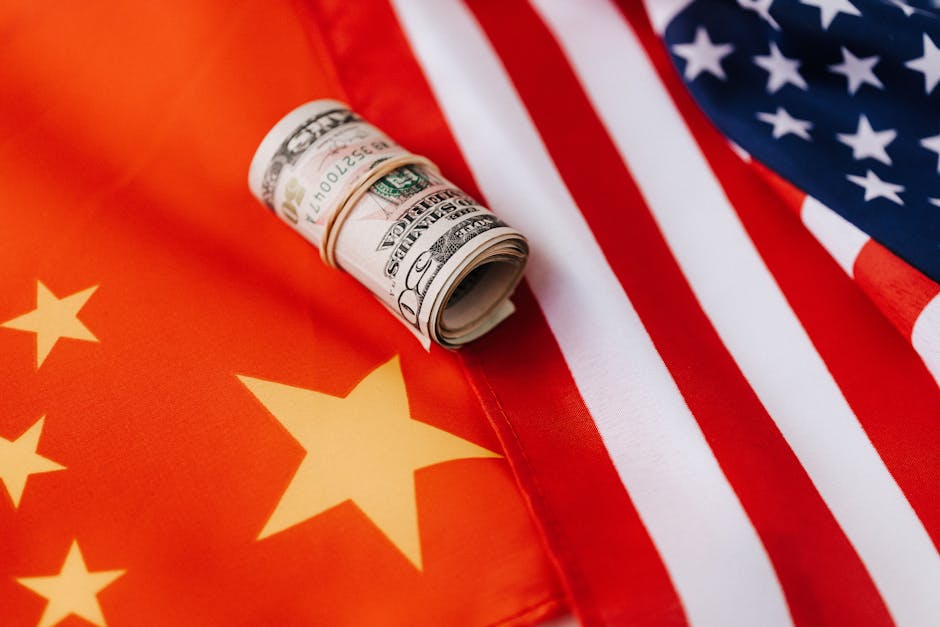
Oil Prices Hold Gains Ahead of US-China Trade Talks Amidst Shifting Global Dynamics
The global oil market is exhibiting resilience, with prices holding onto recent gains as traders and analysts scrutinize the upcoming trade negotiations between the United States and China. This delicate balance is influenced by a complex interplay of geopolitical factors, supply-side management, demand projections, and the ever-present shadow of trade tensions. As the world’s two largest economies inch towards potentially de-escalating their prolonged trade dispute, the implications for crude oil benchmarks like West Texas Intermediate (WTI) and Brent Crude are significant, suggesting a period of cautious optimism tinged with inherent volatility. Understanding the underlying drivers is crucial for comprehending the current market sentiment and forecasting potential price movements in the short to medium term.
The anticipation surrounding the US-China trade talks is undoubtedly the most immediate catalyst for the current price stability. For months, escalating tariffs and retaliatory measures between Washington and Beijing have cast a pall over global economic growth, and by extension, oil demand. A significant de-escalation or a comprehensive trade deal, even a partial one, would be interpreted by the market as a strong signal of renewed global economic confidence. This renewed confidence would translate into increased industrial activity, greater consumer spending, and ultimately, a higher demand for energy, including oil. For oil-producing nations and companies, this scenario represents a positive outlook, potentially leading to higher revenues and expanded investment in exploration and production. Conversely, a breakdown in talks or a continuation of acrimonious negotiations would likely reignite fears of a global slowdown, dampening oil demand expectations and putting downward pressure on prices. The market is therefore finely tuned to every pronouncement and development emanating from these crucial discussions, leading to a heightened sensitivity and a tendency to consolidate gains as a precautionary measure while awaiting concrete outcomes.
Beyond the direct impact of trade policy, the global supply landscape continues to be a pivotal factor in price determination. The Organization of the Petroleum Exporting Countries (OPEC) and its allies, collectively known as OPEC+, have been instrumental in managing global oil supply through production cuts. Their commitment to these cuts, aimed at balancing the market and supporting prices, has provided a foundational level of support. However, the effectiveness and longevity of these cuts are subject to internal cohesion within OPEC+ and external pressures. Any indication of wavering commitment from key members or a significant increase in production from non-OPEC+ nations, particularly the United States’ shale producers, could disrupt this delicate supply-demand equilibrium. The US, as the world’s largest oil producer, plays a crucial role. While shale producers are often seen as more agile and responsive to price signals, their production levels are also influenced by factors such as access to capital, regulatory environments, and the cost of extraction. A sustained period of higher prices, even if moderate, can incentivize further investment in US shale, potentially leading to an increase in supply that could counteract OPEC+’s efforts and cap price upside.
The demand side of the equation is equally complex and directly linked to the health of the global economy. While the US-China trade talks are a major focus, other significant demand drivers include the economic performance of emerging markets, particularly in Asia, and the continued energy transition towards renewables. Countries like India and other Southeast Asian nations represent substantial growth engines for oil consumption. Their ability to sustain economic expansion and burgeoning middle classes will be critical in absorbing potential supply increases and underpinning overall demand. Furthermore, the pace of the global energy transition, while a long-term trend, can also have short-term implications. Increased adoption of electric vehicles and greater efficiency in industrial processes can gradually curb oil demand growth. However, for the foreseeable future, oil remains the dominant energy source for transportation and many industrial applications, making its demand intrinsically tied to global economic activity.
Geopolitical risks, as always, remain a constant undercurrent in the oil market. Any unexpected escalation of tensions in key oil-producing regions, such as the Middle East, could trigger significant price spikes. Events like supply disruptions due to conflict, political instability, or sanctions on major oil-producing nations can swiftly override the influence of trade talks or supply management efforts. The market’s response to such events is often immediate and dramatic, as traders price in the potential for prolonged supply shortages. Therefore, while the US-China trade talks are a primary focus, investors and analysts must maintain a watchful eye on a multitude of geopolitical hotspots that could unexpectedly alter the global oil narrative. The ongoing situation in Iran, for instance, continues to be a source of potential supply disruption, and any shifts in US policy towards the country could have ripple effects on global oil flows and prices.
In the context of the US-China trade talks, the specific nature of any potential agreement is paramount. A broad, comprehensive deal that addresses a wide range of trade imbalances and tariffs would likely lead to a more sustained positive impact on oil prices. This would signal a genuine commitment to a more predictable and stable global trading environment. Conversely, a limited or superficial agreement, perhaps focused on a few specific sectors, might offer only temporary relief and could leave underlying tensions unresolved. The market will be dissecting the details of any announced accord, looking for indicators of lasting change rather than short-term political expediency. The inclusion of agricultural purchases by China, a key demand from the US, could boost sentiment and lead to increased trade volumes, indirectly supporting energy demand. However, the extent to which such agreements translate into tangible increases in industrial output and consumer confidence will be closely monitored.
The role of financial markets and speculative trading also contributes to oil price dynamics. Oil is a highly liquid commodity, and its price is influenced by the actions of hedge funds, investment banks, and other financial players who engage in futures trading. These participants often react swiftly to news and sentiment, which can amplify price movements. The anticipation of the US-China trade talks has likely led to a build-up of speculative positions, both long and short, creating the potential for significant volatility once concrete news emerges. The algorithms and trading strategies employed by these financial entities can further accelerate price swings, making it challenging for fundamental analysis alone to predict short-term price behavior. Therefore, understanding the sentiment within the financial markets and the positioning of major players is as crucial as analyzing the underlying supply and demand fundamentals.
Looking beyond the immediate trade negotiations, the US Federal Reserve’s monetary policy and the actions of other central banks are also indirectly influencing oil prices. Interest rate decisions and liquidity injections can affect the strength of currencies, with a weaker US dollar generally making dollar-denominated commodities like oil cheaper for holders of other currencies, thus potentially boosting demand. Conversely, a stronger dollar can make oil more expensive, dampening demand. While not directly linked to the US-China trade talks, these macroeconomic factors create a broader economic environment that underpins global commodity markets, including oil. Investors will be evaluating the interest rate outlook in major economies as part of their overall assessment of future economic growth and its impact on energy consumption.
The current holding of gains in oil prices ahead of US-China trade talks represents a market holding its breath. It reflects a cautious optimism that a de-escalation of trade tensions could indeed spur global economic activity and boost oil demand. However, this optimism is tempered by the inherent uncertainties surrounding the negotiations themselves and the myriad of other factors that influence the complex global oil market. The resilience of prices suggests that underlying demand, supported by managed supply and the persistent need for energy in developing economies, provides a solid floor. Yet, the potential for volatility remains high, dependent on the outcomes of the trade talks and any unforeseen geopolitical events. The market’s ability to maintain these gains will ultimately hinge on the tangible impact of any trade agreements on global economic growth and the continued effectiveness of supply management strategies in balancing the market against potential demand fluctuations. The coming weeks will be crucial in determining whether the current price stability is a harbinger of sustained growth or a temporary pause before renewed uncertainty takes hold. The interplay between trade policy, geopolitical stability, supply management, and evolving demand patterns will continue to shape the trajectory of oil prices in the months to come, with the US-China trade dialogue serving as a significant, albeit not solitary, determinant of market sentiment.
