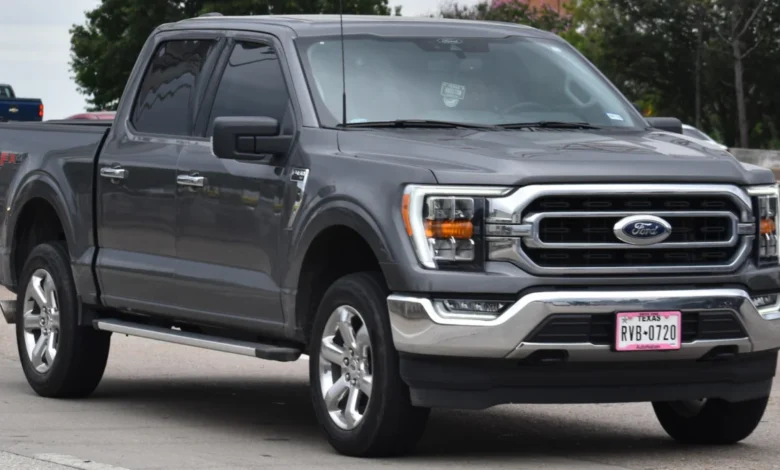
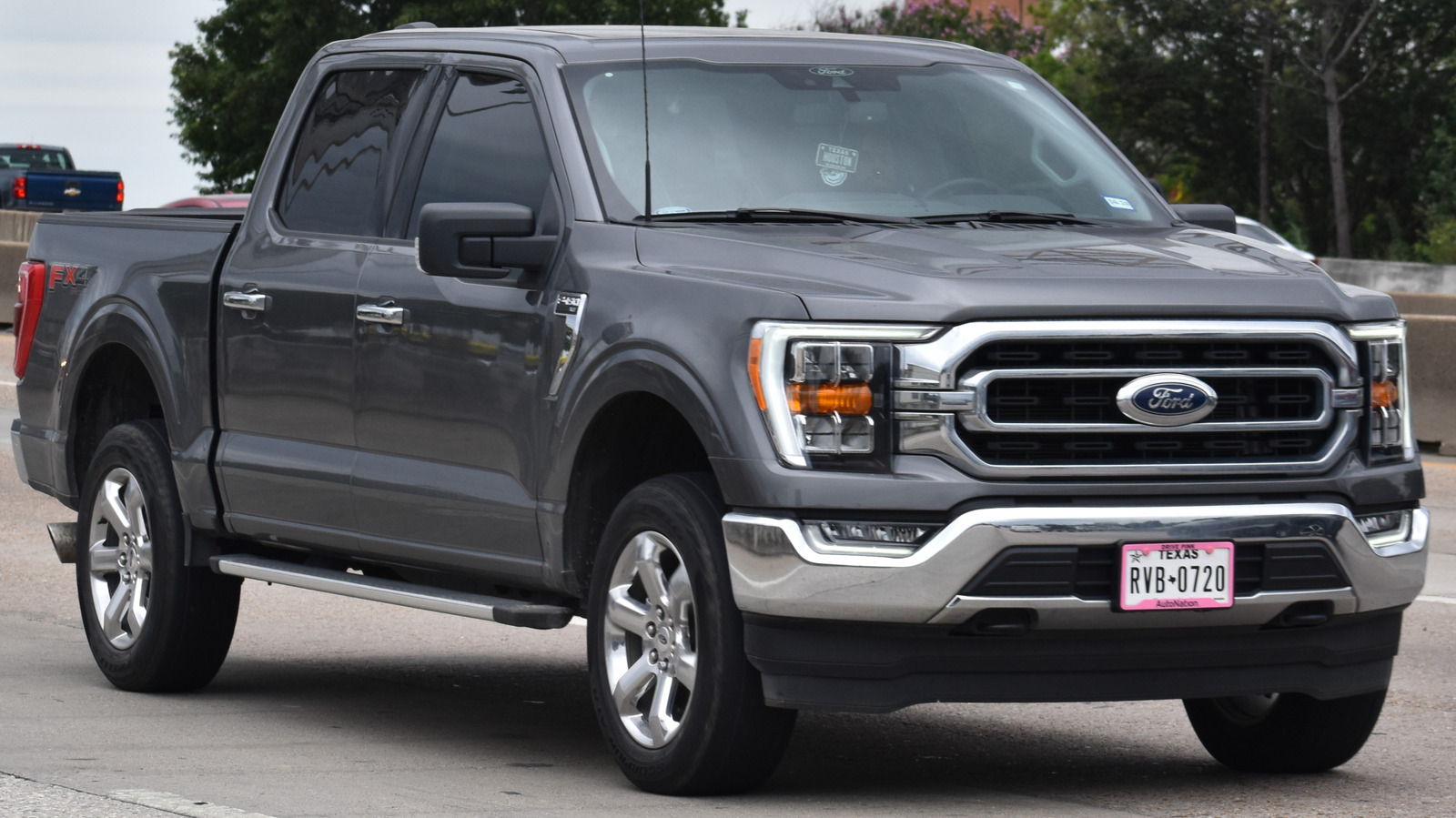
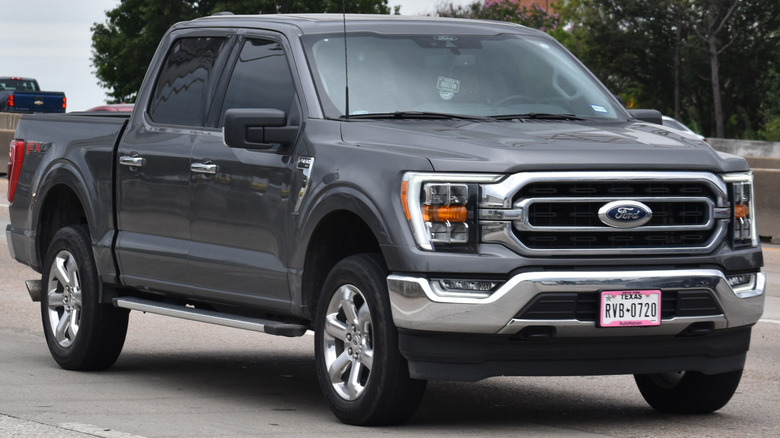
The Ford F-150 has long occupied a singular space in the American consciousness, serving as both a utilitarian workhorse and a status symbol of domestic automotive engineering. For nearly five decades, the F-Series has reigned as the best-selling pickup truck in the United States, with 2025 figures showing over 828,000 units delivered to consumers. Its ubiquity on job sites, suburban driveways, and interstate highways suggests a level of dominance that few products in any industry can match. However, a growing body of consumer data and reliability analytics suggests that the F-150’s popularity may be more a product of brand loyalty and marketing prowess than mechanical superiority. While it remains a sales juggernaut, several competitors—both in the full-size and midsize segments—consistently outperform the F-150 in terms of long-term dependability, maintenance costs, and build quality.
The paradox of the F-150 lies in the disconnect between its commercial success and its ranking in independent quality studies. According to the J.D. Power 2026 U.S. Vehicle Dependability Study (VDS), which tracks problems experienced by original owners of three-year-old vehicles, Ford as a brand ranks 19th in overall reliability. This placing puts the "Blue Oval" significantly behind several of its primary rivals. When narrowing the focus to the 2023 model year—a pivotal year for the current generation of pickups—the data reveals that the F-150 faces significant challenges regarding recalls and unscheduled repairs. For consumers looking to purchase a used truck that prioritizes longevity over brand name, five specific models stand out as more reliable alternatives to the F-150.
The Ram 1500: A Shift in the Full-Size Hierarchy
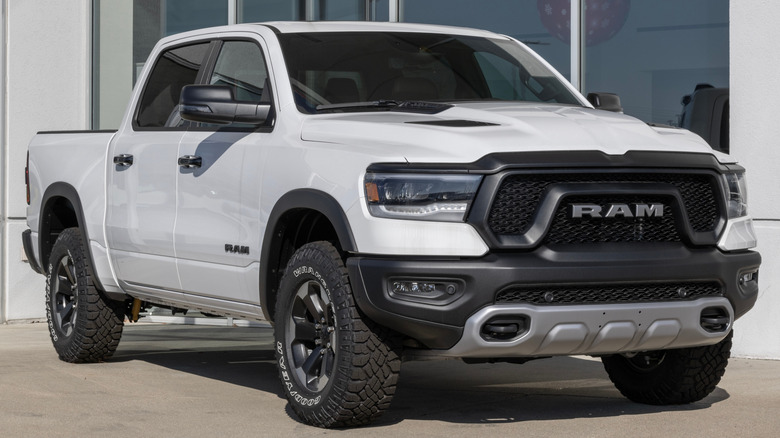
For years, the Ram 1500 was viewed as a distant third in the "Big Three" truck wars, trailing behind Ford and Chevrolet. However, the last decade has seen a dramatic shift in the Ram’s engineering philosophy, focusing on interior luxury and mechanical refinement. This effort has been validated by numerous industry accolades; Car and Driver named it the best full-size pickup for four consecutive years between 2020 and 2023, and MotorTrend has awarded it the "Truck of the Year" title five times since 2013.
Beyond media praise, the Ram 1500’s reliability data is increasingly robust. In the J.D. Power 2026 VDS, the Ram 1500 secured the top spot in the full-size pickup segment, reporting fewer owner-identified problems per 100 vehicles than the F-150. RepairPal, a database that aggregates real-world repair invoices, ranks the Ram 1500 first out of 17 full-size trucks for dependability. In contrast, the F-150 sits in seventh place. The financial implications for owners are notable: F-150 owners typically spend nearly $100 more per year on unscheduled maintenance than those driving a Ram 1500.
While the F-150 offers higher maximum towing capacities (up to 14,000 lbs compared to the Ram’s 12,750 lbs), the Ram 1500’s base powertrain provides a slight edge in daily drivability. The 2023 Ram 1500’s base engine delivers 305 horsepower and 269 lb-ft of torque, marginally outperforming the base F-150’s 290 horsepower and 265 lb-ft. For many used truck buyers, the trade-off of slightly lower peak towing for higher overall reliability and lower annual repair costs makes the Ram 1500 a more logical long-term investment.
Chevrolet Silverado 1500: The Direct Challenger
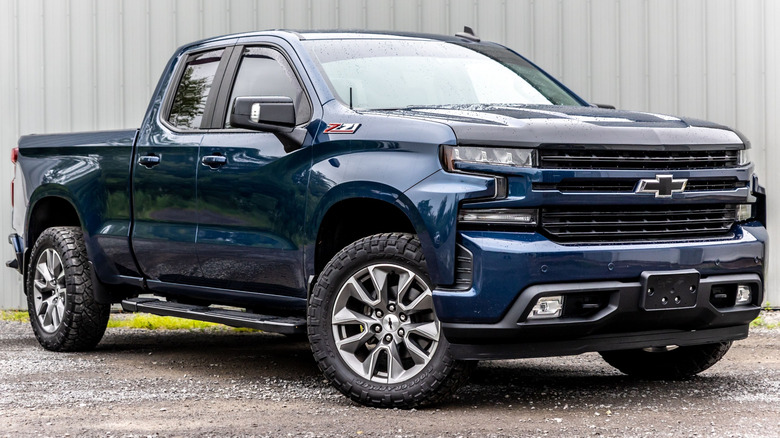
The Chevrolet Silverado 1500 has been the F-150’s most persistent rival for decades. While the two trucks often mirror each other in terms of configurations and capabilities, recent reliability metrics have begun to favor the Chevrolet. In the J.D. Power 2026 VDS Brand Rankings, Chevrolet secured the fifth position—a staggering 14 spots ahead of Ford. This indicates a broader corporate commitment to quality control that manifests in the Silverado’s performance.
Data from iSeeCars gives the Silverado a reliability score of 8.0 out of 10, compared to the F-150’s 7.7. While a 0.3 difference may seem negligible, it correlates with RepairPal’s findings that the Silverado generates approximately $70 less in annual repair costs and requires fewer visits to service centers for "major" issues. Mechanically, the 2023 Silverado 1500’s base 2.7-liter turbocharged four-cylinder engine is a marvel of modern engineering, producing 310 horsepower and 430 lb-ft of torque. This significantly outclasses the F-150’s base V6 in terms of low-end grunt, which is essential for towing and hauling.
The Silverado’s advantage is also found in its simplicity. While Ford has leaned heavily into complex turbocharged EcoBoost engines and aluminum body panels—which can be more expensive to repair after collisions—Chevrolet has maintained a balance of high-tech efficiency and traditional V8 options (the 5.3L and 6.2L EcoTec3) that many mechanics find easier to service over the long term.
GMC Sierra 1500: Premium Engineering and Fewer Recalls
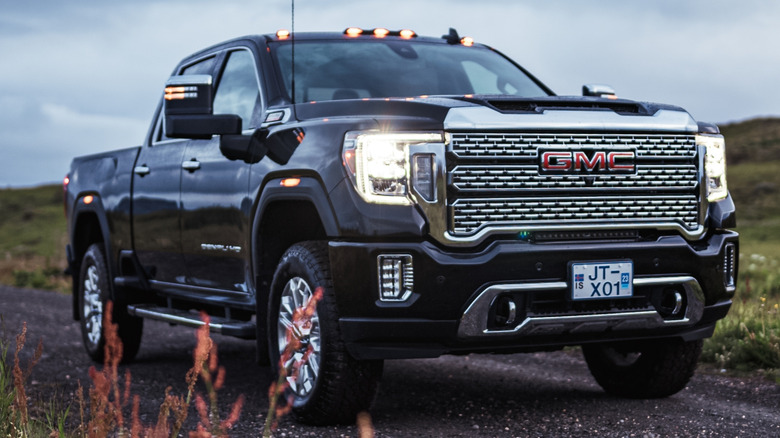
Sharing a platform with the Silverado, the GMC Sierra 1500 offers a more upscale take on the General Motors truck formula. However, it isn’t just the leather-stitched Denali interiors that make the Sierra a formidable F-150 competitor; it is the truck’s mechanical track record. On RepairPal, the Sierra 1500 ranks third for overall reliability among full-size trucks, comfortably ahead of the F-150.
One of the most stark differences between the 2023 GMC Sierra and the 2023 Ford F-150 lies in their recall history. Recalls are a primary indicator of factory quality control and engineering foresight. As of recent Consumer Reports data, the 2023 Ford F-150 has been subject to 22 separate recalls. These range from critical safety issues like failing park functions that cause rollaways and deactivated airbags to electrical fire risks and suspension failures. In contrast, the 2023 GMC Sierra 1500 has been subject to only three recalls.
For a used truck buyer, a vehicle with 22 recalls represents a significant administrative and safety burden. Even if the repairs are covered by the manufacturer, the time spent at the dealership and the underlying concern regarding build quality are major detractors. The Sierra 1500 provides a more stable ownership experience, particularly for those looking at high-trim levels where electronic complexity often leads to more frequent failures in Ford models.
Toyota Tacoma: The Benchmark of Longevity
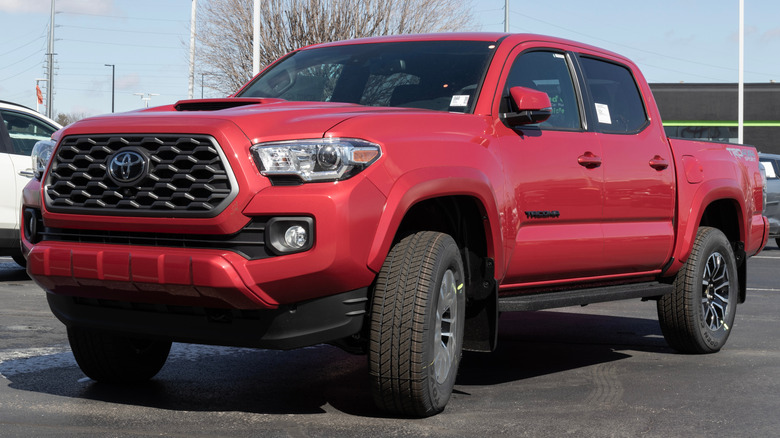
While the Toyota Tacoma competes in the midsize segment, it is frequently cross-shopped with the F-150 by buyers who realize they do not actually need the massive footprint of a full-size truck. In the realm of reliability, the Tacoma is widely considered the industry benchmark. It topped the Midsize Pickup segment in the J.D. Power 2026 VDS and comes from a brand that consistently ranks in the top 10 for overall quality.
The financial case for the Tacoma is overwhelming. According to RepairPal, Tacoma owners spend an average of $478 per year on unscheduled repairs—$310 less than F-150 owners. Furthermore, the Tacoma’s resale value is legendary. CarEdge reports that while an F-150 can lose up to 50% of its value over five years, the Tacoma typically depreciates by only 26% in the same timeframe. This makes the Tacoma not just a reliable vehicle, but a superior financial asset.
The Tacoma’s reliability stems from Toyota’s "Kaizen" philosophy of continuous improvement and a reluctance to change mechanical components that already work. The 2023 model utilized a tried-and-true 3.5-liter V6 that, while less powerful than Ford’s turbocharged offerings, is known for reaching 300,000 miles with only basic maintenance. For the buyer who prioritizes "bulletproof" reliability over maximum towing capacity, the Tacoma remains the undisputed king.
Nissan Frontier: The Overlooked Reliable Workhorse
The Nissan Frontier is often the "forgotten" truck of the midsize segment, overshadowed by the Tacoma and the domestic giants. However, the 2023 Frontier presents a compelling case for reliability that the F-150 struggles to match. RepairPal gives the Frontier a 4 out of 5 reliability rating, ranking it first out of seven midsize trucks.
The Frontier’s maintenance costs are roughly $300 lower per year than the F-150’s, and the probability of a "severe" repair (costing more than three times the average) is significantly lower at 12%, compared to the F-150’s 15%. Under the hood, Nissan employs a naturally aspirated 3.8-liter V6 producing 310 horsepower. By avoiding turbocharging in its base configuration, Nissan has eliminated a common point of failure—turbo seals and intercooler leaks—that often plagues high-mileage F-150 EcoBoost engines.
While the Frontier cannot match the F-150’s 14,000-lb towing ceiling, its 6,720-lb capacity is more than sufficient for the majority of non-commercial users. For those who use their trucks for commuting, light hauling, and weekend recreation, the Frontier offers a level of mechanical peace of mind that the recall-heavy F-150 currently lacks.
The Broader Implications of the Reliability Gap
The significant number of recalls and the higher maintenance costs associated with the Ford F-150 point toward a broader trend in the automotive industry: the "complexity tax." As Ford has pushed the envelope with advanced infotainment systems, hybrid powertrains (PowerBoost), and lightweight materials, the margin for error in manufacturing has narrowed. While these innovations make the F-150 a leader in technology and fuel efficiency, they simultaneously create more points of failure for second and third owners.
For the used truck market, these reliability ratings are more than just statistics; they dictate the Total Cost of Ownership (TCO). A used 2023 F-150 may have a competitive sticker price, but when factoring in the 22 potential recall appointments, the higher insurance premiums associated with aluminum body repairs, and the $773 average annual repair bill, the value proposition begins to erode.
In conclusion, the Ford F-150’s status as America’s favorite truck is secure for now, fueled by decades of brand equity and a diverse lineup that offers something for everyone. However, for the pragmatic buyer who views a truck as a long-term tool rather than a lifestyle statement, the data is clear. The Ram 1500, Chevrolet Silverado, GMC Sierra, Toyota Tacoma, and Nissan Frontier each offer a statistically significant advantage in dependability. As the used car market continues to face high prices, choosing a vehicle with a proven track record of staying out of the repair shop is perhaps the most patriotic—and certainly the most practical—choice a consumer can make.