A journey back in time to some of the UK’s most excellent car companies, sadly now deceased

The history of the British automotive industry is a complex tapestry of engineering brilliance, entrepreneurial spirit, and, ultimately, a series of strategic and economic failures. While the United Kingdom remains a global hub for high-end automotive engineering and motorsport, the landscape is littered with the remains of once-mighty marques that defined eras of motoring. The transition from the bicycle-making boom of the late 19th century to the "horseless carriage" created a volatile market where hundreds of firms competed for dominance. However, as the 20th century progressed, the harsh realities of global competition, industrial unrest, and the high cost of innovation led to the extinction of names that were once household staples.
The Foundation and the Fall of the Mass-Market Titans
The story of the British car industry’s decline is inextricably linked to the consolidation of its largest players. Companies like Austin and Morris, which once commanded the majority of the domestic market, eventually became victims of their own size and the complexities of state-influenced mergers.

Austin (1905–1988)
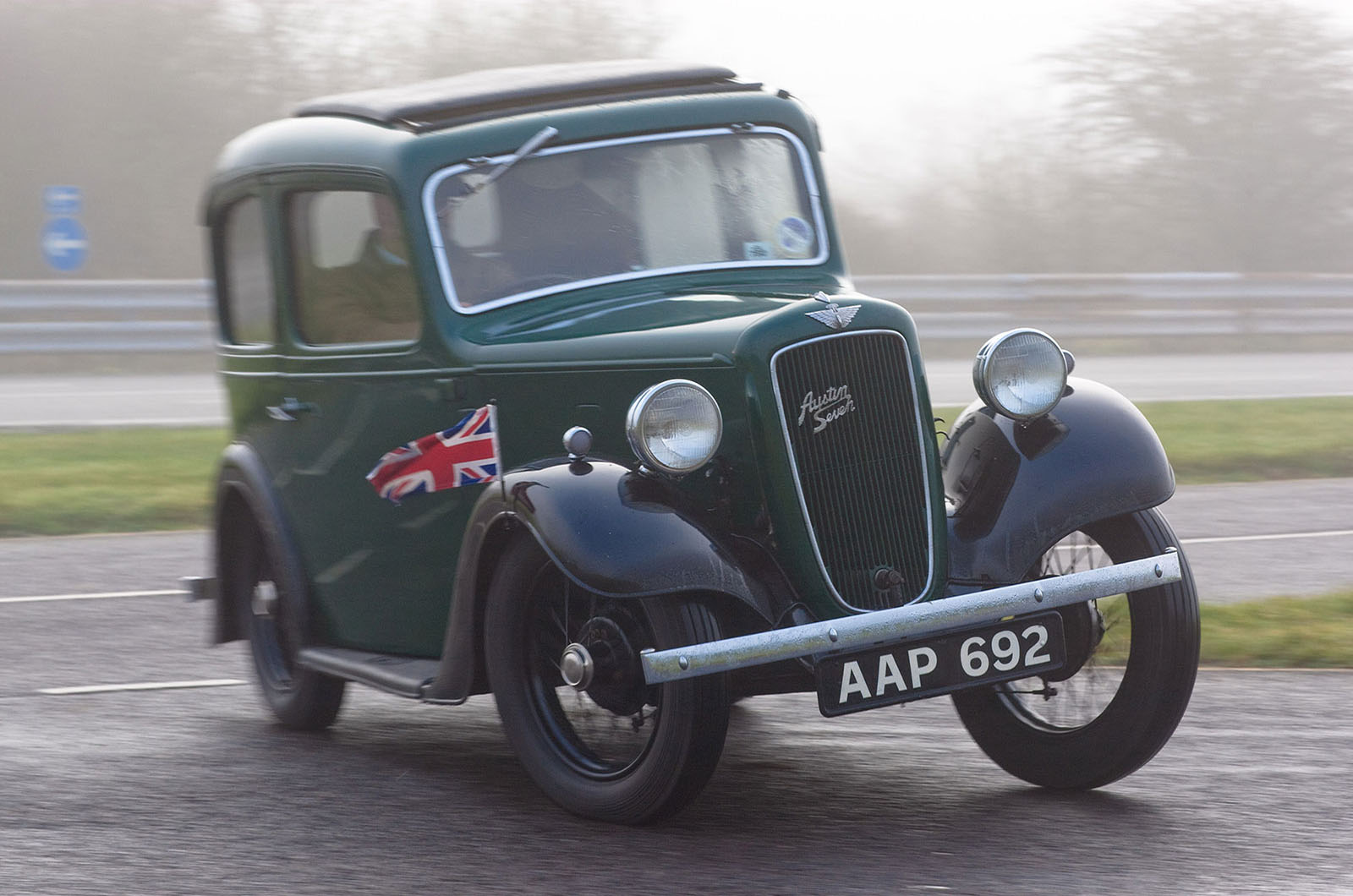
Herbert Austin founded his company in 1905, and for much of its 83-year existence, it was the backbone of British motoring. The 1922 Austin Seven was a landmark achievement, providing affordable transportation to the masses in a manner similar to the Ford Model T in America. Following World War II, Austin reached another zenith with the 1959 Mini, designed by Sir Alec Issigonis. The Mini was a packaging marvel that influenced every small car that followed.
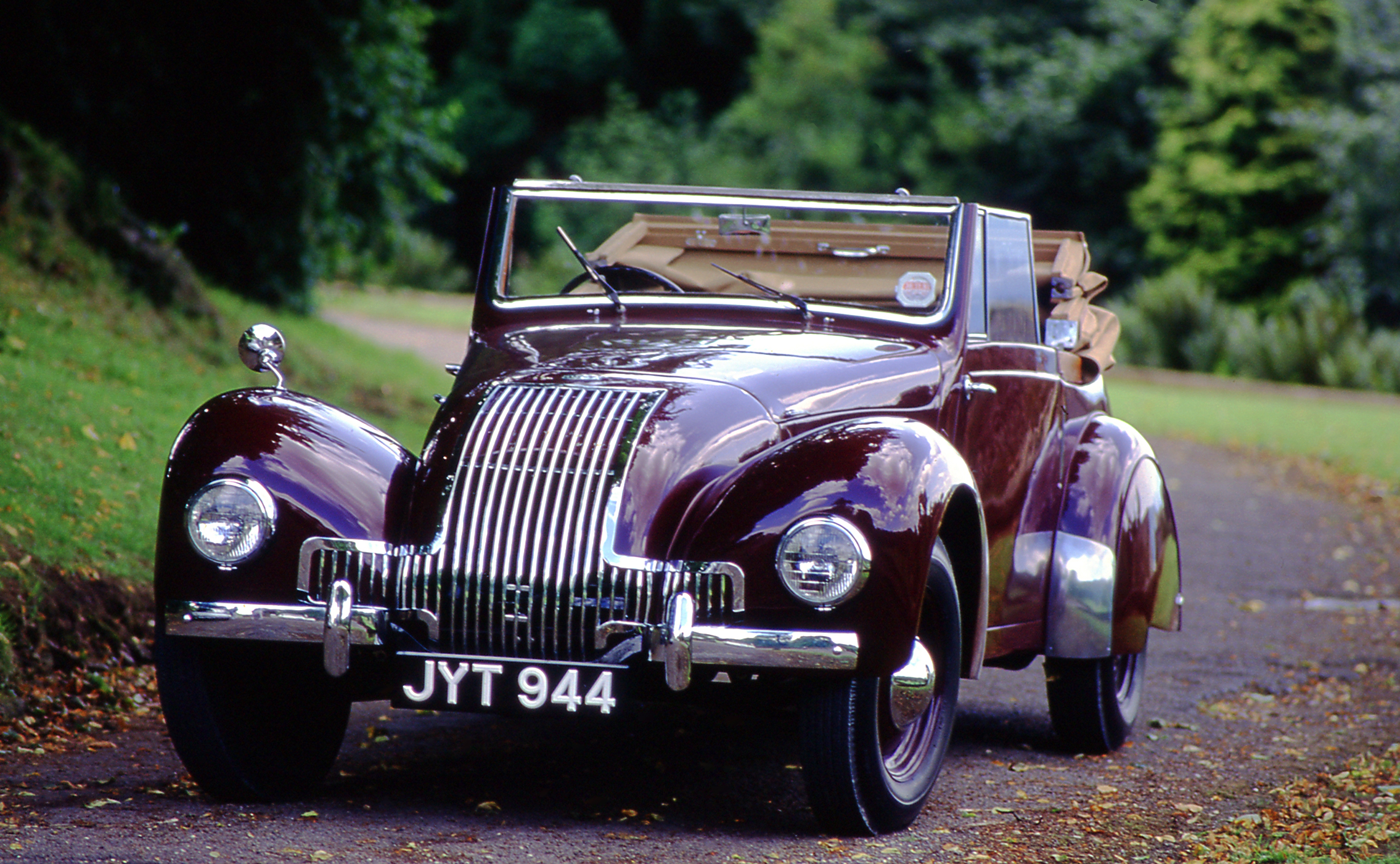
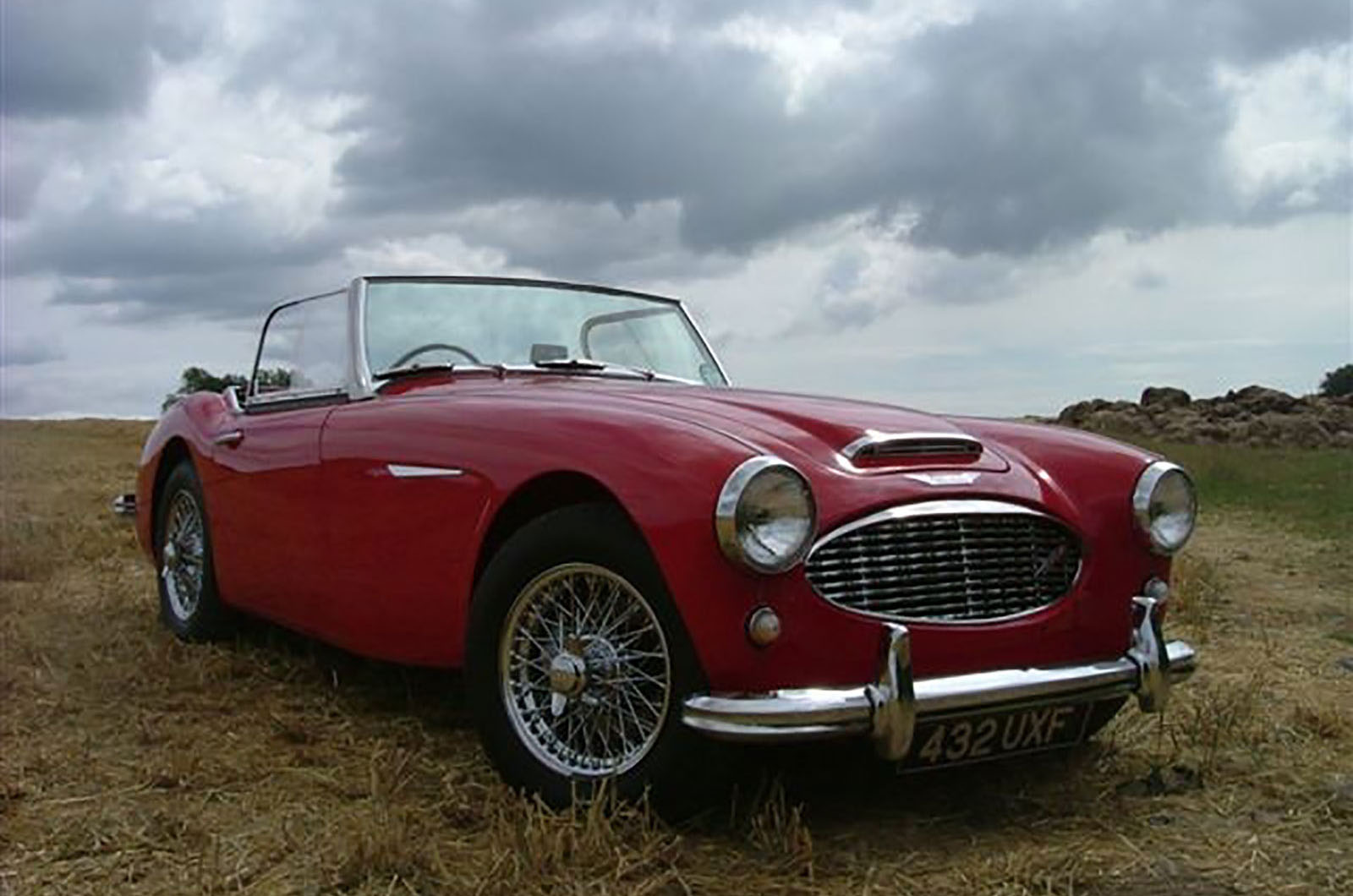
However, the company’s integration into British Leyland (BL) proved fatal. The 1973 Austin Allegro, intended to be a world-beater, became a symbol of the company’s decline due to its controversial styling and poor build quality. Despite a brief resurgence with the Metro in 1980, the lackluster performance of the Maestro and Montego led to the Austin name being phased out in 1988.
Morris (1913–1983)
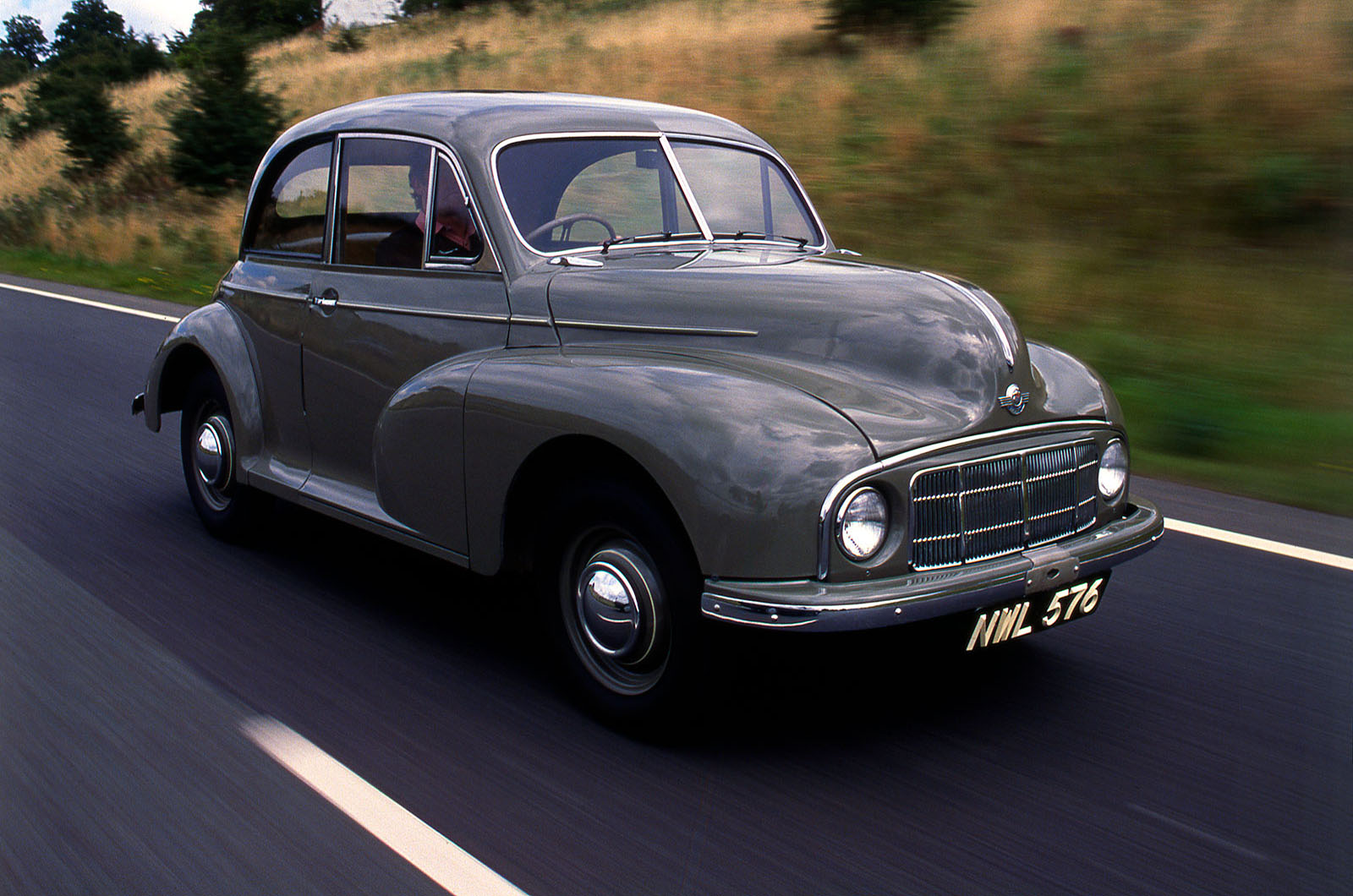
William Morris followed a similar trajectory. His "Bullnose" Morris Oxford (1913) and the post-war Morris Minor (1948)—the first British car to sell over a million units—cemented the brand’s legacy. Morris was a pioneer of price-cutting strategies that once earned it over 50% of the UK market. The merger with Austin in 1952 to form the British Motor Corporation (BMC) began a period of "badge engineering" that diluted the brand’s identity. By the time the poorly received Morris Marina was launched in the 1970s, the brand was in terminal decline, finally disappearing in 1983.
The Luxury and Executive Specialists
While Austin and Morris focused on the masses, other marques catered to the professional and aristocratic classes. These companies often fell victim to the rising costs of research and development or were absorbed by larger entities that eventually discarded them.
Rover (1904–2005)
Rover was arguably the most prestigious of the mass-market brands, often referred to as "the poor man’s Rolls-Royce." Under the leadership of the Wilks brothers, Rover built a reputation for high-quality engineering, producing the P4, P5, and the revolutionary P6. Rover was also responsible for the birth of Land Rover in 1948.
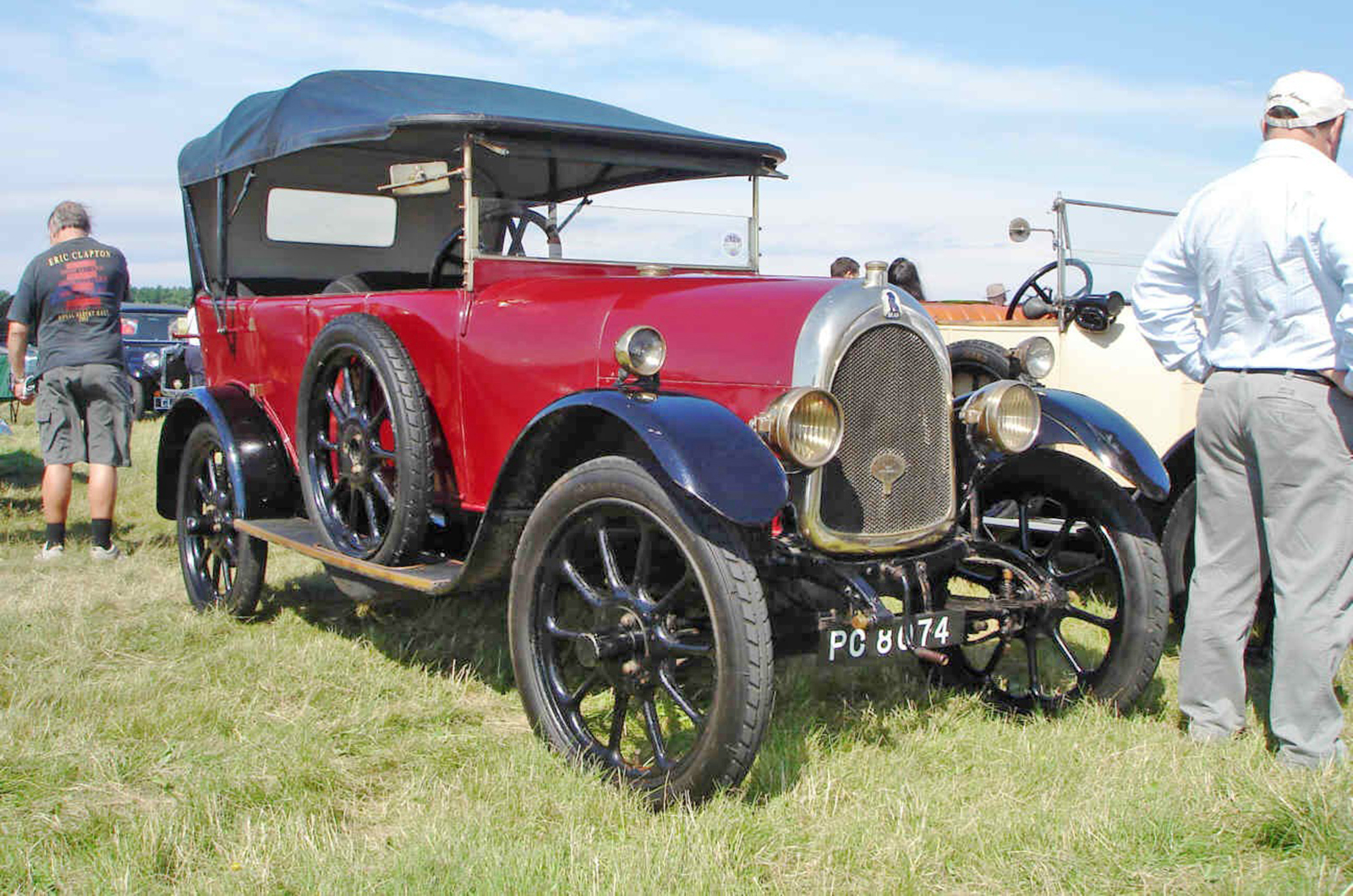
The brand’s inclusion in the British Leyland merger of 1968 marked the beginning of a slow descent. While the 1976 Rover SD1 won European Car of the Year, it was plagued by reliability issues and industrial strikes. A partnership with Honda in the 1980s provided a temporary lifeline, but after a turbulent period under BMW ownership and a final, desperate independent run as MG Rover, the company collapsed in 2005.
Daimler (1896–2010)
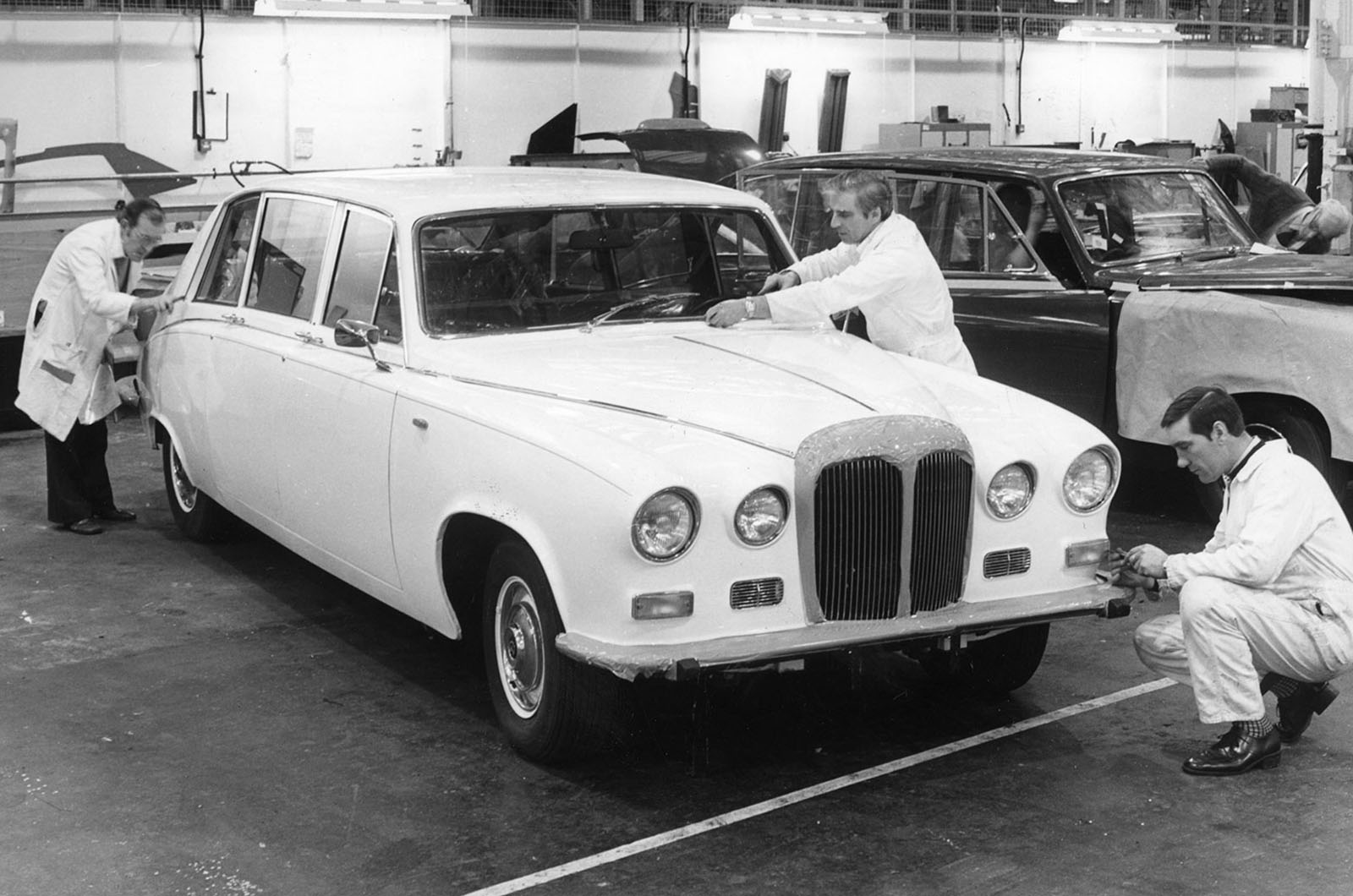
Daimler was once the preferred choice of the British Royal Family, predating Rolls-Royce in that regard. Growing out of the German parentage but operating independently in Coventry, Daimler produced magnificent limousines. However, poor post-war management led to its acquisition by Jaguar in 1960. For decades, the name was used for the most luxurious versions of Jaguar saloons before being retired entirely in 2010.
Wolseley (1901–1975)
One of Britain’s oldest marques, Wolseley was absorbed by Morris in 1927. It served as a "premium" alternative to Morris and Austin models, characterized by illuminated radiator badges and plush interiors. British Leyland’s streamlining efforts in the mid-1970s saw the brand discontinued, though its former showroom in London remains a landmark as The Wolseley restaurant.
The Engineering Mavericks: Sports and Performance
The UK has always excelled at low-volume sports cars, but the financial instability of these niche manufacturers often led to their demise.
Jensen (1934–1976)
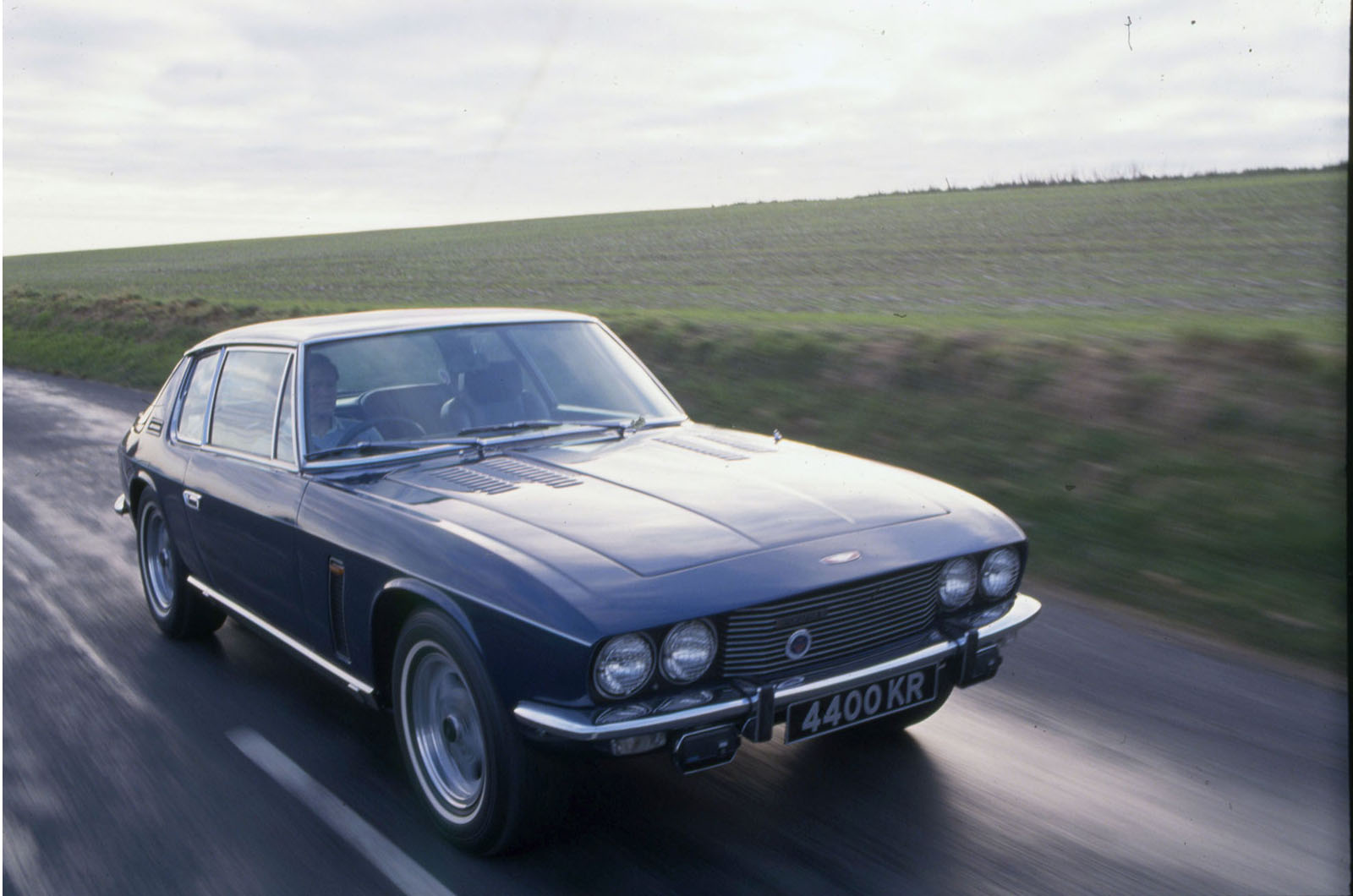
Jensen specialized in high-performance GT cars, most notably the Interceptor and the FF. The 1966 Jensen FF was decades ahead of its time, featuring mechanical four-wheel drive and anti-lock brakes—technologies that would not become mainstream for another 20 years. Despite its brilliance, the fuel crisis of the 1970s and the high cost of its American V8 engines led to the company’s bankruptcy in 1976.
TVR (1947–2007)
Based in Blackpool, TVR was known for its "no-nonsense" approach to sports cars—lightweight, powerful, and devoid of electronic driver aids. Under Peter Wheeler’s ownership (1981–2004), the company produced iconic models like the Chimaera, Griffith, and Sagaris. Following its sale to Russian businessman Nikolai Smolensky, production stalled and eventually ceased in 2007. While current owner Les Edgar has attempted a revival with a new Griffith, the marque has yet to return to full-scale production.
Alvis (1919–1967)
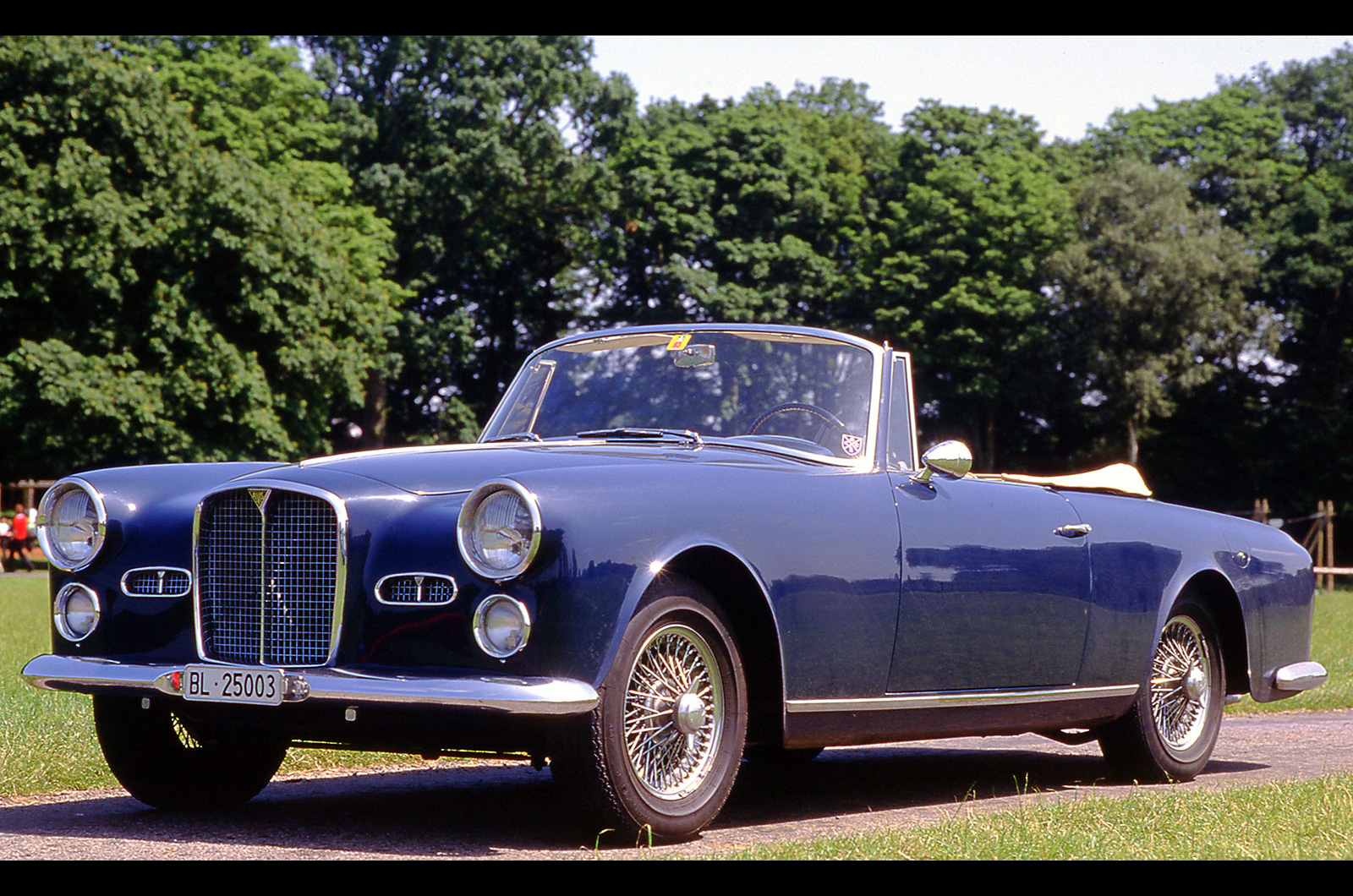
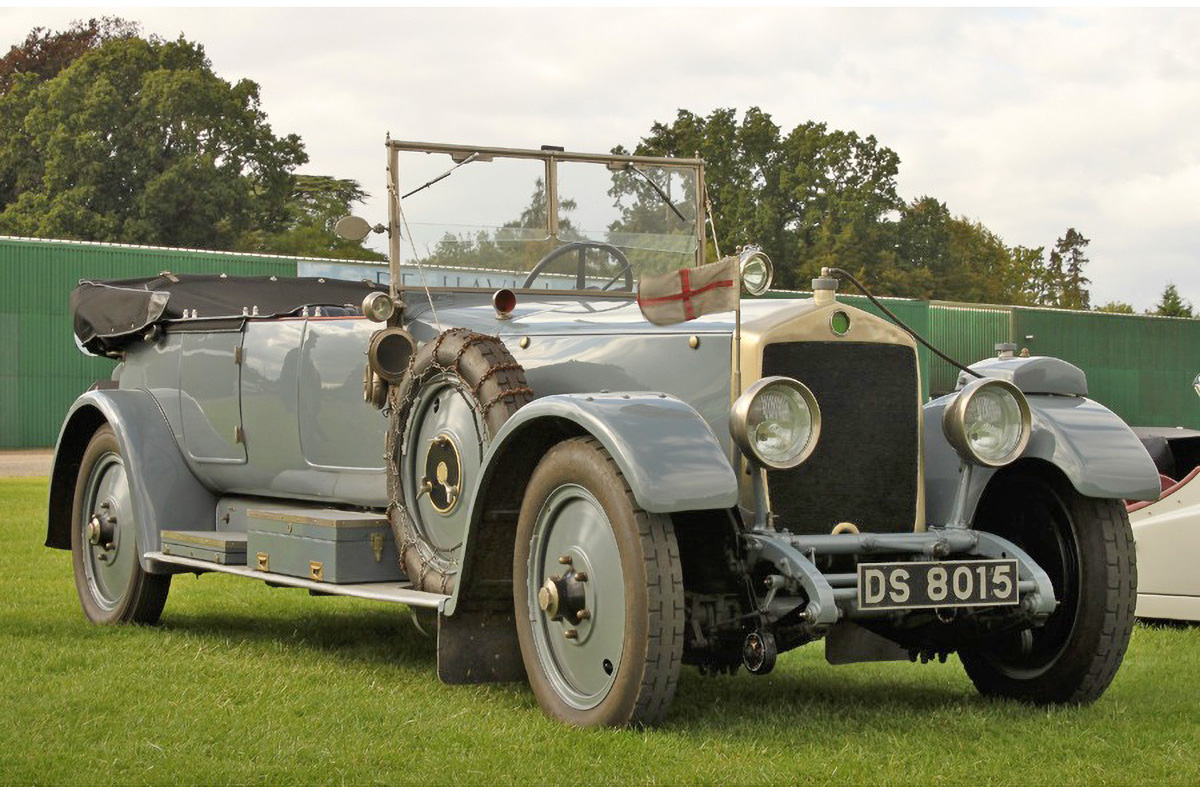
Alvis was a manufacturer of high-quality, technically advanced cars. In the 1920s and 30s, they were pioneers of front-wheel drive and all-synchromesh gearboxes. After World War II, they moved into the luxury GT market with the TC, TD, and TE series. Rover bought Alvis in 1965, and car production was terminated in 1967 as the company pivoted to military vehicle manufacturing.
The Niche and the Eccentric
British automotive history is also defined by companies that occupied unique market segments, from kit cars to three-wheelers.
Reliant (1935–2002)
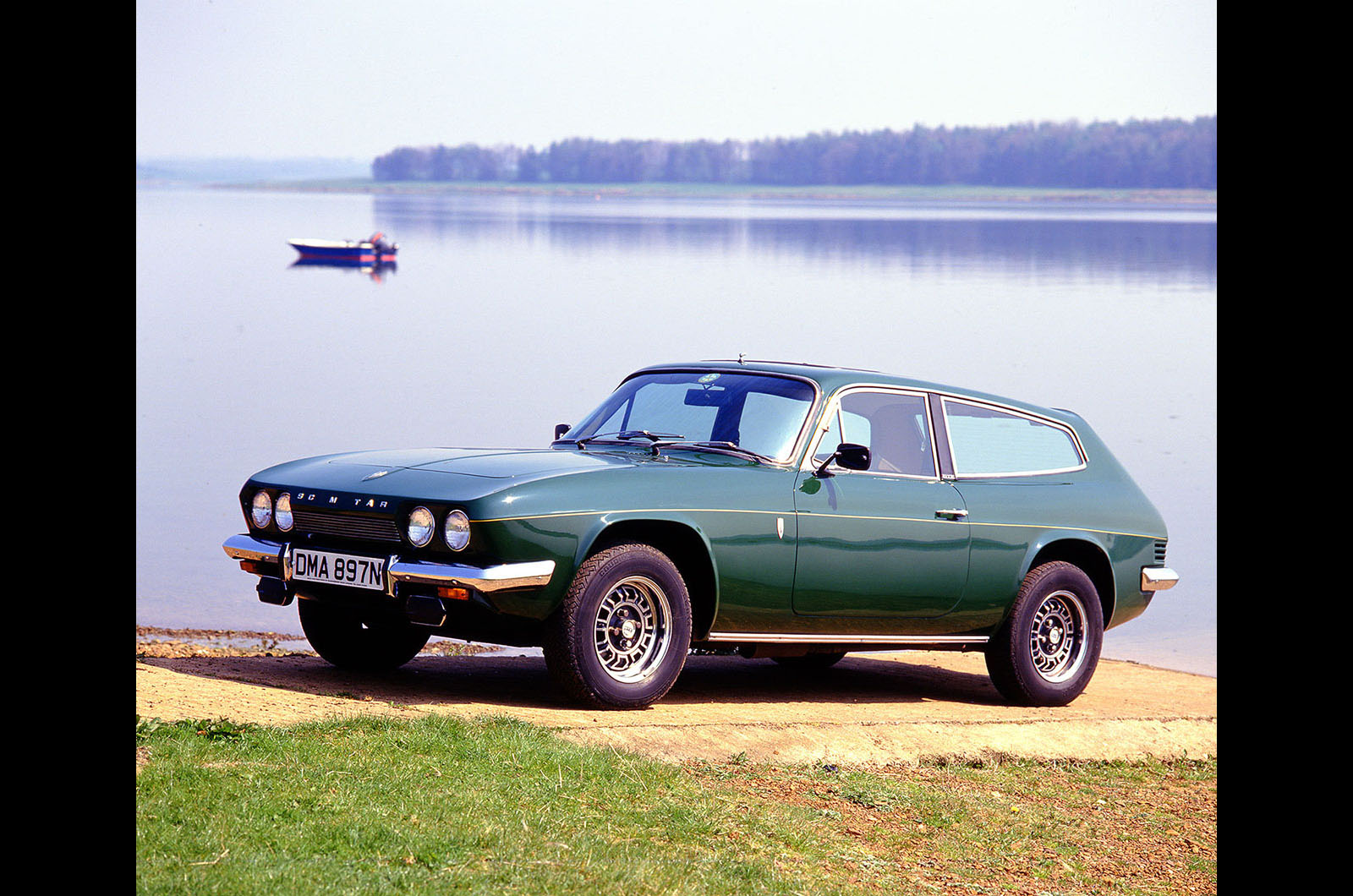
Reliant is often remembered for the three-wheeled Robin and Regal, which allowed drivers to operate a vehicle with a motorcycle license. However, the company also produced the Scimitar GTE, a pioneering "sports estate" that gained a cult following and was famously owned by Princess Anne. The company struggled to modernize its lineup and ceased production in 2002.
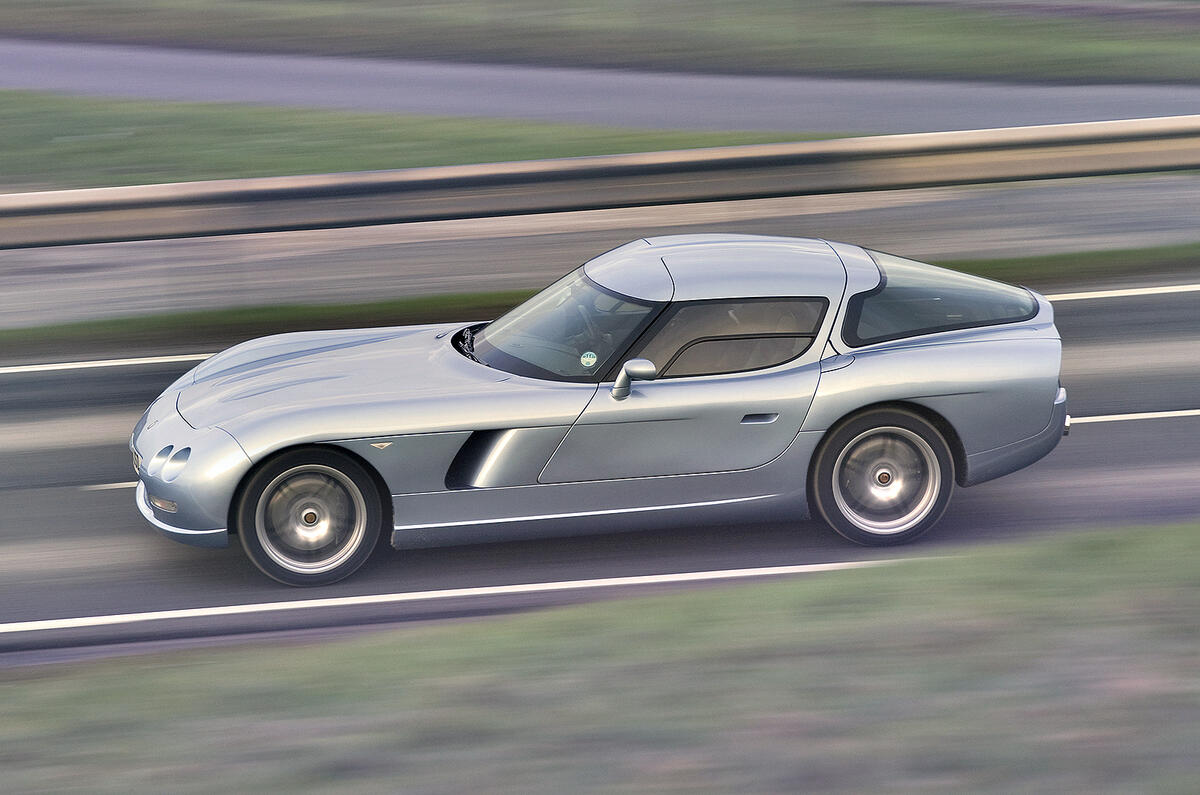
Bristol Cars (1945–2011)
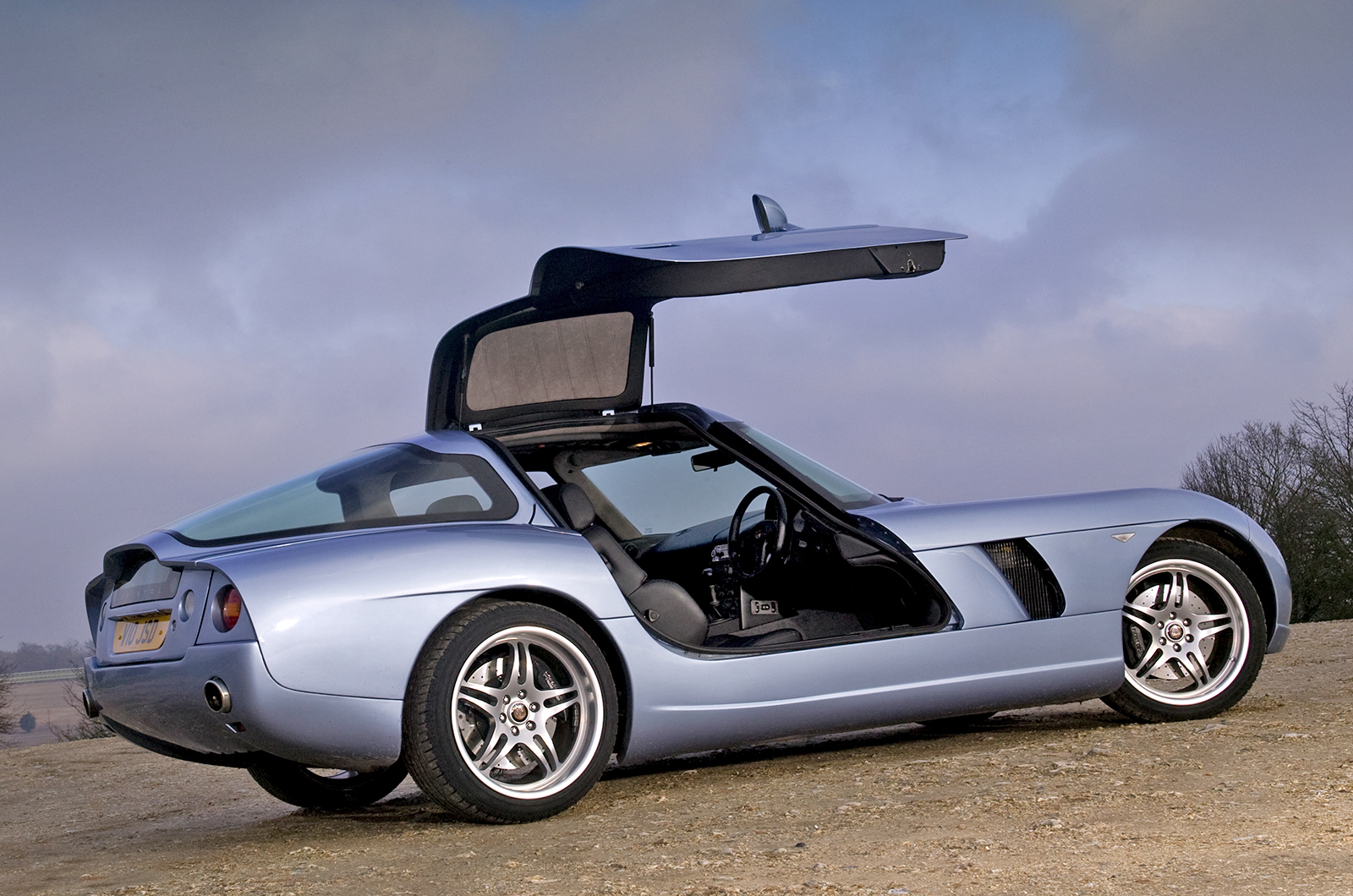
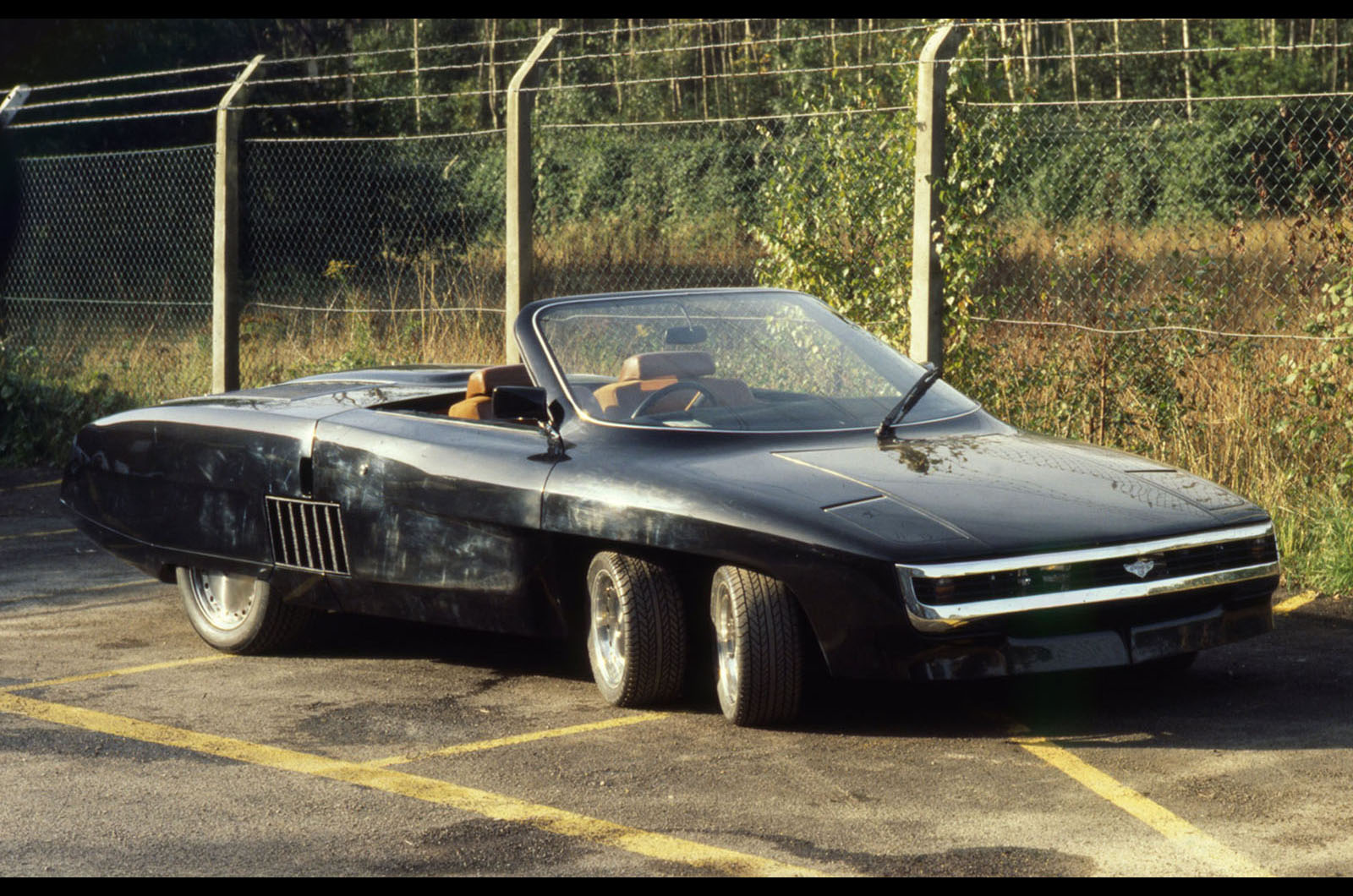
Originating from the Bristol Aeroplane Company, Bristol Cars produced expensive, hand-built luxury vehicles for a discrete clientele. Their cars, such as the 411 and the V10-powered Fighter, were known for their idiosyncratic design and high build quality. The company went into administration in 2011, and a 2015 revival attempt with the "Bullet" roadster failed to reach production before the company was liquidated in 2020.
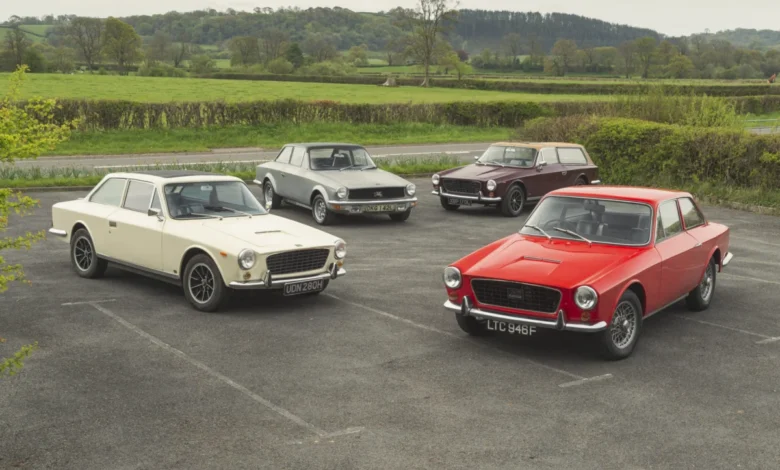
Gilbern (1959–1973)
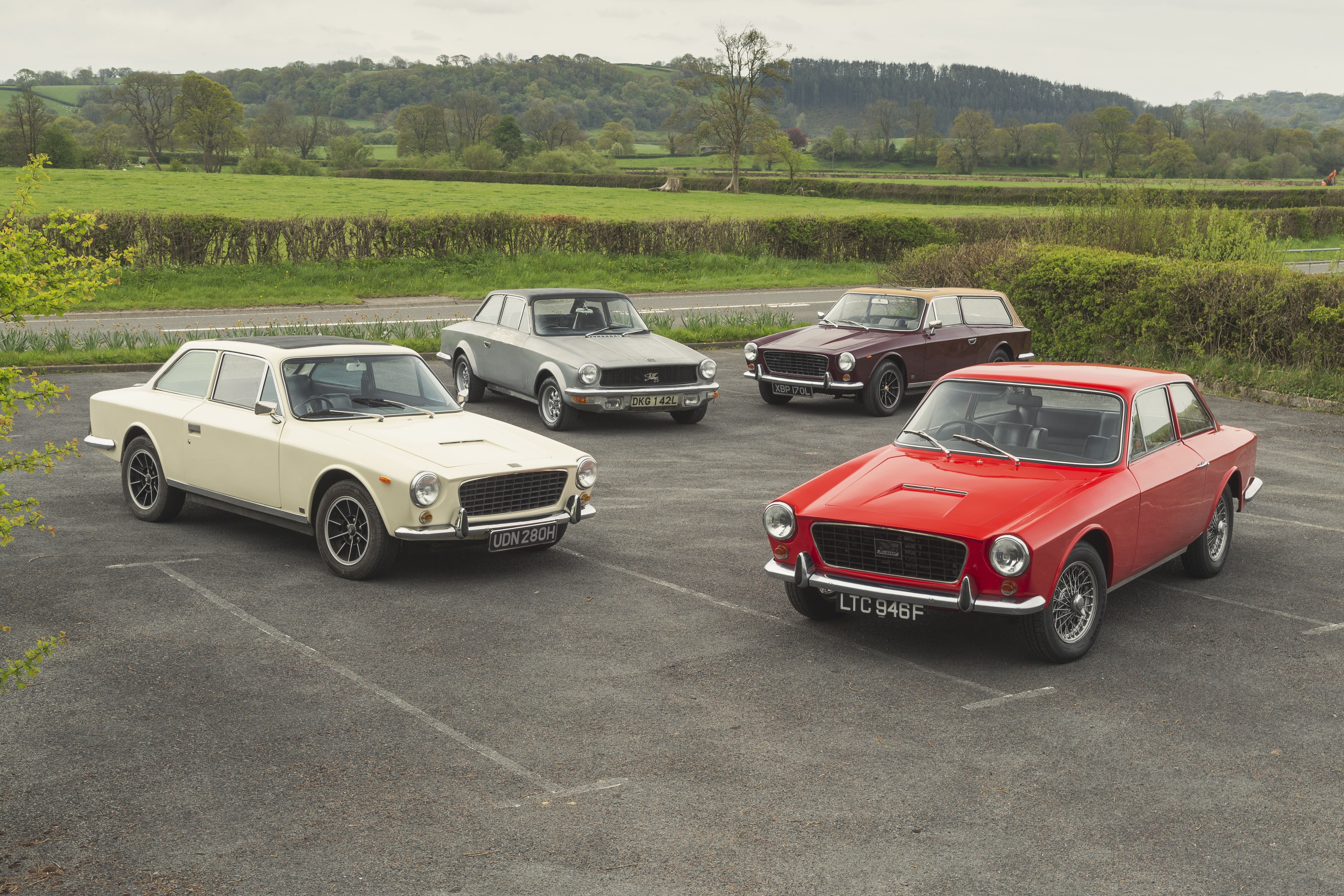
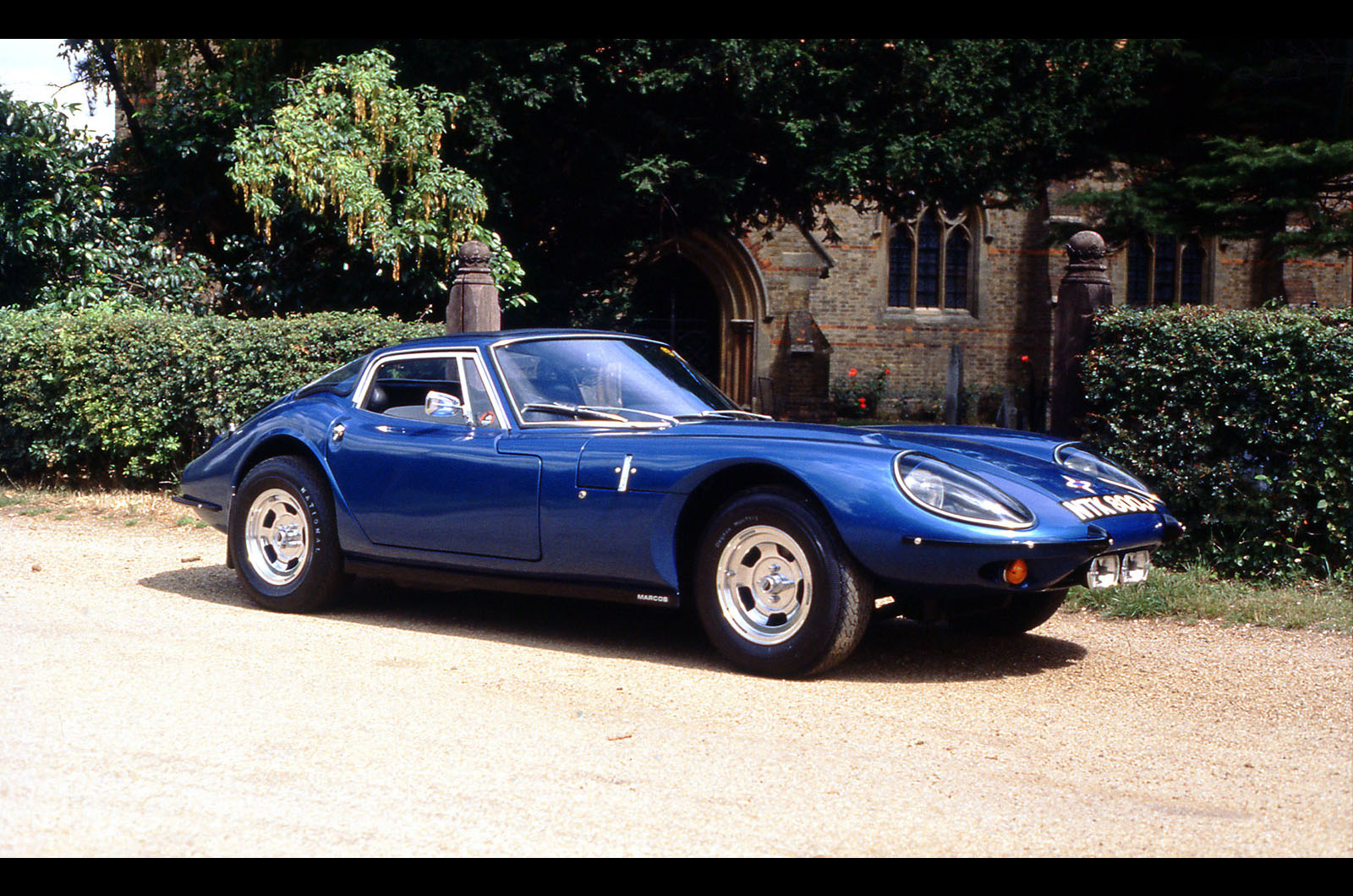
Gilbern holds the distinction of being Wales’ only significant car manufacturer. Operating out of Llantwit Fardre, the company produced glass-fibre bodied GT cars. Despite a loyal following, the high cost of production and changes in tax laws for kit cars led to its closure in 1973.
Analysis of Implications and Broader Impact
The demise of these companies was rarely due to a lack of engineering talent. Instead, several systemic factors contributed to the thinning of the British automotive ranks:
- Industrial Consolidation: The formation of British Leyland in 1968 was a state-backed attempt to create a national champion capable of competing with GM and Ford. However, the merger forced competing brands (like Triumph and Rover) under one roof, leading to internal rivalry, redundant product lines, and catastrophic management failures.
- Labor Relations: The 1970s were marked by frequent strikes and industrial action across the UK. This disrupted production and severely damaged the reputation of British cars for reliability and build quality.
- Lack of Investment: Compared to German and Japanese counterparts, many British firms failed to reinvest profits into modernizing factories and research. This left them with aging product lineups that could not compete with the efficiency of international rivals.
- Global Economic Shifts: The oil crises of 1973 and 1979 hit manufacturers of large, thirsty engines (like Jensen and Aston-Healey) particularly hard.
Today, the names of many of these deceased companies are owned by foreign corporations. BMW retains the rights to Riley and Triumph, while SAIC of China owns Morris, and Tata Motors (via Jaguar Land Rover) owns the Rover and Lanchester trademarks. While these brands are "deceased" in terms of active production, their intellectual property remains a valuable asset, occasionally sparking rumors of revivals in the electric vehicle era.
The legacy of these failed companies serves as a cautionary tale of how even the most storied brands can succumb to economic shifts and poor strategic planning. Yet, their contribution to automotive culture—from the egalitarian Austin Seven to the avant-garde Jensen FF—continues to be celebrated by enthusiasts and historians worldwide.