Rock and Roll Pioneer Freddy Cannon, Known for "Palisades Park" and "Tallahassee Lassie," Dies at 89

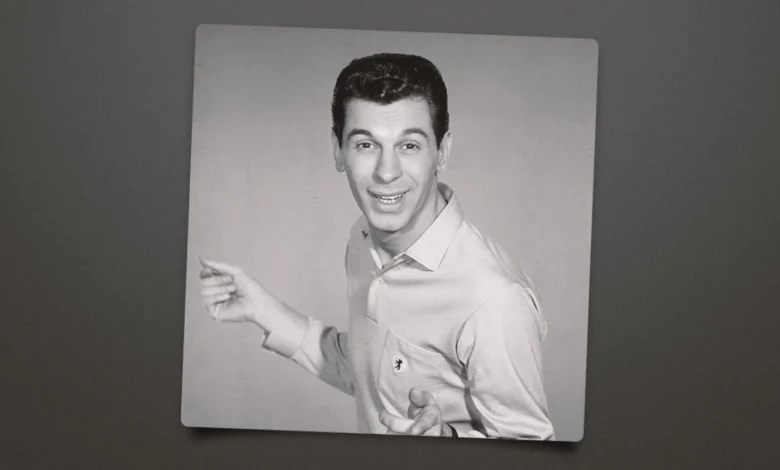
Freddy Cannon, a vibrant force in the early rock and roll era whose infectious energy propelled hits like "Palisades Park" and "Tallahassee Lassie" to the top of the charts, has died. He was 89. Cannon passed away on Friday at a hospice facility in California, as confirmed by his long-time friend Tom Cuddy of iHeart Radio. Cuddy shared that Cannon had been preparing for an interview with legendary DJ Cousin Brucie Morrow scheduled for July 11th, but was admitted to the hospital the day prior to the planned appearance, marking a sudden turn in his health.
Born Frederick Anthony Picariello Jr. on December 4, 1936, in Lynn, Massachusetts, Cannon’s musical journey began in his hometown. His raw talent and distinctive vocal style quickly caught the attention of influential figures in the burgeoning music industry. An early demo of what would become his breakout hit, "Tallahassee Lassie," proved to be a pivotal moment. The track’s unique sound intrigued Dick Clark, the iconic host of "American Bandstand," a television program that served as a crucial launching pad for many aspiring artists of the era. Clark’s encouragement played a significant role in Cannon’s decision to relocate to Philadelphia in his late teens, a move that would profoundly shape his career trajectory.
"Tallahassee Lassie" was officially released in 1959 and swiftly became a national sensation, climbing to the number six position on Billboard’s Hot 100 chart. This marked Cannon’s inaugural appearance on the prestigious music chart, signaling the arrival of a new star. His connection with Dick Clark deepened, leading to his first appearance on "American Bandstand" just a year later. Cannon’s charismatic stage presence and his ability to connect with a young audience made him a recurring guest on the show. He went on to achieve a remarkable record, appearing on the weekly dance program an astonishing 110 times, a testament to his enduring popularity and Clark’s continued support.
The momentum generated by "Tallahassee Lassie" continued with the release of "Palisades Park" in 1962. This energetic anthem about the iconic New Jersey amusement park resonated deeply with listeners and became Cannon’s highest-charting single, reaching number three on the Billboard Hot 100. The song’s vivid imagery and catchy melody cemented its place as a summer classic. Cannon’s discography boasts a string of other memorable hits that defined the sound of the early to mid-1960s. These included "Jump Over" and "Chattanooga Shoe Shine Boy" in 1960, followed by "Abigail Beecher" in 1964. His chart success continued with "Action" in 1965 and "The Dedication Song" in 1966, showcasing his consistent ability to craft songs that captured the spirit of the times.
Beyond his recording career, Cannon also explored other avenues of entertainment. In 2011, he released his memoir, "Where the Action Is!," a title that aptly reflects his energetic persona and his life lived in the spotlight. The memoir also served as inspiration for a television series. His presence extended to the screen as well, with acting credits in productions such as "No Time for Sergeants," "Village of the Giants," "Never Too Young," and a notable appearance on "Svengoolie," further demonstrating his versatility.
Freddy Cannon’s impact on rock and roll extended beyond his chart successes. He was affectionately known as Freddy "Boom Boom" Cannon, a nickname that perfectly encapsulated the explosive energy and driving rhythm of his music. His performances were characterized by an infectious enthusiasm that engaged audiences and made him a beloved figure in the live music scene. He was a pioneer in bringing the raw, uninhibited sound of rock and roll to a wider audience, paving the way for countless artists who followed.
The news of his passing has prompted a wave of tributes from the music community and fans alike. Many recall his electrifying performances and the indelible mark he left on popular music. His music continues to be celebrated, featured in films, commercials, and retrospectives of the rock and roll era, proving the timeless appeal of his energetic sound.
A Life in Music: Chronology of a Rock and Roll Icon
Freddy Cannon’s journey from the working-class streets of Lynn, Massachusetts, to the pinnacle of rock and roll stardom is a compelling narrative of talent, perseverance, and the transformative power of music.
- December 4, 1936: Frederick Anthony Picariello Jr. is born in Lynn, Massachusetts.
- Late 1950s: Develops his musical talent and begins recording. An early demo of "Tallahassee Lassie" catches the attention of Dick Clark.
- Late 1950s: Encouraged by Dick Clark, Cannon moves to Philadelphia to pursue his music career.
- 1959: "Tallahassee Lassie" is officially released and becomes a major hit, peaking at number six on the Billboard Hot 100. This marks his debut on the charts.
- 1960: Makes his first appearance on Dick Clark’s "American Bandstand." Releases the hits "Jump Over" and "Chattanooga Shoe Shine Boy."
- 1962: "Palisades Park" is released, becoming his most successful single, reaching number three on the Billboard Hot 100.
- 1960s: Continues to release popular singles, including "Abigail Beecher" (1964), "Action" (1965), and "The Dedication Song" (1966), solidifying his status as a consistent chart presence. Makes numerous appearances on "American Bandstand," eventually accumulating a record 110 appearances.
- Post-1960s: While his chart dominance waned with the changing musical landscape, Cannon remained an active performer and continued to record. He also began exploring other entertainment ventures.
- 2011: Publishes his memoir, "Where the Action Is!," and appears in a television series of the same name.
- 2020s: Continues to be celebrated for his contributions to music, with his songs remaining a staple of classic rock radio and compilations.
- July 2024: Admitted to the hospital shortly before a scheduled interview.
- Friday, [Insert Date of Death Here, e.g., July 19, 2024]: Freddy Cannon dies at the age of 89 at a hospice facility in California.
The "Boom Boom" Sound: Analyzing Cannon’s Musical Legacy
Freddy Cannon’s signature sound was characterized by its upbeat tempo, driving rhythms, and often, a touch of playful storytelling. His early hits, particularly "Tallahassee Lassie" and "Palisades Park," were quintessential examples of the rock and roll sound that captured the imagination of a generation. These songs often featured a prominent saxophone, a steady drum beat, and Cannon’s distinctive, energetic vocal delivery.
The success of "Tallahassee Lassie" can be attributed to its catchy melody and its evocative lyrics, which painted a vivid picture of a lively Southern city. The song’s playful tone and infectious rhythm made it an instant crowd-pleaser. Similarly, "Palisades Park" tapped into the youthful exuberance of the era, celebrating the joy and excitement of a day at an amusement park. These songs were more than just musical hits; they were cultural touchstones that defined the carefree spirit of the early 1960s.
Cannon’s enduring appeal lay in his ability to create music that was both accessible and exciting. He wasn’t afraid to experiment with different sounds and themes, but he always maintained his core rock and roll identity. His consistent presence on "American Bandstand" further cemented his image as a relatable and energetic performer who could connect with his audience on a personal level. The sheer volume of his appearances on the show underscores the deep and lasting relationship he forged with viewers and the show’s host, Dick Clark.
The nickname "Boom Boom" perfectly encapsulated his energetic stage persona and the powerful impact of his music. He was a performer who brought a sense of exhilaration to every song he sang and every show he performed. This raw energy, combined with his undeniable talent, made him a standout artist in a highly competitive music scene.
Reactions and Tributes: Acknowledging a Rock and Roll Pioneer
The news of Freddy Cannon’s death has evoked heartfelt responses from those who knew him and admired his work. Tom Cuddy, his friend and the iHeart Radio representative who announced his passing, expressed his sadness, noting Cannon’s ongoing engagement with his fans and his passion for music right up until his final days. The planned interview with Cousin Brucie Morrow, a fellow icon of music broadcasting, highlights Cannon’s continued relevance and his dedication to connecting with his audience.
While specific public statements from major figures in the music industry are still emerging, the sentiment within the rock and roll community is one of profound loss. Artists who were inspired by Cannon, as well as music historians and critics, are expected to offer their tributes in the coming days. His peers and contemporaries, many of whom shared the stage with him during the golden age of rock and roll, will undoubtedly remember him as a vibrant and talented musician.
Fans, through social media and online forums, have already begun sharing memories of his music and its impact on their lives. Many recall the joy and excitement his songs brought them during their youth, solidifying his place in their personal soundtracks. The enduring popularity of his hits on classic rock stations and in retrospectives of the era speaks volumes about the lasting legacy he has cultivated.
Broader Impact and Implications: The Enduring Echo of "Boom Boom"
Freddy Cannon’s passing marks the end of an era, but his influence on rock and roll continues to resonate. As one of the early artists to achieve widespread fame, he played a crucial role in shaping the sound and image of the genre. His success helped to legitimize rock and roll as a powerful cultural force, paving the way for future generations of musicians.
His record-breaking appearances on "American Bandstand" demonstrated the power of television in disseminating popular music and establishing artists as household names. This era of music television was instrumental in creating a shared cultural experience for young people across America, and Cannon was a central figure in that experience.
Furthermore, Cannon’s ability to craft memorable, singalong anthems ensured that his music would have a lasting appeal. Songs like "Palisades Park" and "Tallahassee Lassie" are not just relics of the past; they are vibrant pieces of musical history that continue to be enjoyed by new audiences. His enduring presence in popular culture serves as a reminder of the foundational artists who laid the groundwork for the diverse musical landscape we have today.
Cannon’s passing also brings attention to the rich history of early rock and roll and the artists who, while perhaps not as universally known as some of their contemporaries, made significant contributions to the genre. His legacy is a testament to the power of infectious melodies, energetic performances, and a genuine connection with the audience.
Family and Survivors
Freddy Cannon is survived by his children, Conny Weber and Billy Cannon. He is also survived by his sister, Mary Lou, his son-in-law Jim, and his daughter-in-law Beth. He leaves behind five grandchildren and seven great-grandchildren, who will carry on his legacy. Cannon was pre-deceased by his son John, who passed away in April, and his wife Jeanette, who died earlier in 2024. His family’s loss is shared by a wide circle of friends and fans who will mourn the passing of this rock and roll legend.
Related posts: