Liam Gallagher Slams FIFA World Cup Halftime Show as a "Bad Trip" Amidst Star-Studded Extravaganza

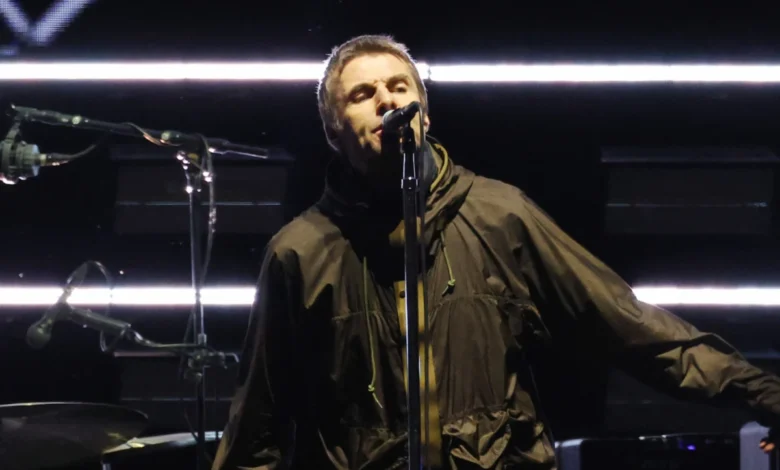
The highly anticipated final match of the FIFA World Cup, a global spectacle drawing billions of viewers, was punctuated by a halftime performance that ignited a firestorm of reactions, most notably a scathing critique from Oasis frontman Liam Gallagher. While the electrifying clash between Spain and Argentina captivated the sporting world, the elaborate halftime show, featuring a dizzying array of international music icons and unexpected guests, proved to be a point of contention for the notoriously outspoken rockstar. Gallagher, who had previously championed England’s journey through the tournament, took to social media platform X (formerly Twitter) to express his profound dissatisfaction, likening the performance to a disorienting and unwelcome hallucinogenic experience.
"This is like a bad trip," Gallagher declared on X, his characteristic bluntness on full display. He further elaborated, suggesting that without his "spiritual socks on," the entertainment could have had a detrimental effect on his state of mind. The tweet, accompanied by a screenshot of his pronouncement, quickly went viral, resonating with a segment of the audience who shared his sentiment, while others defended the show’s ambitious scope and diverse lineup. The performance, designed to be a unifying global celebration of music and sport, ultimately served as a stark reminder of subjective artistic taste and the polarized nature of public opinion in the digital age.
A Spectacle of Global Proportions: The Halftime Lineup
The halftime show at the FIFA World Cup final was conceived as a grand synthesis of global music powerhouses and cultural touchstones. The extravaganza kicked off with a dynamic performance by pop icon Madonna. She emerged onto the pitch of the New York New Jersey Stadium, not through a traditional entrance, but by being chauffeured through the stadium’s subterranean tunnels in a golf cart, accompanied by none other than Brazilian football legends Ronaldo and Ronaldinho. This unconventional arrival set the tone for a set that blended her classic hits with new material. Madonna delivered a re-imagined version of her 2000 chart-topper "Music," infused with a contemporary energy, and followed it with a rendition of "Danceteria," a track from her recently released album, Confessions II. The inclusion of football royalty alongside the Queen of Pop underscored the event’s intention to weave together the worlds of sport and entertainment at the highest level.
The momentum of the show continued with a brief but impactful cameo from K-pop sensation BTS. The group delivered a snippet of their global hit "Dynamite," a testament to their immense international appeal and the tournament’s reach across diverse fan bases. The unexpected appearance of the beloved South Korean septet added another layer of global star power to the proceedings.
A further surprise emerged with the appearance of actor Jason Sudeikis, reprising his much-loved character, Coach Ted Lasso, from the critically acclaimed Apple TV+ series. Accompanied by his on-screen deputy, Coach Beard (portrayed by Brendan Hunt), Lasso delivered a motivational speech, seemingly directed at pop superstar Justin Bieber. This narrative interlude seamlessly transitioned into Bieber’s performance of his song "Everything Hallelujah," injecting a dose of narrative storytelling into the musical showcase. The integration of a fictional character from a popular television show into the live performance was a bold move, aimed at bridging the gap between popular culture and the sporting event.
The eclectic lineup also featured a collaboration between global music phenomenon Shakira and Nigerian superstar Burna Boy, who performed their track "Dai Dai." Adding a unique and heartwarming element to the show was the PS 22 Chorus, a choir comprised of fourth and fifth graders from a public elementary school in Staten Island, New York. This young ensemble performed "We Dance," a song penned by Coldplay frontman Chris Martin, who himself joined the children on stage for their segment. The inclusion of the PS 22 Chorus offered a moment of youthful exuberance and demonstrated a commitment to showcasing emerging talent alongside established artists. The diverse array of performers, from seasoned pop divas to burgeoning young voices and international music sensations, reflected an ambitious effort to create a halftime spectacle that would resonate with a global audience spanning generations and musical tastes.
The Shadow of Disappointment: Gallagher’s Gripes
Liam Gallagher’s public critique of the halftime show was not an isolated incident of grumbling; it was a sentiment that appeared to be colored by the preceding events of the tournament, particularly England’s exit from the competition. The Oasis singer had been a vocal supporter of the English national team, and the team’s defeat in the semi-finals, which paved the way for Argentina to face Spain in the final, undoubtedly left a mark. Leading up to the crucial semi-final match against Spain, Oasis’s iconic 1995 anthem "Wonderwall" had become the unofficial soundtrack to England’s World Cup campaign, with Gallagher himself actively promoting its resonance. His rallying cry of "Cmon England cmon Wonderwall" before the match underscored his deep investment in the team’s success.
The sting of England’s elimination likely amplified Gallagher’s critical stance on the halftime entertainment. For a musician who has built a career on raw, unvarnished rock and roll anthems, the genre-bending, multi-artist spectacle of the halftime show may have felt like a departure from the kind of visceral, anthemic music he champions. His description of the performance as a "bad trip" suggests an overwhelming sensory experience that, for him, lacked coherence or genuine emotional impact. The "spiritual socks" comment, while humorous, hints at a need for something more profound or grounding than what he perceived as a chaotic and perhaps superficial display.
This reaction also aligns with Gallagher’s well-documented persona as a purveyor of authentic, guitar-driven rock music. His public pronouncements often reflect a disdain for what he might perceive as overly commercialized or manufactured entertainment. The FIFA World Cup halftime show, with its carefully curated lineup of global superstars and elaborate production, could easily fall into that category for an artist like Gallagher, who embodies a more rebellious and raw musical spirit.
Broader Context and Potential Implications
The FIFA World Cup final is more than just a sporting event; it is a global cultural phenomenon that transcends national borders and unites billions in shared excitement and anticipation. The halftime show, in particular, has evolved into a significant platform for artistic expression and brand visibility. Historically, these performances have aimed to amplify the celebratory atmosphere and provide a moment of collective enjoyment for fans worldwide.
The inclusion of artists like Madonna, BTS, and Shakira, alongside emerging talents and even beloved fictional characters, reflects a strategic approach by FIFA to appeal to the broadest possible demographic. In an era where music consumption is increasingly fragmented and globalized, such a diverse lineup attempts to cater to a multitude of tastes, from established pop aficionados to K-pop devotees and fans of contemporary Afrobeats. The intention is to create a memorable, shareable, and universally appealing spectacle.
However, as Liam Gallagher’s reaction illustrates, such ambitious inclusivity can also lead to polarization. While some viewers may have been thrilled by the sheer star power and variety on display, others, like Gallagher, might have found the eclectic mix jarring or lacking in artistic cohesion. This highlights the inherent challenge of producing entertainment for such a vast and diverse audience; what one segment finds exhilarating, another might find alienating or unimpressive.
The "bad trip" metaphor used by Gallagher, while subjective, speaks to the potential for an overwhelming and unfocused experience. In an ideal scenario, a halftime show should enhance the event’s excitement without overshadowing the core sporting drama. The inclusion of multiple artists and segments, while intended to showcase global reach, can inadvertently dilute the impact of individual performances if not expertly curated and seamlessly integrated.
Furthermore, the context of England’s prior elimination from the tournament cannot be ignored. Gallagher’s critique might have been amplified by his personal disappointment, leading him to view the entertainment through a lens of perceived irrelevance or even insensitivity to the emotions of fans whose teams had been knocked out. The unofficial anthem status of "Wonderwall" for the English team created a strong emotional connection between the band and the national sentiment, making any subsequent entertainment potentially feel out of sync with that shared feeling.
The ongoing discussion surrounding the halftime show also raises questions about the role of music in major sporting events. Should these performances aim for broad, crowd-pleasing appeal, or should they embrace more niche or artist-driven artistic statements? The financial investment in these halftime shows is substantial, and the pressure to deliver a universally acclaimed spectacle is immense. The varying reactions to this year’s event suggest that FIFA, and other organizers of similar global events, will continue to grapple with the delicate balance of inclusivity, artistic integrity, and the subjective nature of audience reception.
The successful integration of elements like the PS 22 Chorus and the narrative interlude with Ted Lasso also points to a growing trend of blending different forms of entertainment. This innovative approach, while potentially engaging, also carries the risk of alienating traditionalists or those who prefer a more straightforward musical performance. The long-term implication for such halftime shows will likely involve a continued experimentation with formats, aiming to capture the attention of a global audience in an increasingly competitive media landscape, while also navigating the inevitable critiques that accompany such high-profile endeavors. The legacy of this particular halftime show will undoubtedly be debated, not just for its artistic merit, but for the potent reactions it elicited, reminding us that even on the grandest of stages, personal taste reigns supreme.