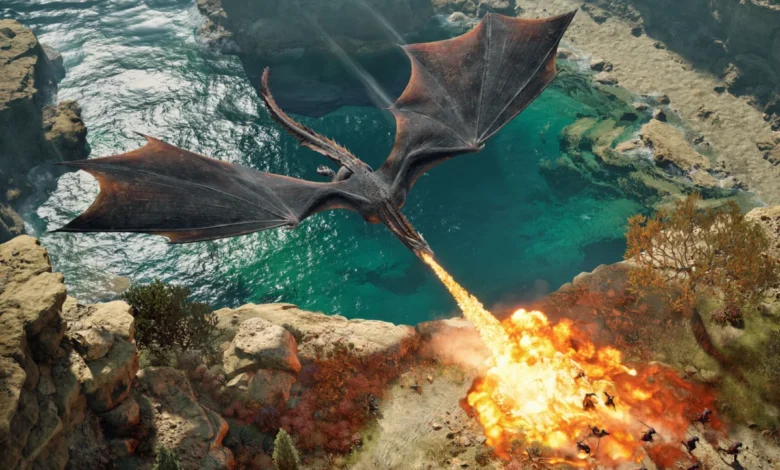
The highly anticipated real-time strategy game, Game Of Thrones: War For Westeros, has been officially pushed back from its originally planned 2024 release to early 2027. Developers at PlaySide Studios cited the need to achieve a "high level of quality" as the primary reason for the significant delay, a move that, while potentially disappointing for eager fans, underscores a commitment to delivering an experience worthy of the beloved Game of Thrones franchise.
A New Vision for Westeros: Rewriting History
First unveiled last year, Game Of Thrones: War For Westeros promised an "epic" real-time strategy (RTS) experience that would empower players to not only command the iconic Great Houses of Westeros but also to fundamentally alter the narrative of the hit television series. The game’s Steam description vividly paints this picture: "Conquer the Seven Kingdoms solo, or in treacherous free-for-all multiplayer. Command the Great Houses, rally iconic heroes, and rewrite the fate of the realm. Do you have the strength to seize the Iron Throne?" This ambition to offer players a genuine agency in shaping the destiny of Westeros has been a key selling point, differentiating it from more linear adaptations.
Players will have the opportunity to lead factions such as House Stark, House Lannister, and House Targaryen. In a particularly intriguing twist, the game will also allow players to command the formidable forces of the Night King, raising an army of the dead to challenge the living. This diverse range of playable factions and the potential for entirely new outcomes to the Westerosi conflict offer a compelling proposition for both seasoned RTS players and dedicated Game of Thrones aficionados.
The cinematic reveal trailer, released to generate initial excitement, showcased familiar faces from the television series, including Jon Snow (Kit Harington), Daenerys Targaryen (Emilia Clarke), and Jaime Lannister (Nikolaj Coster-Waldau). However, the trailer immediately signaled a departure from the established plot. In a stark demonstration of the game’s narrative freedom, Jon Snow was depicted falling to the Night King, and Daenerys Targaryen was shown being slain by an enemy soldier – outcomes that starkly contrast with their fates in the television series. This bold approach to narrative control is central to the game’s appeal, offering a chance to explore "what if" scenarios on a grand scale.
The Road to 2027: A Development Update
Initially slated for release sometime this year, Game Of Thrones: War For Westeros has been notably absent from recent gaming news cycles, with developers PlaySide Studios remaining relatively quiet since its initial announcement. This silence, coupled with the absence of further updates, had led to speculation among the fanbase.
The confirmation of the delay came over the weekend through a new blog post on the official War For Westeros website. While acknowledging that development has been "progressing well," the studio’s statement provided a new launch window of "early" 2027. The blog post offered insights into the game’s mechanics, detailing how maps, combat systems, and hero units will function, but crucially, it did not offer a specific reason for the extended development period beyond the overarching goal of quality assurance.
"We remain unwavering in our mission to deliver a real-time strategy game set in the world of Westeros that meets the expectations of both RTS players and Game of Thrones fans," the developers stated. "This decision gives us the time needed to continue building towards that goal and ensure that the game reaches the high level of quality we are aiming for. We know the wait has been long, and we do not take your support for granted." This message aims to reassure fans that the delay is a strategic decision to enhance the final product rather than an indicator of significant developmental hurdles.
Strategic Depth and Franchise Legacy
The real-time strategy genre demands a delicate balance of strategic depth, engaging mechanics, and compelling narrative. For Game Of Thrones: War For Westeros, the challenge lies in translating the intricate political maneuvering, large-scale battles, and complex character relationships of the source material into a satisfying RTS experience. The ability to command iconic heroes, manage resources, build armies, and engage in tactical combat against both human opponents and AI-controlled factions presents a significant undertaking for the development team.
The Game of Thrones universe, with its rich lore and established fan base, carries a high expectation for any new venture. The television series, which concluded in 2019, remains one of the most talked-about and influential shows in recent history, garnering numerous awards and a massive global following. Any game seeking to leverage this brand must not only capture the essence of Westeros but also deliver a gameplay experience that stands on its own merits.
The decision to allow players to rewrite the narrative is particularly ambitious. The television series itself faced a divisive reception for its final season, with many fans expressing disappointment with certain plot resolutions. War For Westeros has the potential to offer a cathartic experience for these fans, allowing them to forge new destinies for their favorite characters and factions, perhaps even averting the controversial endings that plagued the show for some. This freedom of choice is a powerful draw and a significant development challenge, requiring robust branching narrative systems and varied endgame scenarios.
Supporting Data and Industry Context
The RTS genre has seen a resurgence in recent years, with titles like Age of Empires IV and StarCraft II continuing to maintain active player bases, alongside newer entries and indie darlings. However, it is a genre that can be unforgiving, with high production costs and the need for meticulous balance and polish. Delays are not uncommon in game development, particularly for ambitious projects with extensive scope and intricate mechanics.
For instance, the development of major AAA titles often spans five to seven years, with many experiencing delays along the way. StarCraft II, a benchmark for the genre, underwent extensive development and testing phases. Similarly, titles that aim to innovate within established genres, as War For Westeros appears to do with its narrative rewriting feature, often require more time for iteration and refinement.
The Game of Thrones franchise itself has a mixed history in video games. While some titles, like Telltale’s narrative-driven series, have been critically acclaimed for their storytelling, others have struggled to capture the epic scope and complexity of the world. The success of War For Westeros will hinge on PlaySide Studios’ ability to marry the strategic depth expected of an RTS with the rich narrative and character-driven elements that define Game of Thrones.
Broader Impact and Fan Expectations
The delay of Game Of Thrones: War For Westeros to early 2027 means fans will have to exercise considerable patience. The announcement, however, frames this waiting period as an investment in quality. This approach, while potentially frustrating in the short term, could ultimately lead to a more polished and satisfying experience, mitigating the risk of a rushed release that might tarnish the franchise’s reputation.
The game’s success could also have implications for future Game of Thrones video game adaptations. A well-received and high-quality RTS that successfully blends strategic gameplay with narrative freedom could pave the way for further exploration of Westeros through interactive media, potentially attracting new players to the genre and revitalizing interest in the franchise’s gaming potential.
In the interim, fans can look forward to other entertainment ventures related to the Game of Thrones universe. HBO’s prequel series, House of the Dragon, has already garnered significant attention, demonstrating the enduring appeal of Westeros. Furthermore, in other gaming news, a live-action film adaptation of the Call Of Duty franchise is reportedly set to take place within the Modern Warfare universe, highlighting a trend of major entertainment properties venturing into different media formats.
The extended development timeline for Game Of Thrones: War For Westeros signals a commitment from PlaySide Studios to deliver a game that honors the legacy of the franchise and meets the high expectations of its dedicated fanbase. While the wait until early 2027 will be long, the promise of a high-quality, narrative-altering RTS experience set in the world of Westeros remains a compelling prospect for strategy game enthusiasts and Game of Thrones fans alike. The ultimate success of the game will depend on its ability to deliver on this promise, offering a truly epic and engaging journey through the brutal landscape of Westeros.
Related posts: