USCIS Reaches Fiscal Year 2027 H-1B Visa Cap as Administrative Restrictions Reshape Skilled Labor Recruitment

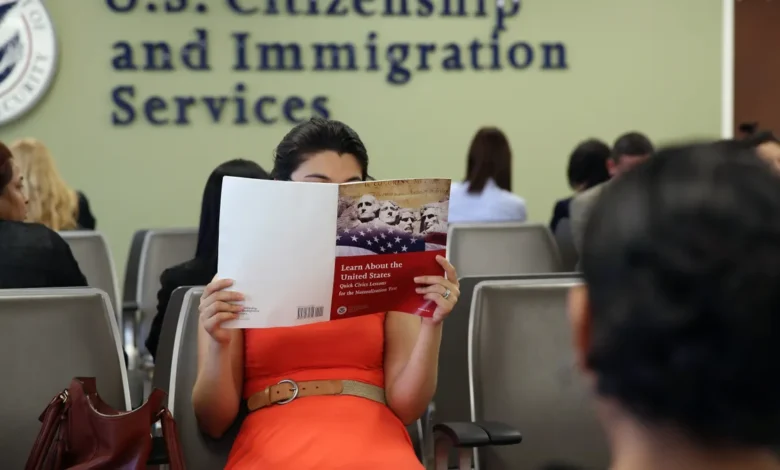
The U.S. Citizenship and Immigration Services (USCIS) announced on Friday that it has officially reached the congressionally mandated caps for the H-1B visa program for the 2027 fiscal year. This milestone, hit earlier than in some previous cycles, comes amid a period of significant regulatory flux and heightened enforcement strategies spearheaded by the second Trump administration. The H-1B program, designed to allow U.S. employers to temporarily employ foreign workers in specialty occupations—defined as those requiring a "body of highly specialized knowledge" and a bachelor’s degree or higher—remains a cornerstone of the American labor market for technology, engineering, and education sectors. However, the rapid exhaustion of the cap highlights the persistent tension between high demand for global talent and an increasingly restrictive federal immigration policy.
The Mechanics of the FY 2027 Cap and the Lottery System
The H-1B visa program is governed by a strict numerical ceiling. Under current federal law, the regular annual cap is set at 65,000 petitions. An additional 20,000 petitions are reserved specifically for foreign professionals who have earned a master’s degree or higher from a U.S. institution of higher education, a category often referred to as the "master’s cap" or the U.S. advanced degree exemption.
For the 2027 fiscal year, USCIS utilized a registration system that requires employers to submit electronic entries during a designated window. When the number of registrations exceeds the available slots—as it has consistently for over a decade—the agency employs a computer-generated lottery to select which petitions will be eligible for formal filing. The announcement on Friday confirms that the agency has received enough petitions to reach both the 65,000 regular limit and the 20,000 advanced degree exemption. While the lottery provides a veneer of randomness, recent administrative efforts have sought to fundamentally alter the criteria for selection, moving away from a pure lottery toward a merit- or wage-based prioritization.
A Strategy of Deterrence: The Policy Landscape Under the Second Trump Administration
The second Trump administration has been vocal in its desire to reform the H-1B program, arguing that the current system allows companies to bypass American workers in favor of lower-paid foreign counterparts. This "America First" approach to labor has manifested in a series of administrative hurdles designed to increase the cost and complexity of sponsoring foreign nationals.
In September 2025, the U.S. Department of Homeland Security (DHS) proposed a landmark rule to update the visa petition selection process. The proposal aimed to replace the random lottery with a system that prioritizes petitions offering higher salaries. Under this wage-based selection criteria, the lottery would first be filled by those in the highest prevailing wage levels (Level IV), followed by Level III, and so on. The DHS argued that this shift would incentivize employers to offer more competitive wages and ensure that the program is used for the most highly skilled individuals who truly fill gaps that the domestic labor market cannot meet.
This proposal was accompanied by a controversial executive move: the announcement of a $100,000 supplemental fee for H-1B visa petitions. The administration framed this fee as a necessary measure to protect American jobs and fund domestic workforce development. However, the move was met with immediate and fierce opposition from the business community, leading to a high-stakes legal battle.
Legal Challenges and Judicial Oversight
The $100,000 fee, which many immigration attorneys and corporate leaders described as a "prohibitive tax" rather than a service fee, was short-lived. In June 2026, a federal judge struck down the fee, ruling that the President lacked the constitutional and statutory authority to impose what essentially functioned as a tax on the H-1B program. The court found that such a significant financial levy must be authorized by Congress through legislation, rather than through executive fiat.

Despite this judicial setback, the administration has not retreated from its goal of tightening the program. The litigation, led in part by the U.S. Chamber of Commerce, underscored the deep rift between the executive branch and the private sector regarding the role of international talent in the U.S. economy. Business leaders argued that the fee would have disproportionately harmed small businesses and non-profits that lack the capital of tech giants but still rely on specialized foreign labor.
Project Firewall: Enforcement and Compliance
Concurrent with the fee proposal, the U.S. Department of Labor (DOL) launched "Project Firewall" in September 2025. This initiative represents a significant escalation in the enforcement of H-1B regulations. Project Firewall is focused on "maximizing compliance" and protecting the rights and wages of U.S. workers.
The initiative prioritizes investigations into companies where there is a high probability that American workers have been displaced or where H-1B workers are being paid less than the required prevailing wage. This has led to an increase in site visits, "benching" audits (where workers are not paid while waiting for assignments), and detailed reviews of Labor Condition Applications (LCAs). For employers, Project Firewall has necessitated a more rigorous internal auditing process to ensure that every H-1B hire is documented and paid according to the strictest interpretations of federal law.
The Sectoral Toll: Impact on K-12 Education
While the H-1B program is often associated with Silicon Valley, one of the most acutely affected sectors is public education. For years, school district leaders across the United States have utilized the H-1B program to fill critical shortages in specialized instructional areas, such as mathematics, science, special education, and foreign languages.

According to a National Education Association (NEA) analysis conducted during the 2025 fiscal year, more than 500 K-12 public school districts employed over 2,300 H-1B visa holders. While the majority of H-1B educators are employed by colleges and universities, the reliance of K-12 districts on this program has grown as the domestic teacher shortage has intensified.
School administrators have expressed grave concerns that the administration’s efforts to increase the costs and barriers of the H-1B program will leave them unable to staff classrooms. Unlike large tech corporations, public school districts operate on fixed, often strained, budgets. The threat of a $100,000 fee—even if currently struck down—and the move toward wage-based selection could price out public schools, which cannot compete with private-sector salaries. If the lottery prioritizes $200,000-a-year software engineers, a $55,000-a-year chemistry teacher in a rural district has almost no chance of securing a visa.
Timeline of Key H-1B Developments (2025-2026)
- September 2025: The Trump administration announces the $100,000 H-1B petition fee and the launch of "Project Firewall" by the Department of Labor.
- October 2025: The U.S. Chamber of Commerce and several trade associations file a lawsuit against the White House, challenging the legality of the $100,000 fee.
- January 2026: DHS formalizes the proposal to move toward a wage-based lottery system for the FY 2027 cycle, drawing thousands of public comments.
- June 2026: A federal judge strikes down the $100,000 fee, ruling the administration exceeded its authority.
- July 2026: USCIS announces that the H-1B cap for FY 2027 has been reached for both the regular and master’s categories.
Broader Economic Implications and Global Competitiveness
The debate over the H-1B program sits at the heart of a larger conversation about American economic competitiveness. Proponents of the program, including major industry groups like the Business Roundtable, argue that the ability to attract the world’s brightest minds is a "superpower" for the United States. They point to data showing that H-1B workers often complement American workers, leading to innovation, the creation of new products, and subsequent job growth for domestic employees.
Conversely, the administration and its supporters argue that the program has been exploited by "outsourcing firms" that flood the lottery with thousands of applications to provide low-cost labor to U.S. companies. They contend that by making the program more expensive and difficult to access, they are forcing companies to invest in the American workforce and domestic STEM education.
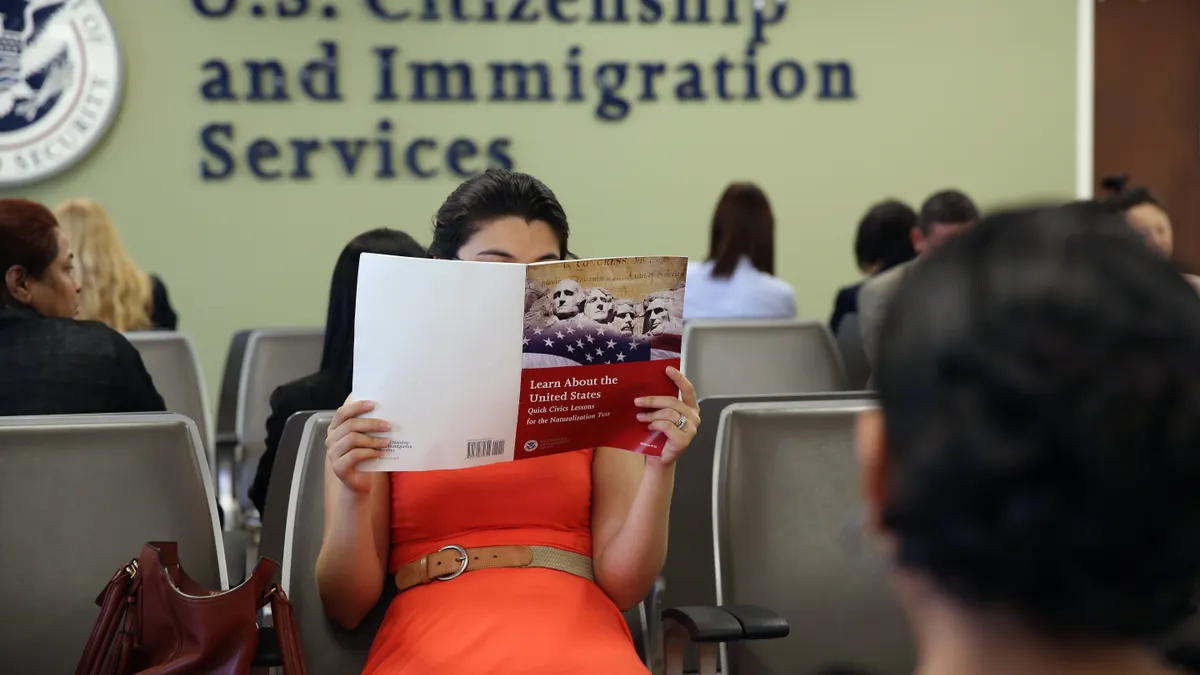
The exhaustion of the FY 2027 cap suggests that despite the "handful of hurdles" added by the current administration, the demand for specialized labor remains higher than the supply provided by the U.S. labor market. However, the demographics of who receives these visas may be shifting. As the administration continues to push for wage-based selection and increased enforcement, the H-1B program is likely to become more exclusive, favoring high-revenue industries and leaving sectors like education and small-scale manufacturing to find alternative solutions to their labor shortages.
Looking Ahead
As the 2027 fiscal year approaches, the focus will shift from the lottery to the adjudication process. USCIS is expected to apply heightened scrutiny to "specialty occupation" definitions, potentially leading to an increase in Requests for Evidence (RFEs) and higher denial rates. Meanwhile, the legal battle over wage-based selection is expected to continue, as the administration seeks ways to implement its vision within the bounds of judicial rulings.
For school districts and small businesses, the message from Washington is clear: the era of the relatively accessible H-1B visa is ending. Organizations must now navigate a landscape where immigration is viewed through the lens of strict economic protectionism, and the "body of highly specialized knowledge" required for a visa is increasingly being measured by the size of the paycheck attached to it.