Precision Pain Management: Can Artificial Intelligence Revolutionize Postoperative Opioid Prescribing in Dentistry


For the millions of patients who undergo the removal of their wisdom teeth each year, the immediate postoperative period is often defined by a singular, lingering uncertainty: exactly how much pain medication is necessary for a safe and comfortable recovery? While standard practice typically relies on a combination of over-the-counter analgesics like ibuprofen and acetaminophen, a subset of patients inevitably experiences breakthrough pain, leading clinicians to turn to opioids. However, the inability to predict which individuals will require stronger medication has long plagued the field of oral and maxillofacial surgery. Now, a team of faculty, residents, and students at the Harvard School of Dental Medicine is investigating a technological solution: leveraging artificial intelligence (AI) and machine learning to replace "just-in-case" prescribing with highly individualized, data-driven pain management plans.
The findings, recently detailed in the journal Current Surgery Reports, suggest that the future of dental pain management may lie in the integration of clinical, genetic, and behavioral data points that exceed the cognitive processing capacity of any single human practitioner. By training algorithms to recognize patterns in patient recovery, researchers aim to reduce the prevalence of unused opioids while simultaneously safeguarding patients who are at a higher risk for pain-related complications.
The Problem with Standardized Prescribing
The dental profession, particularly the specialty of oral and maxillofacial surgery (OMFS), accounts for more than 60 percent of all opioid prescriptions issued by dentists in the United States. For many young adults, the extraction of third molars—commonly known as wisdom teeth—serves as their first encounter with prescription opioids. This creates a public health irony: a routine, elective procedure designed to improve long-term oral health has become a significant entry point for opioid exposure, a class of drugs associated with high rates of addiction and misuse.
"The fundamental problem is that opioid prescribing is still largely standardized, while patients’ actual pain medication needs are highly individualized," says Tim Wang, the study’s senior author and chief resident of the OMFS program at the Harvard School of Dental Medicine and Massachusetts General Hospital. "Two patients can undergo essentially the same operation, performed by the same surgeon, and have very different experiences with pain and swelling afterward due to biology and pain tolerance."
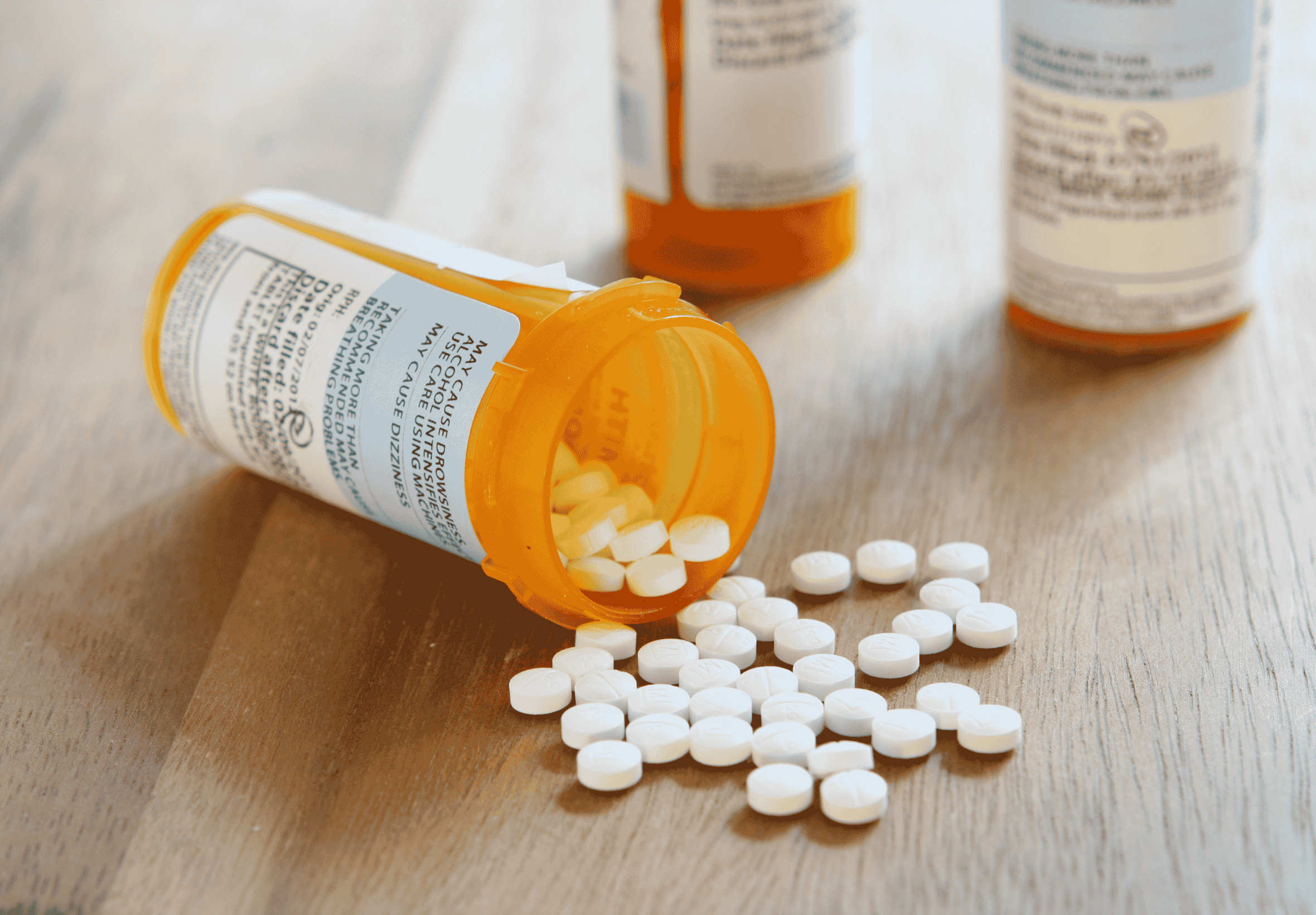
The current standard, which surgeons often refer to as "just-in-case" prescribing, involves providing a supply of opioids at the time of discharge to account for the worst-case scenario. However, this approach frequently leads to over-prescription. Research cited in the study reveals that in cases of uneventful third-molar extractions, only 7 percent of patients actually require opioids for pain management. Consequently, more than 50 percent of the opioids prescribed following these procedures remain unused in medicine cabinets, creating a substantial reservoir of controlled substances prone to diversion, theft, or accidental ingestion by household members.
A Chronology of the Opioid Crisis in Dentistry
The intersection of dental surgery and the opioid epidemic has been a subject of intense scrutiny for over a decade. In the early 2010s, as the United States began to recognize the severity of the opioid crisis, the dental community faced growing pressure to align with the Centers for Disease Control and Prevention (CDC) guidelines regarding pain management.
By 2016, the CDC released updated guidelines emphasizing that non-opioid medications should be the first-line treatment for acute pain. Despite these recommendations, adoption in dental offices remained slow, hindered by a lack of objective tools to determine a patient’s pain trajectory. In 2018, the American Dental Association (ADA) officially moved to support prescribing limits, recommending that dentists prescribe the lowest effective dose for the shortest duration, typically no more than seven days for acute pain.
Throughout 2020 and 2021, the COVID-19 pandemic introduced new complexities into the medical landscape, including the rapid acceleration of digital health records and the digitization of patient-reported outcomes. It is within this modern, data-rich environment that the Harvard research team began its work, recognizing that the next step in the evolution of dental care is the application of predictive analytics.
Harnessing Artificial Intelligence for Patient Risk Stratification
The core of the researchers’ proposal involves using machine learning—a branch of AI—to analyze massive datasets to predict postoperative outcomes. Machine learning models excel at identifying subtle, non-linear relationships between variables that a human clinician might overlook.
For instance, an AI model could ingest a patient’s medical history, current medication list, baseline pain tolerance, genetic markers, and even social determinants of health to generate a risk profile. This profile would then provide the surgeon with a "nudge" or a recommendation: either a standard non-opioid regimen or a personalized plan that includes specific dosages and monitoring protocols.
"The challenge for the surgeon is that we have to make the prescribing decision before we know how that individual patient will respond in terms of postoperative pain," Wang notes.
The promise of this technology is supported by success in other medical domains. In a landmark study of more than 560,000 Medicare beneficiaries, machine learning algorithms outperformed traditional statistical methods in identifying patients at high risk for opioid overdose. By adapting these models to the dental context, the Harvard team believes they can create a decision-support system integrated directly into electronic health records. This would not only streamline the prescribing process but also enhance existing Prescription Drug Monitoring Programs (PDMPs), allowing for real-time adjustments as a patient’s recovery progresses.
Implications for Post-Discharge Care
One of the most significant hurdles in surgical recovery is the "black box" that exists once a patient leaves the clinic. In an inpatient hospital setting, nurses and doctors can continuously monitor vitals and pain levels. In outpatient dental surgery, the patient is on their own.
"It’s true that an inpatient setting provides relative ease for pain monitoring and management per the physician perspective, but the moment a patient is discharged we lose the benefit of direct supervision," says Matthew Watt, a contributor to the paper and an OMFS resident.
The researchers propose that AI-enabled systems could bridge this gap. By utilizing mobile apps or patient portals, clinicians could collect real-time data on pain levels and medication adherence. If a patient reports pain that exceeds predicted thresholds, the system could alert the surgical team to reach out with additional guidance or clinical intervention. This continuous feedback loop ensures that the patient is not left without support, while simultaneously discouraging the hoarding of unused pills.
Ethical Considerations and the Human Element
Despite the optimism surrounding AI, the authors are careful to frame the technology as an augmentative tool rather than a replacement for clinical expertise. A primary concern within the medical community is "algorithmic bias"—the risk that AI models trained on skewed or incomplete datasets could provide inaccurate or inequitable recommendations for certain patient demographics.
Furthermore, the study acknowledges that much of the existing research remains retrospective. Before these tools can be deployed in the operating room, they require rigorous prospective, external validation to ensure they perform consistently across diverse patient populations.
"The ultimate goal is not simply to reduce opioid prescribing, but to make it more precise without compromising patient outcomes," says Wang. "For patients, that could mean a pain-management plan shaped not only by the procedure they underwent, but also by the individual recovering from it."
The Road Ahead
As the dental industry looks toward a more precise future, the work of the Harvard School of Dental Medicine team represents a shift in philosophy. By moving away from "one-size-fits-all" prescribing, clinicians can reduce the societal burden of the opioid crisis while providing more compassionate, individualized care.
For students like Samat Borbiev and Clark Morgan, the research is a glimpse into a changing landscape. As they progress in their careers, the integration of clinical biomarkers and machine learning will likely become as standard as the surgical tools they currently use. If successful, this shift could set a new benchmark for how all outpatient procedures are managed, ensuring that the necessary relief of pain is never again synonymous with the unnecessary distribution of potent, addictive narcotics. The transition to AI-assisted prescribing is not merely a technical upgrade; it is a fundamental reorientation of the patient-clinician relationship, rooted in the promise of safer, more thoughtful medical practice.