ZWO Seestar S30 Pro: Revolutionizing Deep-Sky Astrophotography with Unprecedented Accessibility

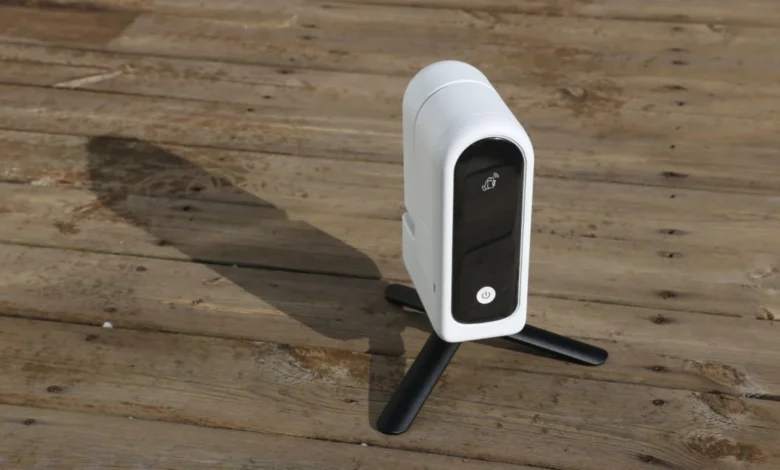
The ZWO Seestar S30 Pro emerges as a pivotal advancement in the realm of consumer astrophotography, presenting a self-contained imaging system that marries sophisticated technology with unparalleled ease of use. This compact device, capable of capturing detailed 8.3-megapixel images of distant galaxies and nebulas, represents a significant leap forward in making deep-sky imaging accessible and portable for a broad spectrum of enthusiasts, from novice stargazers to seasoned urban astronomers. Its design philosophy centers on removing the traditional complexities associated with astrophotography, integrating a refractor telescope, a motorized mount, dual high-resolution cameras, and intuitive image-processing software into a single, smartphone-controlled unit. Within minutes of deployment, the Seestar S30 Pro can autonomously align itself with the night sky, accurately slew to a chosen celestial target, and commence stacking multiple exposures to unveil faint cosmic structures that would otherwise remain hidden, even amidst significant light pollution.
The Evolution of Astrophotography: A Brief History and the Rise of Smart Telescopes
For decades, astrophotography was a niche pursuit, often demanding a substantial investment in time, money, and technical expertise. Traditional setups typically involved a complex array of equipment: a large aperture telescope, a robust equatorial mount requiring precise polar alignment, dedicated astronomy cameras, guiding scopes, and sophisticated computer software for capturing, stacking, and processing images. The learning curve was steep, often deterring many aspiring amateur astronomers. The painstaking process of collecting multiple exposures, calibrating them with darks, flats, and bias frames, and then meticulously stacking and enhancing them in post-processing software like PixInsight or Photoshop, was a significant barrier.
The late 2010s and early 2020s witnessed the advent of "smart telescopes," a new category of instruments designed to democratize astrophotography. Companies like Vaonis and Unistellar pioneered integrated systems that automated many of these arduous steps, offering real-time image stacking and app-based control. These early models, while innovative, often came with a premium price tag and sometimes compromised on image resolution or flexibility. ZWO, a company long recognized for its high-quality astronomy cameras and accessories, entered this nascent market with the original Seestar S30, aiming to provide a more affordable and user-friendly alternative. The S30 Pro builds upon this foundation, incorporating user feedback and technological advancements to deliver a significantly upgraded experience. It signifies a maturation of the smart telescope concept, making advanced astrophotography techniques available to a much wider audience without the steep learning curve or the need for a dedicated observatory.
Unpacking the Seestar S30 Pro: Design and Technical Specifications
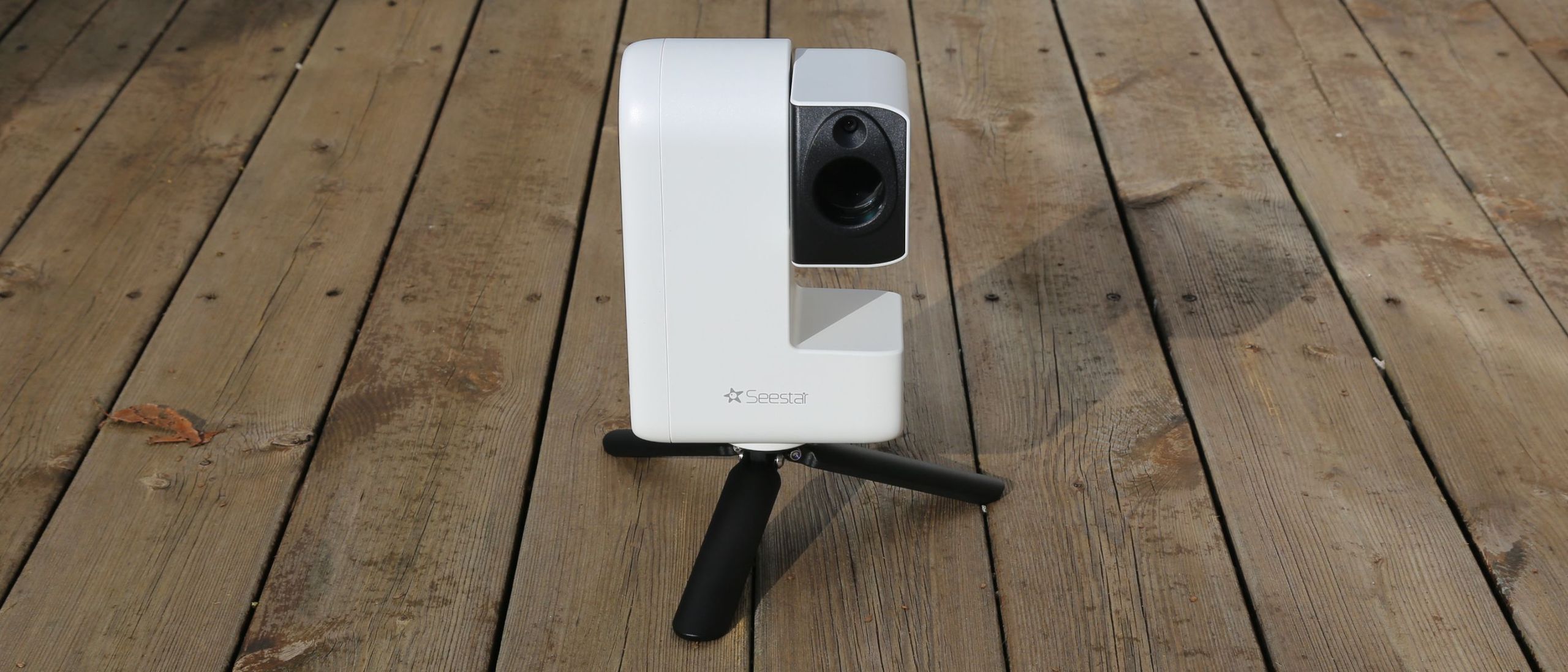
At first glance, the Seestar S30 Pro defies the conventional image of a telescope. Its sleek, compact form factor is more akin to a high-end telephoto lens than a traditional astronomical instrument, emphasizing its defining strength: portability. Measuring approximately 8.25 x 5.5 x 3.15 inches (210 x 140 x 80 mm) and weighing a mere 3.6 lbs (1.65 kg), it can effortlessly fit into a standard camera backpack, making it an ideal companion for spontaneous backyard observations, balcony astronomy, or dark-sky excursions to remote locations. This portability even extends to air travel, potentially allowing enthusiasts to capture celestial events like a total solar eclipse from distant continents as carry-on luggage.
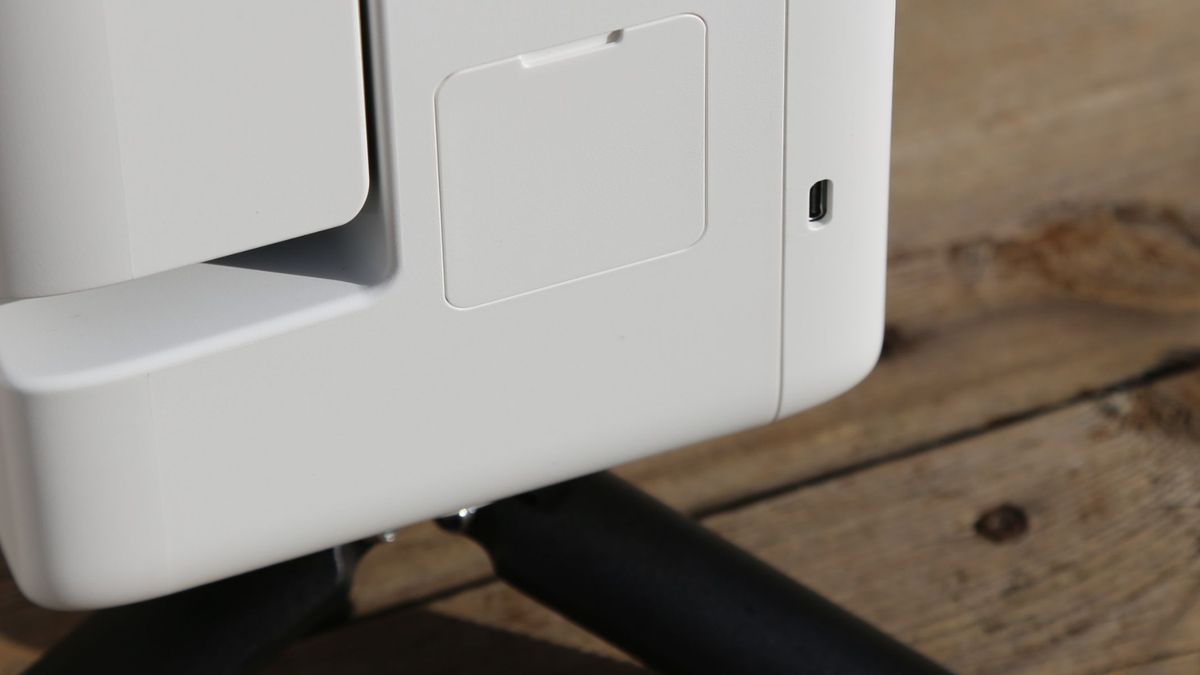
The design is deliberately minimalistic, reflecting its app-driven control scheme. Apart from a single power button and a USB-C charging port, the device lacks any physical controls. This streamlined approach ensures that all operational aspects—from slewing and focusing to image capture and processing—are managed seamlessly through the intuitive Seestar smartphone application. Crucially, the system operates entirely offline once connected to a phone via its dedicated Wi-Fi network, eliminating the need for an internet connection in the field, a significant advantage for remote observing.
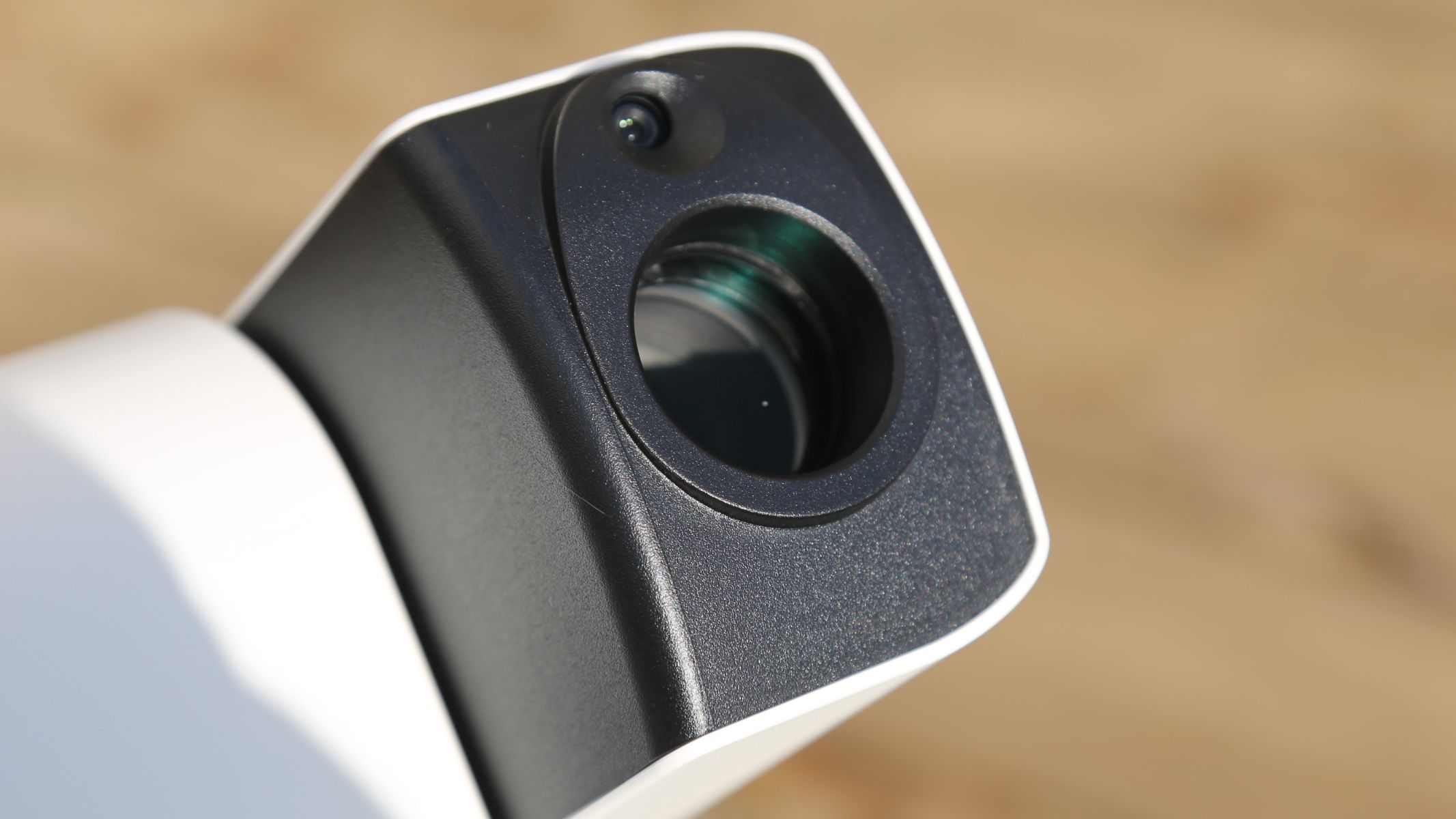
Central to the S30 Pro’s enhanced capabilities is its advanced optical system and dual-camera array. The telescope features an apochromatic quadruplet refractor design with ED (extra-low dispersion) glass. This sophisticated optical configuration, comprising four lens elements, is engineered to meticulously correct for chromatic aberration, a common optical distortion that causes color fringing around bright objects. The result is exceptionally sharp, color-accurate images with pinpoint stars across the entire 4.6-degree field of view for deep-sky imaging. With an aperture of 30mm (1.18 inches) and a focal length of 160mm, it operates at a fast f/5.3 focal ratio, optimized for collecting light efficiently from faint deep-sky objects.
The dual-camera system represents a significant upgrade. The primary telephoto camera, dedicated to deep-sky imaging, employs a Sony IMX585 sensor, capable of producing high-resolution 8.3-megapixel (3840 x 2160 pixels, or 4K) images. This increase in resolution over its predecessor allows for greater detail and more flexibility in cropping and printing. Complementing this is a secondary wide-angle camera utilizing an equally capable Sony IMX586 sensor. This wide-field sensor serves multiple purposes: it facilitates rapid and accurate sky alignment (plate-solving) and enables wide-field imaging modes, offering a broader 63-degree field of view for capturing larger constellations or star fields.
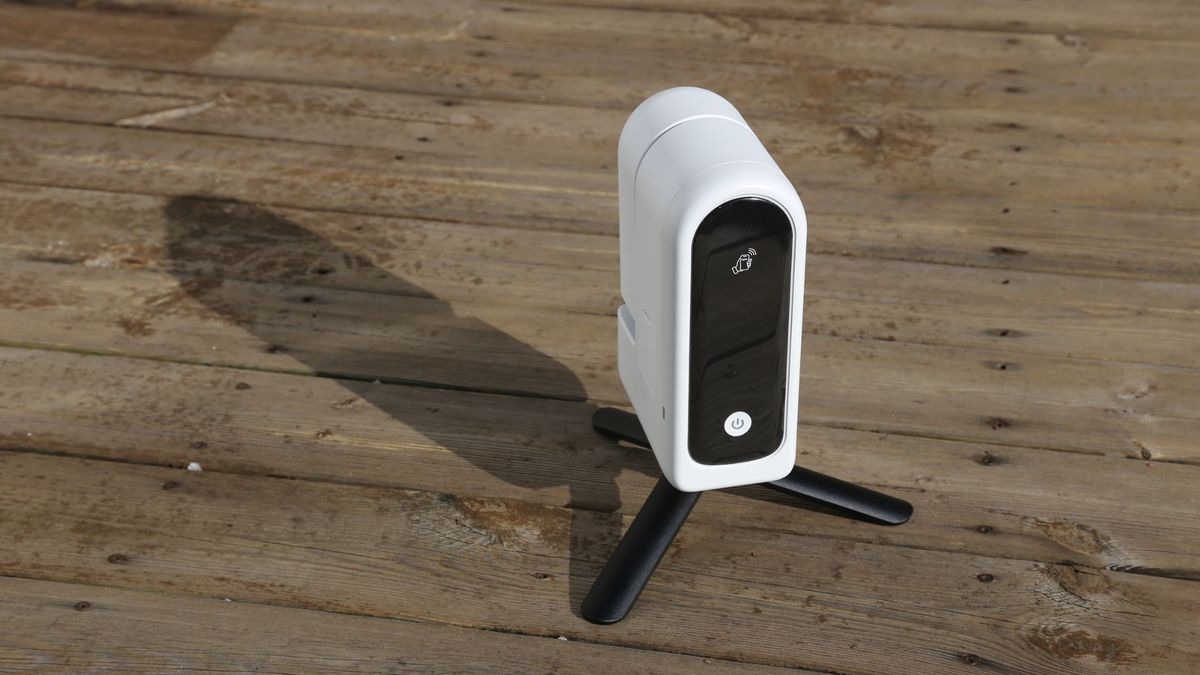
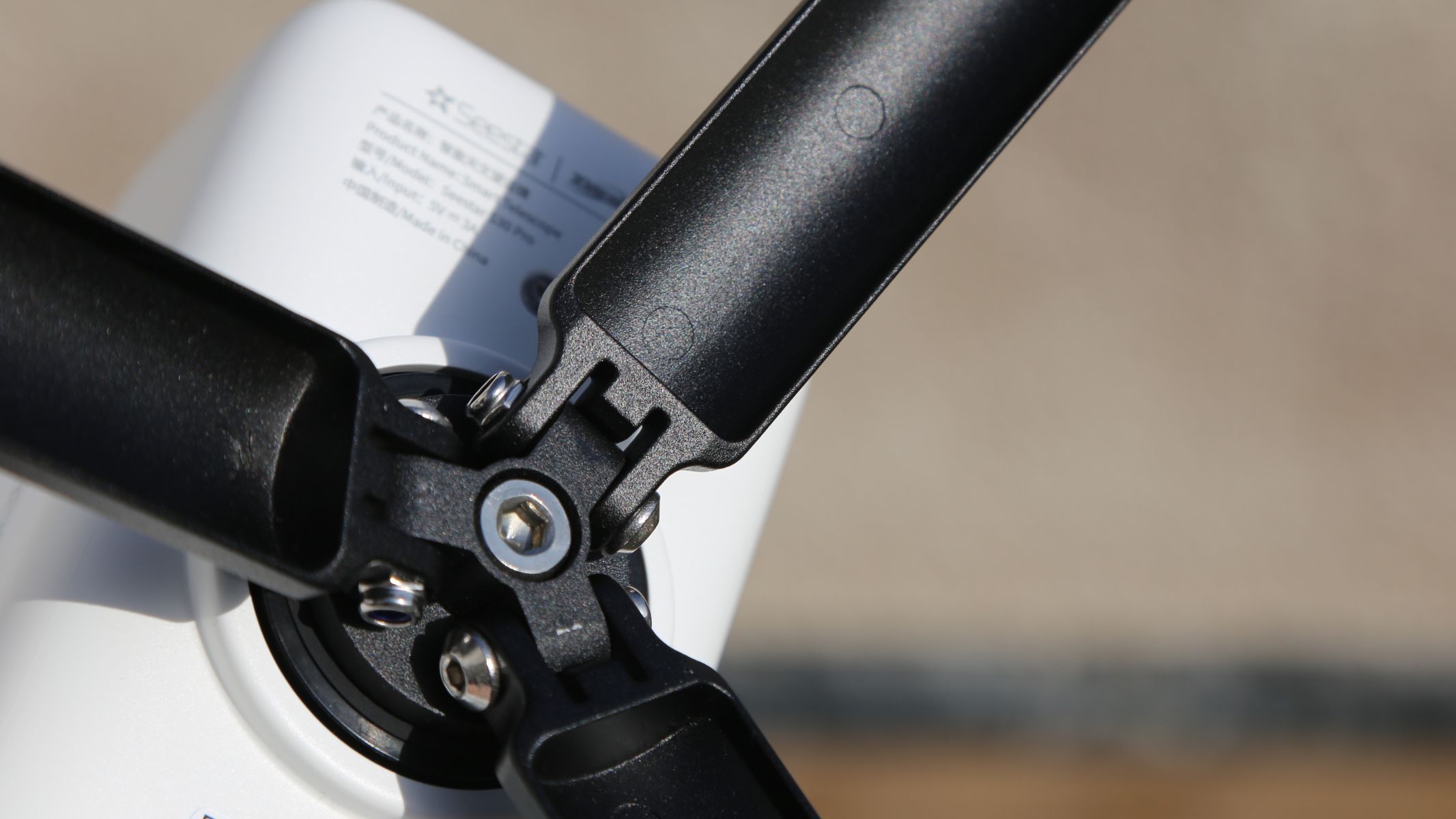
The S30 Pro includes a robust 6000 mAh internal battery, providing approximately 6 hours of continuous operation, sufficient for a full night of observing. It also comes equipped with a generous 128GB of internal storage, capable of storing thousands of deep-sky image frames, though advanced users exporting FITS files may find themselves managing storage more frequently. The included tabletop tripod, while compact and stable, can be substituted with any standard photographic tripod, offering greater versatility for users needing to clear obstructions or achieve higher vantage points. A high-quality padded shoulder bag further enhances its portability and protection.
Seamless Operation: The Seestar App and User Experience
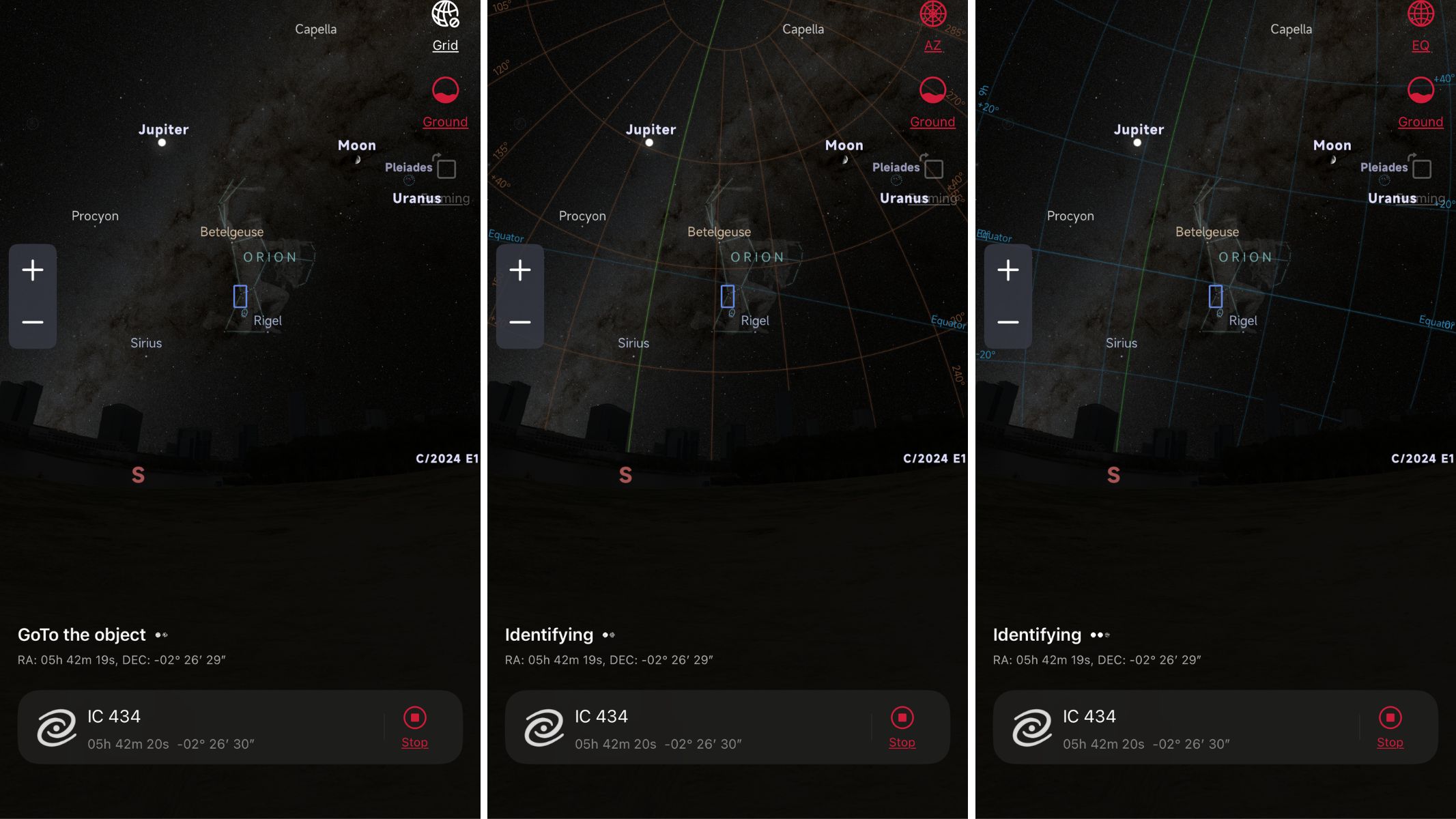
The Seestar app is the undisputed command center, transforming the complex art of astrophotography into a remarkably streamlined experience. Upon powering on the device and establishing a Wi-Fi connection, the app guides the user through an automated setup process. The telescope initiates "plate-solving," a sophisticated process where it captures a wide-field image of the sky, identifies the unique pattern of stars, and precisely determines its exact orientation and location. This allows for accurate "Go-To" functionality, where the telescope then automatically slews to any selected target with high precision.
The app’s planetarium-style sky atlas provides an intuitive interface, displaying a wealth of celestial objects visible from the user’s current location. Users can browse categories like galaxies, nebulas, star clusters, planets, and even comets, tapping on a desired target to initiate the imaging sequence. Once a target is selected, the S30 Pro automatically centers it and begins capturing short exposures, typically around 10 seconds in duration.
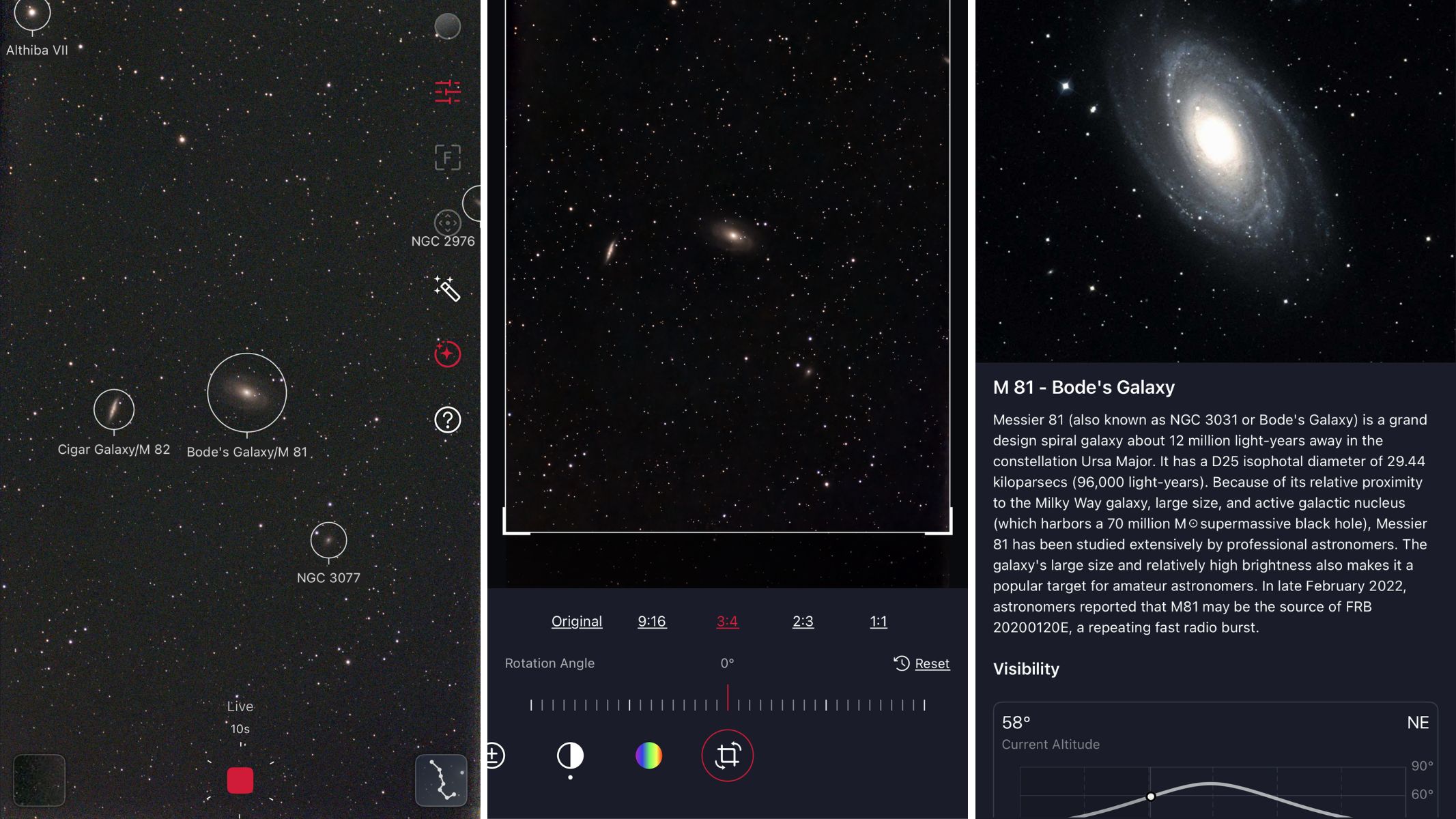
The magic of the Seestar S30 Pro truly unfolds with its real-time image stacking capability. As each exposure is captured, the app instantaneously aligns and stacks it with previous frames. This iterative process is fundamental to modern astrophotography, as it significantly reduces random noise and enhances the signal-to-noise ratio, gradually revealing fainter details and increasing the dynamic range of the image. The app displays this progress in real-time, allowing users to witness a faint patch of light slowly resolve into a recognizable nebula or a distant galaxy with emerging spiral arms. A crucial feature of this system is its intelligent frame rejection, which automatically discards poor-quality exposures caused by tracking errors, wind vibrations, or star trailing, ensuring only the best data contributes to the final image. Users can choose to stop a session at any time or let it run for extended periods to achieve deeper, more detailed results.
Further enhancing convenience, the S30 Pro introduces "Plan Mode," a feature designed for automated, unattended imaging sessions. Users can schedule multiple celestial targets for imaging overnight, allowing the telescope to observe while they sleep. This is particularly beneficial for capturing objects that rise late in the night or for long integration times without constant supervision. While Plan Mode currently uses default exposure and gain settings per target, its utility for set-and-forget observing is immense.
For those interested in advanced post-processing, the Seestar S30 Pro supports FITS file export. FITS (Flexible Image Transport System) is the standard raw file format in professional astronomy, preserving all captured data without loss, enabling users to refine their images in dedicated external software such as Siril, PixInsight, DeepSkyStacker, or Adobe Photoshop. This caters to more experienced users who desire granular control over their final images. Alternatively, the app’s built-in Deep Sky Stack functionality offers a quick and effective solution for in-app processing, including the ability to discard frames and engage an effective AI Denoise pipeline, which, with a little patience, yields excellent results.
Capturing the Cosmos: Imaging Performance and Capabilities
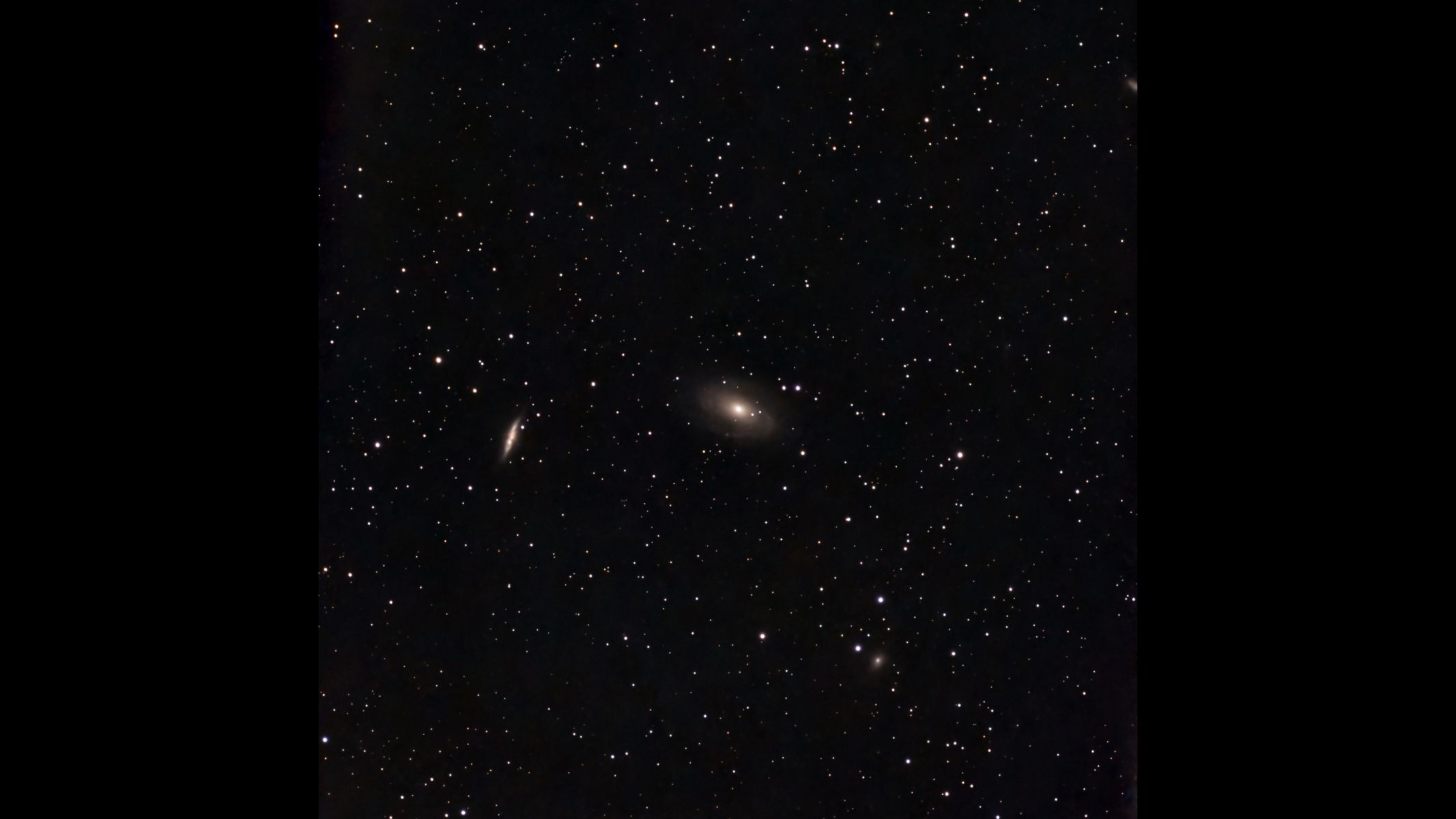
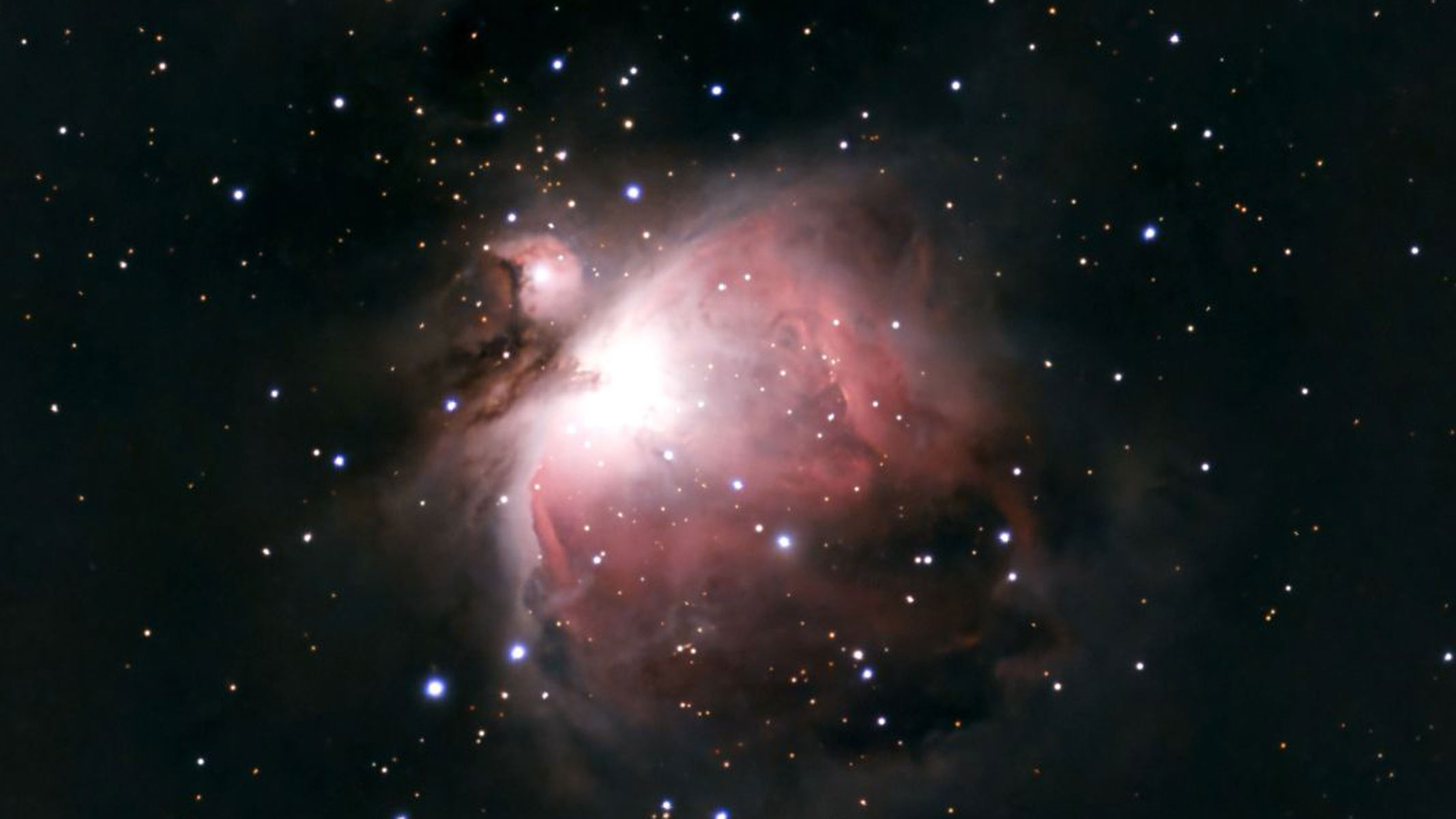
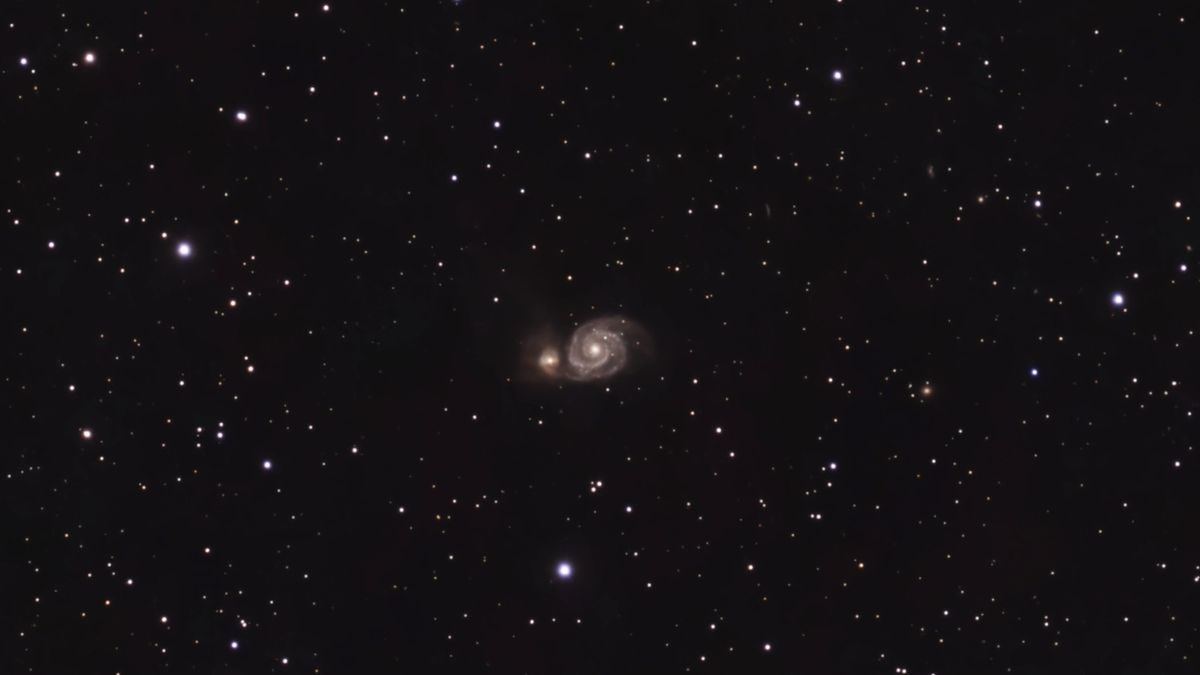
The ZWO Seestar S30 Pro truly shines in its deep-sky imaging performance, delivering results that defy its compact size and automated nature. During extensive testing under both suburban Bortle 6 skies and pristine Bortle 2 dark-sky conditions, the S30 Pro consistently produced superb images of a variety of celestial objects. The Orion Nebula (M42) was rendered with remarkable detail, showcasing its intricate nebulosity and the bright Trapezium cluster. Distant galaxies such as Bode’s Galaxy (M81) and the Cigar Galaxy (M82) were captured with discernible spiral arms, while the majestic Whirlpool Galaxy (M51) and the dense Great Globular Cluster in Hercules (M13) revealed a wealth of individual stars, even from light-polluted locations.
The efficacy of image stacking, combined with the S30 Pro’s built-in filters (which can enhance specific wavelengths of light, like H-alpha, often associated with nebulas), is a game-changer for urban astronomers. By accumulating photons over many short exposures and intelligently processing them, the telescope can reveal faint, extended objects that would be entirely invisible through the eyepiece of a traditional optical telescope under the same light-polluted conditions. This capability effectively transforms a light-polluted backyard into a viable deep-sky observing platform.
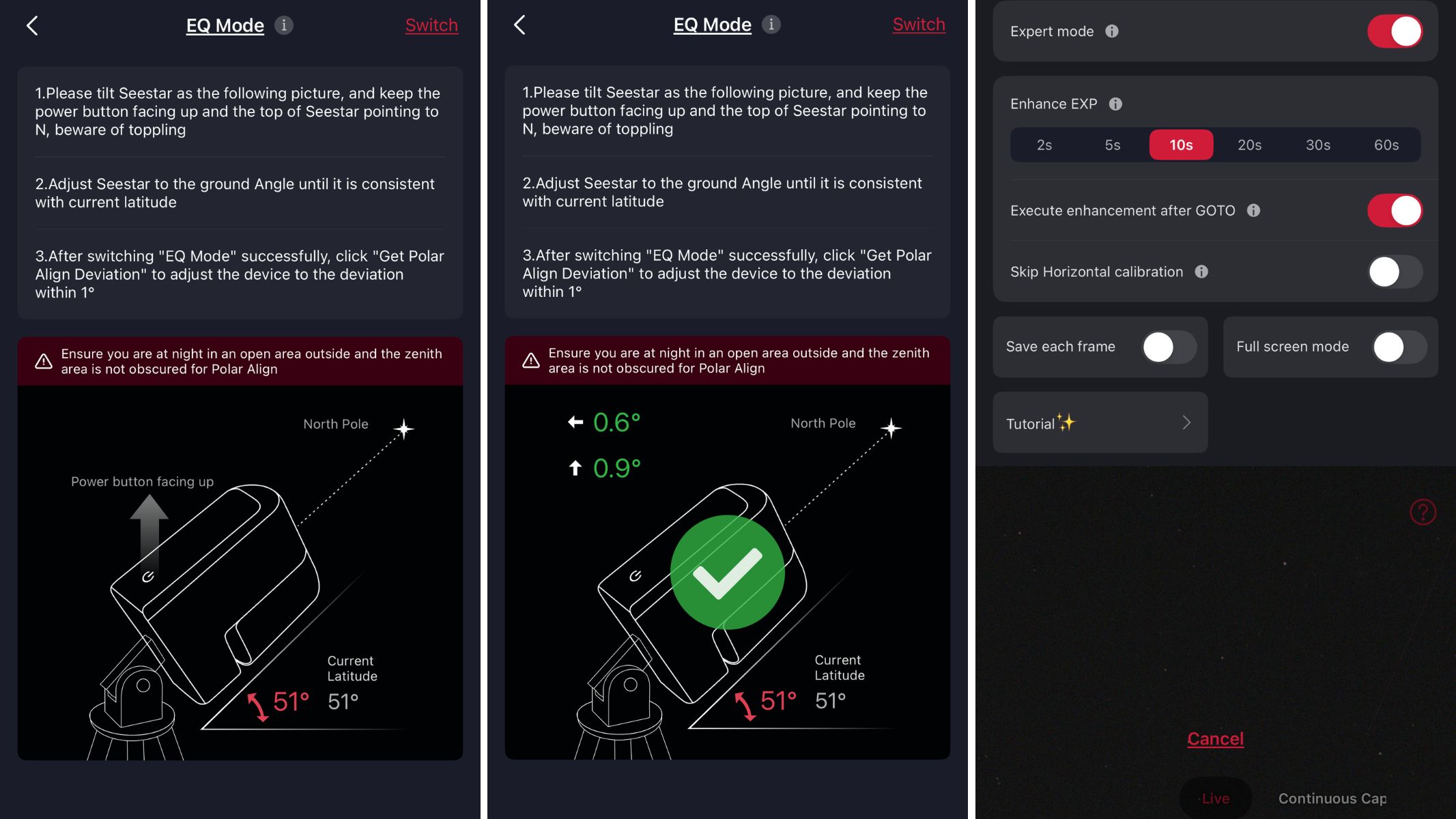
A significant enhancement in the S30 Pro is its support for equatorial (EQ) mode, which allows for much longer exposure times and even more precise tracking. While the telescope’s standard alt-azimuth mount is excellent for shorter exposures, EQ mode requires the optional Seestar TH10 Fluid Tripod Head. This accessory, once attached, allows the telescope to align with Earth’s rotational axis, eliminating field rotation—a common issue in alt-az mounts that causes stars to appear to rotate around the center of the image during long exposures. With EQ mode engaged and "Expert Mode" activated in the app, exposures of up to 60 seconds become possible. This extended exposure time significantly increases the amount of light gathered, leading to even greater detail and fainter structures being revealed in targets like the Whirlpool Galaxy (M51) and the Great Globular Cluster in Hercules (M13), as observed during testing. The in-app setup process for EQ mode is notably user-friendly, guiding the user through the necessary steps for accurate polar alignment.
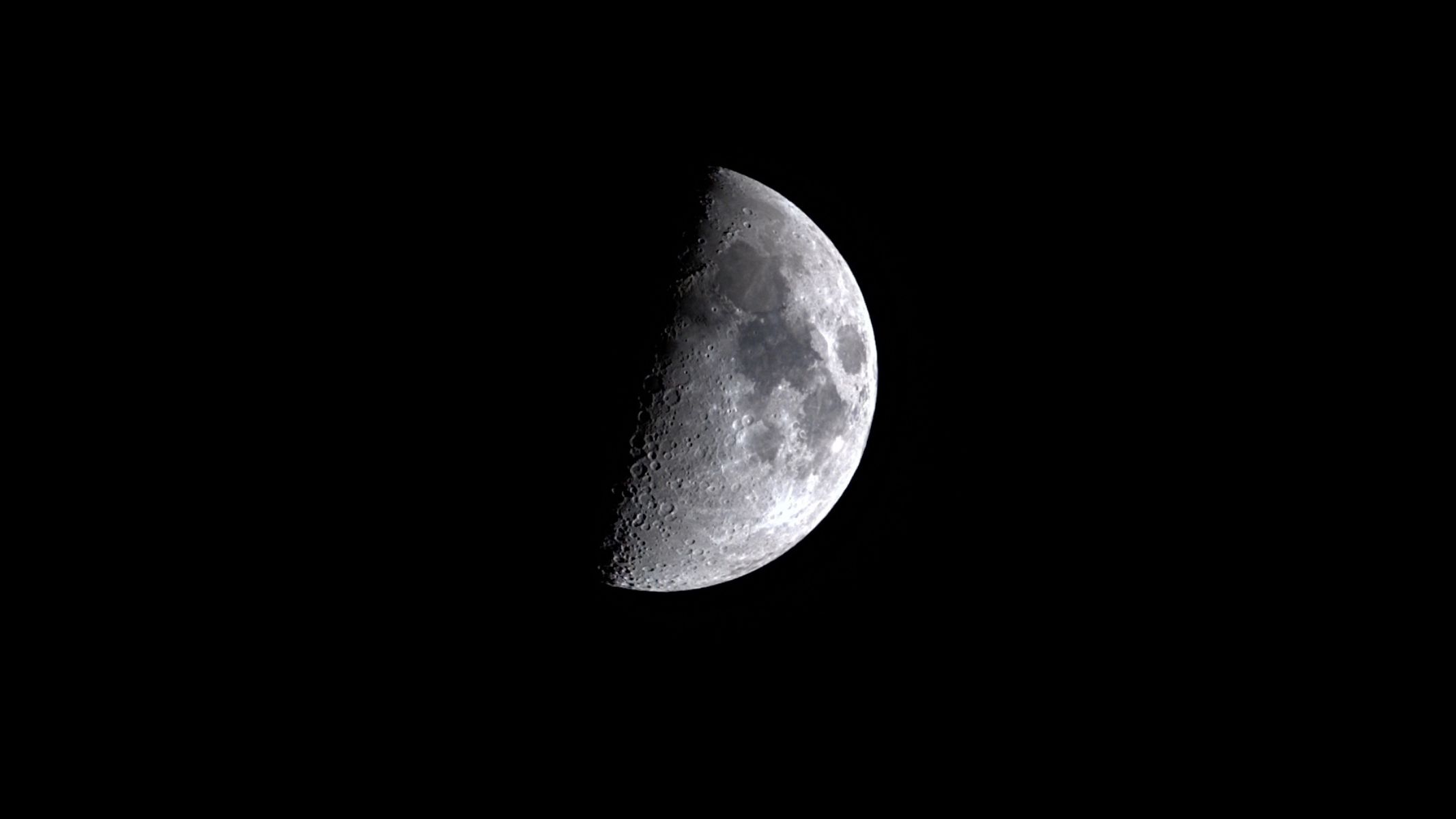
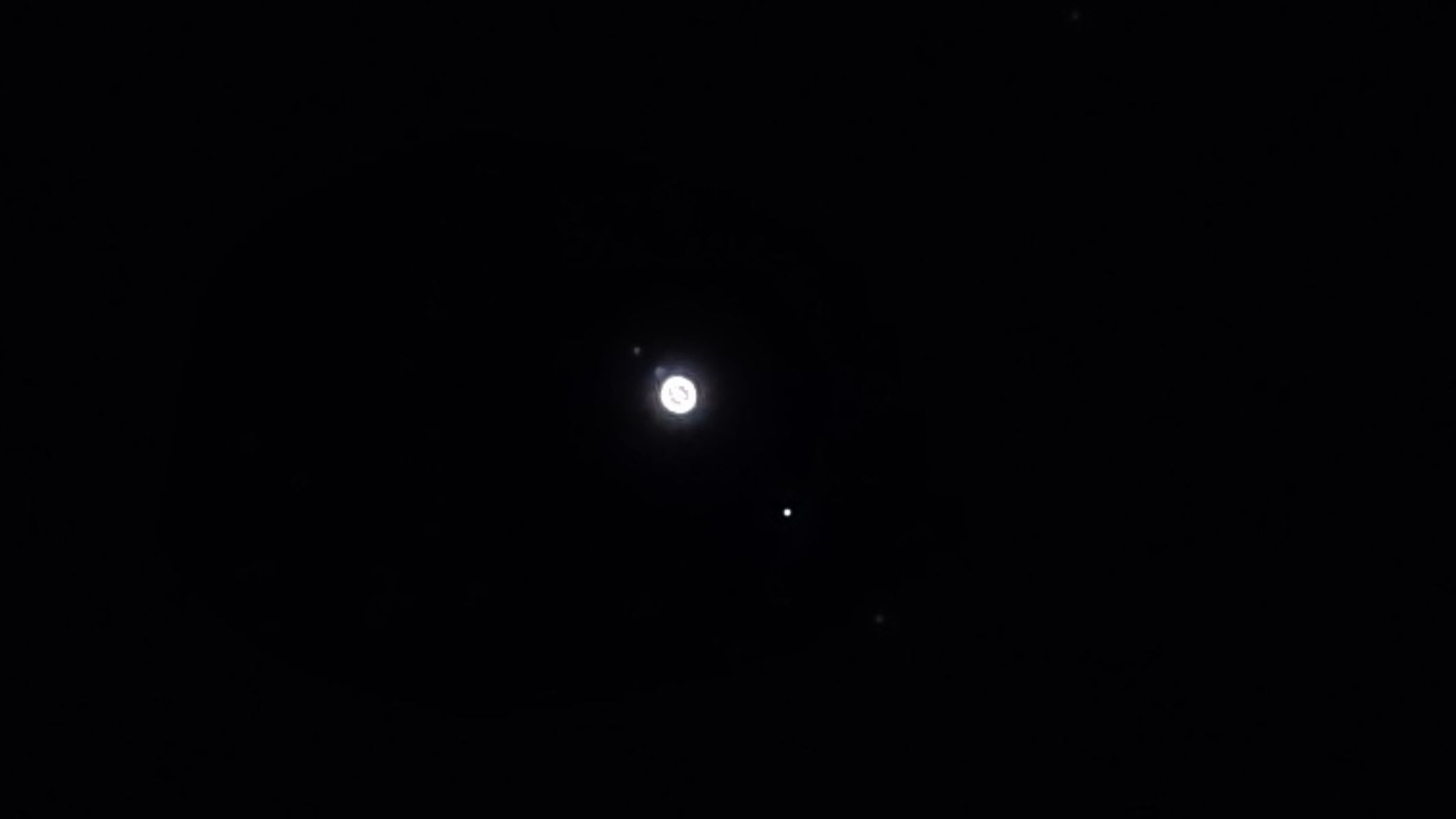
While the S30 Pro excels at deep-sky objects, its performance for planetary imaging is less impressive. Due to its relatively small aperture and short focal length, which are optimized for faint, extended objects, planets like Jupiter and Saturn appear small and lack fine surface detail typically captured by dedicated planetary cameras with larger telescopes and higher magnifications. However, it is still capable of imaging the brighter planets and their moons, as demonstrated by clear images of Jupiter and its Galilean satellites. The Moon, being a large and bright object, is an exception; the S30 Pro captured its craters and features with stunning clarity and detail. This reinforces the understanding that the S30 Pro is primarily optimized for deep-sky astrophotography, where its strengths truly lie.
Broader Implications: Democratizing the Night Sky
The ZWO Seestar S30 Pro is more than just a piece of astronomical equipment; it represents a significant cultural and technological shift in how individuals engage with the cosmos. By drastically lowering the barrier to entry for astrophotography, it effectively democratizes a hobby once reserved for the dedicated few. The traditional financial and technical hurdles—costly equipment, complex setup, and steep learning curves—are largely circumvented by the S30 Pro’s integrated, automated design. This accessibility means that anyone with a smartphone and an interest in astronomy can begin capturing breathtaking images of deep-sky objects, fostering a new generation of amateur astronomers and citizen scientists.
Its exceptional performance in light-polluted urban environments is particularly impactful. For millions living in cities and suburbs, the night sky has become a victim of anthropogenic light, obscuring all but the brightest stars and planets. The S30 Pro’s ability to "punch through" this light pollution using real-time stacking and intelligent filtering reclaims the night sky for urban dwellers, allowing them to reconnect with the universe from their own backyards or balconies. This could lead to a resurgence of interest in astronomy in areas where it was previously impractical.
The device’s ultra-portable "grab-and-go" nature also encourages more frequent and impromptu observing sessions. No longer constrained by heavy, cumbersome equipment, users can easily transport the S30 Pro to darker skies, travel with it, or simply set it up quickly whenever clear weather permits. This convenience enhances the overall enjoyment and participation in the hobby.
The rise of smart telescopes like the S30 Pro also signifies a broader trend in the astronomy market towards user-centric design and automation. While some traditionalists may lament the move away from direct eyepiece observation and manual control, the undeniable benefit is the expansion of the astronomical community. These devices serve as powerful educational tools, allowing users to explore the universe in a visually stunning and engaging way, fostering curiosity and scientific literacy. They also create opportunities for citizen science, potentially enabling a network of amateur observers to contribute valuable data to professional astronomical research, much like what is seen with other smart telescope platforms.
Target Audience and Purchasing Considerations
The ZWO Seestar S30 Pro is ideally suited for several key demographics:
- Beginners: Its automated setup, app-driven control, and real-time stacking make it an unparalleled entry point into astrophotography, removing the intimidation factor of traditional equipment.
- Urban Astronomers: The built-in image processing and filtering capabilities excel at mitigating light pollution, allowing for impressive deep-sky imaging even from city environments.
- Travelers and Mobile Enthusiasts: Its compact size, light weight, and integrated battery make it the ultimate grab-and-go system for astrophotography on the move.
- Existing S30 Owners Seeking an Upgrade: The higher 8.3MP resolution, enhanced optics, and crucial equatorial tracking support offer compelling reasons to upgrade for those desiring greater detail and longer exposure capabilities.
- Advanced Users Seeking Convenience: While not replacing a full professional setup, it serves as an excellent portable rig for casual imaging, quick sessions, or supplementing a larger observatory.
However, certain users may find the S30 Pro less suitable:
- Astrophotographers Demanding Full Manual Control: The app-centric design, while simplifying operation, limits granular control over certain imaging parameters like custom exposure times and gain settings for precise tweaking, which advanced users often prefer.
- Dedicated Planetary Observers: While capable of imaging planets, its optimization for deep-sky objects means that fine planetary details are not its strong suit. Those primarily interested in high-resolution planetary imaging would be better served by a larger aperture telescope with a high-magnification eyepiece or dedicated planetary camera.
- Visual Observers: The S30 Pro is an imaging system; it does not have an eyepiece for direct optical observation. Users who prefer to look through a telescope visually might find this limiting.
For those considering alternatives, the market offers various options. The original ZWO Seestar S30 remains a more affordable entry point, providing similar ease of use but with a lower 2MP resolution and fewer advanced features. For extreme portability, the DwarfLab Dwarf Mini is even smaller but also limited to 2MP imaging. At the higher end, premium smart telescopes like the Unistellar Odyssey offer larger apertures, potentially greater light-gathering capabilities, and access to citizen science campaigns, but at a significantly higher price point.
In conclusion, the ZWO Seestar S30 Pro stands as a groundbreaking device in the world of amateur astronomy. It expertly balances convenience with impressive deep-sky imaging capabilities, positioning itself as a vital tool for broadening access to the wonders of the cosmos. Its thoughtful integration of hardware and software makes astrophotography not just achievable, but genuinely enjoyable for a new generation of stargazers.
Related posts: