Temple University Scraps Record-Setting $55 Million Donation and Reverses College Renaming Amid Federal Investigation Into Donor Christopher Barnett

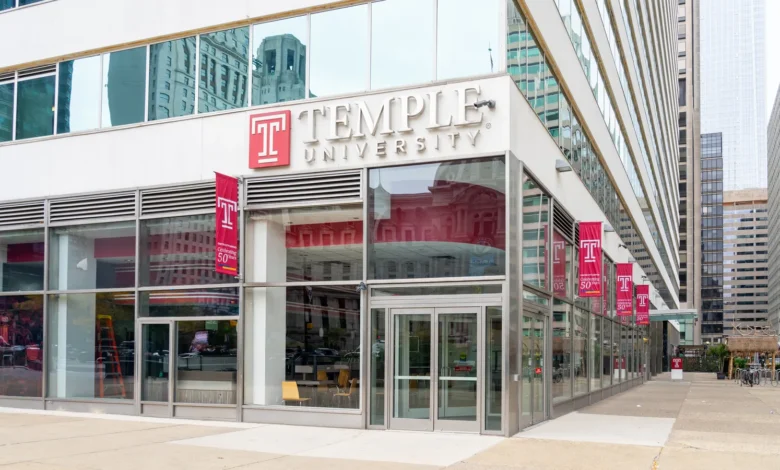
The landscape of higher education philanthropy is frequently defined by monumental gifts, grand announcements, and the permanent etching of benefactor names onto historic campus buildings. However, these high-stakes partnerships can unravel with unexpected swiftness when reputational crises strike. Temple University, a prominent public research institution in Philadelphia, Pennsylvania, has officially rescinded a record-breaking $55 million commitment from alumnus and former governing board member Christopher Barnett. The decision to dissolve the philanthropic agreement comes in the wake of a burgeoning federal criminal investigation targeting ABA Centers of America, the autism services company Barnett founded in 2020.
The unwinding of this historic pact highlights the intricate vetting challenges, financial vulnerabilities, and reputational risks universities face as they increasingly lean on mega-donors to fund core academic operations, specialized research laboratories, and capital improvements. For Temple University, the fallout requires a rapid strategic pivot to protect its academic prestige, reassure anxious stakeholders, and manage the budgetary adjustments necessitated by the sudden loss of an endowment cornerstone.
A Mutual Decision Amid Growing Scrutiny
According to formal statements released by university leadership, the termination of the $55 million pledge was handled "mutually" between Temple University and Barnett. Administrators noted that Barnett expressed a clear desire to shield the institution from any collateral reputational damage stemming from the legal and regulatory pressures confronting his business enterprise.
The financial structure of the gift worked in the university’s favor regarding immediate capital exposure: no actual cash disbursements or installment payments had fallen due or been collected since the pledge was publicly announced in October of the previous year. Nevertheless, the administrative entanglements were already well underway. Temple had enthusiastically embraced the partnership by formally rebranding its public health division as the "Barnett College of Public Health." In the wake of the canceled agreement, university leadership swiftly reversed the name change, scrubbing the moniker from official digital portals, letterheads, and campus markers.
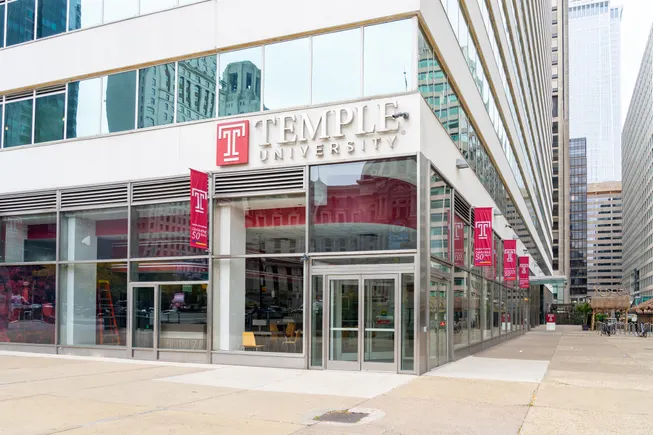
University administrators praised Barnett for his cooperation during what they described as a profoundly difficult period, noting that he navigated the delicate negotiations while simultaneously recovering from a serious, life-threatening medical event. Despite the dissolution of the financial agreement, Temple officials emphasized that the public health college remains structurally sound, academically robust, and firmly positioned as a top institutional priority.
The Catalyst: Federal Investigations and Billing Controversies
The rapid unraveling of the philanthropic relationship was triggered by public disclosures regarding federal scrutiny of ABA Centers of America. While localized friction between Barnett’s company and commercial insurance entities had been bubbling beneath the surface for months, the federal criminal investigation burst into public view following meticulous reporting by behavior analyst Samantha Parnham in her specialized newsletter, Reinforcement & Ruin.
The federal investigation focuses primarily on allegations of fraudulent billing practices within ABA Centers of America, an organization that expanded rapidly across multiple states by providing applied behavior analysis therapy to children on the autism spectrum. The criminal probe compounds a complex web of civil litigation involving the company’s billing operations. Most notably, ABA Centers of America has been embroiled in high-stakes legal battles with corporate giants, including a notable legal dispute with supermarket chain Publix. These multi-front legal challenges severely strained the company’s standing within the healthcare and commercial sectors, ultimately drawing intense media scrutiny that made the continuation of a high-profile university naming partnership untenable for Temple’s leadership.
A Longstanding Relationship Tied to Temple’s History
Christopher Barnett’s ties to Temple University are deep and unconventional, tracing back decades before his entry into the upper echelons of institutional philanthropy. According to university history previously documented on official institutional channels—though subsequently removed following the recent controversies—Barnett’s initial application for undergraduate admission was rejected by the university. Undeterred, Barnett reportedly secured his entry into the student body by making a direct personal pledge to an admissions counselor: he vowed that if the university gave him a chance, he would one day return the favor and give back substantially to Temple.

True to his word, Barnett built a successful entrepreneurial career in the healthcare sector and steadily integrated himself into the institutional fabric of his alma mater. His philanthropic engagement evolved beyond standard alumni giving; he ascended to influential governance roles, culminating in his appointment to Temple University’s governing board in May of the previous year. Prior to that broader leadership role, Barnett had already cemented his connection to the health sciences by serving with distinction on the advisory board for Temple’s College of Public Health.
The $55 million pledge, when initially unveiled, was heralded as a transformational milestone for the university. A significant portion of the earmarked funds—specifically $20 million—was intended to establish and expand a state-of-the-art autism research laboratory at Temple. This followed a previous $1 million seed funding contribution made by Barnett the prior year, which had briefly resulted in the laboratory bearing his company’s name. For a university striving to expand its footprint in specialized medical and behavioral health research, the partnership promised to place Temple at the forefront of national autism intervention studies.
Financial Implications and Institutional Resilience
The sudden evaporation of a $55 million endowment pledge undoubtedly presents a significant financial puzzle for Temple University, particularly for the public health division. Major gifts of this magnitude are routinely factored into long-term capital campaigns, strategic planning documents, and departmental budgeting frameworks. Without the influx of these anticipated funds, the college of public health will inevitably need to recalibrate its financial modeling, adjust operational spending projections, and seek alternative revenue streams or philanthropic partners to support planned initiatives, including the ambitious autism laboratory project.
Despite the monetary setback, Temple’s leadership has projected an aura of absolute financial health and institutional resilience. University executives emphasized that the unfortunate termination of the Barnett gift "does not diminish the philanthropic momentum and strength of Temple." Pointing to a broader fundraising landscape that yielded record-breaking donations across other sectors of the university over the past year, administrators have sought to reassure faculty, students, and alumni that the institution’s overarching developmental trajectory remains uninterrupted.
Broader Implications for Higher Education Philanthropy

The Temple University incident serves as a cautionary case study for colleges and universities nationwide regarding the perils of modern philanthropic due diligence. In an era where higher education institutions face declining state appropriations and mounting operational costs, development offices are under immense pressure to secure mega-gifts from affluent entrepreneurs and corporate founders. However, the speed at which corporate reputations can fracture in the digital age necessitates rigorous, continuous risk assessment.
Experts in institutional advancement note that universities must balance the allure of transformational capital with thorough investigative protocols that examine not only the liquid wealth of prospective donors, but also the operational, legal, and ethical standing of the enterprises that generated that wealth. When a donor’s business practices become the subject of federal criminal inquiries, institutions are forced into a reactive posture where the cost of retaining the gift—in terms of brand equity, community trust, and moral authority—far outweighs the monetary value of the endowment itself.
As Temple University closes this turbulent chapter, the institution faces the task of moving forward without the financial windfall that once promised to redefine its public health enterprise. By acting swiftly to sever ties, return the pledge, and strip the donor’s name from its college, Temple has signaled that institutional integrity and public trust remain non-negotiable parameters in the high-stakes game of modern university fundraising.