Small Satellite Operators Pivot to Emerging Launch Providers as Industry Demand Outstrips Capacity

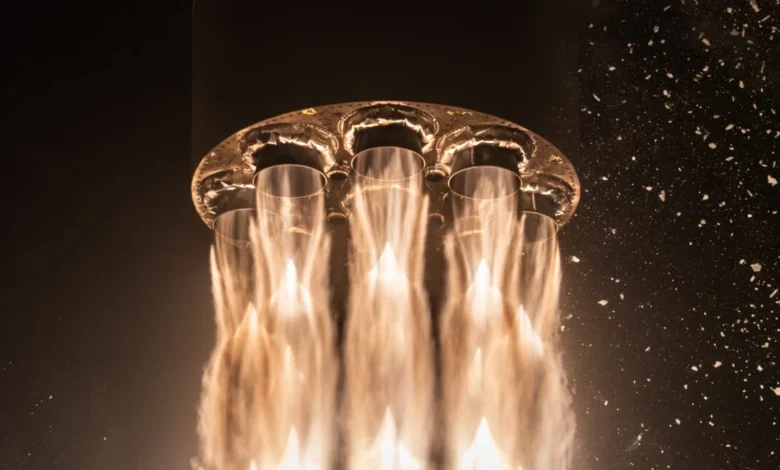
The global space industry is undergoing a structural transformation as satellite operators increasingly look beyond established heavy-lift providers to secure dedicated access to orbit. This shift, underscored by the recent orbital success of Germany’s Isar Aerospace and its Spectrum rocket, highlights a growing divergence between the mass-market capabilities of industry giants like SpaceX and the niche, mission-specific requirements of the burgeoning satellite servicing and debris-removal sectors.
For years, the space launch market has been dominated by the high-cadence, cost-effective operations of the Falcon 9. However, as SpaceX begins to reorient its strategic focus toward the next-generation Starship vehicle and its own internal Starlink deployment schedule, satellite operators are facing a tightening of launch availability. This "launch crunch," characterized by a scarcity of flexible, dedicated slots for medium-sized payloads, has forced companies to seek alternatives, fueling the rise of a new generation of European and international launch startups.

A New Chapter for European Access to Space
The successful inaugural orbital flight of the Spectrum rocket from a spaceport in northern Norway marks a watershed moment for European aerospace. Following a disappointing maiden test flight last year, Isar Aerospace has successfully validated its propane-fueled propulsion technology, placing a batch of CubeSats into low-Earth orbit. This achievement provides a critical alternative for European stakeholders—including the European Space Agency (ESA), the European Union, and the governments of Germany and Norway—who have been eager to reduce their reliance on foreign launch providers.
The success of Isar is part of a broader continental effort to regain autonomy in the space domain. Other European entities, such as Spain’s PLD Space and Germany’s Rocket Factory Augsburg, are aggressively developing their own launch architectures. Simultaneously, The Exploration Company is advancing heavy-lift-class engine development, signaling that Europe is transitioning from a period of stagnation toward a more competitive, diversified launch ecosystem.
Astroscale’s Strategic Bet on Boutique Launch
Among the most prominent observers of Isar’s success is the Japanese satellite servicing pioneer Astroscale. Executives at the company, including Group Chief Operating Officer Chris Blackerby, were actively monitoring the live telemetry from Norway at 5:00 a.m. local time on Sunday, signaling the high stakes involved in their decision to partner with the then-unproven provider.

Astroscale has already signed two separate contracts with Isar, opting for a dedicated launch path rather than the more common, yet restrictive, rideshare model. For a company focused on complex rendezvous and proximity operations (RPO)—specifically, satellite life extension, debris removal, and on-orbit inspection—the choice of launch vehicle is not merely a matter of logistics; it is a critical technical requirement.
"Dedicated launch is pretty essential for us for most of our missions," Blackerby explained in an interview. While rideshare options exist, they often dictate the orbital insertion point, which complicates the energy-intensive process of maneuvering a servicer to a specific, non-cooperative target. For Astroscale, the "Venn diagram" of requirements—payload capacity, orbit precision, and cost-effectiveness—made Isar’s Spectrum a compelling choice, despite the inherent risks associated with a nascent launch platform.
The Technical Evolution of Satellite Servicing
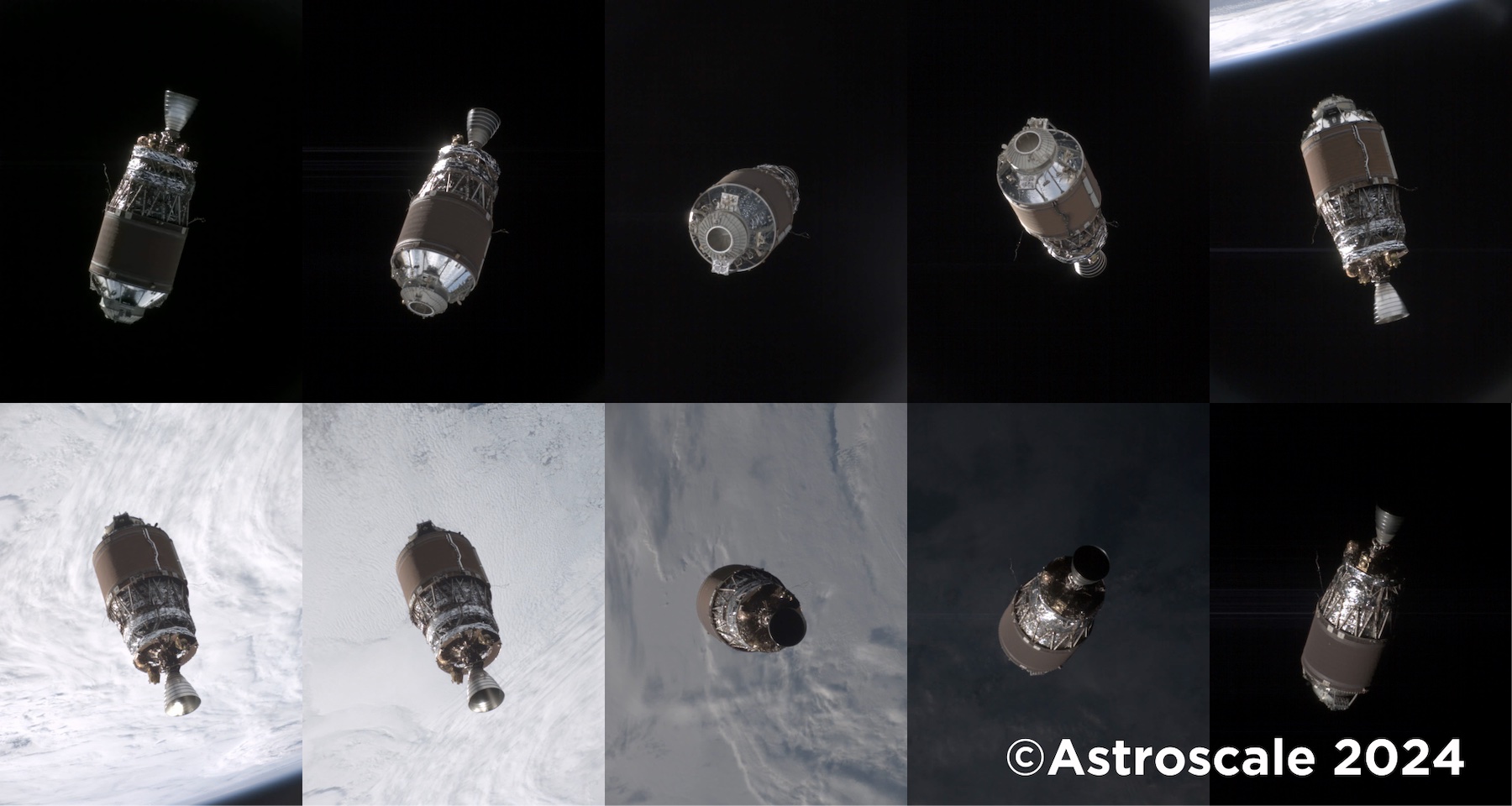
The necessity for dedicated, precise launches is rooted in the demanding nature of Astroscale’s mission profile. The company’s recent success with the ADRAS-J mission, which successfully approached and inspected a defunct Japanese H-IIA rocket upper stage, served as a proof-of-concept for the autonomy required in future missions.

Building on that experience, Astroscale is currently developing two major follow-on missions: ADRAS-J2 and ELSA-M. The former, a collaboration with the Japan Aerospace Exploration Agency (JAXA), seeks to build on the ADRAS-J findings by attempting to capture and deorbit the same rocket body. The latter, ELSA-M, is a UK-led initiative that will attempt to capture a decommissioned OneWeb satellite, demonstrating the commercial viability of end-of-life servicing.
The technical lessons learned from ADRAS-J have been fundamental to these upcoming missions. "We now know what the client object looks like. We know it’s not rotating," Blackerby noted. "We built ADRAS-J to be able to rotate around the client object in orbit… What we learned is the client object is pretty stably pointing down toward the Earth." This granular understanding of target behavior is essential for the "crawling before walking" approach that characterizes the current state of on-orbit servicing.
Market Implications and Future Outlook
The broader implications of this trend extend beyond the immediate success of a single launch provider. The space industry is currently experiencing a "flight to quality" among niche operators who cannot afford the delays or orbital compromises associated with massive, multi-payload launches.
While companies like US-based Katalyst Space have faced setbacks—such as the recent cancellation of a mission to rescue the NASA Swift observatory due to technical complications with the Northrop Grumman Pegasus XL rocket—the industry remains resilient. The demand for "boutique" or dedicated launch services is being bolstered by government interest in national security, satellite sustainability, and space situational awareness.
Refueling, a capability Astroscale is actively developing under contract with the US Space Force via its "Provisioner" mission, represents the next frontier. As governments and commercial entities alike prioritize the ability to identify, inspect, and station-keep near objects in orbit, the demand for sophisticated, maneuverable satellites will only grow.
A Chronology of Progress
The timeline of recent developments reflects a shift from experimental demonstration to commercial maturation:

- 2024: Astroscale achieves a world-first by performing a close-proximity flyaround and inspection of a non-cooperative rocket body with ADRAS-J.
- June 2024: Astroscale Holdings completes its listing on the Tokyo Stock Exchange, signaling growing investor confidence in the space sustainability sector.
- March 2026: Initial contracts between Astroscale and Isar Aerospace are inked, highlighting the need for dedicated launch capacity.
- July 2026: Katalyst Space attempts a dedicated mission to service a NASA observatory, highlighting the ongoing volatility in the small-launch sector.
- September 2026: Isar Aerospace successfully achieves orbit with the Spectrum rocket, validating the potential for a new European launch provider to meet commercial demand.
Analysis: The Path to Financial Sustainability
The move toward revenue-positive missions marks a critical pivot for companies like Astroscale. While early missions were primarily R&D-focused and supported by internal equity or government grants, the transition to service-based contracts—such as the work being done with JAXA and the UK Space Agency—is essential for long-term viability.
The industry is not yet at a stage where a "repeatable, consistent servicing ecosystem" exists, but the building blocks are in place. By the early 2030s, the combination of a more mature launch market, standardized RPO technology, and a clearer regulatory framework for debris removal is expected to create a self-sustaining commercial environment.
Ultimately, the success of players like Isar Aerospace is not just a triumph for European engineering; it is a vital catalyst for the entire satellite industry. By providing the dedicated, reliable lift capacity that smaller, high-precision missions require, these emerging launch providers are effectively unlocking a new, more sustainable, and more functional era of space operations. As the industry matures, the ability to service, refuel, and deorbit assets will become as fundamental to space commerce as the act of launching them in the first place.