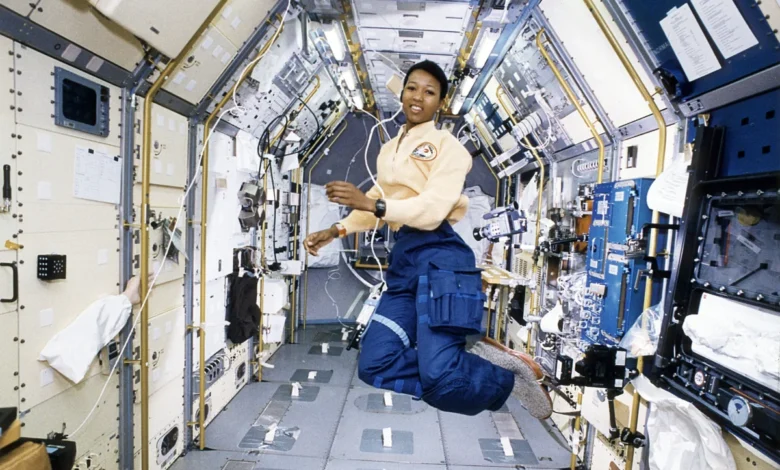
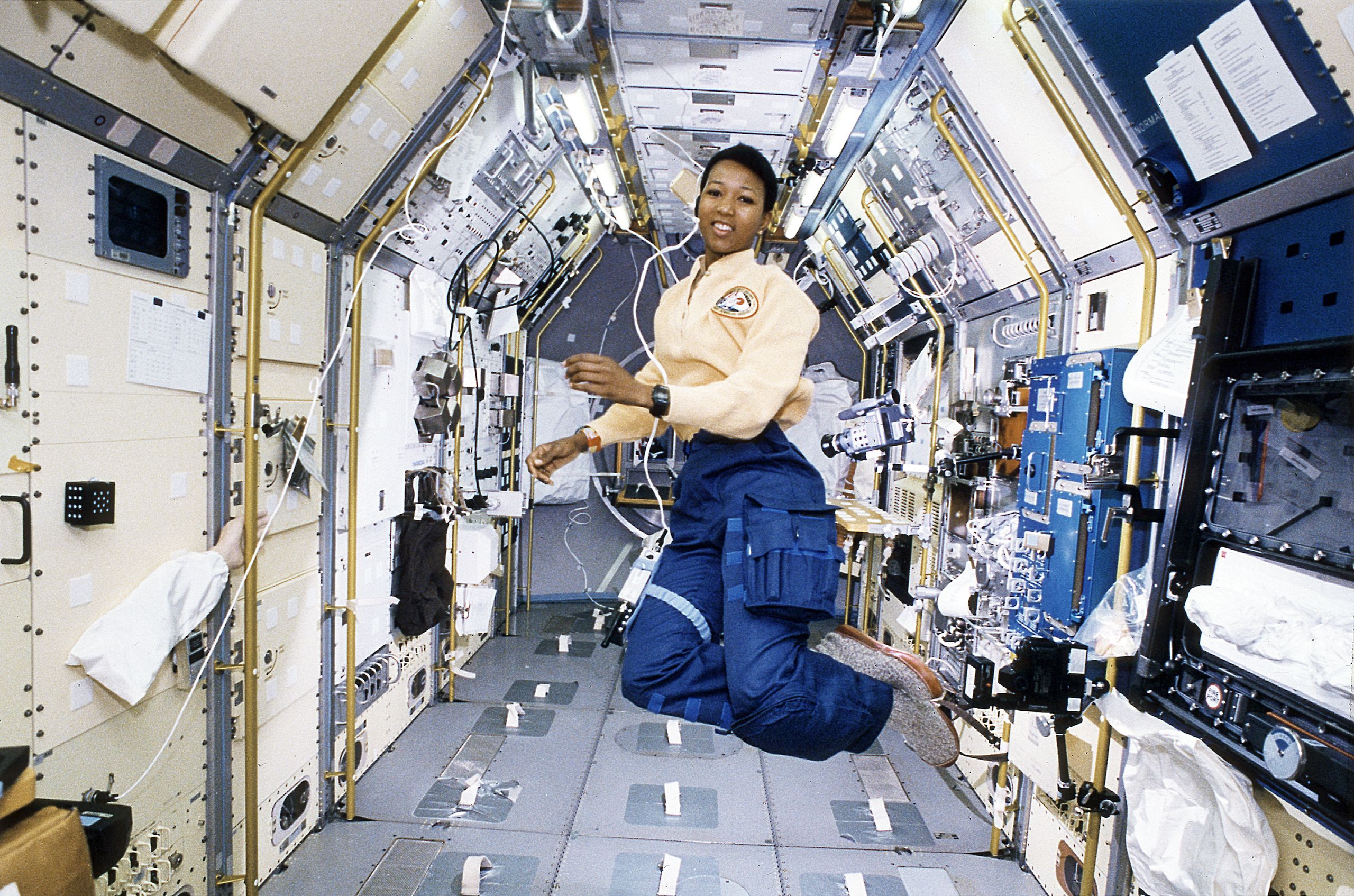
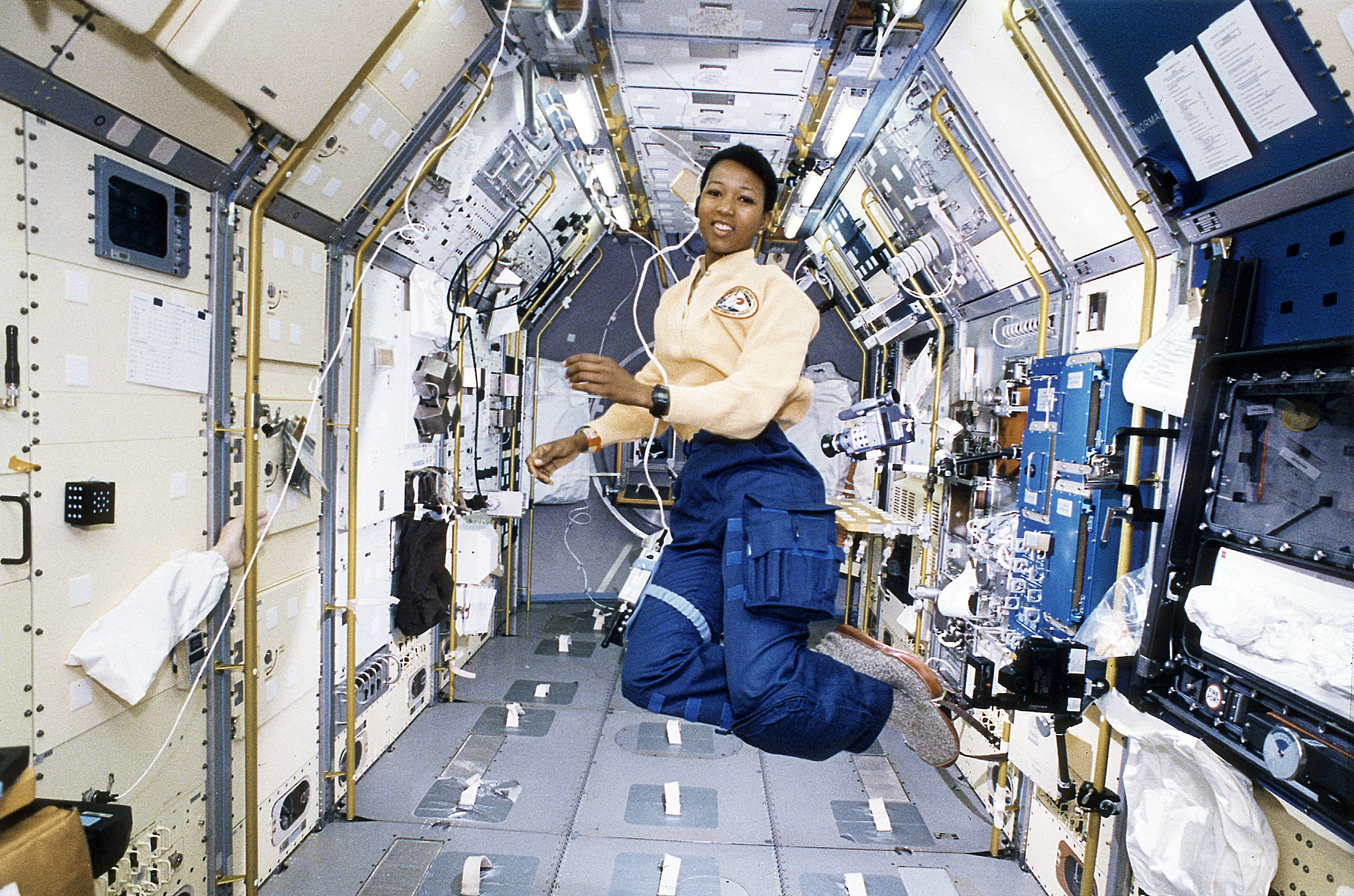
On September 12, 1992, NASA astronaut Mae Jemison etched her name into the annals of history by becoming the first African American woman to journey into space. Launching aboard the Space Shuttle Endeavour for the STS-47 mission, Jemison’s voyage represented far more than a technical achievement in aerospace engineering; it served as a pivotal cultural and institutional shift for the National Aeronautics and Space Administration. Her presence in orbit underscored a slow but deliberate transition within the American space program, moving from a demographic monolith toward an organization that began, albeit belatedly, to reflect the diversity of the nation it represented.
A Legacy of Institutional Barriers
To understand the significance of Jemison’s flight, one must contextualize the historical landscape of NASA’s astronaut corps. During the Mercury, Gemini, and Apollo eras, the criteria for becoming an astronaut were exceptionally narrow. Candidates were almost exclusively drawn from the ranks of military test pilots, a field that was, at the time, restricted to white men.
The integration of the astronaut corps was a protracted process. It was not until the seventh space shuttle mission in 1983—nearly a quarter-century after the inception of the agency—that Sally Ride became the first American woman to reach space. That same year, Guion Bluford made history as the first African American man to fly in space. Despite these milestones, the path for Black women remained obstructed by systemic barriers. It would take another nine years of advocacy, shifting social paradigms, and rigorous recruitment efforts before Jemison was selected as a mission specialist, finally breaking the gender and racial barrier that had persisted since the dawn of the Space Age.
The Trajectory of a Pioneer
Born in Decatur, Alabama, and raised in Chicago, Illinois, Mae Jemison did not follow the traditional military-pilot trajectory that defined the early days of NASA. Instead, her path was marked by academic excellence and a multidisciplinary approach to science. She earned a bachelor’s degree in chemical engineering and a degree in African American studies from Stanford University, followed by a doctorate in medicine from Cornell University.
Before joining NASA, Jemison served as a general practitioner and later as a Peace Corps medical officer in Sierra Leone and Liberia. Her experience in West Africa provided her with a unique global perspective on medical care and public health, traits that would later define her work as a scientist in orbit. When she applied to the astronaut program in 1987, she was one of only 15 candidates selected from a pool of nearly 2,000 applicants. Her acceptance was a testament to her technical prowess and her ability to excel in high-pressure, interdisciplinary environments.
The STS-47 Mission: Science in Orbit
The STS-47 mission, also known as Spacelab-J, was a collaborative effort between NASA and the National Space Development Agency of Japan (NASDA). The primary objective of the mission was to conduct a wide array of life science and materials processing experiments. Jemison, serving as a mission specialist, was responsible for the success of 44 separate scientific investigations.
During her eight days in space, Jemison logged 190 hours, 30 minutes, and 23 seconds of flight time. Her work included serving as a co-investigator on a bone cell research experiment, which examined how microgravity affected the loss of bone density—a critical area of study for long-duration spaceflight. The data gathered during these 190 hours contributed significantly to the medical community’s understanding of human physiological adaptation to space, proving that specialized, non-pilot scientists were indispensable to the mission’s success.
Cultural Impact and the Star Trek Connection
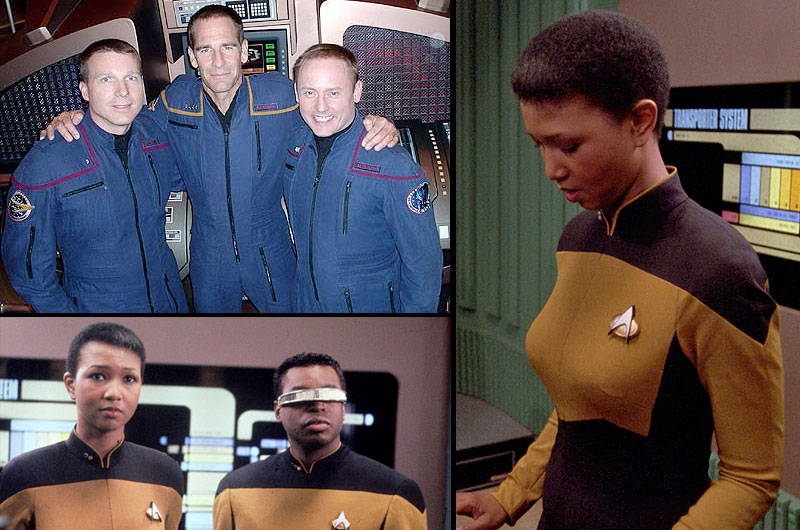
Jemison’s influence extended far beyond the confines of the Endeavour’s flight deck. A self-professed fan of science fiction, she famously cited the character Lieutenant Nyota Uhura from the original Star Trek series as a primary source of inspiration. The character, played by Nichelle Nichols, was a rare representation of a Black woman in a position of authority in the future, providing a young Jemison with a vision of what was possible.
This inspiration came full circle in 1993, when Jemison became the first real-life astronaut to appear on Star Trek: The Next Generation. Her cameo as Lieutenant Palmer in the episode "Second Chances" was a symbolic acknowledgement of the feedback loop between science fiction and scientific reality. It served as a powerful message to young girls of color: that the future of exploration was not restricted to the imagination, but was a tangible goal for those with the intellect and determination to pursue it.
Post-NASA Career and Lasting Influence
Following her retirement from NASA in 1993, Jemison did not retreat from the scientific community. She founded the Jemison Group, a technology consulting firm that focuses on the intersection of science, technology, and social change. She also became a vocal advocate for STEM education, particularly for underrepresented minorities.
Perhaps most notably, she led the 100-Year Starship project, a joint initiative funded by NASA and DARPA aimed at ensuring the capabilities for human interstellar travel within the next century. Her work on this project reflects her lifelong belief that humanity’s destiny lies beyond Earth, and that the inclusivity of those who reach for the stars is essential to the success of the mission. In 2017, her legacy was further cemented when she was immortalized as an official Lego minifigure in the "Women of NASA" set, ensuring that her contribution would be recognized by future generations of aspiring scientists.
Analysis: A Catalyst for Organizational Evolution
The inclusion of Mae Jemison in the STS-47 mission marked a turning point in NASA’s organizational culture. It signaled a shift from an agency that merely tolerated diversity to one that began to actively integrate it into its core mission architecture. This evolution was not purely altruistic; it was a pragmatic necessity. As space missions became increasingly complex, requiring deeper expertise in biology, chemistry, and physics, the agency needed to expand its talent pool beyond the traditional military pipeline.
However, the impact of Jemison’s flight is perhaps best measured by the doors it opened for others. Since 1992, the demographic composition of the astronaut corps has steadily become more reflective of the global population. While there is still significant work to be done in achieving true parity in the aerospace industry, Jemison’s flight serves as a historical benchmark. She proved that the "right stuff" is not defined by race or gender, but by the capacity for scientific inquiry, physical resilience, and the courage to pioneer new frontiers.
Looking Toward the Future
Today, as NASA embarks on the Artemis program—which aims to return humans to the moon and eventually send them to Mars—the principles championed by Jemison remain at the forefront. The agency’s stated goal of landing the first woman and the first person of color on the lunar surface is a direct continuation of the path cleared by trailblazers like Jemison.
The history of space exploration is often told through the lens of hardware, rocket thrust, and orbital mechanics. Yet, the human element—the demographics of who gets to look back at Earth from the vacuum of space—remains the most profound aspect of the journey. Mae Jemison’s 190 hours in orbit were not merely a feat of physics; they were a profound statement of progress. By challenging the status quo and successfully executing one of the most complex science missions of her time, she ensured that the future of space exploration would be a collective endeavor, representative of the diverse intellectual and human capital of the entire planet. Her career remains a blueprint for how technical excellence, combined with a commitment to societal progress, can expand the horizons of what humanity is capable of achieving.