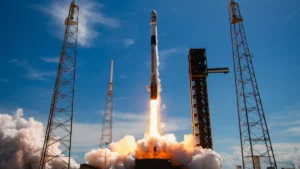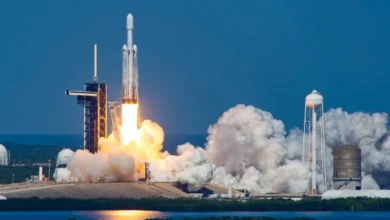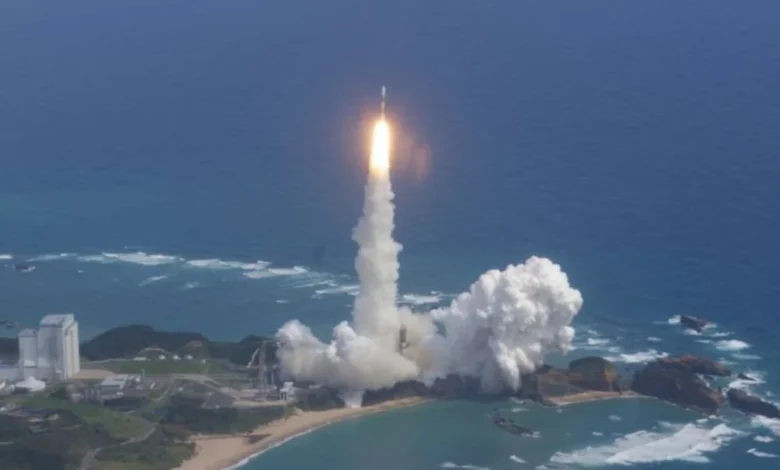
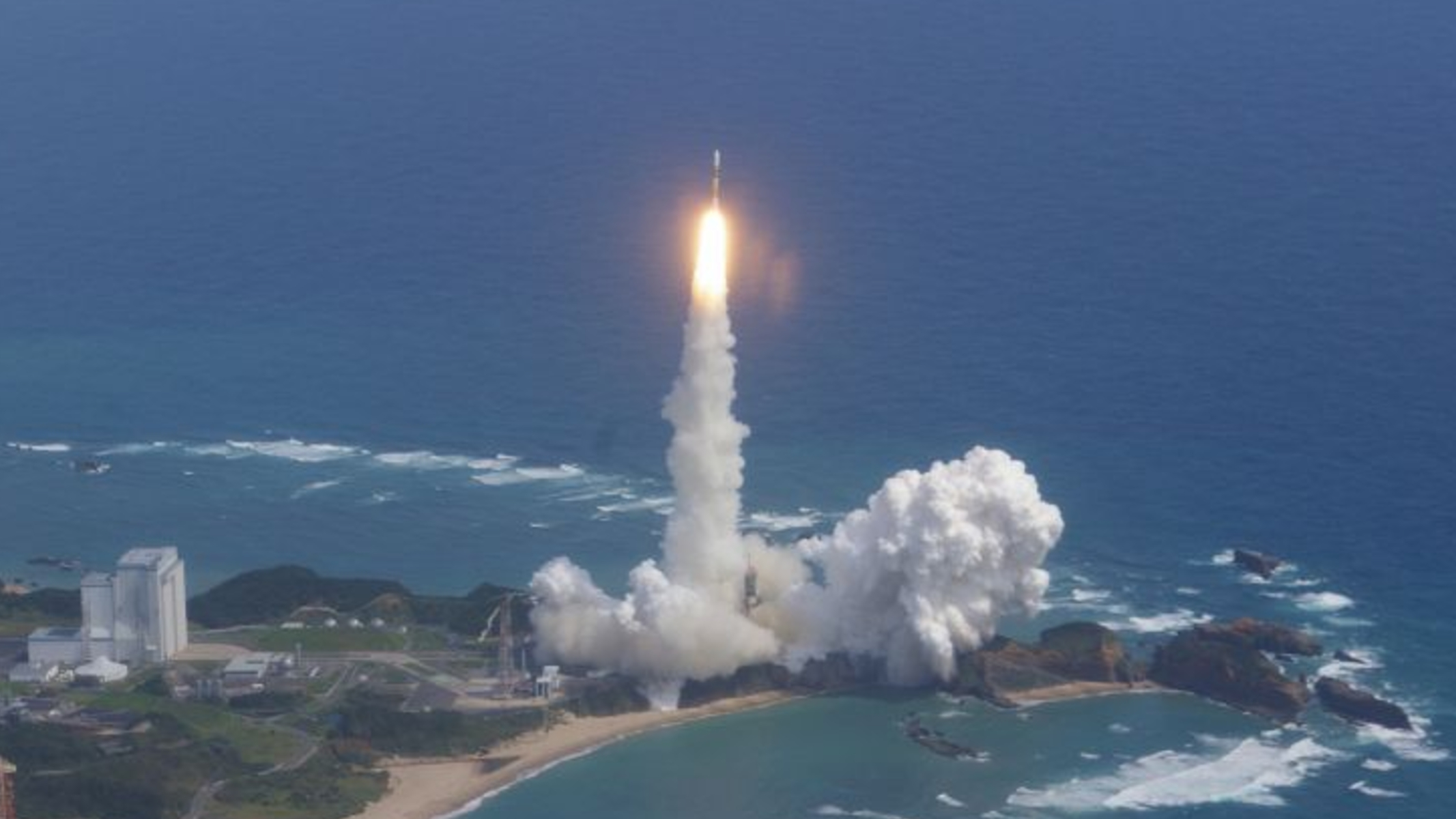
On September 13, 2007, the Japan Aerospace Exploration Agency (JAXA) successfully initiated one of the most ambitious lunar exploration projects of the early 21st century by launching the Kaguya spacecraft from the Tanegashima Space Center. Formally designated as the SELenological and ENgineering Explorer (SELENE), the mission represented a monumental leap forward for Japanese space science. While the launch occurred on the evening of September 13 in Eastern Time, the official liftoff took place at 10:31 a.m. on September 14, 2007, local time in Japan. Carried into the cosmos by a heavy-lift H-IIA rocket, the spacecraft embarked on a complex trajectory that included two orbits around Earth before maneuvering into a precise lunar insertion path. This mission did not merely aim to reach the moon; it sought to redefine humanity’s visual and scientific understanding of our natural satellite through advanced mapping and high-definition imagery.
A Legacy of Lunar Ambition
To understand the significance of Kaguya, one must view it in the context of Japan’s broader lunar exploration history. Prior to the successful deployment of SELENE, Japan’s attempts to reach the moon were limited in scope and longevity. In 1990, Japan launched the Hiten spacecraft, an experimental probe that utilized a highly elliptical orbit to perform ten lunar flybys. While Hiten successfully released a smaller sub-probe named Hagoromo, the mission was primarily a technology demonstration rather than a comprehensive scientific survey.
Kaguya was designed to transition Japan from experimental testing to systematic planetary science. The mission architecture was notably sophisticated, consisting of a main orbiter and two smaller "baby" satellites: Okina (the relay satellite) and Ouna (the radio source experiment). Following a twenty-day transit to the moon, these components separated to form a collaborative network. The primary goal was to obtain a complete global topographical map of the moon, analyze its gravitational field, and study the distribution of minerals on the lunar surface. Public engagement was also a cornerstone of the project, with the spacecraft being renamed Kaguya—after the mythical Moon Princess from the 10th-century Japanese folktale "The Tale of the Bamboo Cutter"—following a widespread public nomination process.
Mission Chronology: From Launch to Impact
The Kaguya mission unfolded over the course of approximately 18 months of intensive data collection. Following its launch and successful insertion into lunar orbit, the spacecraft spent the remainder of 2007 calibrating its 14 scientific instruments. By early 2008, the probe began its primary mission phase, which involved the continuous mapping of the lunar surface.
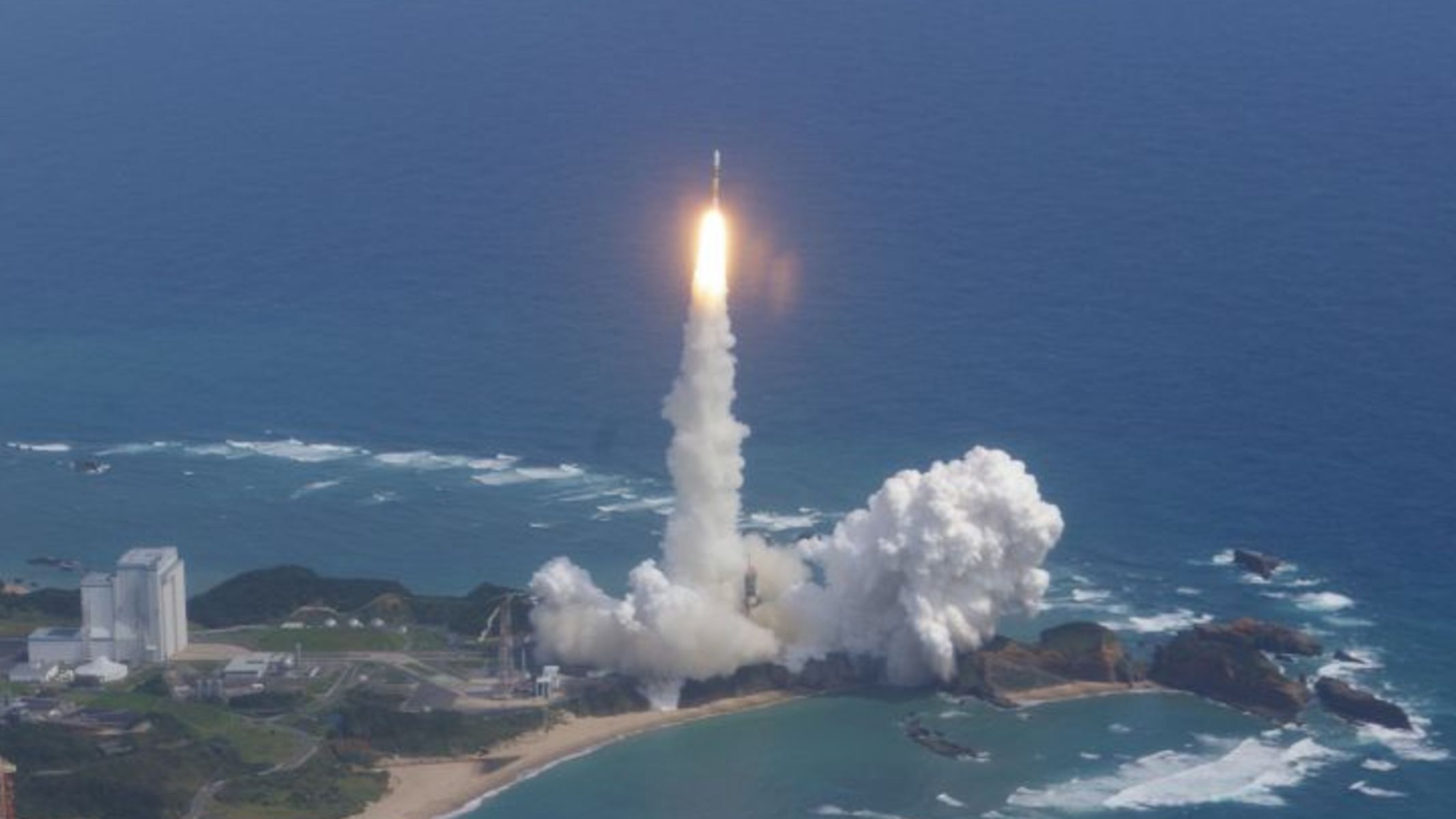
In October 2008, Kaguya reached a major milestone by completing its primary scientific objectives. Given the high quality of data being returned to Earth, JAXA mission planners decided to extend the mission into 2009. However, the harsh environment of space eventually took its toll. In early 2009, engineers detected a malfunction in one of the spacecraft’s reaction wheels—the internal components responsible for orienting the probe. Recognizing that the stability required for precise scientific imaging was compromised, JAXA elected to conclude the mission in a controlled manner. On February 12, 2009, mission control successfully commanded the orbiter to descend from its orbit, culminating in a planned, high-velocity impact near the Gill Crater on the moon’s surface.
Technological Advancements and Scientific Contributions
The most enduring legacy of the Kaguya mission lies in its high-definition imaging capabilities. At the time, the quality of visual data returned from the moon was unprecedented. The orbiter’s two high-definition cameras provided the global scientific community and the public with a crisp, clear view of the lunar terrain that had not been seen since the final Apollo missions of the 1970s.
Perhaps the most iconic output from the mission was the series of "Earthrise" videos. These recordings captured the Earth appearing to rise over the desolate, cratered horizon of the moon, providing a stark reminder of our planet’s fragility and isolation. Beyond the aesthetic value, these images served a practical scientific purpose, allowing researchers to study the lunar landscape with a level of detail that aided in the selection of future landing sites for robotic and potential human missions.
Beyond visual documentation, the mission’s scientific yield was profound. According to post-mission reviews conducted by NASA and JAXA, Kaguya provided:
- Topographical Mapping: A comprehensive 3D global model of the lunar surface, which remains a foundational dataset for lunar geodesy.
- Gravitational Analysis: By using the Okina relay satellite, researchers were able to measure the moon’s gravitational field with high precision, particularly on the far side, which is perpetually hidden from Earth. This data helped reveal internal structures and mass concentrations beneath the lunar crust.
- Lunar Resource Detection: The probe performed the first successful optical observations of the interior of the Shackleton Crater at the lunar south pole. Because the interior of this crater remains in permanent shadow, it was hypothesized to harbor water ice—a crucial resource for future long-term lunar habitation.
Broader Implications for Space Exploration
The success of Kaguya acted as a catalyst for the global "second wave" of lunar exploration. By demonstrating that a medium-sized space agency could conduct a complex, multi-spacecraft mission to the moon, Japan established itself as a major player in deep space exploration. The mission served as a blueprint for the "small satellite" revolution, proving that smaller, specialized probes could provide data comparable to that of massive, multi-billion-dollar flagships.
The collaboration between JAXA and international partners, including the sharing of data with NASA, also set a precedent for future cooperation in space. The data provided by Kaguya continues to be cited in academic literature today, underpinning current efforts by international space agencies to return humans to the moon under initiatives like the Artemis program.
From an engineering perspective, the failure of the reaction wheel in 2009 provided valuable insights into the longevity of spacecraft in the lunar environment. The moon’s surface is characterized by extreme temperature fluctuations and ionizing radiation, both of which pose significant challenges to delicate mechanical and electronic components. The lessons learned from the Kaguya hardware have directly informed the design of subsequent Japanese lunar missions, including the Smart Lander for Investigating Moon (SLIM).
Official Perspectives and Reflections
In the years following the mission, JAXA officials have often cited Kaguya as the pinnacle of Japan’s lunar efforts. The project effectively bridged the gap between the era of human-crewed exploration and the current era of autonomous, high-resolution robotic reconnaissance. In a 2009 press release following the final impact, project leads emphasized that while the physical presence of the spacecraft on the moon had ended, the "data treasury" it left behind would serve scientists for decades.
The mission also left a lasting cultural impact. By naming the satellites Okina and Ouna—referencing the elderly couple who discover the princess in the original folktale—JAXA fostered a unique narrative that resonated with the Japanese public. This branding strategy successfully increased domestic interest in space science, leading to increased funding and support for the JAXA Lunar and Planetary Exploration Program.
Conclusion: A Legacy Carved in Regolith
The Kaguya mission stands as a testament to the power of targeted, well-executed planetary science. By successfully mapping the lunar surface, providing high-definition imagery that captured the public imagination, and identifying potential resources for future exploration, the mission accomplished far more than its initial engineering objectives. Even today, the legacy of Kaguya persists in the archives of lunar science, serving as a critical reference point for every mission that has touched the lunar surface since. As humanity moves toward a future where the moon may become a base for further exploration into the solar system, the work of the Kaguya mission will remain a foundational piece of that journey, marking the moment when Japan truly arrived at the moon.